
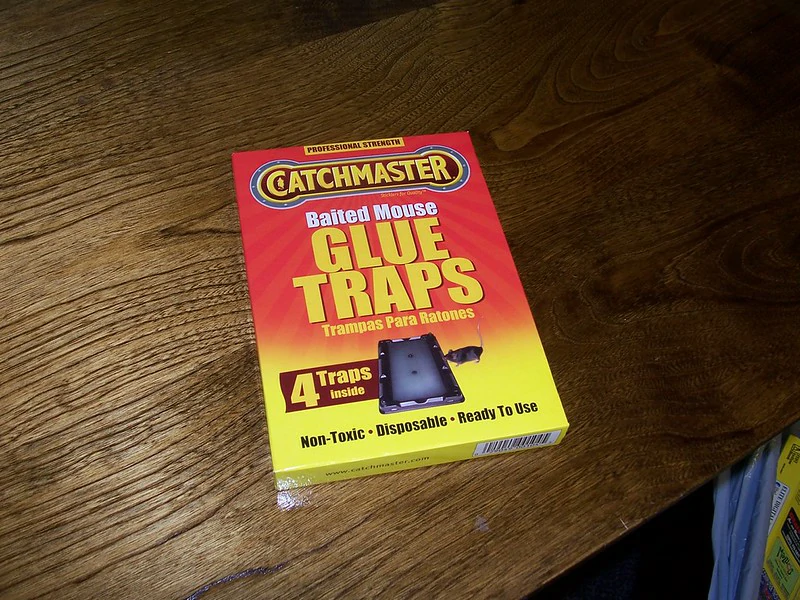
Glue traps are cheap, easy to use, and sold in hardware stores, grocery stores, and online, so it’s no surprise that lots of people reach for one when they hear mice in the walls.
Since there’s no poison and nothing to clean up right away, they can feel like a gentle choice, but are glue traps cruel to mice?
Yes, glue traps are cruel to mice. A stuck mouse can take a day or longer to die from thirst, hunger, blood loss, or exhaustion. Vets, welfare experts, and animal groups agree it’s one of the worst ways for a mouse to go.
That’s a strong statement, so it’s worth looking at what really happens to a mouse on one of these boards. You’ll also see why so many places are now banning them and what works better.
If you’ve got mice right now and you’re not sure what to do, this should help you pick a trap you can feel good about.
How Do Glue Traps Work on Mice?
A glue trap is a flat board (usually cardboard, plastic, or wood) coated with a thick, sticky glue that never dries. A mouse runs along a wall, steps onto the board without noticing, and its feet stick right away.
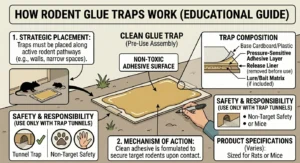
That’s the whole idea, and it’s why these traps are so cheap. They don’t have springs, batteries, or poison, so there’s nothing to break or to set off.
The glue isn’t like tape or flypaper, though. It’s far stronger, and it’s built to hold an animal that weighs a lot more than a fly.
You might never see what happens next, because you set the board down at night and check it in the morning, or in a few days. By then, the mouse has been stuck for hours.
What Does a Mouse Go Through After Getting Stuck?
The first thing a mouse does is panic. It pulls, twists, and kicks to get free, and every part of its body that touches the glue gets stuck too.
The more it fights, the worse it gets. Paws, legs, belly, tail, and even its face can end up in the glue.
Mice can tear their skin, lose patches of fur, and break bones as they struggle. Some get glue on their nose and mouth, which makes it hard to breathe.
Stress takes a toll as well. A scared mouse often urinates and defecates, and it can end up lying in its own waste, which adds to the misery.
Mice also squeak and scream when they’re in distress, and welfare experts have recorded it. If you’ve ever heard it, you’ll know it isn’t a sound you forget.
Then comes the long wait. The mouse can’t eat, drink, or move, so it just lies there, cold and scared, while its strength slowly drains away.
Do Mice Really Feel Pain and Fear?
Yes, they do, and the science on this is pretty clear. Mice are mammals, and their nervous systems work a lot like yours, so a mouse stuck in glue feels pain, fear, and stress much as any other animal would.
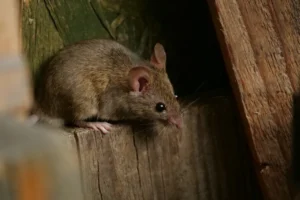
Lab teams even use a “mouse grimace scale” to spot pain. It tracks small changes in a mouse’s face, like squinting eyes, puffed cheeks, and ears pulled back, and vets use it to decide when a mouse needs pain relief.
Mice also show fear in ways you can measure. They freeze, they scramble to hide, and their bodies pump out stress hormones when they’re trapped or handled roughly.
Some people feel less sympathy for mice because they’re pests, and that’s fair, since mice really can spread germs and damage a home. But a mouse that’s a problem for you can still deserve a quick end, and that’s the whole point of picking a trap that works fast.
How Long Does It Take a Mouse to Die on a Glue Trap?
It takes a long time. The UK government has noted that animals can stay alive for at least a day after getting caught, and it can take even longer for them to die.
One animal welfare expert who has studied the subject says that when the public uses glue boards, death usually takes more than 24 hours. The mouse dies slowly from thirst, hunger, blood loss, or sometimes from glue blocking its nose and mouth.
Some mice give up sooner, and some hold on for days. It depends on the mouse, the glue, the temperature, and how badly it’s hurt.
What matters is that there’s no quick end. Compare that to a good snap trap, which usually ends a mouse’s life in a split second.
That gap is the main reason experts treat glue traps as a special case.
It isn’t that mice die on them, since mice die on other traps too. It’s how long the dying takes.
What Vets and Animal Welfare Experts Say About Glue Traps
You don’t have to take my word for any of this. Almost every major animal welfare group has weighed in on glue traps, and they’re almost all on the same side.
A big 2003 review of rodent control methods (done at Massey University in New Zealand) flagged sticky boards as one of the methods with very serious welfare concerns. Later work on rats came to the same conclusion, calling the suffering prolonged and extreme.
The RSPCA, the British animal charity, says glue boards cause severe pain, fear, and stress that can last for hours. It opposes them completely.
The British Veterinary Association calls glue traps cruel because they don’t kill right away, which means hours of agony. Vets in the US and Canada say much the same.
One animal welfare group compared glue traps to leghold traps (the metal-jaw traps used on wild animals), because both leave an animal held in place, scared and hurt, for a long time. Few other pest tools get that kind of comparison.
Why So Many People Still Buy Glue Traps
If glue traps are this bad, why are they still on store shelves? Part of the answer is that most people don’t know what happens on the board.
Glue traps also seem like a kind choice at first. There’s no poison to worry about around kids and pets, and you don’t have to watch a mouse die the way you might with a snap trap.
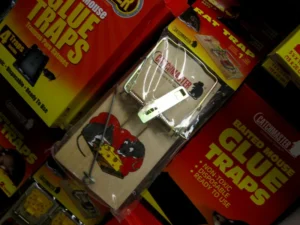
They’re cheap, too, and a pack of a few boards usually costs less than a single electronic trap. Some older pest guides still list glue boards as a safe and low-cost trap for homes, mostly because they use no poison.
Another reason is that people picture a glue trap as a “catch and hold” trap. They figure the mouse will sit quietly until they come to deal with it, when in reality it’s suffering the whole time.
None of those reasons make the traps less cruel, but they explain why smart, kind people end up buying them.
Do Glue Traps Even Work Well on Mice?
They do catch mice, but not always as well as you’d think. Mice are careful animals, and they often sniff around a new object and avoid it, especially if it smells strange.
Dust makes the problem worse (garages and basements are full of it). A board that’s been sitting for a few days gets dusty, and a dusty board loses its grip.
Some mice get just partly stuck and pull free, leaving fur or skin behind. A mouse that escapes with glue on its body can end up stuck again later, or die somewhere hidden in your walls.
Glue boards also catch only the mouse that walks onto them, so they do nothing about the rest of the family. A single mouse often means more are nearby, and a female can have a new litter every few weeks.
Pest controllers know this. That’s why most of them, in places where glue traps are still allowed, use them to check for activity and use other tools to actually fix the problem.
Glue Traps Catch More Than Mice
A glue trap can’t tell a mouse from anything else that crosses it. Wildlife rescuers say they find all kinds of animals stuck on them, so you could end up with a songbird, a chipmunk, a lizard, or even a snake.
WildCare, a wildlife hospital in California’s Bay Area, took in 18 animals stuck on glue traps between January and November of 2024. One of them was a rattlesnake that had slithered across a board.
The Wildlife Center of Virginia has helped free a milk snake from one. In the UK, the RSPCA has rescued robins, owls, buzzards, and even kittens.
Your pets are at risk, too. A cat that pounces on a stuck mouse can end up stuck itself, and a curious dog can get glue on its paws or nose.
Freeing these animals is hard. Wildlife rehabilitators often have to sedate them, then use special oils to loosen the glue, and plenty of them still don’t survive.
If you set a glue trap in a garage, shed, or basement, you’re taking a risk that something else will wander across it. And you won’t know until you look.
Are Glue Traps Dangerous to You and Your Family?
Glue traps can cause health problems too, and it’s an angle people rarely think about. A frightened mouse sheds urine and droppings as it struggles, and those can carry germs like salmonella.
The CDC has cautioned against using glue traps for this reason. If you pick up a stuck mouse or clean the board with bare hands, you could pick up those germs.
Deer mice, which live in sheds, cabins, and barns across much of the US and Canada, can also carry hantavirus. It’s rare, but it’s a serious lung illness, so you should never handle a wild mouse without protection.
Kids are another worry. A board left on the floor looks like a toy or a sticker (to a toddler, anyway), and glue on a child’s hands or hair is hard to get off.
Pets can step in them too. If your cat or dog gets stuck, you may have to cut fur or visit the vet to get the glue off safely.
What Should You Do If a Mouse Is Stuck on a Glue Trap?
First, don’t leave it. A mouse left on a board will keep suffering, so the kindest thing you can do is act quickly.
Don’t drown it, and don’t throw the board in the trash with the mouse still alive. Both of those are cruel, and in some places they can break animal cruelty laws.
The best choice is to call a vet or a wildlife rehabilitator right away. Many vets will humanely put down a mouse for a small fee, and some rehabbers will try to free it if it’s in good shape.
While you wait, put on gloves and move the board into a quiet, dark spot, like a box with a lid. That keeps the mouse calmer and keeps pets away from it.
Some rescuers free stuck mice with vegetable oil, which loosens the glue. That can work, but mice are often too hurt or too weak to survive, so a vet’s opinion matters.
If you do free a mouse yourself, wear gloves and wash your hands afterward. Don’t try to relocate it far from your home without checking your local rules.
Where Glue Traps Are Banned or Limited
More places are putting glue traps on the banned list every year. England made it illegal for the public to set rodent glue traps on 31 July 2024, and Wales and Scotland have their own bans or limits.
Pest controllers in England can still apply for a licence, but only for rare cases where nothing else will work. Even then, they have to check every trap often, which in some cases means every six hours.
New Zealand, Ireland, Iceland, Norway, Germany, the Netherlands, and the state of Victoria in Australia have all banned or restricted them as well. So have most of India’s states.
In the US, there’s no national ban yet, but a bill called the Glue Trap Prohibition Act has been introduced in Congress. A few California cities, including West Hollywood, Ojai, Culver City, Ventura, and Laguna Beach, have banned them, and other states and cities are looking at the idea.
Stores are changing too. Target, CVS, Walgreens, Rite Aid, Dollar General, and Dollar Tree (including its Canadian stores) have stopped selling them, though you can still find glue traps at other shops and online.
What Can You Use Instead of Glue Traps for Mice?
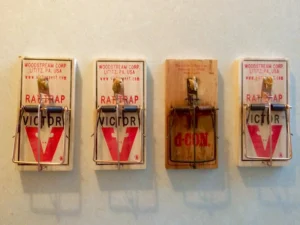
Your best swap is a good snap trap, because it usually ends a mouse’s life in a moment. Pick a sturdy, newer one with a wide trigger, and set it along a wall where you’ve seen droppings.
An electronic trap is another solid choice. The mouse steps into a closed box, gets a short, strong shock, and dies in seconds, and you never have to touch it.
Enclosed snap traps work well if you have pets or small kids. They hide the spring inside a plastic tunnel, so only mice can get in.
Live traps sound kind, but they only make sense if you can check them every few hours. Mice often find their way back, too, so you may be right back where you started.
Whichever trap you use, check it every morning, wear gloves, and don’t leave a trapped mouse sitting around. A quick end is the whole point.
Why Trapping Alone Won’t Fix a Mouse Problem
Even the best trap only deals with the mice you catch. If the way in is still open and the food is still out, new mice will keep arriving, so you’ll be setting traps all winter.
Start by finding out how big the problem is. Look for droppings (they’re about the size of a grain of rice), gnaw marks on boxes and wires, nests made of shredded paper or fabric, and a musky smell in closets and cabinets.
Listen for scratching, too, because mice are most active at night. If you hear it in the walls or ceiling, the mice have probably got a nest nearby.
A good rule is to set several traps along each wall where you see signs, and keep going until you stop catching mice for about a week. Then check again a few weeks later, since a second wave isn’t unusual.
While you do that, work on sealing the entry points. A trap clears out the mice that are already in, and sealing keeps the next ones out.
How to Keep Mice Out So You Don’t Need Traps at All
The best way to avoid cruelty is to stop mice from coming in. Once your house is sealed, you’ll need far fewer traps, and fewer mice will ever have to die.
Mice can squeeze through gaps as small as 1/4 inch, about the width of a pencil. Walk around your house and check around pipes, vents, garage doors, and the foundation.
Stuff any gaps with coarse steel wool (mice can’t chew through it) and then seal them with caulk. Add door sweeps to your exterior doors, and patch any torn window screens.
Mice head indoors when the weather turns cold, so fall is the time to seal up, especially if you live somewhere with long winters like Michigan or Manitoba.
Take away their food, too. Keep flour, cereal, and pet food in glass or hard plastic containers, and don’t leave bowls out overnight.
Bird feeders are a hidden mouse magnet, since mice love sunflower seeds that fall on the ground. Sweep up under feeders, and keep woodpiles and compost bins away from your house.
Conclusion
So, are glue traps cruel to mice? Yes.
A mouse stuck on glue can take a day or more to die, and it spends that time hurt, scared, and unable to eat or drink.
Vets and animal welfare groups all agree on this, and more places are banning the traps every year. They also catch birds, snakes, and pets, and they can put your family at risk of germs.
If you have mice, you have better choices. A good snap trap, an electronic trap, or an enclosed trap does the job far faster.
If you find a mouse stuck on a glue trap right now, don’t leave it there. Call a vet or a wildlife rehabilitator, and put on gloves while you wait.
And once the problem’s under control, seal up the gaps and put the food away. That way, you won’t need any trap at all.

Hi, my name is Ezra Mushala, i have been interested animals all my life. I am the main author and editor here at snakeinformer.com.