
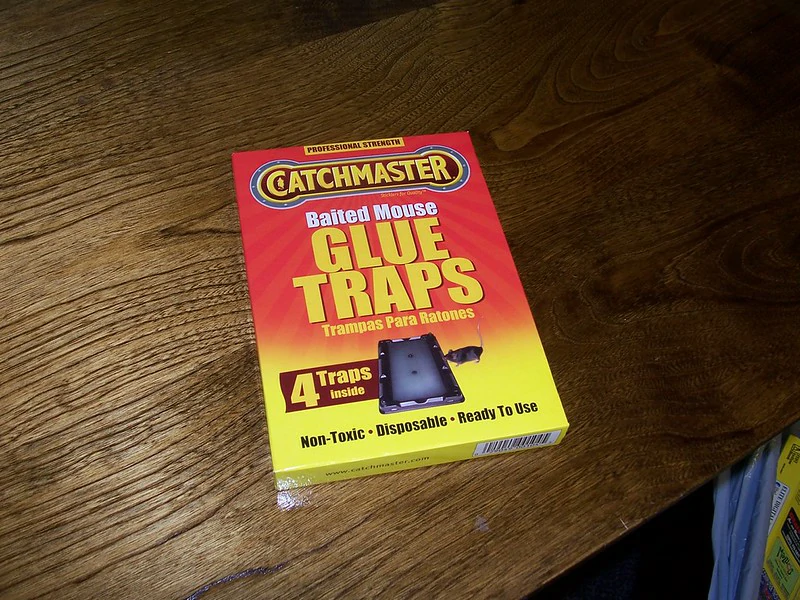
Catchmaster glue traps are everywhere, from the pest aisle of a hardware store to online shops, and they’re often the cheapest way to try to catch a mouse or a few bugs. Before you toss a box in your cart, it’s fair to wonder: are Catchmaster glue traps good?
Catchmaster glue traps are good for catching bugs and checking for pests, but they’re a poor pick for mice. They’re cheap and easy to use, yet they lose their grip in dust and damp, and a stuck mouse suffers for hours or even days.
So the real answer depends on what you need the trap to do. For spiders, roaches, and fruit flies, they can be handy, while for mice they’ve got some big problems.
Here’s an honest look at what these traps do well, where they fall short, and what you might want to use instead.
What Is Catchmaster and What Do They Make?
Catchmaster is a US company that makes glue traps, and it sells both to homeowners and to professional pest controllers. The company describes itself as family-owned, and its pro line is used in restaurants, warehouses, and food plants.
The traps most people buy are the mouse boards.
The 72MAX and the 72MB are mouse-size boards sold in packs of 36 or 72. The 72XL is a long 24 inch board (good for big areas), and the 48ROO is made for rats.
There’s also a whole range of insect traps. You’ll find a fruit fly trap, a roach and insect monitor, a pantry moth trap, spider and insect boards, window fly traps, and hanging fly strips.
They all work the same way. A sticky layer of glue holds anything that crosses it, and there’s no poison, spring, or battery involved.
What Catchmaster Glue Traps Do Well
First, they’re cheap. A big pack of boards often costs less than a single electronic trap, which is a big reason so many people buy them.
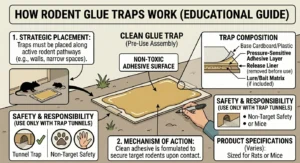
They’re also easy to use. You take one out of the box and put it where the pests travel, with no setting, no baiting, and no spring to snap on your fingers.
The glue is non-toxic, according to the company and its safety sheets, so poison isn’t a worry around kids and pets (a big plus if you’ve got a curious dog). That’s a real edge over rodent bait.
You can also use the boards in a few ways. The company suggests laying them flat, sticking them to a wall, bending them into a U, or folding them into a tunnel.
The glue is said to stay sticky for at least a year in the right conditions. If you only need a trap now and then, that’s handy.
And for pros, they’re useful for monitoring. A board along a wall shows which bugs are around and where they travel, which helps you decide what to do next.
How Well Do Catchmaster Glue Traps Catch Mice?
The honest answer is “it depends,” and customer reviews show it. One person who used the 72XL boards in a garage said they caught a mouse only about one time in four and switched back to plastic tray traps.
Another reviewer, a pest control pro with 12 years on the job, said the boards work great for mice, spiders, and plenty of insects. Other buyers say they caught five mice in a week, or heard a squeak within minutes of lights out.
So why such a mix? Mice are careful, and many will sniff around something new and walk right past it.
Placement matters a lot. A flat board in the middle of a floor is easy for a mouse to avoid. One tight against a wall, where mice run, is much more likely to catch something.
Dust is a big one, too. A dusty garage or basement can coat the glue within days, and a dusty board won’t hold what you catch.
The company suggests spacing mouse boards about 6 to 10 feet apart. That means you’ll need several to cover a room, and the cost adds up faster than you’d think.
Do Catchmaster Glue Traps Work on Bugs, Spiders, and Roaches?
This is where glue traps really shine. Crawling insects walk right onto the boards, and they don’t have the size or the strength to pull free.
Roaches and spiders are the usual catches. A roach monitor tucked behind a refrigerator tells you whether you’ve got German cockroaches, and how many, in just a few days.
Spider and insect boards work well along baseboards (the narrow strip at the bottom of a wall) and in basements, where brown recluses, wolf spiders, and silverfish like to roam.
The fruit fly trap is a small cup-style trap with a lure that draws flies in.
Pantry moth traps use a scent to bring in male moths, so you can tell if moths are in your cupboards. The window fly traps catch house flies that land on the glass.
For most of these, think of the trap as a spy and not a cure. It shows you what’s there, but you’ll still need to fix the cause, like leaks, crumbs, or open food.
Where Catchmaster Glue Traps Fall Short
For all their perks, glue boards have some real weak spots. The biggest is that they lose stickiness fast in the wrong spots.
Dust and humidity both make the glue less sticky (which is why damp basements are tough). Catchmaster says its boards are meant for indoor use, and moisture and weather outside can ruin the glue.
Heat can also be a problem (like an attic in July), because warm glue can soften and run. Cold garages may make the glue stiff and less grabby, too.
Once a board catches something, it’s done. You have to throw the whole thing away, and that adds up if you’ve got a lot of mice.
Some boards also have a scent that you might not like. A few buyers said their boards smelled strongly of peanut butter and didn’t seem to attract mice at all.
And then there’s the mess. Open boards catch dust, stray bugs, and sometimes your own fingers, and a dead mouse on a board can start to smell if you don’t check it.
Are Catchmaster Glue Traps Cruel?
This is the part most reviews skip, so let’s be clear. For mice, glue traps are cruel, and the evidence is strong.
A mouse stuck on a board panics and pulls, and it can tear its skin or break its legs. Vets and animal welfare groups say it can take a day or longer to die, from thirst, hunger, blood loss, or exhaustion.
That’s why England, Wales, Scotland, New Zealand, Ireland, and other places have banned or limited glue traps. It’s also why a few California cities have banned them, and why stores like Target, CVS, and Walgreens stopped selling them.
Glue traps also catch whatever crosses them. Wildlife rescuers find songbirds, lizards, chipmunks, and snakes stuck on boards, and your cat or dog could get stuck too.
For bugs, the picture is less clear, but the research on insect pain is growing. Flies and cockroaches show signs that may point to pain, and a glue trap leaves them stuck for hours.
So are Catchmaster glue traps good? For the job of catching mice, most experts would say no, because there are quicker and kinder tools.
Are Catchmaster Glue Traps Safe for Pets and Kids?
They’re non-toxic, so they won’t poison a curious pet or child. The safety sheets list them as non-hazardous, and the company says the glue contains no pesticides.
But non-toxic doesn’t mean harmless. The glue is very sticky, and it grips skin, hair, and fur.
If a dog swallows a board, the cardboard or plastic could block its gut, and that needs a vet. A toddler who finds a board on the floor could end up with glue on their hands or face.
The best way to avoid trouble is to put traps where pets and kids can’t reach them. Think behind the fridge, inside closed cabinets, and under heavy furniture.
If a pet or child does get stuck, use cooking oil or mineral oil to loosen the glue. Don’t pull, and wash the spot with soap and water afterward.
How Do Catchmaster Glue Traps Compare to Snap and Electronic Traps?
Here’s a quick side-by-side so you can see how they stack up.
| Trap type | Cost | How it kills | Reusable? | Best for |
|---|---|---|---|---|
| Catchmaster glue board | Low | It doesn’t, the animal dies slowly | No | Monitoring bugs and spiders |
| Snap trap | Low | Quick strike, usually in a moment | Yes (or cheap to replace) | Mice in most homes |
| Electronic trap | Higher | Short shock, usually within seconds | Yes | Mice, when you don’t want to touch them |
| Enclosed snap trap | Low to medium | Quick strike inside a tunnel | Yes | Homes with pets or kids |
The big takeaway is speed. A good snap trap or electronic trap usually ends a mouse’s life in a split second, while a glue board leaves it suffering.
Snap traps also tend to catch more mice. Pest pros reach for them first, so you’ll often see them recommended, and the University of California’s pest program calls them a useful tool for house mice.
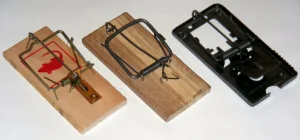
Electronic traps cost more up front, but you never have to touch the mouse. They also work well around kids, since the plates sit inside a closed box.
For insects, glue boards hold their own. A fly swatter or a cup and card does the job for a single bug, but a board is hard to beat for watching a roach problem.
When a Catchmaster Glue Trap Makes Sense
There are a few cases where a glue trap is a fair pick. If you want to know whether you’ve got German cockroaches, a board behind the fridge will tell you in a few days.
A board in a basement or a storage room can show which spiders and silverfish are around. A pantry moth trap tells you whether moths are in your flour and cereal.
A fruit fly trap near the fruit bowl helps you see if flies are breeding in your kitchen (especially in summer). Window fly traps help in places where flies keep coming in.
Pest controllers also use boards in restaurants and warehouses, where they check them often and use them alongside other steps. That’s a very different use from leaving one on a garage floor.
Where a glue trap doesn’t make sense is outdoors, in garages with open doors, and around pets. It’s also a poor choice for mice if you care how they die.
How to Get the Best Results If You Use One
If you decide to use a Catchmaster board, a few habits will help it work and keep the risk down. Start by keeping it indoors and dry, since moisture and dust ruin the glue.
Put mouse boards flat against a wall where you’ve seen droppings (with the long side touching the baseboard). Mice run along edges, so that’s where they’ll cross.
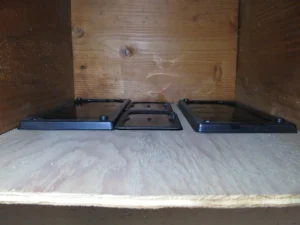
Fold a board into a tunnel or box shape if you can. This keeps dust off the glue, and it makes it harder for a pet’s paw or a bird to reach it.
Use several boards, spaced about 6 to 10 feet apart. One lonely board in a big room won’t catch much.
Check every board every day, and wear gloves when you handle one. A trap you don’t check turns into a long, slow death for any animal stuck on it.
Replace boards when they’re dusty or no longer sticky. If you see a pet or wild animal stuck, treat it as an emergency and call a vet or a wildlife rehabilitator.
What Should You Do If You Catch a Mouse on a Catchmaster Board?
First, don’t leave it. Every hour it sits there is more suffering, so act as soon as you find it.
Put on gloves, and move the board into a quiet, dark spot like a box with a lid. That keeps the mouse calmer while you make a plan.
Call a vet or a wildlife rehabilitator right away. Many vets will humanely put a mouse down for a small fee.
Don’t drown it, and don’t throw the board in the trash with the mouse still alive. Both of those are cruel, and in some places they break animal cruelty laws.
Catchmaster itself doesn’t recommend using its boards to catch animals alive. Afterward, wash your hands well and clean the area with disinfectant, since a stuck mouse can leave behind germs.
What Are Better Options Than Catchmaster Glue Traps for Mice?
If you’re dealing with mice, a good snap trap is the best swap. It’s cheap and fast, and it usually ends a mouse’s life in a moment.
Set several along walls where you see droppings, with a pea-sized dab of peanut butter on each trigger. Check them every morning.
An electronic trap is another solid choice. The mouse steps into a closed box and dies within seconds, and you never have to touch it.
An enclosed snap trap is great if you’ve got pets or small kids. The spring is hidden inside a plastic tunnel, so only a mouse can get in.
Whatever trap you pick, seal the entry points too. Mice can squeeze through a gap 1/4 inch wide (about the size of a pencil), so plug holes with steel wool and caulk.
Store food in glass or hard plastic, sweep up crumbs, and keep your trash lidded. Do that, and you’ll need far fewer traps.
Conclusion
So, are Catchmaster glue traps good? It depends on the job.
For bugs, spiders, and checking for roaches or pantry moths, they’re cheap, simple, and handy.
For mice, they’re a weak choice. They lose their grip in dust and damp, and they cause slow suffering that vets and welfare groups call cruel.
They’re non-toxic, which is good news for kids and pets. But a sticky board can still hurt a curious animal, and it can catch birds and lizards you never meant to trap.
If you use one, keep it indoors, keep it out of reach, and check it every day. If you’ve got a mouse problem, a snap trap or an electronic trap will do the job faster, and sealing up your home will keep the next one out.

Hi, my name is Ezra Mushala, i have been interested animals all my life. I am the main author and editor here at snakeinformer.com.