
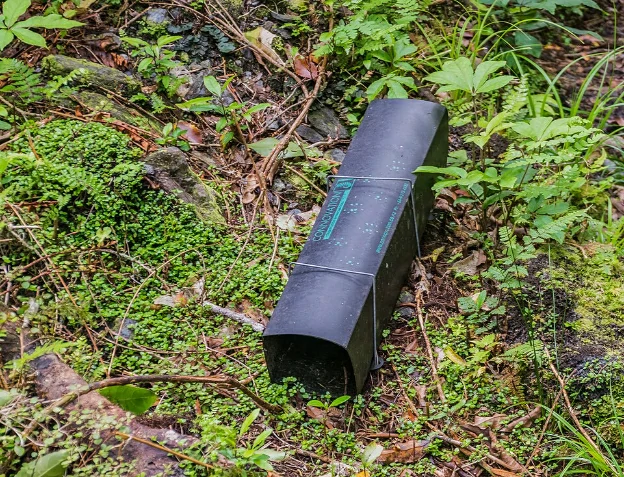
Live catch traps get marketed as the humane choice, the option that lets you deal with a mouse problem without hurting anything. You bait it, you catch the mouse, you let it go somewhere else, and everybody walks away fine.
But is that actually true, or is “humane” doing a lot of heavy lifting in the marketing? Are humane mouse traps, glue traps rebranded as gentler tools included, actually humane once you look past the label?
Live catch traps are genuinely less violent than glue traps, poison, or snap traps, since they don’t injure or kill the mouse directly. Still, they come with real welfare problems of their own, mainly severe stress during capture and very low survival rates once the mouse is released somewhere unfamiliar.
So “humane” isn’t really false advertising, but it’s not the full picture either. A live trap avoids the obvious cruelty of a glue board or poison.
Still, it trades that for a different kind of harm that’s much less visible.
What “Humane Mouse Trap” Actually Means
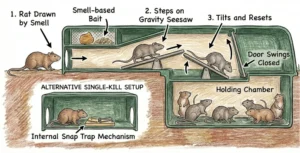
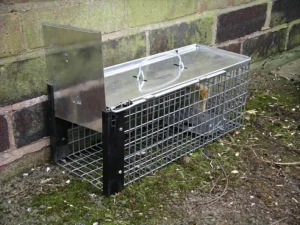
When a product is labeled a humane mouse trap, it almost always means a live catch trap. The mouse walks in, a door closes behind it, and it’s stuck inside a small chamber until you let it out.
This is different from a glue trap, glue board, or sticky trap. Those get sometimes lumped into the same “no kill” marketing category even though they clearly aren’t.
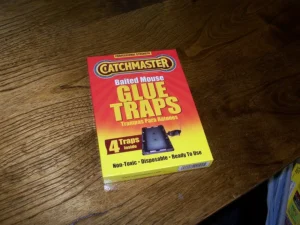
A glue trap doesn’t release the animal, it just holds it until it dies slowly.
Genuine humane traps don’t use adhesive, poison, or a striking mechanism at all. They rely purely on the mouse walking into an enclosed space it can’t get back out of.
Some versions catch one mouse at a time. Others, called multi-catch traps, are designed to hold several mice at once until you check and empty them.
The Real Problem: Capture Stress
The moment a mouse gets trapped, its body reacts the way any small prey animal’s body would. It panics.
Wild mice have a strong startle response, and being suddenly enclosed in a small space triggers a real physiological stress reaction, not just a behavioral one.
Researchers who study stress in wild rodents have documented a condition called capture myopathy. This is where the stress and physical exertion of being captured actually damages muscle tissue.
In severe cases, this can be fatal on its own, even without any direct injury from the trap.
This isn’t unique to mice. It’s been documented across a wide range of wild animals, and it’s one of the leading causes of death during wildlife capture and relocation efforts more broadly.
For a mouse in a small live trap, that stress response doesn’t get much of a chance to calm down either. It’s stuck in an unfamiliar, enclosed space with no way to escape until someone lets it out.
Multi-Catch Traps Have a Specific Risk Most People Don’t Know About
Multi-catch live traps, the ones designed to hold several mice at once, come with a welfare problem that single-catch traps don’t have.
If a trap isn’t checked often enough, mice caught early on can end up trapped alongside newly caught mice for hours or even days.
Without food or water, this creates real risk of starvation or dehydration for whichever mouse got caught first.
There’s also a crowding issue. Multiple stressed mice held in a small space together can lead to fighting, especially if the mice aren’t related or familiar with each other.
If you use this kind of trap, checking it at least once a day, ideally more often, matters a lot more than it does with most other trap types.
Releasing a Mouse Doesn’t Guarantee It Survives
This is really the part that surprises most people. Catching a mouse alive feels like the end of the story.
For the mouse, though, the hardest part might still be ahead.
Research on relocating wild rodents has consistently found that survival rates after release are often quite low.
A mouse dropped into unfamiliar territory doesn’t know where the food is, where to hide from predators, or where any of the local threats actually are.
House mice in particular are territorial and tend to live in small, established home ranges.
Moving one even a short distance away can put it in direct competition with mice that already control that territory, which often ends badly for the newcomer.
Cold weather adds another layer of risk. A mouse released outside during winter, without the shelter and food sources it’s used to, has a much harder time surviving than one released during warmer months.
None of this means live traps are pointless. It just means catch and release doesn’t automatically guarantee the mouse goes on to live a long life somewhere else.
How Humane Traps Compare to Other Methods
It helps to see this next to the other common options, since “humane” is relative here, not absolute.
| Method | Direct Injury Risk | Main Welfare Concern |
|---|---|---|
| Live catch trap | Low | Capture stress, low survival after release |
| Snap trap (well designed) | None, if it works correctly | Injury if poorly placed or designed |
| Electronic trap | None | Cost and limited catch capacity |
| Glue trap / glue board / sticky trap | High | Slow death from exhaustion or starvation |
| Poison | High | Days of internal bleeding before death |
Compared to a glue trap or poison, a live catch trap is clearly the gentler option. It doesn’t cause the same drawn-out physical suffering that those two methods do.
Compared to a well designed snap trap, though, the picture is more mixed.
A snap trap that works correctly kills in seconds. A live trap, on the other hand, subjects the mouse to ongoing stress for however long it takes you to release it, plus whatever risk comes after release.
Why Some Vets and Welfare Groups Still Recommend Live Traps
Even with these downsides, a lot of veterinarians and welfare organizations still consider live traps a reasonable option for people who don’t want to kill anything.
Part of this comes down to what the alternative actually is. If someone is choosing between a glue trap and a live trap, the live trap is clearly the better choice for the animal, even with its own problems.
The other part is that a lot of the risk with live traps comes down to how you use them, not the trap itself.
Checking it often, releasing the mouse quickly, and choosing a release spot with decent food and shelter all lower the real world risk quite a bit.
This is different from glue traps or poison, where even ideal use still results in a slow, painful death. With a live trap, careful use genuinely changes the outcome for the mouse.
Where and How to Release a Mouse for the Best Odds
If you’re using a live trap and actually want to give the mouse a fair shot, a few things make a real difference.
Release it as soon as possible after catching it, ideally within a few hours rather than letting it sit in the trap overnight. The longer it’s stuck, the more stressed and dehydrated it becomes.
Choose a spot with some natural cover, like near a hedge, wood pile, or field edge, rather than an open area with no shelter. This gives it somewhere to hide from predators right away.
Releasing too far from your home isn’t actually necessary. Driving a mouse many miles away just adds more stress and transit time without much added benefit.
Something in the range of a few hundred yards to half a mile from your house is usually enough. Avoid releasing during extreme heat or cold, if you can help it, since the mouse will already be stressed from capture and handling.
Are Humane Traps Actually Effective at Solving a Mouse Problem?
Even setting welfare completely aside, it’s worth asking whether live traps actually solve the problem you’re dealing with.
Live traps work fine for catching a mouse or two, but they don’t address why mice are getting into your home in the first place.

If there’s still an easy food source and an open entry point, more mice will simply move in to replace the ones you released.
Mice also reproduce quickly. A female house mouse can have a new litter roughly every three weeks under good conditions, with five to six pups per litter.
Because of that, relying on trapping alone rarely keeps pace with a growing population.
Sealing up entry points, cutting off food sources, and keeping your home clean will do far more to actually solve a mouse problem long term than any single trap, humane or otherwise.
Is There Such a Thing as a Truly Humane Way to Deal With Mice?
If avoiding any harm to the mouse at all is genuinely your goal, prevention is really the only method that gets you there.
Sealing entry points before mice ever get inside means you’re not dealing with capture, relocation, or killing at all.
Mice can squeeze through gaps as small as a quarter inch, roughly the width of a pencil, so even small cracks around pipes, vents, and door frames are worth checking.
Steel wool works well for sealing these gaps, since mice can’t chew through it the way they can chew through plastic or foam. Caulk works well for smaller cracks that don’t need the extra strength.
Removing food sources, keeping food in sealed containers, and cleaning up crumbs or spills quickly also makes your home a lot less appealing to mice before they ever move in.
This approach doesn’t help with mice that are already inside. Still, it’s genuinely the closest thing to a harm-free solution, since it avoids trapping, capturing, or killing anything at all.
What About “Humane” Kill Traps?
A newer category of product markets itself as a humane kill trap, usually referring to a well designed snap trap or an electronic trap rather than a live catch trap.
This is a slightly different use of the word “humane” than most people expect. It doesn’t mean the mouse survives, it means the death itself is fast and involves minimal suffering.
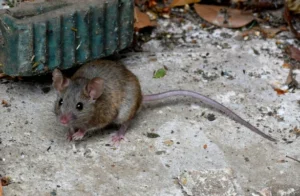
That’s actually a legitimate use of the term in animal welfare research, even though it sounds like a contradiction at first.
Veterinary and welfare organizations, including the RSPCA, generally support this framing. A quick, clean death is considered more humane than a slow one, even though the mouse doesn’t survive either way.
If avoiding killing the mouse at all matters more to you than avoiding suffering specifically, a live catch trap, used carefully, is still the better fit.
If a fast, low suffering death is an acceptable outcome for you, a well designed snap trap or electronic trap gets there more reliably than a live trap does.
Do Humane Traps Work on Both Mice and Rats?
Most humane live catch traps sold for home use are sized specifically for mice, and rats need a different, larger version to work properly.
A mouse-sized live trap is usually too small for a rat to trigger correctly, and even if it did get caught, the confined space could cause injury given a rat’s larger size.
If you’re dealing with rats rather than mice, look specifically for a trap labeled for rat use.
The mechanism works the same way, just built to a bigger scale, and the same welfare considerations around capture stress and quick release still apply.
What Makes One Humane Trap Better Than Another
Not all live catch traps are built the same way, and the design actually affects how much stress the mouse experiences while it’s inside.
Look for a trap with air holes, so the mouse can breathe comfortably and doesn’t overheat while it waits to be released. Some cheaper traps skip this detail entirely, which turns a short wait into a genuinely unpleasant one.
A trap with a smooth, escape-proof interior also matters, since a mouse clawing at rough edges trying to get out adds unnecessary stress on top of the stress of being caught in the first place.
Size matters too. A trap that’s too small for the mouse to move around in adds physical discomfort to the mental stress it’s already dealing with.
Reviews and product descriptions that mention “no-touch release” are worth looking for as well, since this usually means you can open the trap and let the mouse go without handling it directly, which lowers stress for both of you.
A Common Myth: Do Released Mice Just Find Their Way Back Home?
A lot of people assume a released mouse will simply turn around and walk back into your house, so trapping feels pointless from the start.
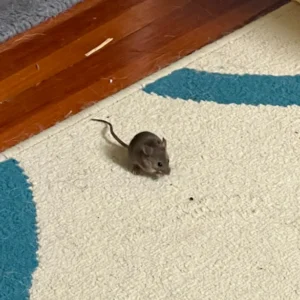
This isn’t really true for most releases. House mice do have some homing ability over very short distances, but once you’re a few hundred yards away, the chances of a specific mouse finding its way back to your exact house are low.
What actually happens more often is that a different mouse moves into the space the first one left behind, since the entry point and food source are both still there.
This can look like the same mouse “coming back,” when really it’s a new one taking advantage of the same opportunity.
This is really the strongest argument for pairing any trap, humane or otherwise, with sealing up entry points. Removing the mouse without closing the gap it used just leaves an opening for the next one.
Conclusion
Are humane mouse traps actually humane? Mostly, yes, especially compared to the alternatives. Live catch traps avoid the direct injury and prolonged physical suffering that glue traps, glue boards, sticky traps, and poison all cause.
That said, “humane” doesn’t mean risk-free for the mouse. Capture stress is real, and once you factor in low survival rates after release, a live trap isn’t quite the harm-free option the marketing sometimes suggests.
The good news is that a lot of this risk is within your control. Checking the trap often, releasing the mouse quickly, and choosing a release spot with decent shelter all genuinely improve its odds.
If your goal is avoiding harm to mice altogether, sealing up entry points and removing food sources gets you closer to that than any trap ever will, humane or otherwise.
If you do need to trap, a live catch trap, used carefully, remains a solid, genuinely more humane choice than glue traps or poison.

Hi, my name is Ezra Mushala, i have been interested animals all my life. I am the main author and editor here at snakeinformer.com.