
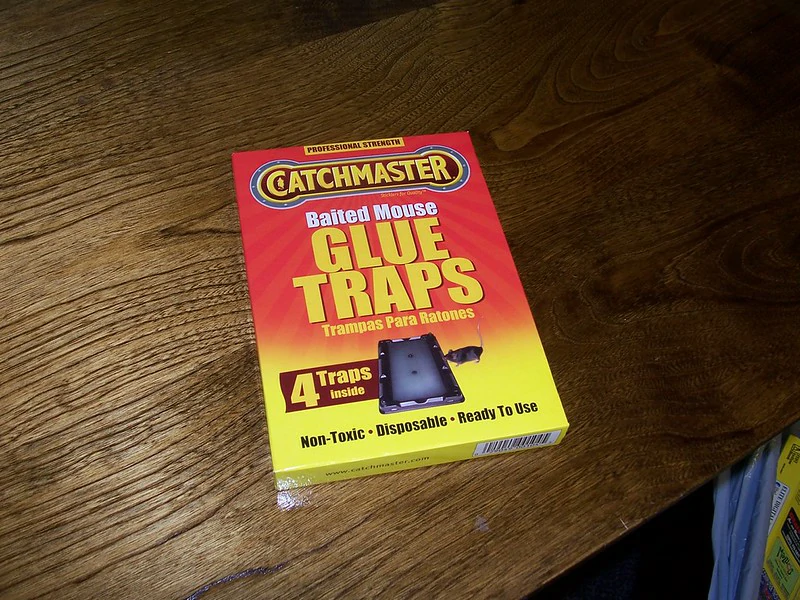
If you’ve got a mouse problem, you’ve probably stood in the pest control aisle staring at two very different options. On one side, you’ve got glue traps, also called glue boards or sticky traps, flat sheets coated in a thick adhesive.
On the other, the classic spring loaded mouse trap that’s been around for over a century. So which one actually works better, are glue traps better than mouse traps?
No, glue traps generally aren’t better than snap style mouse traps. Snap traps kill faster and catch mice more reliably, and you can reuse them again and again. Glue traps (or glue boards) are cheaper and easier to place in tight spots. But they trap mice alive, often for hours or days. Pest professionals usually rate snap traps as the better overall choice.
That’s the short version. But there’s more worth knowing if you want to pick the right tool for your actual mouse problem.
How Glue Traps Actually Work
A glue trap, sometimes called a sticky trap or glue board, is about as simple as pest control gets, a flat tray, usually cardboard or plastic, coated in an extremely sticky, non drying adhesive.
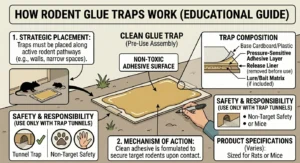
You set it down along a wall or in a corner where mice tend to run. When a mouse crosses it, its feet stick to the surface.
The more it struggles, the more of its body gets stuck. Most mice caught this way don’t die quickly.
Death usually comes from exhaustion or dehydration. In some cases it’s suffocation, if the glue covers the mouse’s nose.
This can take anywhere from several hours to a few days. It really depends on how often you check the trap.
How Snap Traps Work, and Why They’re Different
A snap trap, sometimes just called a mouse trap, works on a completely different idea. You set a spring loaded bar and bait the trigger, and when a mouse takes the bait, the bar snaps down fast.
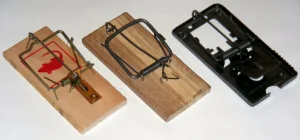
When it works correctly, the mouse dies almost instantly from the impact.
That’s the biggest practical difference between the two trap types. One is designed to kill quickly, the other is designed to hold the mouse in place until it dies on its own.
Are Glue Traps More Effective at Catching Mice?
Not necessarily, and this actually surprises a lot of people. You’d think a trap covered in strong adhesive would be a sure thing.
But mice are smarter about avoiding these traps than you might expect. They have sharp senses and can often pick up on the smell or feel of adhesive before they fully commit to walking across it.
Dust, dirt, or moisture on the trap’s surface can also weaken the glue over time, which makes it easier for a mouse to escape.
Even a partial catch is common, where a mouse gets one foot stuck, pulls free, and never goes near that spot again. Snap traps don’t have this problem in the same way.
Once triggered, there’s no escaping. As long as it’s placed well and baited properly, a snap trap tends to actually remove mice from your home instead of just catching them for a moment.
Snap Traps Are Reusable, Glue Traps Aren’t
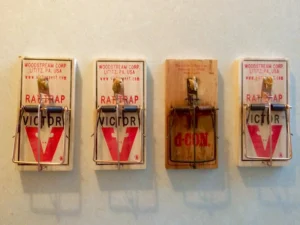
This is one of the more practical differences, and it matters if you’re dealing with more than a single mouse. A snap trap can be reset and used again right after you dispose of the mouse.
You just need to rebait it and put it back in place. A glue trap is a one time deal, once a mouse is stuck to it, that trap is done.
You’ll need a fresh one for the next mouse.
That means costs add up fast if you’re dealing with an actual infestation rather than just one wandering mouse. If you’ve got a serious mouse problem, you could easily go through a dozen or more glue boards before things are under control.
That same job might only need two or three snap traps, reused as needed.
Which Trap Is Cheaper Upfront?
Glue traps usually win here, at least on the sticker price. A pack of sticky traps is often less expensive than a pack of snap traps.
That’s part of why they’re such a popular choice for a lot of households. However, cheaper upfront doesn’t always mean cheaper overall.
Since glue traps only work once, the real cost per mouse caught can end up similar to snap traps, or even higher. Snap traps cost a bit more per unit, but since you can reuse them, that cost evens out fast, especially with repeat mouse activity.
Glue Traps Are Easier to Place in Tight Spots
One place glue boards genuinely have an advantage is placement, since they’re thin and flexible enough to fold or cut them to fit into narrow gaps.
This makes them a popular backup option in spaces where a mouse trap’s mechanism can’t physically fit. Snap traps need a bit more room to work properly, since the bar needs space to swing down without hitting anything.
If you’re dealing with a tight crawlspace or a narrow gap behind an appliance, a glue trap might genuinely be your best tool for that one spot. Even if it’s not the better option overall.
Which Trap Is More Humane?
This is where the two trap types really diverge, and it’s a big reason a lot of people move away from glue traps once they understand how they actually work.
A snap trap, when set properly, is designed to kill a mouse almost instantly. There’s very little suffering involved when it functions as intended.
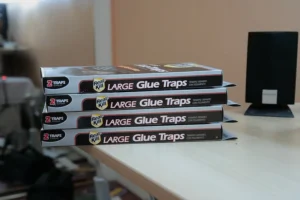
A glue trap doesn’t have that same design goal. It’s built to trap, not to kill quickly, which means the mouse is often left alive and struggling for a long stretch of time.
Wildlife groups and pest control experts widely point to this as the main reason snap traps are considered the more humane option.
Even people who don’t feel too sentimental about mice tend to find that pretty unpleasant once they see it firsthand.
Cleanup and Disposal Differences
With a snap trap, you’ll need to remove the dead mouse yourself, which some people find unpleasant, then reset the trap for next time. With a glue trap, the mouse stays attached to the board.
That means you can just wrap the whole thing up and throw it away without direct contact. For some people, that hands off disposal is a real selling point, you never actually have to touch the mouse.
However, if the mouse is still alive when you find it, which happens often with glue boards, you’re now faced with a harder decision.
Snap traps skip this problem entirely, since the mouse is already gone by the time you check the trap.
Do Glue Traps Catch Other Animals By Accident?
Yes, and this is one of the lesser known downsides of glue boards. Because the adhesive doesn’t care what touches it, glue traps can catch more than just mice.
Small lizards, insects, birds, and even curious pets have all ended up stuck to glue traps placed outdoors or near entry points. Snap traps aren’t entirely risk free either, since a curious pet or a child’s fingers could trigger one.
However, the risk with a glue trap tends to be broader, since it catches anything that walks across it, not just what you were targeting.
This is part of why some wildlife rehabilitators specifically warn against using sticky traps outdoors, or in areas where other animals might wander through.
Do Mice Learn to Avoid Traps?
This is something a lot of people don’t expect, but yes, mice can get trap shy over time. If a mouse escapes a glue trap, or watches another mouse get caught, it may start avoiding that spot entirely.
This is actually more of a problem with glue traps than snap traps. Since glue traps rely on the mouse not noticing the sticky surface until it’s too late, a mouse that’s had a close call once is a lot more careful the second time.
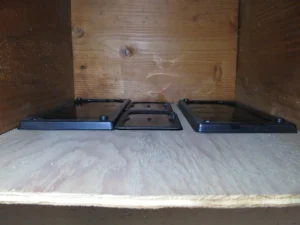
Snap traps don’t really give a mouse the same chance to learn and adapt. Since the trap either works or it doesn’t, there’s rarely a survivor around to pass on the lesson.
This is part of why pest professionals sometimes recommend switching up trap types or locations every so often. If mice in your home have gotten used to seeing the same glue boards in the same spots, try moving to snap traps.
Just repositioning things can catch mice that have wised up.
Do You Need Bait for Either Trap?
Bait isn’t strictly required for either type, but it changes how well each one works. Glue traps can catch mice without any bait at all, just from a mouse walking along a wall and crossing the sticky surface.
Still, adding a small dab of peanut butter or a bit of dry cereal to the center tends to help. It gives the mouse a reason to stop right where the glue is thickest.
Snap traps really do benefit from bait, since the whole mechanism depends on the mouse interacting with the trigger. Peanut butter, chocolate, or even a small piece of bacon tend to work better than the block of cheese you see in cartoons.
Mice are drawn more to fatty, high calorie foods than to cheese specifically. Whichever trap you use, placing bait correctly matters just as much as the trap itself.
A trap set along a wall where mice actually travel will always outperform the same trap tucked into a random corner of a room.
Where Should You Place Each Type of Trap?
Mice tend to stick close to walls and edges rather than crossing open floor space, so that’s where both trap types work best. Look for signs of mouse activity first, droppings, gnaw marks, or greasy little smudges along baseboards.
These spots tell you exactly where mice are already moving through. Glue traps work well tucked into narrow gaps, behind appliances, or along the base of cabinets.
Their thin, flexible shape is genuinely useful there, while snap traps need a bit more open space to function properly, since the bar needs room to swing down without hitting anything.
Placing one perpendicular to a wall, with the trigger end facing the wall, tends to work better than laying it flat against the baseboard. For either trap, avoid spots with a lot of foot traffic from people or pets.
It’s safer, and mice tend to avoid busy routes anyway.
Which One Should You Actually Use?
If your main goal is fast, effective mouse control with a lower cost per mouse caught, snap traps come out ahead in most comparisons. They kill quickly, they’re reusable, and pest professionals tend to recommend them as the more reliable first choice.
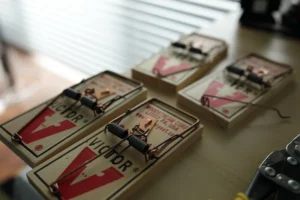
Glue traps still have their place though, especially for tight, narrow spots where a snap trap physically won’t fit. Or as a temporary backup while you figure out a longer term plan.
Just know going in that a glue board is more likely to result in a mouse left alive and struggling for a while before you find it. If that’s something you’re not comfortable with, a snap trap is probably going to suit you better.
What About Just Using Poison Instead?
It’s worth mentioning, since it often comes up in the same conversation. Poison baits work differently from both glue traps and snap traps, since they rely on the mouse eating bait and dying later, often somewhere you can’t see.
This means a poisoned mouse can die inside a wall or under the floor, leading to a smell that lingers for days. Poison also comes with its own risk to pets and kids if it’s not placed carefully.
Between the three, snap traps and glue traps both let you see exactly what you caught and where. A lot of homeowners actually prefer that over the guesswork that comes with poison.
A Quick Word on Multiple Mice
One thing worth keeping in mind with either trap type is that mice rarely travel alone. If you’ve caught one, there’s a good chance more are nearby.
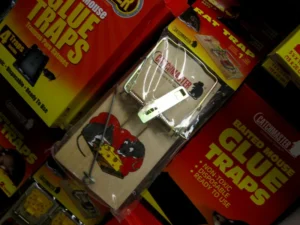
Mice breed quickly and often live in small family groups close to a food source. This is why pest professionals usually set several traps at once, whether that’s snap traps, glue traps, or a mix of both.
Relying on just one and waiting is rarely enough. Checking your traps regularly, ideally once or twice a day, matters no matter which type you use.
This limits how long a mouse suffers on a glue trap, and it also keeps a snap trap ready to reset fast.
Can You Combine Both Trap Types?
Yes, and a lot of people dealing with a real mouse problem end up doing exactly that. There’s nothing wrong with setting a few snap traps along main runways while also placing a glue board or two in a spot too tight for anything else.
Using both gives you better coverage overall, since you’re not relying on one single method to catch every mouse moving through your home.
Just keep in mind that checking every trap regularly still matters, no matter how many types you’re running at once. A forgotten glue trap left unchecked for days is worse than not using one at all.
Conclusion
Glue traps and snap traps both catch mice, but they don’t do it the same way. They’re not equally effective once you look past the price tag.
Snap traps tend to kill faster, catch mice more reliably, and cost less over time since you can reuse them again and again. Glue traps, or glue boards, are cheaper upfront and easier to squeeze into tight spaces.
But they leave a mouse stuck and struggling, often for hours, before it dies. That difference matters to a lot of people once they understand what actually happens after a mouse gets caught.
If you’re picking between the two, snap traps are generally the better all around choice for most households. Glue traps still have a narrow use case, mainly tight spots where nothing else fits, but they come with real downsides worth thinking through first.
Whichever trap you choose, checking it often and setting more than one at a time will get you through a mouse problem a lot faster than relying on a single trap and hoping for the best.

Hi, my name is Ezra Mushala, i have been interested animals all my life. I am the main author and editor here at snakeinformer.com.