
If you’ve ever set out a glue trap to deal with a mouse problem, you might not have thought too hard about what happens after the mouse actually gets stuck.
Glue traps, also called glue boards or sticky traps, are marketed as a simple, no mess way to catch rodents.
But once you look past the packaging, a harder question comes up: are glue traps cruel?
Yes, glue traps are widely considered cruel by veterinarians, animal welfare groups, and wildlife researchers. Mice and rats caught on a glue trap don’t die quickly. They’re stuck alive, often for many hours or even days, and can suffer from exhaustion, dehydration, and in some documented cases, self inflicted injuries while trying to break free.
That’s the short answer. But there’s a lot more worth understanding about why glue boards work the way they do, what actually happens to a trapped animal, and what your other options look like if you’d rather avoid all of this entirely.
How a Glue Trap Actually Catches an Animal
A glue trap, or sticky trap, is a flat board made of cardboard or plastic coated in a thick, non drying adhesive. It’s placed along a wall or in a corner where mice tend to travel.
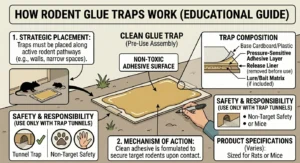
When a mouse or rat steps onto it, its feet stick immediately. From there, things get worse fast.
The animal’s instinct is to struggle and pull away, but every movement presses more of its body into the glue. A trapped leg becomes a trapped side, then a trapped face, all within minutes.
This isn’t a design flaw. It’s exactly how the trap is supposed to work.
What Happens to an Animal Stuck on a Glue Board
This is really the center of the whole cruelty question, so it’s worth walking through directly. Once an animal is stuck, it doesn’t die right away.
Researchers who’ve studied glue traps closely, including a widely cited 2003 review by Mason and Littin, found that trapped rodents can suffer from torn skin, pulled out fur, and even broken limbs from their own struggling.
If the glue reaches the mouth or nose, the animal can suffocate. If it doesn’t, death usually comes later, from dehydration, starvation, or plain exhaustion, and that process can take a day or longer if the trap isn’t checked often.
Animal welfare groups like the RSPCA and the NSPCA have both described trapped animals being found covered in a mix of glue and their own waste, a sign of how long some of them were left struggling before anyone noticed.
Why Vets and Welfare Groups Call Glue Traps Inhumane
This isn’t just one group’s opinion. It’s a position shared across a wide range of veterinarians, wildlife researchers, and animal protection organizations.
Winnipeg veterinarian Dr. Jonas Watson has described glue traps as an outdated approach that causes real, unnecessary suffering.
RSPCA scientific officer Evie Button has said the way these traps are designed to work, by sticking an animal’s limbs as it crosses the board, inflicts pain and distress by its very nature.
The concern isn’t just about the glue itself. It’s about how long the suffering lasts, and how little control the animal has once it’s stuck.
Unlike a snap trap, which is built to end things quickly, a glue trap is built to hold an animal in place with no clear end point.
Glue Traps Don’t Just Catch Mice and Rats
One part of the cruelty argument that surprises a lot of people is how often glue traps catch animals they were never meant for. Because the adhesive doesn’t discriminate, anything that walks or lands on it can get stuck.
RSPCA officers have reported finding birds, squirrels, and even cats caught on glue boards. Reptiles, amphibians, and insects have also turned up stuck on traps placed outdoors or near entry points.
For an animal that isn’t the intended target, getting caught is often even worse. A glue board built for a small mouse can cause serious injury to a bird trying to free a wing, or a cat pulling at its own fur to get loose.
This is a big part of why several countries and regions have moved to restrict or ban glue traps entirely. It’s not just about rodents specifically, but about how indiscriminate these traps are.
Are All Glue Traps Equally Cruel?
Not exactly, though the differences are more about degree than about the trap being fine either way.
A trap checked every hour or two, where the animal is found and dealt with quickly, causes far less prolonged suffering than one left untouched for days.
Some products marketed as catch and release traps use a weaker adhesive designed to let an animal struggle free after a short time. These are less severe than standard glue traps, but they’re also less reliable at actually catching anything.
The same weak glue that lets a mouse escape also makes it easier to avoid getting stuck in the first place.
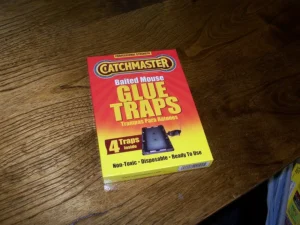
Even the strongest standard glue trap, the kind sold in most hardware and grocery stores, carries a warning most people never read closely.
Product labels for these traps often state outright that the trap isn’t an instant kill device, and that any animal found alive should be humanely euthanized before disposal.
That warning alone tells you a lot about how the manufacturers themselves view the outcome.
What the Pest Control Industry Says
It’s worth including this side of things too, since it’s not a topic where only one perspective exists. Some in the pest control industry have pushed back against glue trap bans.
Their argument is that other common methods, like rodenticide poison, can cause just as much or more suffering, just less visibly.
A poisoned rodent typically dies slowly over several days from internal bleeding, often somewhere out of sight, like inside a wall or under a floor.
From that angle, singling out glue traps while leaving poison largely unregulated doesn’t fully address the bigger welfare picture.
This is a fair point to consider, even if it doesn’t really settle the question of whether glue traps themselves are humane. It just means the whole category of rodent control has some genuinely difficult trade offs, not just glue traps alone.
Where Glue Traps Have Been Banned or Restricted
The cruelty concerns around glue traps haven’t stayed just in the realm of opinion. Several places have passed actual laws restricting or banning their use.
England banned the use of glue traps by the general public under the Glue Traps (Offences) Act 2022. Licensed pest control professionals can still use them under certain conditions.
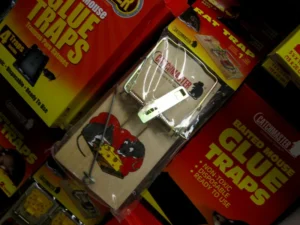
Wales followed with a similar ban. Scotland’s own ban on the use, supply, and possession of glue traps came into force on July 1, 2026, going even further than England’s law.
New Zealand has banned glue traps outright. In Victoria, Australia, sale is restricted to registered pest control professionals rather than the general public.
In the US, several states and cities have introduced or passed similar restrictions in recent years, often citing the same welfare research used in the UK.
This pattern, more restriction rather than less, shows how the scientific and veterinary view on this issue has shifted over time.
It’s not really a case of activists on one side and everyone else on the other. It’s a fairly broad agreement among people who study animal welfare closely.
If You Find a Live Animal on a Glue Trap
If you’ve already set a glue trap and find an animal stuck and still alive, you’ve got two realistic options, and both come with real responsibility attached.
The first is attempting a safe release. Wildlife rescue groups recommend slowly working vegetable oil or mineral oil into the points where the animal is stuck, which helps loosen the adhesive without tearing skin or fur.
This has to be done gently and patiently, since rushing it can cause the exact kind of injury you’re trying to avoid.
Once free, the animal should be kept somewhere warm, quiet, and dark for a short recovery period before being released outdoors, assuming it seems alert and uninjured.
If it’s hurt or seems unable to recover, a wildlife rehabilitator is the better next step rather than releasing it right away.
The second option, if release isn’t realistic or the animal is badly hurt, is humane euthanasia, done quickly rather than leaving the animal to die slowly on its own.
This isn’t a pleasant topic. But leaving an injured, stuck animal to die over hours or days is the outcome that makes glue traps cruel in the first place, so this step matters if you’re going to use one at all.
Why Some People Still Choose Glue Traps Anyway
Despite everything above, glue traps remain common, and it’s worth understanding why rather than just dismissing anyone who uses one. They’re cheap, widely available, and don’t require the mess of removing a dead rodent from a snap trap.
For some people, especially those dealing with a serious infestation and a limited budget, a glue trap feels like the easiest option on the shelf.
Many simply aren’t aware of what actually happens to a trapped animal, since the packaging rarely shows anything beyond a clean, empty looking trap.
Once people do learn what’s involved, a lot of them switch to other methods. That shift in awareness is part of why bans and restrictions have picked up support in recent years.
The disconnect between the packaging and the reality is a big part of the problem.
What You Can Use Instead
If the cruelty concerns are enough to put you off glue traps, and for a lot of people they are, there are other options that don’t come with the same prolonged suffering.
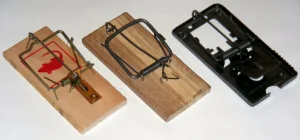
Snap traps, when set correctly, are designed to kill quickly rather than hold an animal in place indefinitely. Electronic traps, which deliver a fast, high voltage shock, are another quick kill option that avoids the slow process glue traps are known for.
Live catch traps are also an option, though they only work if you’re actually willing to check them often and release the animal somewhere appropriate. Leaving a live catch trap unchecked just creates a different version of the same problem.
Beyond traps entirely, sealing up entry points, removing food sources, and keeping a clean kitchen goes a long way toward preventing a rodent problem before it starts.
The CDC specifically points to removing food, water, and shelter as the most effective long term way to keep rodents from becoming a repeat issue in the first place.
Is It Actually Illegal to Use a Glue Trap Where You Live?
This depends entirely on where you are, and it’s worth checking before you buy one. In the US, glue traps remain legal in the vast majority of states.
That’s slowly starting to shift as more lawmakers introduce bills citing the same welfare concerns raised in the UK and elsewhere.
New York has seen legislation introduced specifically targeting glue traps, with sponsors pointing to the same slow death and self injury concerns covered earlier. Similar bills have come up in other states, though as of now, most haven’t passed into law yet.
In Canada, there’s no nationwide ban. But animal cruelty laws in provinces like Ontario have been used by activist groups to challenge retailers directly.
Their argument is that selling glue traps violates existing protections against causing unnecessary animal suffering.
Those cases move slowly through the courts, but they show the same underlying argument seen in places that have already banned the devices outright.
If you’re in the UK, the rules are more settled. Glue traps are banned for general public use in England and Wales, and now Scotland as well, though licensed pest control professionals can still use them in limited situations.
Australia varies by state, with Victoria restricting sales to professionals while other states haven’t introduced similar rules yet.
It’s worth a quick check of your local regulations if you want to know exactly where things stand. This is an area of law that’s moved fast in the past few years and keeps shifting.
Does the Animal’s Size Change How Cruel a Glue Trap Is?
Somewhat, yes. Larger glue traps, the kind sold for rats rather than mice, use even more adhesive spread across a bigger surface, which means a larger animal has more surface area to get stuck to and more time before it becomes fully immobilized.
A rat, being bigger and stronger than a mouse, can sometimes struggle for even longer before exhaustion sets in, which extends rather than shortens the period of suffering.
Smaller animals like young mice or even insects and lizards that wander onto a trap by accident can become fully stuck almost immediately, since their body weight and strength aren’t enough to resist the glue at all.
Either way, the underlying issue stays the same regardless of the animal’s size. The trap doesn’t kill quickly for anyone caught in it, big or small.
That’s really the core of why this method draws so much criticism compared to something like a snap trap, which is built around a completely different goal.
Conclusion
Glue traps aren’t cruel by accident, they’re cruel by design. The whole method depends on holding an animal in place until it dies on its own.
The research on what that process actually involves, from torn skin to self inflicted injuries to slow death by exhaustion or dehydration, is pretty consistent across vets, welfare organizations, and researchers who’ve studied it closely.
That’s part of why England, Wales, Scotland, New Zealand, and a growing number of other places have moved to restrict or ban glue boards entirely. More regions keep considering the same step.
If you’re weighing whether to use one, it’s worth knowing exactly what you’d be signing an animal up for. A quicker, more humane method might get you the same result without the same suffering attached.
Whatever you decide, checking any trap often, and being ready to act quickly if you find an animal still alive, makes a real difference in how much that animal ends up going through.
A little bit of extra effort on your end can turn a slow, painful outcome into a much quicker, more humane one.

Hi, my name is Ezra Mushala, i have been interested animals all my life. I am the main author and editor here at snakeinformer.com.