
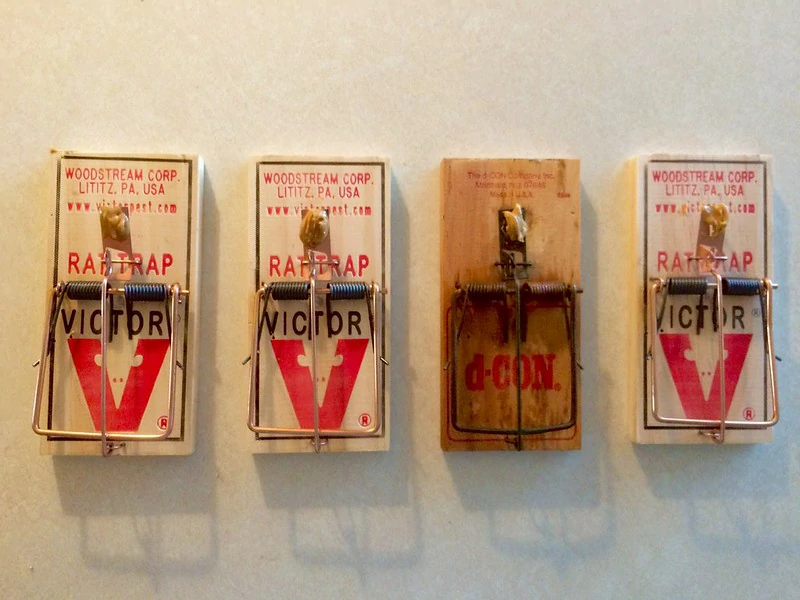
Finding a rat caught in a trap is never fun, but it gets a lot worse when you realize it’s still alive. Maybe the trap snapped wrong, or maybe the rat is just tough.
Either way, you’re now stuck with a suffering animal and a decision to make. So what do you actually do when a rat is caught in a trap but still alive?
If a rat is still alive in a trap, the kindest thing you can do is act fast. Stay calm, put on thick gloves, and keep kids and pets away. Then call a pest control company, animal control, or a vet right away, and don’t try to handle it yourself. Don’t use blunt force (hitting the rat with a heavy object), don’t freeze it, and don’t drown it. All these methods are considered inhumane by pest control experts. Don’t just leave it there either.
Waiting around only makes the rat suffer longer, and it also raises your risk of getting hurt or exposed to germs.
Below, we’ll walk through exactly what to do, step by step, so you can handle it safely and without making things worse.
Why Rats Sometimes Survive a Trap
Snap traps are made to work fast, but they don’t always work the way they should. A trap might be old, worn out, or set in a way that doesn’t line up right.
Sometimes the bar hits the rat in the wrong spot, and that’s usually what leaves it alive but hurt. It happens more often than people think, especially with cheap traps or traps that haven’t been replaced in a while.

Using a trap that’s too small is another common reason. A mouse trap is too small for a rat, so it may not work cleanly.
A rat that’s only partly caught (by a foot or the tail, for example) may mean the trap was too small, set at the wrong angle, or triggered too lightly. That’s worth fixing before you set it again.
Rats are also quick and flexible for their size, so one can sometimes twist away at the last second. Cold weather, rust, and weak springs can cut down a trap’s power too.
How Can You Tell If the Rat Is Still Alive?
It’s not always easy to tell from a distance, so look for small signs first, like twitching whiskers, a moving tail, or shallow breathing.
You may also hear soft squeaking or scratching if the rat is struggling. These are clear signs it’s alive and needs help right away.
If it isn’t moving and you’re still not sure, wait a moment and watch closely before you decide it’s gone. Don’t poke or touch it, since a rat that seems still can react fast.
Your Safety Comes First
Before you do anything else, think about your own safety. A rat that’s scared and in pain can still bite, even while it’s stuck in a trap.
Rats can carry germs that make people sick, like hantavirus (a virus that can cause a serious lung illness) and salmonella (a germ that causes stomach cramps and fever).

These can spread through bites and through contact with urine or droppings.
So before you touch anything, put on thick gloves. Thin disposable gloves can tear and won’t stop a bite.
Wash your hands with soap and water afterward, even if you wore gloves (and before you eat, drink, or touch your face).
If you have kids or pets, keep them in another room. A stressed, hurt rat isn’t something a toddler or a curious dog should get close to.
Try to stay calm and move slowly, since a calm person makes the rat calmer too, and that makes everything safer for both of you.
If you’re squeamish or nervous about handling the trap, that’s completely normal. There’s no harm in asking a neighbor, a family member, or a professional to step in.
How Can You Tell How Badly the Rat Is Hurt?
You don’t need to be an expert to see when an animal is in serious trouble. Look closely, without getting too close, for signs like heavy bleeding, a limb that’s bent the wrong way, or hard, labored breathing.
A rat that’s alert, with clear eyes and steady breathing, is usually in better shape than one that’s barely moving or not reacting at all.
But you don’t have to decide exactly how bad it is. Whether it looks lightly hurt or badly hurt, the best next step is the same, and that’s calling for help.
Try not to spend too long thinking it over, because every minute it stays there adds to its stress.
Call for Help Right Away
The safest choice, for you and the rat, is to get professional help. Call a local pest control company, animal control, or a vet clinic. Many will either come out to help or can guide you through your options over the phone.
Call ahead, since not every place takes rats. Many pest control companies deal with this all the time, though some vets will also give you advice over the phone.
When you call, say right away that it’s a live animal. That usually gets you help faster.
Leave the trap where it is, covered gently with a towel so the rat stays calm, and keep everyone away until help arrives.
While you wait, write down what kind of trap it is and how long the rat has been there. Add anything you can see about its condition (a short note is enough), so you can tell the person on the phone quickly.
If it takes a while for someone to come, check on it from a distance and keep the room quiet.
What You Should Never Do to a Rat in a Trap
When you’re stressed and the rat is frightened, it’s easy to reach for a quick fix you saw online.
Most of those ideas make things worse, so here’s what to avoid.
- Don’t drown it. It’s cruel, and it can also be illegal.
In England, people have been prosecuted under the Animal Welfare Act 2006 for drowning trapped wild animals, such as squirrels.
In the US, the rules vary from state to state, so don’t assume it’s allowed where you live.
- Don’t freeze it, either. The cold is slow and stressful, and it isn’t the gentle end some people think it is.
- Don’t use blunt force, like hitting the rat with a heavy object. Doing it wrong can be inhumane, because a miss leaves the rat hurt and in more pain.
- Don’t leave the rat to die in the trap, and don’t throw the trap away with the rat still alive. Either way, it suffers slowly where nobody can help.
- Don’t try to open the trap while the rat is alive. A frightened rat can bite hard or bolt, and you could get hurt.
- Don’t poke, shake, or squeeze it. That adds to its panic, and it makes a bite more likely.
- Don’t use chemicals, sprays, or poisons on the rat. They can cause pain and stress, and the fumes can make you sick too.
- Don’t wait until morning to deal with it, and don’t leave the trap where kids or pets can reach it while you decide what to do.
Can You Release a Rat That Isn’t Badly Hurt?
It’s tempting to let a lightly hurt rat go, but it often doesn’t end well. Wildlife groups and pest experts generally don’t recommend releasing a trapped rat somewhere new.
A hurt rat may not be able to find food or shelter, and rats can find their way back to a house. A rat taken from its nest may also leave baby rats behind with no one to care for them.
In some places, releasing a trapped rat is against the law. Some places say you have to let it go on the same property, and others don’t allow release at all, so check your local rules.
If a vet or wildlife rehabilitator tells you it’s okay to release it, follow their advice. They can check its injuries first and tell you what’s allowed in your area.
Can You Just Take the Rat to a Vet?
Yes, and for some people, this is the best choice. A vet can look the rat over, treat its injuries if that makes sense, and decide what’s best for it.
Keep in mind that many vets charge a fee, even if you’re just dropping off a wild rat. Some local animal shelters or wildlife rescues may take it at no charge instead.
Call ahead before you show up. Not every clinic is set up to handle wild rodents, and some may humanely euthanize (put to sleep painlessly) an animal whose injuries are too serious.
If your area has a wildlife rehabilitation center, it’s often a better fit than a regular vet clinic.
You can find one with a quick search for “wildlife rehabilitator near me,” or by calling your local animal control office.
Should You Try to Nurse the Rat Yourself?
It’s natural to want to help a hurt animal by caring for it at home, but this usually isn’t a good idea. Wild rats can carry diseases, and handling a frightened animal for days raises your risk of bites and scratches.
Rats also need special care to recover, and most people aren’t set up to give it. Without the right setup, a rat you’re trying to help may end up suffering more, not less.
If you truly want to help, contact a wildlife rehabilitator. They have the training, tools, and knowledge to give the rat its best chance.
In some areas, keeping a wild animal, even for a short time, may not be allowed without a permit. A quick call to animal control can clear up the rules where you live.
What Happens When You Call a Pest Control Company?
Most companies will ask where you are, what kind of trap it is, and whether the animal is still alive. Tell them it’s a live animal, since that often moves you up the list.
They’ll remove the trap and the animal for you, and they’ll know how to do it safely. Prices vary a lot, so ask about the cost when you call.
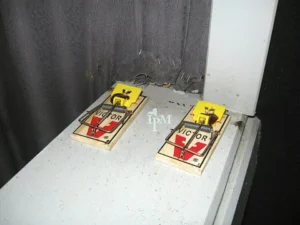
Many pros will also look around for the spots where rats are getting in. That can save you from setting traps again and again.
Some companies also offer same-day service for emergencies (it’s worth asking), though it may cost more.
If nobody can come quickly, ask whether they’ll tell you what to do until they arrive. Many will, and it’s a good way to stay calm while you wait.
How to Safely Clean Up After the Rat Is Gone
Once the animal is in someone else’s care, or has died, you’ll still need to clean up. Put on thick gloves again, then spray the trap and the area with disinfectant and let it soak for about five minutes.
If the rat has died, place it with the trap in a plastic bag and tie it shut. Then put that bag inside a second bag and tie it too.
Put the double bag in an outdoor trash bin with a tight lid. Wash your gloves with soap and water or disinfectant before you take them off, and wash your hands well afterward.
Clean the area with disinfectant, or mix 1½ cups of bleach in 1 gallon of cold water (that’s about 1 part bleach to 9 parts water).
Wipe it up with paper towels. Never mix bleach with ammonia or other cleaners, because that can make dangerous fumes.
Don’t sweep or vacuum droppings, since that can kick up dust you may breathe in. Wet them with disinfectant first, then wipe them up.
If you want to reuse the trap, clean it well while wearing gloves, and replace it if it looks old, rusty, or weak.
How to Avoid This Situation in the Future
The best way to avoid a live rat in a trap is to use a good trap and set it right. Use a trap made for rats (not a mouse trap), and set it on a flat, steady surface.
Check your traps at least once a day, and twice if you can. That way, if a rat does survive, it won’t be left there for long.
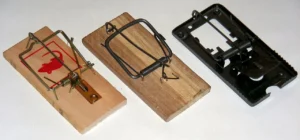
Replace old, rusty, or weak traps, since a weak spring is a common reason a trap doesn’t work cleanly.
If you’d rather not deal with live or hurt animals at all, a pest control pro can set the traps and handle whatever happens.
Keep a small kit ready (thick gloves, a towel, two plastic bags, and disinfectant) in case you ever find a live animal in a trap.
Walk around the outside of your house and look for things that attract rats, like fallen fruit, uncovered compost, and open trash cans (even pet food left out overnight can draw them in).
Sealing up entry points and removing food will also mean fewer rats, and that means fewer traps to deal with.
Common Trap Placement Mistakes That Lead to This
A lot of the time, a rat surviving a trap comes down to how it was set. A trap that sits at an angle, or on an uneven surface, can land in the wrong spot when it snaps.
Rats usually run along walls instead of crossing open floors, so a trap in the middle of a room often misses. Most pros set traps with the long side at a right angle to the wall and the trigger end against it.
Too much bait is another mistake. Use a pea-sized amount of peanut butter, and press it firmly onto the trigger so the rat has to work at it and sets off the trap properly.
If rats keep taking bait without being caught, they may be wary. Some pros let rats feed from unset traps for a few nights first, then set them once the bait is being taken.
Traps with a larger plastic pedal (called expanded trigger traps) can also work better, since the rat has a bigger area to step on.
What About Glue Traps?
Glue traps are one of the most common ways people end up with a live rat on their hands. They hold the animal in place, sometimes for hours or even days, so many pest experts recommend avoiding them.
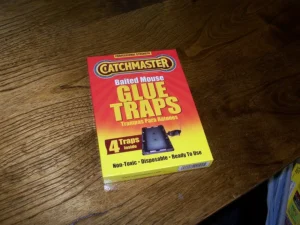
If you find a live rat on one, the same rules apply. Call a pro first, and don’t handle it yourself if you can help it.
If you can’t reach anyone, cooking oil, baby oil, or vegetable oil can loosen the glue. Wear thick gloves, cover the rat with a towel, put a few drops of oil where its fur meets the glue, and work slowly.
After that, call a vet or a wildlife rehabilitator. A rat that’s been stuck on a glue trap may be hurt, even if it doesn’t look it.
Some places also ban or limit glue traps, so check your local rules before you buy one.
Conclusion
Finding a rat caught in a trap but still alive is stressful, but how you handle it matters. Stay calm, keep yourself safe, and get help from a pest control company, animal control, or a vet right away.
Don’t drown it, freeze it, or use blunt force, and don’t leave it in the trap or throw the trap away while it’s alive. Those choices cause more suffering, and some of them can be illegal.
Going forward, use the right trap, set it properly, and check it often. If you ever feel unsure, it’s always okay to call in a professional who deals with this every day.

Hi, my name is Ezra Mushala, i have been interested animals all my life. I am the main author and editor here at snakeinformer.com.