
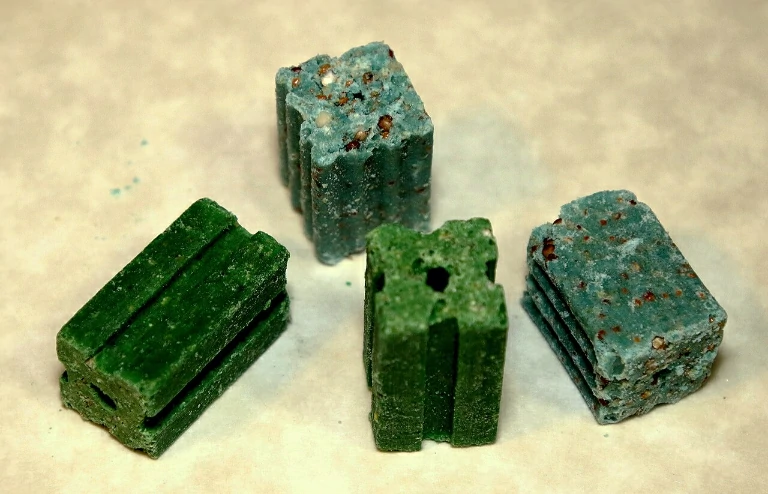
When you’re dealing with a rat infestation, you want results fast. But rat poison doesn’t work instantly, and understanding the timeline helps you know what to expect and when to check for progress.
Whether you’re wondering when rats will start dying or when you’ll see signs that the poison is working, the answer depends on the type of poison you’re using. So how long does rat poison take to work to kill rats?
Most rat poisons start working within 24 to 48 hours of ingestion, but rats typically don’t die until 3 to 7 days later with anticoagulant poisons (the most common type). Faster-acting poisons like bromethalin kill within 1 to 2 days, while zinc phosphide can kill within hours. The poison is “working” from the moment the rat eats it, but death takes time.
The delay between when poison starts working and when rats actually die is intentional and serves an important purpose in effective rodent control.
What “Working” Means for Rat Poison
When we say rat poison is “working,” we need to be clear about what that means at different stages.
The poison starts working the moment a rat eats it and it enters the digestive system. Within hours, the active ingredient is being absorbed into the bloodstream.
For anticoagulants, the poison immediately begins interfering with vitamin K and blood clotting factors. This process starts within 12 to 24 hours of ingestion.
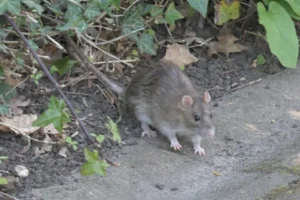
However, the effects aren’t visible yet. The rat feels fine and continues its normal activities. Other rats in the colony can’t tell anything is wrong.
Over the next several days, internal bleeding builds up. The poison continues working, causing progressively more damage.
By day 3 to 7, the cumulative effect of the poison causes death. So the poison was “working” all along, but the final result (death) takes days to occur.
Timeline for Anticoagulant Rat Poisons to Work
Anticoagulants are the most widely used rat poisons, and they follow a predictable timeline from ingestion to death.
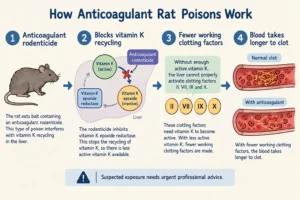
Hour 1-6: The rat eats the poison bait. The active ingredient begins breaking down in the stomach and getting absorbed through the intestinal wall into the bloodstream.
Hour 6-24: The poison reaches the liver, where vitamin K is normally processed. The anticoagulant starts blocking vitamin K recycling, which is essential for producing blood clotting factors.
Day 1-2: Blood clotting factors in the rat’s body start declining. The rat still has enough clotting ability from what was already produced before eating the poison, so there are no symptoms yet.
Day 2-3: Clotting factor levels drop below 25% of normal. Minor injuries to blood vessels from regular activity start bleeding internally instead of clotting. The rat begins experiencing internal hemorrhaging but still appears normal externally.
Day 3-5: Internal bleeding becomes significant. The rat starts feeling weak and lethargic. It might reduce activity and eat less, but it’s usually still mobile.
Day 5-7: Severe internal bleeding causes critical blood loss. The rat becomes very weak, stops eating entirely, and seeks a quiet place to die. Death occurs from hemorrhagic shock.
Day 7-14: Some larger, healthier rats can survive longer, but eventually, the cumulative blood loss becomes fatal.
How Second-Generation Anticoagulants Work Faster
Second-generation anticoagulants like brodifacoum and bromadiolone work on a faster timeline than first-generation products.
These poisons are about 100 times more potent than warfarin (the original anticoagulant rat poison). This means rats only need to eat the bait once to get a lethal dose.
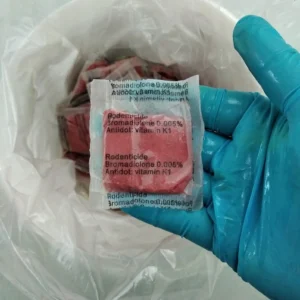
With second-generation poisons, rats typically die within 3 to 7 days after a single feeding. The timeline can be even shorter (2 to 4 days) if the rat ate a large amount of bait.
First-generation anticoagulants like warfarin and diphacinone are weaker. Rats need to eat the bait multiple times over 5 to 7 days to accumulate enough poison.
With first-generation products, the timeline from first feeding to death can be 10 to 14 days or longer. The poison is “working” during all those feedings, but death takes longer because the dose builds gradually.
Bromethalin: Fast-Acting Neurotoxin Timeline
Bromethalin works completely differently from anticoagulants and kills rats much faster.
Within 2 to 4 hours of eating bromethalin bait, the poison is fully absorbed into the rat’s system and crosses into the brain and spinal cord.
By hour 12 to 24, the poison starts causing swelling in the brain and spinal cord by disrupting cellular energy production. Fluid builds up, putting pressure on nerve tissue.
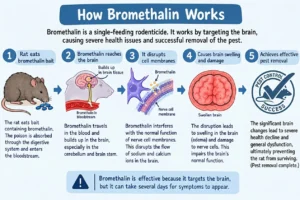
At high doses, rats can show symptoms within 12 to 24 hours. These include loss of coordination, paralysis in the hind legs, tremors, and seizures.
Death typically occurs 24 to 48 hours after ingestion from respiratory failure or severe neurological damage. Some rats die even faster if they ate a very large amount.
At lower doses (still lethal but less poison consumed), symptoms might not appear for 2 to 4 days, and death occurs 3 to 7 days after ingestion.
Bromethalin is marketed as a “fast-acting” poison because the timeline from eating to death is much shorter than anticoagulants.
Zinc Phosphide: The Fastest Option
Zinc phosphide is the fastest-acting rat poison available, though it’s less common for residential use.
When a rat eats zinc phosphide, the poison reacts with stomach acid within 15 to 30 minutes. This reaction produces phosphine gas, which is extremely toxic.
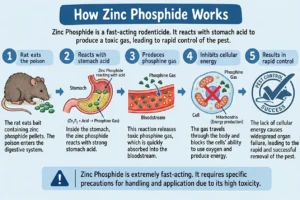
The rat starts showing symptoms within 1 to 3 hours. These include difficulty breathing, vomiting (though rats can’t actually vomit, they experience severe nausea), and seizures.
Death usually occurs 3 to 12 hours after ingestion. In some cases, rats can die within 1 to 2 hours if they ate a large amount.
This fast action is both good and bad. It kills rats quickly, but it also increases the risk of bait shyness. If a rat eats a sub-lethal dose and feels sick within hours, it might learn to avoid the bait.
Zinc phosphide is mainly used in agricultural settings or for outdoor rodent control where fast knockdown is needed and bait shyness is less of a concern.
Cholecalciferol (Vitamin D3) Timeline
Cholecalciferol rat poison works through a different mechanism and has its own timeline.
Within 6 to 12 hours of eating the bait, the vitamin D3 is absorbed and starts causing calcium levels in the blood to rise dramatically.
Over the next 24 to 48 hours, calcium begins depositing in blood vessels, kidneys, heart, and other organs. This causes tissue damage and disrupts normal organ function.
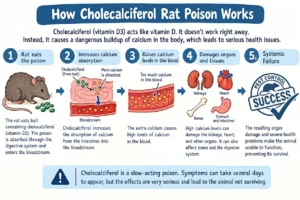
Symptoms appear around day 2 to 3. Rats become lethargic, drink more water, and urinate more as their kidneys struggle to process the excess calcium.
Death typically occurs 3 to 4 days after ingestion from kidney failure, heart failure, or calcification of vital organs.
This timeline is slower than bromethalin but faster than most anticoagulants. It’s effective against rats that have developed resistance to anticoagulants.
When You’ll See the First Signs Poison Is Working
You won’t see rats dropping dead immediately, but there are early indicators that the poison is working before rats start dying.
Bait consumption is the first sign.
If you check bait stations and see that blocks have been gnawed or pellets are disappearing, rats are eating the poison. This usually happens within 1 to 3 days of putting out fresh bait.
Increased activity might occur in the first 24 to 48 hours.
Sometimes rats increase their feeding when they find a new food source, so you might see more rat activity initially.
Decreased activity starts around day 3 to 5 with anticoagulants.
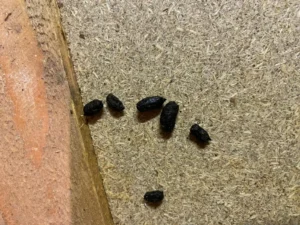
You might notice fewer droppings, less gnawing damage, and reduced sounds in walls or attics.
Sick rats visible during daytime is a sign that poison is taking effect.
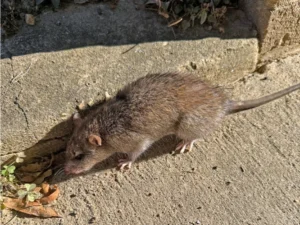
Rats are normally nocturnal, so seeing a rat moving slowly during the day often means it’s been poisoned and is weak.
Reduced bait consumption after a week or so indicates rats are dying.
If bait was disappearing steadily and then stops, the population is declining.
How Long Until You Find Dead Rats?
The timeline for finding dead rat carcasses depends on where rats go to die and whether those locations are visible.
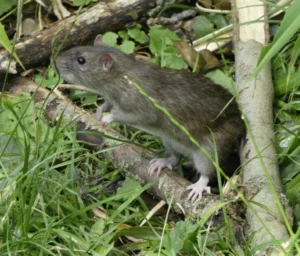
With anticoagulant poisons, you might start finding dead rats 5 to 10 days after putting out bait. This is after the first wave of rats has consumed poison and died.
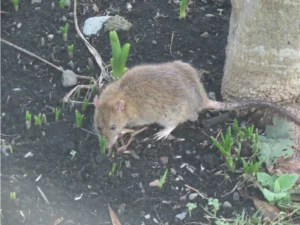
If rats die in walls, under floors, or in other hidden spaces, you won’t find the bodies. Instead, you’ll smell decomposition starting about a week after the rats die.
Outdoor rats that die in burrows, under sheds, or in vegetation might never be found. Natural decomposition and scavengers dispose of the bodies.
In some cases, you won’t find any dead rats at all, even though the poison worked. This doesn’t mean it failed, it just means rats died in places you can’t access.
The smell from dead rats in walls typically starts 5 to 7 days after rats start dying and can last 1 to 3 weeks as the bodies decompose.
Factors That Affect How Quickly Poison Works
Not all rats die on the exact same timeline, even when they eat the same poison. Several factors influence how quickly the poison works.
Rat size: Larger rats have more body mass, so it takes longer for the poison to reach lethal concentrations in their blood. Big Norway rats might take 7 to 10 days while smaller roof rats die in 4 to 6 days.

Amount consumed: A rat that eats a huge amount of poison will die faster than one that only nibbled a small amount. Gorging on bait can shorten the timeline by several days.
Rat health: Sick, old, or weak rats succumb to poison faster. Healthy, young rats might survive longer before the poison kills them.
Access to food and water: Well-fed, hydrated rats might live slightly longer than hungry, dehydrated ones, though the difference is usually just a day or two.
Individual variation: Just like humans react differently to drugs, individual rats have some variation in how they metabolize poison. Most die within the expected timeframe, but some outliers exist.
How Long for an Entire Infestation to Be Eliminated?
Wiping out a complete rat infestation takes longer than killing individual rats because rats don’t all eat poison at the same time.
Week 1: Rats discover the bait stations and start eating. Some rats are more cautious and wait to see if the bait is safe. Bait consumption increases as more rats find it.
Week 2: The first rats that ate poison in week 1 start dying. Meanwhile, rats that were slower to find the bait or more cautious are now eating it. Bait consumption might stay high or even increase.

Week 3: A large percentage of the rat population is dead or dying. Bait consumption drops significantly. You might find dead rats or smell decomposition in walls.
Week 4: Stragglers and any resistant rats continue eating bait. The infestation is mostly under control, but a few rats might remain.
Week 5-6: For heavy infestations, it can take this long to completely eliminate all rats. New rats might also move in from outside to fill the void, requiring ongoing baiting.
The entire process typically takes 3 to 6 weeks from start to finish for a significant infestation.
Does Weather Affect How Fast Poison Works?
Temperature and environmental conditions can influence how quickly rat poison works in some cases.
Cold weather slows rat metabolism, which can slightly extend the timeline before death occurs. Rats in freezing conditions might take an extra day or two to die.
Hot weather speeds up metabolism, potentially shortening the death timeline. However, heat also makes rats drink more water, which can help flush some poisons through their system faster.
Humidity affects bait quality more than poison effectiveness. Moldy or degraded bait won’t be eaten, so the poison never gets a chance to work.
Rain and snow can wash away outdoor bait or make it unpalatable. If rats stop eating the bait because weather ruined it, the poison stops working.
Overall, weather has a minor effect on the poison’s mechanism of action but a major effect on whether rats continue eating the bait.
How to Know If the Poison Isn’t Working
Sometimes rat poison doesn’t work as expected, and it’s important to recognize when that’s happening.
No bait consumption after 5 to 7 days: If rats aren’t eating the bait at all, something is wrong. The bait might be stale, poorly placed, or rats might have better food sources available.
Bait consumption continues for 3+ weeks with no decrease: This suggests either a very large infestation, new rats moving in from outside, or possible resistance to the poison.

No reduction in rat activity: If you’re still seeing fresh droppings, hearing rats in walls, and noticing new damage after 3 weeks of baiting, the poison isn’t working effectively.
Rats avoiding bait stations: If rats are clearly present but won’t go near the stations, the placement is wrong or they’re bait-shy from previous poisoning attempts.
If poison doesn’t seem to be working, reassess your strategy. Check bait freshness, station placement, and consider switching to a different poison type or active ingredient.
Resistance: When Poison Takes Longer or Doesn’t Work
Some rat populations have developed genetic resistance to anticoagulant poisons, which affects how long it takes for the poison to work (or whether it works at all).
Resistant rats can eat anticoagulant bait and not die, or take much longer to die than expected. They might survive doses that would kill normal rats.
Resistance is more common in urban areas where rat poison has been used heavily for decades. The resistant rats survive and breed, passing the genetic mutation to their offspring.
If you suspect resistance (rats eating poison for 2+ weeks with no deaths), switch to a different type of poison that works through a different mechanism.
Bromethalin, cholecalciferol, and zinc phosphide all work differently from anticoagulants. Resistant rats usually aren’t resistant to these other poison types.
Second-generation anticoagulants like brodifacoum can sometimes overcome first-generation resistance because they’re more potent, but some rats are developing resistance even to these.
Monitoring Bait Stations to Track Progress
Regular monitoring tells you how quickly the poison is working and helps you adjust your approach.
Check bait stations every 2 to 3 days for the first two weeks. Note how much bait is being consumed.
Mark blocks with a pencil or note the weight of pellets to accurately measure consumption. This is more reliable than just eyeballing it.
Take photos of bait placement so you can see exactly how much has been eaten when you check back.
Record your observations in a log. Track dates, amount of bait consumed, and any dead rats found or smells noticed.
If consumption drops to near zero for a full week, the poison has worked and most rats are dead. Keep stations active for another week to catch any stragglers.
Can You Speed Up How Fast Poison Works?
You can’t make the poison itself work faster (the chemistry is what it is), but you can optimize conditions to get faster results.
Use fast-acting poisons: If speed is critical, choose bromethalin or zinc phosphide instead of anticoagulants.
Increase bait availability: Put out more bait stations so rats find them faster. The sooner they eat, the sooner they die.
Remove competing food sources: Eliminate garbage, pet food, bird seed, and other food that might distract rats from eating the poison.
Pre-bait with non-poisoned food: Put out regular food for a few days to get rats comfortable visiting the stations, then switch to poison. They’ll eat it more readily.
Use fresh, high-quality bait: Rats are more likely to eat attractive bait immediately. Stale or moldy bait gets ignored, delaying results.
Proper placement: Stations along walls, near rat runways, and close to nesting areas get visited faster than poorly placed ones.
When to Replace or Refresh Bait
Keeping bait fresh ensures rats continue eating it, which keeps the poison working.
Replace bait that’s been sitting for 2 weeks, even if it hasn’t been eaten. It might have lost its attractiveness.
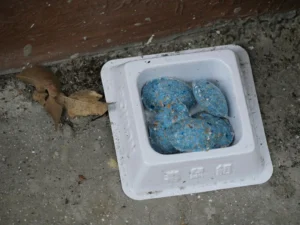
Check outdoor bait weekly. Rain, snow, and temperature swings degrade it faster than indoor conditions.
Replace any bait that shows mold, discoloration, or crumbling. Rats won’t eat damaged bait.
If consumption was high but then suddenly stops, put out fresh bait. The old bait might have gone stale.
Keep refilling active stations. If rats are eating the bait, keep it available until consumption stops completely.
How Long to Keep Bait Stations Active?
Don’t remove bait stations too early or you might miss rats that were slow to find them.
Keep stations active for at least 2 weeks after bait consumption stops. This catches late-comers and any rats that didn’t eat enough initially.
For heavy infestations, keep stations active for 4 to 6 weeks total, even if consumption drops.
Some people maintain permanent bait stations as a preventive measure. With just one or two blocks per station, this catches new rats before they can establish a colony.
If you see new rat activity after removing stations (fresh droppings, gnaw marks), put them back out immediately. New rats might have moved in.
What to Do While Waiting for Poison to Work
Rat poison takes time, but you’re not completely helpless while waiting for results.
Seal entry points so new rats can’t move in while you’re poisoning the current population. This prevents an endless cycle.
Clean up rat droppings and nesting material to reduce disease risk and monitor for new activity.
Remove food sources that might compete with poison bait. Store garbage in sealed containers, remove pet food at night, and clean up spilled bird seed.
Set snap traps or electronic traps in addition to poison for faster knockdown of individual rats.
Be patient. Don’t assume the poison isn’t working just because you don’t see dead rats immediately. Trust the process and give it time.
Signs the Poison Has Worked
You’ll know the poison was effective when you see these indicators.
- Bait consumption drops to zero and stays there for a week or more.
- Rat activity disappears. No new droppings, no gnawing sounds, no evidence of rats in areas where they were previously active.
- The smell of decomposition appears and then fades. This indicates rats died in hidden areas and are decomposing.
- Traps that were catching rats previously stop getting triggered.
- Your property feels and sounds different. The subtle sounds of rats moving at night, the evidence of their activity, all of it stops.
Give it 3 to 4 weeks from when you first put out bait to fully assess whether it worked. Results aren’t immediate, but they’re usually effective.
Conclusion
Rat poison starts working within hours of ingestion as the active ingredient gets absorbed, but visible results (dead rats) typically don’t appear for 3 to 7 days with anticoagulant poisons, the most common type.
Faster-acting options like bromethalin kill within 1 to 2 days, while zinc phosphide can work in just a few hours, though these come with their own trade-offs like increased bait shyness or higher toxicity to non-target animals.
The delayed action of anticoagulants is actually a feature, not a bug. It prevents rats from associating the bait with feeling sick, which allows entire colonies to consume poison before the first rats start dying.
This makes anticoagulants more effective for wiping out entire infestations even though individual rats take longer to die.
Eliminating a complete rat infestation typically takes 3 to 6 weeks from start to finish. The poison works gradually as rats find bait stations, eat the poison, and die over the course of days. Patience and regular monitoring are key to success.
If you don’t see immediate results, don’t panic and change strategies too quickly. Give the poison time to work through the population.

Hi, my name is Ezra Mushala, i have been interested animals all my life. I am the main author and editor here at snakeinformer.com.