
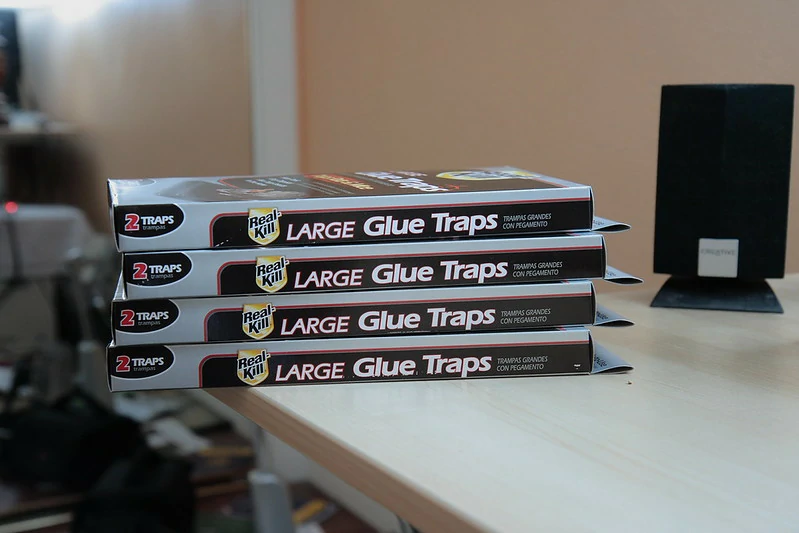
Finding a live rat stuck to a glue trap can be really distressing, especially if you can hear it squeaking or struggling. So can you remove or save a rat from a glue trap?
Yes, but the safest way is to let an expert handle it. Cover the exposed glue with paper towel, put the trap and rat in a box with air holes, and take it to a wildlife rehabilitator or vet right away. If you can’t reach anyone and have to act, use vegetable oil, olive oil, or cooking spray to dissolve the adhesive. Pour the oil over the stuck areas and gently work the rat free, but wear thick gloves and be prepared for the rat to bite or scratch once it’s loose.
Pulling a rat off the glue, or using oil, can hurt it more than it helps, so experts say to get help first. This post covers the safest steps, what to avoid, and what to do if nobody can help right away.
Why Glue Traps Are So Hard to Escape
Glue traps use an extremely sticky adhesive (a strong glue) made to hold an animal in place the moment it steps on it. The more the rat struggles, the more of its body touches the glue.
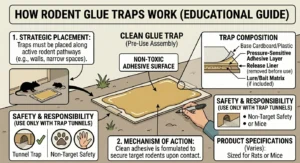
If you’re wondering why the rat can’t just get itself loose, the glue is the answer.
This glue stays tacky for weeks or even months, so a rat can’t just pull itself loose, no matter how hard it tries.
By the time you find it, the rat is usually tired and stressed (and sometimes hurt from struggling). That’s why acting quickly matters, but acting carefully matters even more.
Can You Really Save a Rat From a Glue Trap?
Sometimes, yes. A rat that’s found quickly, isn’t badly hurt, and gets help from an expert has a real chance of making it.
However, wildlife rehabilitators (trained people who care for hurt wild animals) say the way most people try to help can do more harm than good.
Wildlife centers admit animals every year that were hurt worse by well-meant attempts to free them. So the kindest thing you can do is slow down and get the right help.
Why Wildlife Experts Say Not to Remove the Animal Yourself
Pulling an animal off a glue trap can tear its skin and fur, and in some cases that kind of injury can be deadly.
Oil is the other big problem. Many guides online tell you to use it, but animals tend to lick it off and swallow it, and that can cause serious stomach and digestive problems.
Oil can also coat an animal’s fur and make it hard to stay warm, which can lead to hypothermia (when the body gets dangerously cold).
An animal can even breathe oil into its lungs while it’s being handled, which is very dangerous.
Some animal welfare groups do share ways to use a few drops of oil, so you may see mixed advice online. Wildlife rehabilitators, who treat these animals every day, say it’s best to leave it to them.
The Safest Way to Help a Rat Stuck on a Glue Trap
If you find a live rat on a glue trap, here’s what experts suggest while you get help.
First, put on thick gloves. A scared rat can bite hard, even a small one.
Next, gently cover the rat with a light towel. That helps it feel less exposed and may stop it from thrashing.
Then cover any glue that’s still showing with paper towel or a tissue, so the rat can’t get more stuck.
Place the trap, with the rat still stuck to it, into a box with air holes and close the lid. Keep the box in a quiet, dim spot away from kids, pets, and drafts, and don’t keep opening it to check.
Call a wildlife rehabilitator, a vet, animal control, or a pest control company right away, and tell them it’s a live animal.
Take the box to them (or wait for them to come), keeping it level and handling it gently.
What If You Can’t Reach a Wildlife Rehabilitator?
Some wildlife rehabilitators don’t take rats, since rats are a non-native pest in many places, so call ahead to ask.
If they can’t help, a vet’s office, an emergency animal hospital, animal control, or a pest control company may be able to. Say right away that it’s a live animal stuck on a glue trap.
Many places list an after-hours number on their website, so it’s worth a quick search if it’s late.
If you call a pest control company, ask what they plan to do before they come, since some will dispose of the animal and others will help in a gentler way.
If cost is a worry, ask a few places for quotes. Some wildlife rescues and shelters may take it at no charge.
What If Nobody Can Help Right Away and You Have to Act?
Sometimes you truly can’t reach anyone for hours, and leaving the rat stuck would mean more stress for it. This is a last resort, and you should only do it if no expert is reachable.
Wear thick gloves, cover the rat gently with a towel, and use only a few drops of cooking oil or baby oil where its fur meets the glue. Too much oil makes the problems above worse.
Work slowly, and don’t pull. If the rat doesn’t come loose easily, stop and keep trying to reach help.
Once it’s loose, slide a tissue over the trap so it can’t stick again, and gently dab off extra oil with a damp cloth. Then put the rat in a box with air holes.
What Should You Expect When You Take a Rat to a Rehabilitator or Vet?
When you arrive, they’ll likely ask how long the rat has been stuck, what kind of trap it was, and whether you used anything on it. Tell them everything, including any oil, since it helps them treat the animal.
They’ll check the rat for injuries, and they have the right supplies to remove the glue safely.
If the rat is too hurt to recover, they may suggest ending its suffering painlessly, which is a decision for a professional to make. It can be hard to hear, but it’s often the kindest outcome.
Some places ask for a small donation, and many vets charge a fee, so it’s smart to ask about the cost when you call. After you hand the rat over, you can head home knowing you did everything you could.
How to Protect Yourself While You Help
Your safety matters too, since rats can carry germs that make people sick. Two examples are hantavirus (a virus that can cause a serious lung illness) and leptospirosis (a bacterial infection that spreads through urine).
Always wear thick gloves, because thin disposable gloves can tear and won’t stop a bite. Keep your face back, and move slowly and calmly.
If you have a helper, ask them to hold the towel and open the box while you handle the trap, since two people make it safer for you and calmer for the rat.
Keep kids and pets out of the room while you work. A stressed rat isn’t something a toddler or a curious dog should get close to.
When you’re done, wash your gloves with soap and water or disinfectant before you take them off. Then wash your hands well, even if you wore gloves the whole time.
What You Should Never Do to a Rat on a Glue Trap
When you’re stressed and the rat is frightened, it’s easy to reach for a quick fix you saw online. Most of those ideas make things worse, so here’s what to avoid.
Don’t drown it. It’s cruel, and it can also be illegal.
In England, people have been prosecuted under the Animal Welfare Act 2006 for drowning trapped wild animals, such as squirrels.
In the US, the rules vary from state to state, so don’t assume it’s allowed where you live.
Don’t freeze it, either. The cold is slow and stressful, and it isn’t the gentle end some people think it is.
Don’t use blunt force, like hitting the rat with a heavy object. Doing it wrong can be inhumane, because a miss leaves the rat hurt and in more pain.
Don’t leave the rat to die in the trap, and don’t throw the trap away with the rat still alive. Either way, it suffers slowly where nobody can help.
Don’t pull or peel the rat off the board. That can tear its skin and fur, and it only makes the rat panic.
Don’t use heat to loosen the glue. A hair dryer or hot water can burn the animal, and heat can make the glue runnier and harder to deal with.
Don’t pour on lots of oil, and don’t use water or soap to wash the rat. Both can chill it, and it can swallow or breathe in what you put on it.
Don’t use chemicals, sprays, gas, or fumes. They can cause pain and stress, and they can seriously hurt you too.
Don’t handle the rat with bare hands, and don’t squeeze, shake, or hold it tightly. A scared rat can bite hard, and its urine and droppings can carry diseases.
Don’t take it far away and let it go. It may not survive, it can find its way back, and in some places it’s against the law.
Should You Release the Rat After It’s Freed?
Usually not on your own. A rat that’s been stuck is stressed and may be hurt, even if it looks okay.
Wildlife groups and pest experts generally don’t recommend taking a rat far away and letting it go, since it may not find food or shelter and can find its way back.
In many places, moving or keeping wild animals is against the law. Some places say you have to release a trapped rat on the same property, and others don’t allow release at all, so check your local rules.
A wildlife rehabilitator or vet can check the rat first and tell you what’s allowed and safest in your area.
If the rat was living in your home, it’s also worth calling a pro to find out how it got in, so you don’t end up with the same problem again.
What If the Rat Is Weak or Hurt?
A rat that shows signs of trouble (barely moving, breathing hard, or stuck for hours) needs help right away. It’s often too weak to be let go, and handling it too much can add to its stress.
Cover it gently, put it in a box with air holes, and get it to a vet or wildlife rehabilitator quickly.
If it can’t be saved, a vet can end its suffering painlessly, which is far kinder than leaving it. That’s a choice for a professional, not something to try at home.
What If the Rat Bites You?
Rat bites can be serious, because rats carry germs in their mouths. If one bites you, wash the wound right away with soap and water.
Cover it with a clean bandage, and watch the area for signs of infection like redness, swelling, warmth, or pus.
Call your doctor, especially if the bite is deep or you’re not sure your tetanus shot is up to date. Rats can spread germs such as rat-bite fever (a bacterial infection), which needs medical treatment.
How to Clean Up After Helping the Rat
Once the rat is with someone who can help, you’ll still need to deal with the trap. Put on thick gloves, spray the trap and the area with disinfectant, and let it soak for about five minutes.
Then seal the trap in a plastic bag, put that bag inside a second bag, and place it in an outdoor trash bin with a tight lid. Don’t try to reuse it.

Clean the spot with disinfectant, or mix 1½ cups of bleach in 1 gallon of cold water (that’s about 1 part bleach to 9 parts water). Never mix bleach with ammonia or other cleaners, because that can make dangerous fumes.
Don’t sweep or vacuum droppings, since that can kick up dust you may breathe in. Wet them with disinfectant first, then wipe them up with paper towels.
If you got glue on your own skin, a little vegetable oil or baby oil will loosen it, and then you can wash it off with soap and water.
Why Some Rats Can’t Be Saved
Not every rat stuck on a glue trap can be saved. If it’s been stuck for a long time, it may be too weak or hurt to recover, even once it’s loose.
Some injuries can’t be seen from the outside, and the stress of being trapped can be too much, especially for older or weaker rats.
If you find a rat that’s already dead or clearly dying, don’t try to revive it. Call a vet or a pest control company for advice, and follow the cleanup steps above.
If it doesn’t make it, that isn’t your fault. You did the right thing by trying to get it help.
What Does the Law Say About Glue Traps and Wildlife?
Some places ban or limit glue traps because of animal welfare concerns. England is one example, and parts of Australia are another.
Many places also have laws about keeping or moving wild animals, even for a short time. A quick call to animal control can tell you what’s allowed where you live.
Even where glue traps are legal, plenty of people feel they’re not an ethical choice. If you feel bad about a rat’s suffering, that’s completely normal.
How to Stop This From Happening Again
If you don’t want to face this again, the best fix is to stop using glue traps. Many animal welfare groups and pest control pros call them inhumane, because they can leave an animal stuck and frightened for a long time.
A good-quality snap trap, set the right way and checked often, is usually seen as a better choice. Electronic traps are another option, though they cost more.
You can also stop rats at the source. Seal gaps with steel wool or metal mesh, store food and pet food in tight containers, and keep trash in bins with tight lids.
Trim back bushes near your house and clear clutter, since rats love hiding spots close to walls.
If the problem keeps coming back, a pest control pro can find the entry points and set up a plan that works.
Conclusion
Yes, a rat can sometimes be saved, but the safest way is to let an expert do the freeing. Cover the glue, put the trap and rat in a box with air holes, and take it to a rehabilitator or vet.
Don’t pull the rat off the board, and don’t use lots of oil, water, heat, or chemicals. Don’t drown it, freeze it, or use blunt force, and don’t leave it stuck or throw the trap away while it’s alive.
For the future, think about snap traps and sealing up entry points, since they usually solve the problem for good. And if you’re not comfortable handling a live rat, there’s no shame in calling a professional.

Hi, my name is Ezra Mushala, i have been interested animals all my life. I am the main author and editor here at snakeinformer.com.