
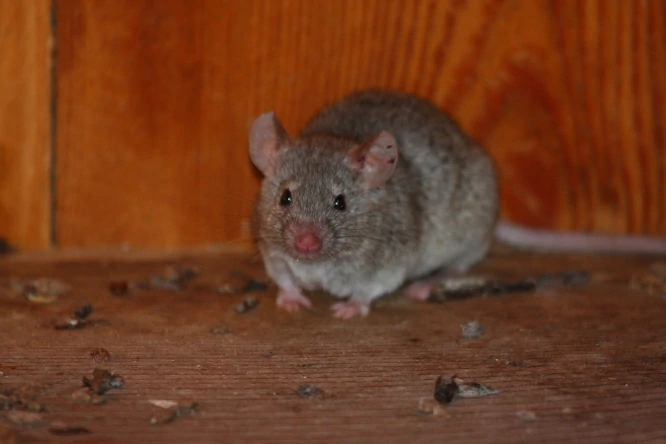
If you’ve spotted mouse droppings in your home, you probably want to clean them up right away. But you might also be worried about whether those droppings are actually making your mouse problem worse.
Mice communicate with each other in ways we don’t always understand, and their droppings play a bigger role in this than you might think. So do mouse droppings actually attract more mice to your home?
Mouse droppings don’t directly attract more mice, but they do contain pheromones and scent markers that tell other mice there’s a safe place to live nearby. Fresh droppings signal to other mice that the area has food, shelter, and low danger, which can encourage them to move in.
While droppings themselves won’t pull mice into your home like a magnet, they’re part of a bigger picture. Mice use scent trails and chemical signals to communicate, and droppings are one way they mark their territory and share information with other mice.
How Mice Use Droppings to Communicate
Mice don’t just randomly leave droppings everywhere. They actually use them as a way to communicate with other mice in the area.
Mouse droppings contain pheromones, which are chemical signals that carry information. These pheromones can tell other mice about the mouse’s age, health, reproductive status, and even stress levels.
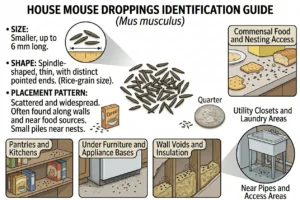
When a mouse finds food or a safe nesting spot, it leaves droppings along the path. Other mice can follow this scent trail to find the same resources. It’s basically like leaving breadcrumbs for other mice to follow.
Male mice especially use droppings to mark their territory. The pheromones in their droppings tell other males to stay away and let females know they’re around. This territorial marking can actually attract female mice looking for a mate.
Mice can also tell if droppings are fresh or old. Fresh droppings (less than 24 hours old) are dark, moist, and shiny. These recent droppings tell other mice that another mouse was just there, which means the area is currently safe and has resources.
Old droppings lose their scent over time. After a few weeks, the pheromones break down and don’t send strong signals anymore. This is why cleaning up droppings quickly is really important.
What Actually Attracts Mice to Your Home?
While droppings play a role in mice staying around, they’re not the main thing that brings mice into your house in the first place. Mice come inside looking for three basic things: food, water, and shelter.
Food is the biggest draw. Mice can smell food from pretty far away, and they’re not picky eaters. Crumbs on your floor, food left on counters, pet food bowls, garbage, and even food stored in thin cardboard or plastic bags can all attract mice.

Water is also important. Mice need water to survive, so they’re attracted to places with water sources. Leaky pipes, pet water bowls, dripping faucets, and even condensation can provide enough water for mice.
Shelter brings mice inside, especially when it gets cold. Mice can’t survive freezing temperatures, so they look for warm places to nest in fall and winter. Your home provides warmth, safety from predators, and protected spots to have babies.
Easy entry points make it simple for mice to get in. If your home has gaps around doors, cracks in the foundation, openings around pipes, or damaged screens, mice can squeeze through. They only need an opening about the size of a dime to get inside.
Once mice find these things in your home, their droppings become part of the problem. The droppings tell other mice (Hey, there’s food and shelter here), which can lead to more mice moving in.
Why Finding Droppings Means You Likely Have More Than One Mouse
If you see mouse droppings, you probably have more than just one mouse in your home. Mice reproduce really quickly, and they’re social animals that often live in groups.
A female mouse can have babies when she’s just 6 weeks old. She can have 5 to 10 babies in each litter, and she can have a new litter every 3 weeks. That means one pregnant mouse can turn into dozens of mice in just a few months.
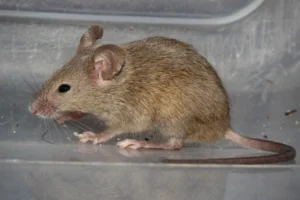
Mice rarely live alone. If you have one mouse, there’s a good chance you have several. They often travel in family groups, and once they find a good spot (like your home), they bring others with them.
The amount of droppings you find can tell you how bad the infestation is. A single mouse can leave 50 to 75 droppings per day. If you’re seeing droppings in multiple areas or finding large piles, you definitely have more than one mouse.
Fresh droppings every day mean the mice are actively living in your home. If you clean up droppings and see new ones the next day, the mice haven’t left and are probably settling in for the long term.
The Danger of Leaving Droppings Uncleaned
Leaving mouse droppings in your home creates several problems beyond just attracting more mice. The health risks are actually pretty serious.
Mouse droppings carry diseases. Hantavirus, Salmonella, andmi can be spread through contact with mouse droppings. You can get sick by touching droppings and then touching your face, or by breathing in dust from dried droppings.
When droppings dry out, they turn into dust. If you sweep or vacuum without wetting them first, you send this contaminated dust into the air. Breathing in this dust can make you sick, especially with Hantavirus, which can be deadly.
The smell from old droppings and urine can be really strong. This smell actually encourages mice to keep using the same spots. They’re more comfortable in areas that already smell like mice because it signals safety.
Droppings also attract other pests. Insects like beetles and cockroaches can feed on mouse droppings, so leaving them around can create a whole new pest problem on top of your mouse issue.
If you have kids or pets, they’re at even higher risk. Young children might touch droppings while playing, and pets might sniff or even eat them. Both of these situations can lead to serious illness.
How to Properly Clean Mouse Droppings
Cleaning mouse droppings the right way is really important for your health. Don’t just sweep them up or vacuum them, because this spreads disease into the air.
First, put on rubber or latex gloves. Never touch mouse droppings with your bare hands, even if you plan to wash them right after.
Spray the droppings with a disinfectant solution before touching them. You can use a mix of bleach and water (1 part bleach to 10 parts water) or a commercial disinfectant. Let it soak for at least 5 minutes.
This step is really important because it keeps the droppings from turning into dust when you pick them up. Wet droppings won’t release harmful particles into the air.
Use paper towels to pick up the droppings. Wipe up everything, including any urine stains or nesting materials you find. Put all of this into a plastic bag.
After you’ve picked up all the visible droppings, spray and wipe down the entire area again. Make sure you clean any surfaces the mice might have walked on, including counters, floors, and inside cabinets.
Seal the plastic bag tightly and throw it away in an outdoor trash bin. Don’t put it in your indoor trash where the smell might attract more pests.
Wash your hands really well with soap and hot water, even though you were wearing gloves. Gloves can have tiny tears you don’t notice, and it’s better to be safe.
If you have a large infestation with droppings everywhere, consider calling a professional cleaning service. They have proper equipment and training to handle large-scale contamination safely.
Do Dead Mice Attract More Mice?
Dead mice, like droppings, can affect whether other mice come around, but maybe not in the way you’d expect. The answer is a bit complicated.
Fresh dead mice don’t really attract other mice. In fact, the smell of a recently dead mouse can actually scare live mice away. Mice have a strong sense of smell, and the scent of death signals danger.
However, if you’re using poison to kill mice, this can backfire. Poisoned mice often die in walls, under floors, or in other hard-to-reach places. The smell of decomposition can last for weeks, and it’s really unpleasant.
The bigger problem is what happens after the mouse decomposes. Once the dead mouse is gone, the area where it died still carries scent markers from when it was alive. These scent trails can lead other mice to the same areas.
Also, if you’re finding dead mice, it means you have live mice. Dead mice are a sign of an active infestation, and the living mice are still leaving droppings and scent trails that attract others.
The best approach is to remove dead mice as soon as you find them. Wear gloves, put the dead mouse in a sealed plastic bag, and throw it away in an outdoor trash bin. Then clean the area thoroughly with disinfectant.
How Scent Trails Work
Besides droppings, mice leave scent trails everywhere they go. Understanding these trails helps you see why cleaning up is so important.
Mice have scent glands on their bodies that constantly release pheromones. As they walk, they leave these chemical signals behind. Other mice can follow these trails to find food, water, and shelter.
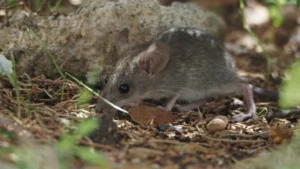
Mice also urinate constantly as they move. They can’t control their bladders well, so they dribble small amounts of urine as they walk. This urine contains pheromones that mark their paths.
These scent trails last for a long time if you don’t clean them. Even after you remove visible droppings, the invisible scent markers can remain on surfaces for weeks or months.
This is why mice often use the same paths over and over. If you notice dark grease marks along your baseboards or walls, these are actually the paths mice travel regularly. The marks come from the oils in their fur rubbing off on surfaces.
To break the cycle, you need to clean these scent trails. Use a strong disinfectant or enzymatic cleaner that breaks down organic materials. Regular household cleaners might not remove the pheromones completely.
Pay special attention to areas where you’ve found droppings. These spots have the strongest scent markers and are most likely to attract more mice if not cleaned properly.
Signs That More Mice Are Coming
Even after cleaning up droppings, you might still have signs that more mice are on their way. Watch for these warning signals.
Fresh droppings appearing daily means you still have active mice in your home. If you clean up every night and see new droppings every morning, the mice are still there and possibly multiplying.
Increasing numbers of droppings suggest your mouse population is growing. If you’re finding more droppings each day, you probably have more mice now than when you first noticed the problem.
Droppings in new locations mean mice are exploring more of your home. When they feel safe and established, they branch out to other areas looking for more food and nesting spots.
Scratching or scurrying sounds, especially at night, tell you mice are actively moving around. Mice are most active between dusk and dawn, so these are the times you’ll hear them if they’re there.
Gnaw marks on food packages, cardboard, wood, or even electrical wires show that mice are settling in. They need to constantly gnaw to keep their teeth from getting too long.
A strong, musty smell means you have a serious infestation. This smell comes from mouse urine, and if it’s strong enough to notice, you have a lot of mice or they’ve been there for a while.
How to Stop Attracting Mice to Your Home
The best way to deal with mice is to make your home unattractive to them in the first place. Here’s how to do that.
Clean up all food sources. Don’t leave crumbs on counters or floors, keep food in airtight containers (glass or thick plastic), and don’t leave pet food out overnight. Take out your garbage regularly and use bins with tight lids.
Fix water leaks and drips. Check under sinks, around toilets, and behind appliances. Even small amounts of water can keep mice alive, so eliminate these sources.

Seal entry points around your home. Check for gaps around doors, windows, pipes, vents, and in your foundation. Use steel wool, caulk, or expanding foam to close these openings. Mice can squeeze through really small spaces, so seal everything.
Remove clutter where mice can hide. Cardboard boxes, piles of paper, old furniture, and storage areas provide great nesting spots. Keep storage areas organized and use plastic bins instead of cardboard boxes.
Keep your home clean overall. Vacuum regularly, wipe down surfaces, and don’t let dishes pile up in the sink. A clean home is much less attractive to mice.
Trim vegetation away from your house. Bushes, tree branches, and overgrown grass give mice cover to approach your home. Keep plants trimmed back at least a foot from your foundation.
Store firewood away from your house. Woodpiles right next to your home provide shelter for mice and an easy path inside. Keep firewood at least 20 feet away.
Natural Deterrents That Actually Work
If you want to keep mice away without using traps or poison, some natural methods can help. Not all natural deterrents work well, but these ones have some evidence behind them.
Peppermint oil is one of the most effective natural deterrents. Mice really hate the strong smell. Soak cotton balls in pure peppermint oil and place them in areas where you’ve seen mice or droppings. Replace them every few weeks because the scent fades.
Steel wool works great for blocking entry points. Unlike other materials, mice can’t chew through steel wool. Stuff it into holes and gaps, then seal over it with caulk or foam.
Ultrasonic repellents have mixed results. Some people swear by them, while others say they don’t work. If you try them, get ones with varying frequencies because mice can get used to a single tone.
Keeping a cat can help, but it’s not a guarantee. Some cats are great mousers, while others ignore mice completely. The smell of a cat alone can deter some mice, but not all.
Ammonia smells like predator urine to mice and can scare them away. Soak rags in ammonia and place them in areas where mice are active. Be careful though because ammonia is toxic to humans too, so use it in well-ventilated areas and keep it away from kids and pets.
Bay leaves are said to repel mice because they don’t like the smell. Place whole bay leaves in cabinets, pantries, and other areas. This method is safe but probably the least effective on this list.
When to Call an Exterminator
Sometimes DIY methods aren’t enough, and you need professional help. Here are signs it’s time to call an exterminator.
If you’ve tried traps and cleaning but still see droppings, you might have a bigger infestation than you can handle alone. Professionals have stronger tools and more experience finding where mice are hiding.
When you see droppings in multiple rooms or floors of your home, the infestation has spread. This usually means you have many mice, not just one or two.

If you can’t find where mice are getting in, an exterminator can help. They’re trained to spot entry points that homeowners miss, and they can seal these openings properly.
When you’re dealing with mice in hard-to-reach areas like inside walls, under floors, or in crawl spaces, professionals have the equipment to access these spots safely.
If anyone in your home has allergies, asthma, or a weakened immune system, don’t try to clean up a major infestation yourself. The dust from droppings can trigger serious health problems.
When you’ve had mice before and they keep coming back, there’s probably an underlying problem you haven’t fixed. Exterminators can identify what’s attracting them and help solve the root cause.
Conclusion
Mouse droppings don’t directly attract more mice like food would, but they do send signals to other mice that your home is a safe place with resources. The pheromones in droppings create scent trails and territorial markers that encourage other mice to move in or stick around.
The real problem is that droppings are just one part of a larger issue. If you have droppings, you have mice. And if you have mice, they’re leaving scent markers everywhere, not just in their droppings.
Cleaning up droppings properly is really important for two reasons. First, it removes the scent signals that tell other mice your home is safe. Second, it protects you and your family from diseases that mouse droppings carry.
But cleaning alone won’t solve a mouse problem. You also need to remove what attracted the mice in the first place (food, water, and shelter), seal up entry points, and consider using traps or calling a professional if the infestation is serious.
The key is acting fast. The longer mice live in your home, the more droppings and scent trails they leave, and the harder it becomes to get rid of them completely.

Hi, my name is Ezra Mushala, i have been interested animals all my life. I am the main author and editor here at snakeinformer.com.