
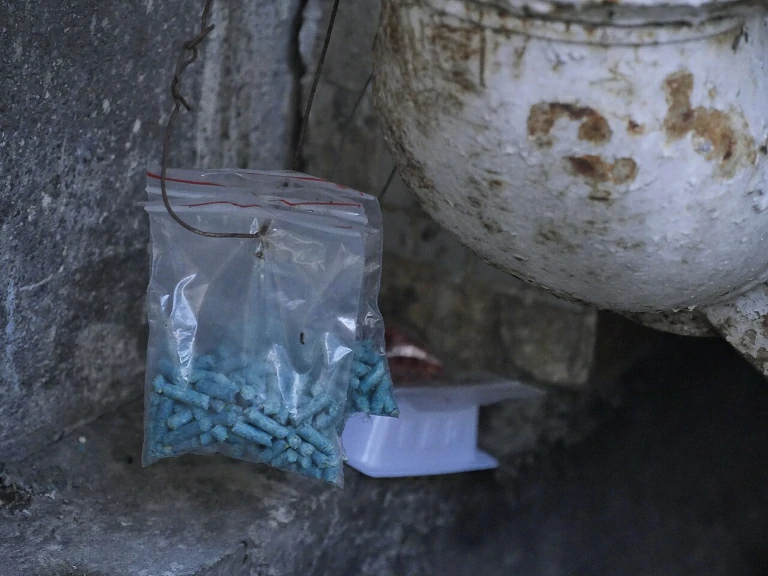
If you’ve ever dealt with a rat problem, you’ve probably heard warnings about rat poison and bleeding. Many rat poisons work by affecting blood, which sounds scary if you have pets or kids around. But does rat poison actually thin blood?
Yes, most rat poisons thin blood. They contain anticoagulants that stop blood from clotting normally. This makes rats bleed internally until they die. The same blood-thinning effect can harm pets, wildlife, and even people if they eat the poison.
These anticoagulants work by blocking vitamin K, which your body needs to make blood clot. Without proper clotting, even small injuries can cause dangerous bleeding that won’t stop on its own.
How Rat Poison Affects Blood Clotting
When a rat eats poison with anticoagulants, the chemical gets absorbed into its bloodstream. Once there, it starts blocking an important process your body uses to stop bleeding.
Your body makes proteins called clotting factors. These proteins work together to form blood clots when you get cut or injured.
Think of them like a team of workers who rush to patch up any damage in your blood vessels.
Vitamin K plays a really important role in making these clotting factors. It’s like the fuel that powers the workers. Without vitamin K, your body can’t make the proteins it needs to stop bleeding.
Rat poison blocks vitamin K from doing its job. When this happens, the clotting factors can’t form properly. Blood loses its ability to clot, even from tiny injuries inside the body.
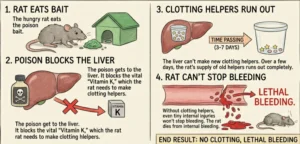
Rats don’t die right away after eating the poison. It takes several days for the anticoagulant to build up in their system. During this time, they keep eating the poison because they don’t feel sick immediately.
After a few days, the rat’s blood becomes so thin that it can’t clot at all. Small blood vessels start leaking. The rat begins bleeding internally in its organs, chest, and abdomen. This internal bleeding is what actually kills the rat.
Different Types of Blood-Thinning Rat Poisons
Not all rat poisons work the same way, but most modern ones thin blood. There are actually two main generations of anticoagulant poisons, and they vary in how strong they are.
First-generation anticoagulants include warfarin, chlorophacinone, and diphacinone. These were the original blood-thinning rat poisons developed decades ago. They work well, but rats need to eat them multiple times over several days to get a lethal dose.
These older poisons are less toxic to other animals because you need to eat a lot of them to cause problems. If a dog eats a small amount of first-generation poison, it might not cause serious harm.
Second-generation anticoagulants are much stronger. They include brodifacoum, bromadiolone, difethialone, and difenacoum. These newer poisons were made because some rats became resistant to the older ones.
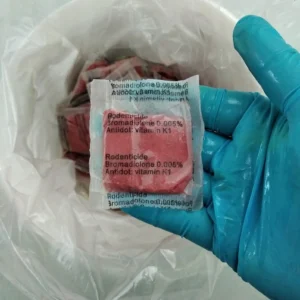
A rat only needs to eat second-generation poison once to get a fatal dose. This makes them really effective for pest control, but also much more dangerous to pets and wildlife.
Second-generation poisons stay in the body much longer too. They can remain in an animal’s liver and fat for weeks or even months. This means a dog that eats just one poisoned rat could get seriously sick.
Some rat poisons don’t thin blood at all. Bromethalin, for example, attacks the nervous system instead. Cholecalciferol (vitamin D3) causes calcium buildup that damages organs. But these non-anticoagulant poisons are less common than blood thinners.
Why Blood Thinning Is Dangerous
When blood can’t clot properly, even small injuries become life-threatening. Your body constantly deals with tiny damage to blood vessels that you never notice. Normally, clotting factors patch these up instantly.
Without clotting, these small leaks turn into big problems. Blood seeps into tissues, organs, and body cavities. You might see bruising on the skin, but the real danger is internal bleeding you can’t see.
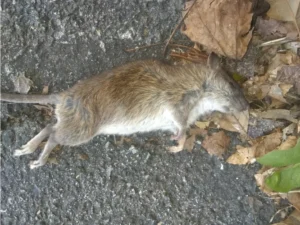
In rats, this internal bleeding happens in the chest, abdomen, and around organs. The rat slowly bleeds to death over several days. It’s not a quick or painless death, despite what some people think.
The same thing happens to dogs, cats, or wildlife that eat rat poison. A pet might seem fine for days, then suddenly collapse from internal bleeding. By the time you see symptoms, the damage is often severe.
Humans can also be affected if they accidentally eat rat poison. Kids are especially at risk because they might mistake poison blocks for candy or food. Even small amounts can cause problems in children because their bodies are smaller.
The blood-thinning effect doesn’t just cause bleeding. It also makes any bleeding much harder to stop. If a poisoned animal gets injured, even a small cut can bleed for hours.
Signs That Blood Has Been Thinned by Poison
If an animal has eaten rat poison, you won’t see signs right away. The poison needs time to build up and block enough vitamin K to cause problems.
In dogs and cats, symptoms usually appear 3 to 5 days after eating the poison. Sometimes it takes even longer, especially with second-generation poisons that stay in the body for weeks.
The first sign is often weakness or tiredness. The animal might not want to play or eat. This happens because internal bleeding is starting, and the body is losing blood.
You might notice pale gums. Healthy gums should be pink. When an animal is bleeding internally, gums turn white or very pale pink because there’s less blood flowing through them.
Difficulty breathing is another common sign. If blood is leaking into the chest cavity or lungs, the animal can’t breathe properly. You’ll see them panting or breathing fast even when resting.
Some animals cough up blood or have bloody noses. This happens when bleeding occurs in the lungs or nasal passages. Any blood coming from the nose, mouth, or other openings is a medical emergency.
Bruising under the skin shows up as purple or dark red patches. You might see this on the belly, legs, or anywhere the skin is thin. These bruises appear without any injury causing them.
Blood in urine or stool is another warning sign. Urine might look pink, red, or dark brown. Stool can be black and tarry, which means there’s digested blood in it.
In severe cases, the animal might collapse or have seizures. This happens when bleeding in the brain or severe blood loss affects the nervous system.
How Long Does Rat Poison Stays in the System?
Blood-thinning rat poisons don’t leave the body quickly. How long they stay depends on which type of poison was eaten and how much.
First-generation anticoagulants like warfarin stay in the body for about 5 to 7 days. During this time, they keep blocking vitamin K and preventing blood from clotting normally.
Second-generation anticoagulants last much longer. Brodifacoum, one of the most common types, can stay in the liver for up to 4 to 6 weeks. Some animals have shown effects for even longer than that.
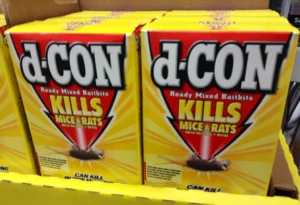
This long-lasting effect is really dangerous for wildlife. If a hawk eats a poisoned rat, the poison moves into the hawk’s body. The hawk might eat several poisoned rats over time, building up more and more poison in its system.
Even after the poison stops being eaten, the blood-thinning effects continue. Your body needs time to make new clotting factors, and it can’t do that until the poison is gone and vitamin K is available again.
Treatment with vitamin K can help reverse the effects, but you need to keep giving it for weeks. If you stop the vitamin K too early, the poison that’s still in the body will cause bleeding again.
Treatment for Rat Poison Exposure
If you think an animal has eaten rat poison, don’t wait for symptoms to appear. Get to a vet immediately. The faster you act, the better the chances of survival.
If the poison was eaten within the last few hours, the vet might make the animal vomit. This gets the poison out before it can be absorbed into the bloodstream.
Activated charcoal is often given next. This black powder binds to the poison in the stomach and intestines, stopping it from being absorbed. It works best when given soon after the poison was eaten.
The main treatment is vitamin K1 supplements. This gives the body what it needs to make clotting factors again. The vet will give vitamin K by injection first, then send you home with pills.
You’ll need to give these vitamin K pills for several weeks. The exact time depends on which poison was eaten. First-generation poisons might need 2 to 3 weeks of treatment. Second-generation poisons often need 4 to 6 weeks or longer.
Don’t stop giving the vitamin K early, even if your pet seems fine. The poison is still in their system, and stopping treatment too soon will cause bleeding to start again.
If the animal is already bleeding, they might need a blood transfusion. This replaces the blood that’s been lost and helps stabilize them while the vitamin K starts working.
In severe cases, the animal might need to stay at the vet hospital for several days. They’ll get IV fluids, oxygen, and close monitoring to watch for more bleeding.
Can Humans Be Affected by Rat Poison?
Yes, humans can definitely be affected by rat poison, and the blood-thinning effect works the same way in people as it does in animals.
Kids are at the highest risk because they’re more likely to put things in their mouths. Brightly colored poison blocks or pellets might look like candy to a young child.
Even a small amount of modern rat poison can cause problems in children. Their smaller body size means less poison is needed to cause harm.
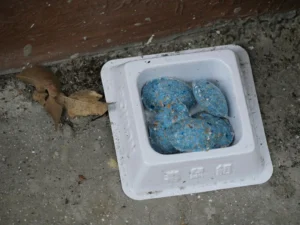
Adults usually don’t eat rat poison on purpose, but accidents can happen. Someone might mistake poison pellets for food, especially if they’re not stored properly or if the person has vision problems.
Some people have used rat poison to harm themselves or others. Because it causes internal bleeding that’s hard to detect at first, it’s been used in poisoning cases.
If someone eats rat poison, they need medical help right away. Don’t wait for symptoms to appear. Blood tests can show if the poison is affecting clotting factors before bleeding starts.
Treatment is the same as for animals: vitamin K supplements. People usually take vitamin K pills for several weeks to months, depending on how much poison was eaten.
Warfarin, one of the first-generation rat poisons, is actually used as human medicine. Doctors prescribe it as a blood thinner for people with certain heart conditions or blood clot risks. But the dose is very carefully controlled, and patients get regular blood tests to make sure it’s working safely.
How to Safely Use Rat Poison Around Your Home
If you decide to use rat poison, you need to be really careful to protect pets, kids, and wildlife.
Always put poison in bait stations. These are locked boxes that rats can get into, but dogs, cats, and kids can’t. Never just scatter poison pellets around where anything can eat them.
Place bait stations in areas where you’ve seen rat activity, but away from where pets or kids spend time. Good spots include along walls, in garages, or in crawl spaces that are blocked off.
Read the label carefully and follow all instructions. The label tells you how much poison to use, where to put it, and what to do in case of emergency.
Keep the poison packaging. If someone does eat the poison, you’ll need to tell the doctor or vet exactly which product it was. The package has important information about the active ingredient.
Check bait stations regularly. If rats aren’t eating the poison, you might need to move it to a different location. If all the poison is gone, add more but don’t overfill the station.
When rats start dying, they might die in walls or hard-to-reach places. This can create a smell problem. Some newer poisons claim to make rats seek water and die outside, but this doesn’t always work.
Consider using traps instead of poison. Snap traps and electric traps kill rats instantly without the risk of poisoning other animals. They’re safer if you have pets or small kids.
If you have pets, think carefully about whether you really need to use poison. There are other ways to control rats that don’t put your animals at risk.
Secondary Poisoning: When Predators Eat Poisoned Rats
One of the biggest problems with rat poison is secondary poisoning. This happens when another animal eats a rat that’s been poisoned.
When a rat eats poison, the chemicals build up in its body. The rat might not die right away, so it’s walking around with poison in its system for days.
Cats, dogs, hawks, owls, and other predators hunt these poisoned rats. When they eat the rat, they also eat all the poison that’s in the rat’s body.

One poisoned rat might not harm a large dog or hawk. But if the predator eats several poisoned rats over time, the poison builds up in their system too.
Second-generation anticoagulants are especially bad for this. Because they stay in the body so long, they keep accumulating. A hawk that eats poisoned rats regularly can build up fatal levels of poison.
Wildlife rehabilitation centers see many owls, hawks, and other birds of prey that are dying from rat poison. Blood tests show high levels of anticoagulants in their system, even though the birds never ate poison directly.
Bobcats, coyotes, and foxes can also be affected. Studies have found rat poison in a huge percentage of predators tested, even in areas far from cities.
There’s not much you can do to prevent secondary poisoning if you’re using rat poison. The poison will end up in the food chain no matter how careful you are.
This is another good reason to consider alternatives to poison. Traps kill rats without putting poison into the environment where other animals can be affected.
Conclusion
Rat poison does thin blood, and that’s exactly how it’s designed to kill rats. Most modern rat poisons contain anticoagulants that block vitamin K and stop blood from clotting properly.
This blood-thinning effect makes rat poison dangerous to much more than just rats. Pets, wildlife, and even people can be seriously harmed if they eat the poison or eat animals that have been poisoned.
The effects aren’t immediate, which makes rat poison especially tricky. An animal can seem fine for days before suddenly collapsing from internal bleeding. By that point, the damage might be severe.
If you use rat poison, take serious precautions. Use locked bait stations, keep poison away from pets and kids, and watch for any signs of poisoning in animals around your home.
Better yet, consider using traps or other methods that don’t involve poison. They’re safer for everyone and don’t put toxic chemicals into the environment where they can harm wildlife for weeks or months.
If you suspect any animal has eaten rat poison, don’t wait. Get to a vet or doctor immediately. Fast treatment with vitamin K can save lives, but only if you act quickly.

Hi, my name is Ezra Mushala, i have been interested animals all my life. I am the main author and editor here at snakeinformer.com.