
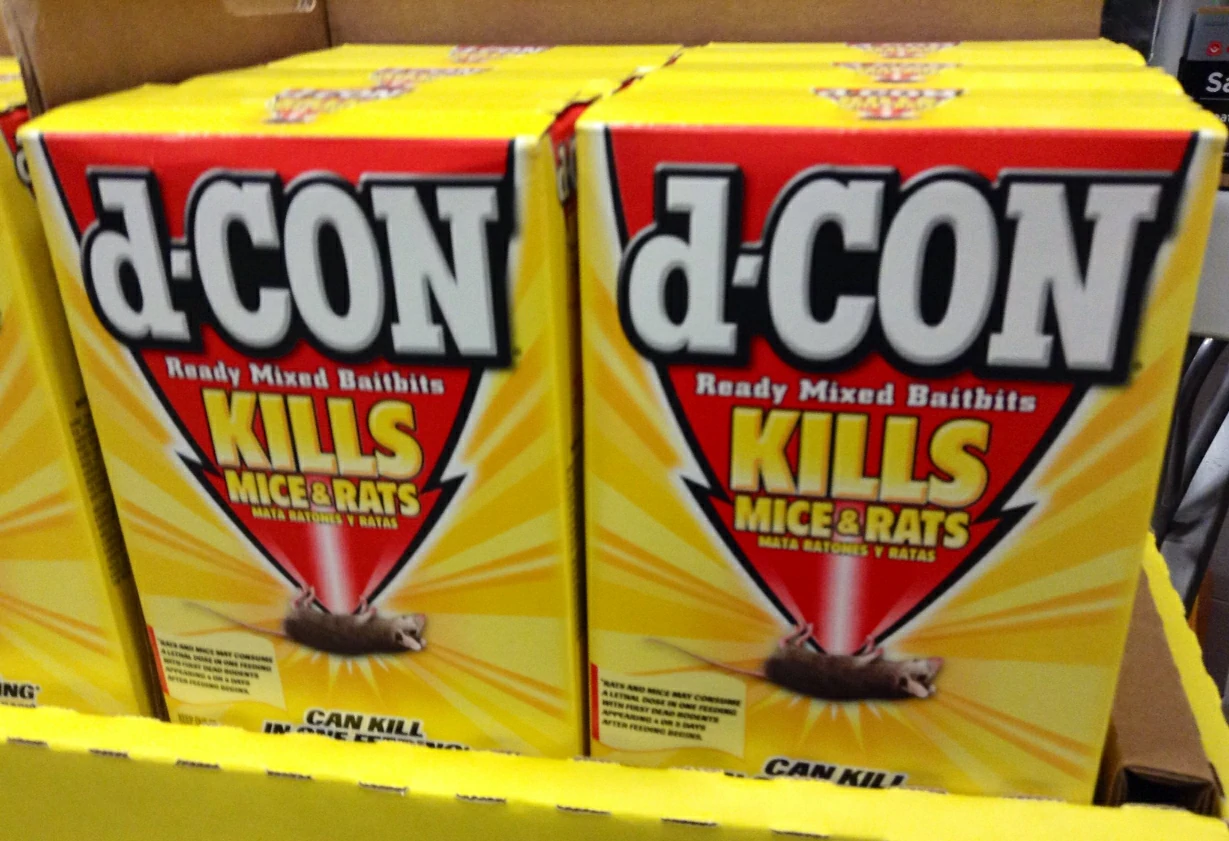
When you’re shopping for rat poison or you find some stored in your garage, you’ll notice it comes in different colors.
This might make you wonder if the color means something important. So what color is rat poison, and does the color tell you anything about what’s inside?
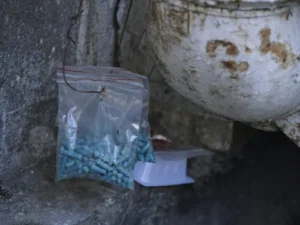
Rat poison comes in various colors including blue, green, red, purple, brown, and tan. The most common colors are blue and green. The color is artificial dye added to make the poison easy to identify and to warn people and animals that it’s toxic. The color doesn’t tell you exactly what type of poison it is, you need to read the label for that information.
Manufacturers use bright, unnatural colors on purpose. If rat poison was brown or gray, it might look like food. Bright blue or green clearly signals that something’s wrong.
Why Manufacturers Dye Rat Poison
The main reason rat poison is dyed is safety. Bright colors make the poison easy to spot and less likely to be confused with food.
If a child finds bright blue pellets on the floor, the unusual color might make them pause. Kids are taught that brightly colored things can be dangerous, like cleaning products or medicine.
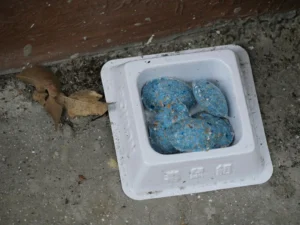
The color also helps adults identify the poison quickly. If you see green blocks in your basement, you know right away that it’s rat poison, not something else.
For pest control professionals, colors help them identify products. If they’re used to using blue bait blocks, they can spot them quickly when checking bait stations.
The dye also makes spills easier to clean up. If you drop bright green pellets on the floor, you can see every single one. If they were brown, you might miss some.
Common Colors of Rat Poison
Different brands use different colors, but some colors are more common than others.
| Rat Poison Color | How Common Is It? | Notes |
|---|---|---|
| Blue | Very common | One of the most common colors, especially in bait blocks. |
| Green | Very common | Another widely used color for blocks and pellets. |
| Red | Common | Used by several rodenticide products. |
| Tan or Brown | Common | Found in various grain-based and block formulations. |
| Pink | Less common | Some rodenticide baits are pink or reddish-pink. |
| Purple | Less common | Used in some professional and specialty products. |
| Blue-Green | Less common | Some baits have a turquoise or blue-green appearance. |
| Multiple Colors | Fairly common | Some blocks contain more than one color or have colored specks. |
Blue is probably the most popular color for rat poison. Many major brands like Tomcat use blue for their bait blocks. The blue is usually bright and obvious, not a natural shade you’d see in food.
Green is the second most common color. Products like Ramik and some JT Eaton baits are bright green. Again, it’s an unnatural shade of green that doesn’t look like any food.
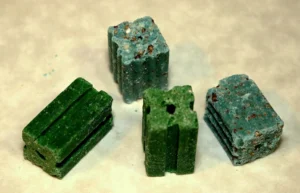
Red or purple rat poisons are less common but still exist. Some professional-grade products use these colors.
Tan or brown rat poison is usually older formulations or specialty products. These colors are less ideal for safety because they can look more like food.
Some rat poisons are multiple colors. You might find blocks that are blue with red specks, or green with tan chunks. This happens when different ingredients are mixed together.
Does Color Indicate the Type of Poison?
You might think that blue poison always contains one ingredient while green poison contains another. But it doesn’t work that way.
The color is just dye. It doesn’t directly correspond to the active ingredient. A blue rat poison might contain bromadiolone, brodifacoum, diphacinone, or something else entirely.
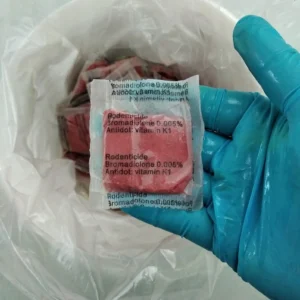
Different manufacturers use different colors for the same active ingredient. One company’s bromadiolone product might be blue, while another company’s bromadiolone product is green.
That said, there are some loose patterns. Many second-generation anticoagulant products tend to be blue or green. First-generation anticoagulants are sometimes tan or brown. But this isn’t a hard rule.
The only way to know what’s actually in the poison is to read the label. The front of the package will list the active ingredient.
How Color Helps in Emergencies
If someone eats rat poison, the color can be really helpful information for medical professionals.
When you call poison control or take someone to the emergency room, they’ll ask what the person ate. If you can say “bright blue pellets” or “green blocks,” that helps narrow down what it might be.
Emergency responders can use the color as a clue, even if you don’t have the package. If you say the poison was blue, they’ll know to look for common blue rat poisons and check for those active ingredients.
The color can also help doctors track what’s being ingested. If a child is found with blue residue on their hands or mouth, that’s a clue they might have eaten something blue.
In veterinary emergencies, the same thing applies. If your dog ate poison and you tell the vet it was green blocks, the vet can start thinking about common green rat poisons while you rush to bring the dog in.
This is why it’s so important to keep the poison package if someone’s been exposed. But if you don’t have it, at least remembering the color gives medical professionals a starting point.
Color Consistency Within Product Lines
While different brands use different colors, most brands are consistent within their own product lines.
If you buy Tomcat rat poison, most of their products are blue. Whether it’s bait blocks, pellets, or another form, it’s usually blue. This makes it easy for customers to recognize Tomcat products.
JT Eaton uses green for many of their products. If you’re familiar with JT Eaton, you associate green with their brand.
This consistency helps professionals too. If a pest control company always uses one brand, they get used to that color. They can spot their bait easily when checking stations.
But companies do sometimes use different colors for different product types. A company might use blue for their anticoagulant products and tan for their non-anticoagulant products.
Again, the only sure way to know what you’re dealing with is to read the label. Color is a helpful clue, but it’s not definitive.
Natural vs Artificial Colors
All the bright colors in rat poison are artificial. They’re synthetic dyes added during manufacturing.
Natural foods rarely come in bright blue or lime green. These colors are deliberately chosen because they don’t occur in nature, at least not in things people or animals normally eat.
The dyes used are usually the same food-grade dyes found in candies, drinks, and other consumer products. They’re safe to add to the poison because they don’t interfere with how the poison works.
Some rat poisons use colors that are closer to natural food colors, like brown or tan. These are usually older products or specialty formulations. They’re less ideal from a safety standpoint because they can be confused with food.
Modern rat poisons almost always use bright, obviously artificial colors. It’s a simple safety feature that saves lives.
Does Color Affect How Well Poison Works?
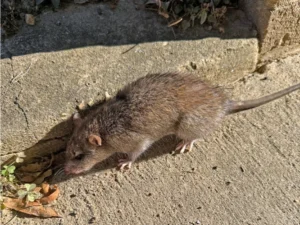
The color of rat poison has no effect on how well it works. Rats don’t care what color their food is. They rely mainly on smell and taste, not color.
The dye is inert, meaning it doesn’t do anything chemically. It’s just there for visual identification by humans.
You could make rat poison any color and it would work the same, as long as the active ingredient and the bait ingredients were the same.
Some people think certain colors might attract or repel rats, but there’s no evidence of this. Rats don’t have the same color vision humans do, and they don’t make decisions based on color.
What matters to a rat is how the poison smells and tastes. If it smells like grain or peanut butter or fish, the rat will be interested. The color is irrelevant.
Color Can Help as a Tracking Tool
Pest control professionals sometimes use the color of rat poison as a tracking tool.
If a pro puts out blue bait blocks in a building and later finds blue pellets or crumbs in a different area, they know rats are carrying the bait. This helps them track rat movement patterns.
Different colors can be used in different locations. A professional might use blue blocks on the first floor and green blocks on the second floor. If they find green pellets on the first floor, they know rats are traveling between floors.
This is one reason why professionals like having multiple colors available. It’s not about the poison working differently, it’s about being able to track what’s happening.
Color Preferences in Different Countries
Interestingly, rat poison colors vary a bit by country. What’s common in the United States might be different in Europe or Asia.
In the U.S., blue and green are the most common colors. Red and purple also show up.
In some European countries, red rat poison is more common. This might be because red is associated with danger in those cultures.
In Asia, color preferences can vary widely by region. Some areas prefer green, others prefer blue, and some use colors that are rare in the West.
This is mostly about marketing and tradition, not about effectiveness. Manufacturers choose colors that will sell well in their markets.
Is There Colorless or Clear Rat Poison?
You might wonder if there’s colorless or clear rat poison. The answer is mostly no, at least not in consumer products.
Liquid rat poisons can be clear or light-colored, but these are rarely sold to homeowners. They’re professional-use products.
Solid rat poison blocks and pellets are almost always dyed. It would be dangerous to sell colorless rat poison because it could easily be confused with food.
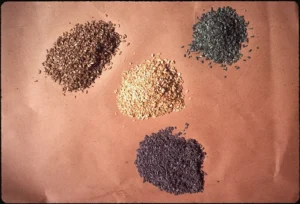
Some really old rat poisons from decades ago were brown or tan, which is close to colorless. But these are rare now because of safety concerns.
Regulations in many places require rat poison to be dyed a distinctive color. This is a public safety measure.
How to Dispose of Colored Rat Poison
When you’re done using rat poison, you need to dispose of it properly. The color doesn’t change how you do this.
Don’t throw rat poison in the regular trash where it could be accessible to animals or children. Even though it’s brightly colored, a desperate or curious animal might eat it.
Check your local regulations for hazardous waste disposal. Many areas have collection days for pesticides and poisons.
If your area doesn’t have special collection, the label might say you can wrap the poison in newspaper, put it in a sealed plastic bag, and put it in the trash. But check the label and local rules first.
Never pour liquid rat poison down the drain or toilet. This contaminates water.
The bright color of the poison makes it easier to clean up completely. You can see if you’ve missed any pellets or chunks.
Color and Pet Safety
The bright colors of rat poison should warn you to keep it away from pets, but they don’t always stop pets from eating it.
Dogs, in particular, will eat almost anything. A dog might see bright blue pellets and eat them anyway, especially if they smell like food.

Cats are usually more cautious, but they can still get into rat poison, either by eating it directly or by eating a poisoned rat.
The color is helpful when you’re trying to figure out if your pet ate poison. If you find bright blue crumbs near your dog’s mouth or in the area where the dog was, you know something’s wrong.
This is why bait stations are so important. Even though the poison is brightly colored, pets can still get into it if it’s not secured.
Does The Color Change Over Time?
Rat poison can change color over time, especially if it’s exposed to sunlight or moisture.
Blue rat poison might fade to a lighter blue or even grayish color if left in the sun. Green poison can fade to a yellowish or brownish color.
Wet poison might lose color as the dye dissolves or runs. You might see streaks of color where moisture has carried the dye.
Mold can also change the appearance of rat poison. If the blocks get moldy, they might develop white, green, or black patches that cover up the original color.
If your rat poison has changed color significantly, it’s probably old or degraded. It’s best to throw it out and get fresh poison.
Conclusion
Rat poison comes in various colors, with blue and green being the most common. The color is artificial dye added for safety it makes the poison easy to identify and helps prevent accidental poisoning.
The color doesn’t tell you what active ingredient is in the poison, for that you need to read the label.
The bright, unnatural colors serve an important safety function. They warn people and might even give children pause before eating the poison. They also make spills easy to spot and clean up.
If you find rat poison and you’re not sure what it is, the color can be a helpful clue. But always read the label to know exactly what you’re dealing with.
And remember, no matter what color it is, rat poison is dangerous and needs to be used and stored carefully.

Hi, my name is Ezra Mushala, i have been interested animals all my life. I am the main author and editor here at snakeinformer.com.