
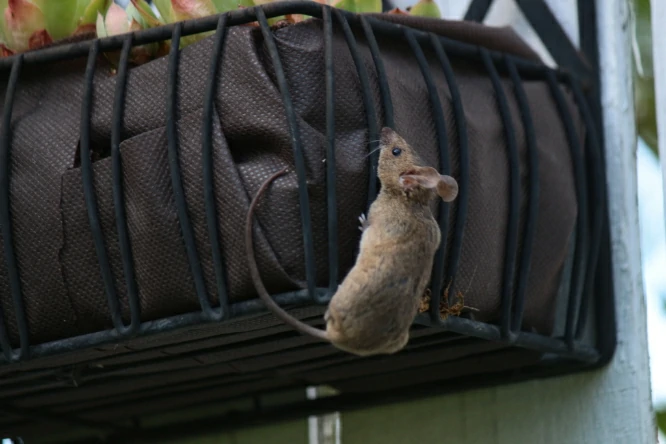
Your heating and cooling system keeps your house comfortable year-round, but it might also be giving mice an easy way inside. HVAC systems have ducts, vents, and connections throughout your home, and many of these create potential entry points that mice can use.
If you’ve noticed signs of mice and have an HVAC system, you might be wondering if there’s a connection. So can mice get in through HVAC?
Yes, mice can get into your house through your HVAC system. They can enter through exterior vents, gaps around ductwork where it passes through walls, damaged or disconnected ducts, and openings around the outdoor HVAC unit. Once inside the system, they can travel through ducts to reach different rooms in your home.
HVAC systems are especially attractive to mice because they offer warmth, shelter, and hidden pathways throughout your house. Understanding how mice use these systems can help you protect your home.
Why HVAC Systems Attract Mice
Mice don’t randomly choose to live in your heating and cooling system. There are specific reasons why HVAC systems are so appealing to them.
HVAC ducts provide warmth, especially in winter when your heating system is running. Mice can feel this heat from outside, and it tells them there’s a cozy place to nest nearby.
The ductwork creates hidden highways through your house. Once a mouse gets into your ducts, it can travel to almost any room without being seen. This gives mice access to food sources throughout your home.
HVAC systems are usually quiet and undisturbed. Unlike living spaces where you’re constantly moving around, the inside of ducts and mechanical spaces stay still and safe for mice.
Insulation around ducts makes perfect nesting material. Mice will tear apart duct insulation to build nests, which damages your HVAC system’s efficiency while giving them comfortable homes.
The outdoor components of your HVAC system often have gaps and openings. These are designed for airflow and drainage, but they also give mice easy access if they’re not properly screened.
Common HVAC Entry Points for Mice
Mice can find several ways into your HVAC system, and knowing these spots helps you protect your home.
Exterior vents are the most obvious entry point. Your HVAC system has vents on the outside of your house for fresh air intake, exhaust, or ventilation. If these vents don’t have proper screening or if the screens are damaged, mice can crawl right in.
Gaps around ductwork where it passes through walls, floors, or ceilings give mice access. When ducts are installed, there’s often a small space between the duct and the opening in the wall. If this isn’t sealed properly, mice can squeeze through.
The area around your outdoor AC unit or heat pump often has openings. There are usually gaps where refrigerant lines, electrical wiring, and drain lines go through your wall. These gaps are perfect for mice if they’re not sealed.
Disconnected or damaged ductwork in attics, basements, or crawl spaces provides easy entry. Over time, ducts can separate at joints, develop holes from rust or damage, or get torn by other repairs being done in those spaces.
Furnace cabinets sometimes have gaps around access panels or where utility lines enter. If your furnace isn’t completely sealed, mice can get inside the cabinet and from there into your ductwork.
Return air vents inside your house can be entry points if there are gaps around them or if they connect to wall cavities where mice are already present.
How Do Mice Travel Through HVAC Systems?
Once mice get into your HVAC system, understanding how they move around helps you find and eliminate them.
Mice can crawl through ductwork easily. Most residential ducts are large enough for mice to walk through comfortably. They follow the ducts wherever they lead throughout your house.
Mice tend to stay near the edges of ducts as they travel. They don’t like open spaces, so they’ll walk along the sides and corners of the ductwork rather than down the middle.
They can navigate vertical ducts by gripping the metal with their claws. While it’s harder than traveling horizontally, mice can climb up and down vertical duct sections to reach different floors of your house.
Mice will set up nests in wider sections of ductwork or in plenum spaces (the large boxes where smaller ducts connect to your main system). These areas give them room to build nests and raise babies.
They can’t travel through supply vents when your HVAC is running at full blast because the air pressure pushes them back. But during quieter times or when the system is off, mice can move freely.
Flexible ductwork (the ribbed plastic or foil ducts) is easier for mice to chew through than rigid metal ducts. If you have flex ducts in your attic or crawl space, mice can create holes to get in and out.
Signs Mice Are in Your HVAC System
You might not see mice in your ducts, but several signs indicate they’re there.
Strange smells coming from your vents are a big clue. Mouse urine has a strong ammonia-like odor, and when your HVAC runs, it blows this smell throughout your house. If mice die in your ducts, you’ll smell decomposition too.
Scratching or scurrying sounds coming from vents, walls, or ceilings often mean mice are in your ductwork. You’ll hear this most at night when mice are active and your house is quiet.
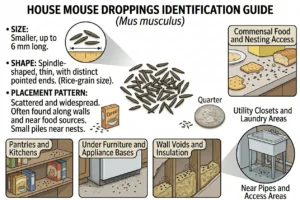
Mouse droppings near vents or registers show mice are using those areas. You might see droppings on the floor near supply vents or coming out of return air vents.
Seeing actual mice near vents or hearing them squeak inside vents is the most obvious sign. Sometimes mice peek out of vents or even accidentally fall out.
Increased allergy symptoms or respiratory issues in your family can result from mouse contamination in your ducts. Mouse droppings, urine, and dander get blown through your house every time the HVAC runs.
Reduced airflow from vents might indicate mice have built nests that are blocking ducts. If one room suddenly doesn’t heat or cool well, a blockage could be the problem.
Visible damage to insulation around ducts in your attic or basement shows where mice have been tearing material for nests.
Health Risks of Mice in Your HVAC
Having mice in your heating and cooling system creates serious health concerns beyond just property damage.
Mouse droppings and urine in your ductwork get blown throughout your house when your HVAC runs. Every breath you take could contain particles contaminated with mouse waste.
Mice carry diseases including Hantavirus, Salmonella, and Leptospirosis. When their droppings dry out and turn to dust, these pathogens become airborne and circulate through your ventilation system.

Allergens from mice (proteins in their urine, droppings, and dander) can trigger asthma attacks and allergic reactions. People with existing respiratory conditions are especially at risk.
If mice die in your ducts, decomposition creates awful odors and attracts other pests like flies and beetles. The bacteria from decomposition also get spread through your air.
Mice often carry parasites like fleas, ticks, and mites. These parasites can drop off in your ductwork and then get blown into your living spaces.
Children, elderly people, and those with weakened immune systems face the highest risk from mouse contamination in HVAC systems.
What Damage Can Mice Cause to HVAC Systems?
Beyond health risks, mice can seriously damage your heating and cooling equipment.
Mice chew through duct insulation to use as nesting material. This reduces your HVAC efficiency, increases energy bills, and can cost hundreds or thousands of dollars to replace.
They gnaw on electrical wiring inside HVAC equipment. This can cause your system to malfunction, short circuit, or even create fire hazards. Electrical damage from rodents is a surprisingly common cause of equipment failure.
Nests built in ductwork block airflow. This makes your HVAC system work harder, reduces efficiency, and can cause components to overheat and fail.
Mouse urine corrodes metal ductwork over time. The acidic urine can eat through thin metal, creating holes that leak conditioned air and reduce efficiency.
Chewed refrigerant lines or damaged components in your outdoor unit can cause refrigerant leaks. These are expensive to repair and require a professional HVAC technician.
Contaminated ducts may need professional cleaning or complete replacement. If mouse infestation is severe, simply killing the mice isn’t enough. The entire duct system might need to be cleaned or replaced to eliminate health hazards.
How to Inspect Your HVAC for Mouse Entry Points
Finding how mice are getting into your system is the first step in solving the problem.
Start by checking all exterior vents. Look at your furnace exhaust vent, fresh air intake vents, bathroom exhaust vents, and any other openings. Make sure they all have screens and that the screens aren’t damaged.
Go into your attic and basement to inspect visible ductwork. Look for holes, gaps at joints, or any damage. Bring a flashlight and really examine all accessible ducts.
Check around your outdoor HVAC unit. Look at where refrigerant lines and electrical conduits enter your house. These should be sealed with caulk or foam, but often they’re not.
Examine the area around your furnace or air handler. Look for gaps around access panels, utility connections, and where ducts connect to the unit.
Look at return air vents inside your house. Check if there are gaps around the vent covers where they meet the wall. Sometimes these connect to wall cavities that mice can access.
If you can safely do so, look inside your ductwork with a flashlight through register openings. You might see droppings, nesting material, or damage from inside.
Consider hiring an HVAC technician to do a thorough inspection. They have cameras and tools to see inside ducts that you can’t access, and they know what to look for.
How to Seal HVAC Entry Points to Keep Mice Out
Once you find how mice are getting in, you need to seal those openings properly.
Install or replace screens on all exterior vents. Use hardware cloth (metal mesh) with 1/4 inch or smaller openings. This keeps mice out while allowing proper airflow.
Seal gaps around ductwork with appropriate materials. For small gaps, use caulk or expanding foam. For larger openings, stuff steel wool into the gap first, then cover it with foam or caulk.
Seal all penetrations where utilities enter your house. Where refrigerant lines, electrical conduit, or gas lines pass through walls, use caulk, foam, or cement to fill all the space around them.
Repair or replace damaged ductwork. If ducts are torn, rusted, or disconnected, they need to be fixed. Use metal tape (not regular duct tape) or mastic sealant to seal duct joints.
Make sure your outdoor HVAC unit sits on a proper pad with no gaps underneath. If there’s space under the unit where mice can get in, seal it or raise the unit properly.
Install weatherstripping around furnace access panels if there are gaps. This keeps mice out while still allowing you to access the equipment for maintenance.
When Does an HVAC System Need Professional Cleaning After a Mouse Infestation?
If you’ve had mice in your HVAC system, cleaning or replacement might be necessary.
Professional duct cleaning removes mouse droppings, urine, nesting material, and dead mice from your system. This isn’t a DIY job – it requires specialized equipment and should be done by certified professionals.

During cleaning, technicians use powerful vacuums and rotary brushes to scrub the inside of ducts. They’ll also sanitize the system to kill bacteria and eliminate odors.
Severely contaminated or damaged ducts might need complete replacement. If mice have destroyed insulation, chewed through metal, or left extensive contamination, replacement is sometimes more cost-effective than cleaning.
After cleaning, the company should seal any entry points they find. A good duct cleaning service will include an inspection and sealing as part of the job.
Ask about antimicrobial treatments. Some companies offer to spray the inside of ducts with antimicrobial solutions to prevent future bacterial and fungal growth.
Get quotes from multiple companies and make sure they’re certified by the National Air Duct Cleaners Association (NADCA). Not all duct cleaning companies are reputable, so do your research.
How to Prevent Future Mouse Problems in Your HVAC System
Once you’ve eliminated mice from your HVAC system, keep them from coming back.
Schedule regular HVAC maintenance. Have a technician service your system annually. They’ll check for gaps, damage, or any signs of pests during their inspection.
Replace your air filters regularly (every 1-3 months). While filters won’t keep mice out, checking them monthly gives you a chance to spot signs of mice before the infestation gets bad.
Keep vegetation trimmed away from your outdoor HVAC unit. Overgrown bushes and plants provide cover for mice and make your unit more accessible to them.
Store items away from your HVAC equipment. Don’t pile boxes, clutter, or storage near your furnace, AC unit, or ductwork. Clutter gives mice places to hide and nest.
Check your attic and crawl space regularly for signs of mice. These areas often have exposed ductwork, and early detection prevents bigger problems.
Consider installing ultrasonic pest repellers near your HVAC equipment. These devices emit sounds that mice don’t like. Their effectiveness is debated, but they might help as part of a larger prevention strategy.
Make your whole house less attractive to mice. Seal other entry points, eliminate food sources, and reduce clutter. If mice can’t get into your house at all, they can’t get into your HVAC either.
When Should You Call an Exterminator?
Some mouse problems in HVAC systems require professional pest control help.
If you’re hearing mice in your ducts but can’t find where they’re getting in, an exterminator can do a thorough inspection and find all the entry points.
When you see multiple mice or evidence of a large infestation, professional treatment works faster and more effectively than DIY methods.
If mice keep coming back after you’ve tried to seal entry points yourself, a professional can identify what you’re missing.
For mice that have died in your ductwork, exterminators can locate and remove the bodies. This prevents the terrible smell of decomposition and eliminates health hazards.
When dealing with mice in hard-to-reach areas like inside walls or ceiling cavities connected to your HVAC, professionals have the tools and experience to handle the situation safely.
If you’re uncomfortable handling pest control yourself or don’t want to deal with traps and dead mice, professional service is worth the cost.
Conclusion
Mice can definitely get into your house through your HVAC system, and once they’re in the ductwork, they can travel throughout your entire home. The combination of warmth, shelter, and hidden pathways makes HVAC systems very attractive to these pests.
The key to prevention is sealing all the entry points where mice can access your system. Check exterior vents, seal gaps around ductwork and utility lines, and repair any damaged or disconnected ducts. Regular inspection and maintenance of your HVAC system helps catch problems early.
If you already have mice in your HVAC, you need to eliminate them quickly. The health risks from contaminated air and the potential damage to your system are serious. Get rid of the mice, clean or replace contaminated ductwork, and seal all entry points to prevent them from coming back.
Your HVAC system is essential for comfort and health in your home. Don’t let mice turn it into their personal highway system.

Hi, my name is Ezra Mushala, i have been interested animals all my life. I am the main author and editor here at snakeinformer.com.