
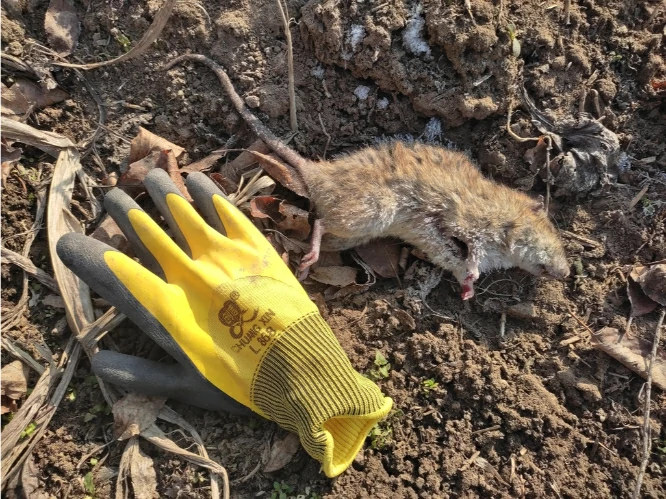
Rat poison is one of the most common methods people use to control rat infestations, but many don’t realize what actually happens after a rat eats the poison.
The timing matters a lot, especially if you’re trying to get rid of rats in your home or business. So how long does it take for rat poison to actually kill a rat?
Most rats die 3 to 7 days after eating rat poison, though it can take as little as 24 hours or as long as 2 weeks depending on the type of poison used, how much the rat ate, and the rat’s size and health.
The timing isn’t instant like you might expect. Rat poisons are designed to work slowly so the rats don’t become suspicious and avoid the bait.
If rats saw their friends dropping dead immediately after eating something, they’d learn to stay away from it. The delayed effect tricks them into eating enough poison to be fatal.
Why Rat Poison Takes Days to Work
Rat poisons don’t work like you see in cartoons where the animal eats something and immediately falls over. The process is actually designed to be slow and gradual.
Most modern rat poisons are anticoagulants, which means they stop the rat’s blood from clotting properly.
After a rat eats anticoagulant poison, the chemical builds up in its system over several days.
During this time, the rat keeps bleeding internally because its blood can’t clot to stop the bleeding.
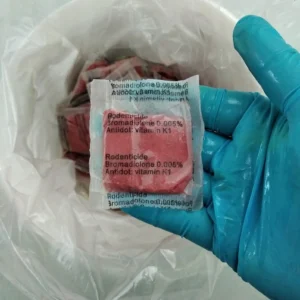
The rat doesn’t realize anything is wrong at first. It might eat the poison multiple times over several days, which makes the effect even stronger.
By the time the rat starts feeling sick, it’s already consumed a lethal dose.
This delayed action serves another purpose too. Rats are really smart and cautious about new foods.
If a poison killed instantly, other rats would see their dead companions near the bait and avoid it completely.
The slow-acting poison means rats don’t connect the bait with the death, so they keep eating it.
Different Types of Rat Poison and Their Timelines
Not all rat poisons work the same way or take the same amount of time to kill rats.
The type of poison makes a big difference in how quickly a rat starts showing effects.
| Type of rat poison | Examples | How it works | Typical time to kill |
|---|---|---|---|
| First-generation anticoagulants | Warfarin, chlorophacinone | Prevents normal blood clotting. Rats usually need to eat multiple doses over several days. | 5–7 days |
| Second-generation anticoagulants | Bromadiolone, brodifacoum | Prevents blood clotting and is more potent than first-generation anticoagulants. A single feeding can provide a fatal dose. | 3–5 days |
| Non-anticoagulants | Bromethalin | Attacks the nervous system rather than interfering with blood clotting. | 24–48 hours |
| Cholecalciferol (vitamin D3) | Cholecalciferol | Causes calcium to build up in the blood, which damages internal organs. | 3–4 days |
First-generation anticoagulants (like warfarin and chlorophacinone) usually take 5 to 7 days to kill a rat.
These older poisons require the rat to eat multiple doses over several days to build up a lethal amount in their system. A rat needs to eat this type of poison repeatedly to die from it.
Second-generation anticoagulants (like bromadiolone and brodifacoum) are much more powerful. These can kill a rat in 3 to 5 days, sometimes even sooner.
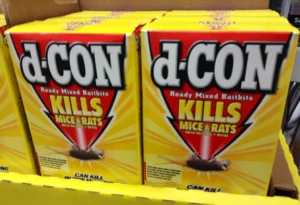
A rat only needs to eat this type of poison once to receive a fatal dose, though they often eat it multiple times before they start feeling sick.
Non-anticoagulant poisons like bromethalin work differently. This type attacks the rat’s nervous system and can kill in as little as 24 to 48 hours.
However, it’s less commonly used because it can be more dangerous to pets and wildlife.
Cholecalciferol (vitamin D3) poisons take about 3 to 4 days to work. They cause a buildup of calcium in the rat’s blood that damages organs.
This type is sometimes marketed as safer for the environment, though it’s still toxic to other animals.
What Happens to a Rat After It Eats Poison?
Understanding what actually happens inside the rat’s body can help you know what to expect when using rat poison.
In the first 24 to 48 hours after eating anticoagulant poison, the rat appears completely normal.
It continues its regular activities like eating, drinking, and moving around. During this time, the poison is being absorbed into its bloodstream and starting to interfere with its blood clotting factors.
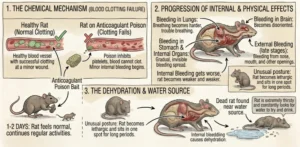
By day 3 or 4, the rat starts experiencing internal bleeding. This happens in its organs, muscles, and sometimes its brain.
The rat might become less active and move more slowly. It might stop eating as much because it’s feeling sick.
As the internal bleeding gets worse, the rat becomes weak and lethargic. It might have trouble breathing if there’s bleeding in its lungs.
Some rats develop nosebleeds or blood in their urine, though these signs aren’t always visible.
In the final stages (usually days 5 to 7), the rat becomes very weak and can barely move.
It might seek out a quiet, hidden spot to die. Many rats die in their nests or in dark corners where they feel safe.
The actual cause of death is usually massive internal bleeding that leads to organ failure and shock.
By this point, the rat has lost so much blood internally that its organs can’t function anymore.
Where Rats Go to Die After Eating Poison
One of the biggest problems with using rat poison is that you often can’t control where the rat will die.
Contrary to popular belief, rats don’t go outside looking for water when they’re dying from poison. This is a myth that poison manufacturers used to claim, but it’s not true.
Rats that are sick and dying usually seek out dark, quiet, hidden places where they feel safe.
Inside your home, poisoned rats often die in wall voids, under floors, in attics, or behind appliances.
These are the same places where they normally hide during the day, so it makes sense that they’d retreat there when they’re sick.
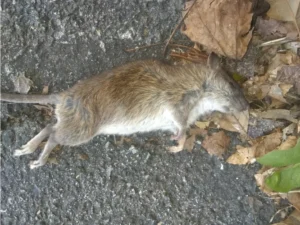
This creates a serious problem because you can’t easily access these areas to remove the dead rat. As the body decomposes, it creates a terrible smell that can last for weeks.
The smell gets into your walls and can be almost impossible to get rid of without tearing open the walls to find and remove the body.
Some rats die in their outdoor burrows or nests if they’ve been feeding on poison outside. This is actually better because the decomposition happens away from your living space.
However, rats that have been feeding both indoors and outdoors might die in either location.
You can’t predict or control where a poisoned rat will die. This is why many pest control professionals prefer using traps instead of poison for rats inside homes.
Signs That Rat Poison Is Working
If you’ve put out rat poison, you’ll want to know if it’s actually working. Here are the signs to watch for.
The bait gets eaten. This is the most obvious sign. Check your bait stations regularly to see if the poison blocks or pellets are being consumed.
If they’re disappearing, rats are definitely eating them.
You might notice dead rats. You’ll usually find them in areas where rats commonly travel, though as mentioned earlier, many die in hidden spots.
If you start finding dead rats a few days after putting out poison, that’s a clear sign it’s working.
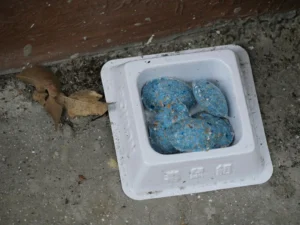
Rat activity decreases. After about a week of putting out poison, you should notice less evidence of rats. You’ll see fewer droppings, hear less scratching and scurrying, and notice that food isn’t being chewed or contaminated as much.
The poison stops being eaten. Eventually, if the poison is working, you’ll notice that the bait isn’t being consumed anymore. This could mean you’ve killed off the rat population (or at least most of it).
However, be careful about assuming you’ve solved the problem too quickly. Rats breed really fast, and new rats can move into the area from neighboring properties. You might need to keep bait stations active for several weeks to make sure you’ve gotten rid of all the rats.
Factors That Affect How Fast Poison Works
Not every rat dies on the same timeline after eating poison. Several factors can speed up or slow down the process.
The rat’s size makes a big difference. Larger rats need to eat more poison to receive a lethal dose, so they might survive longer than smaller rats that ate the same amount.
A big Norway rat might take 7 days to die, while a younger, smaller rat might die in 4 days from the same poison.
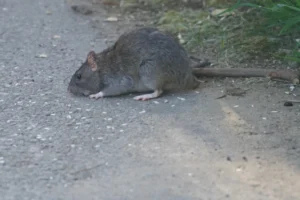
How much poison the rat ate matters too. A rat that eats a large amount of poison in one feeding will die faster than a rat that only nibbles a small amount.
This is why it’s important to keep bait stations well-stocked so rats can eat as much as they want.
The rat’s overall health affects the timeline. A rat that’s already sick, old, or weak will die faster from poison than a healthy young rat. Their bodies can’t handle the stress of the poison as well.
Whether the rat has built up resistance is another factor. In some areas, rats have developed genetic resistance to certain types of poison, especially first-generation anticoagulants.
These resistant rats might survive doses that would kill normal rats, or they might take much longer to die.
Access to food and water can also play a role. A well-fed, hydrated rat might survive longer than a rat that’s already struggling to find food and water.
Though contrary to the myth, drinking water doesn’t make the poison work faster.
The Dangers of Dead Rats from Poison
When rats die from poison, they create several hazards that you need to be aware of.
The smell of decomposition is the most immediate problem. A dead rat in your walls or under your floor will create an incredibly strong, nauseating odor that can last 2 to 3 weeks.
The smell comes from gases produced as bacteria break down the body, and it gets worse over the first week before gradually improving.
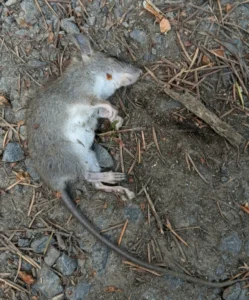
Dead rats attract other pests. Flies will lay eggs in the carcass, which hatch into maggots. Beetles and other insects that feed on dead animals will also be drawn to it. You might end up with a secondary infestation of insects because of the dead rat.
There are health risks from decomposing rats. The bacteria involved in decomposition can spread through the air and potentially cause respiratory problems for people with asthma or allergies.
Though the risk of disease transmission from a dead rat is actually lower than from a live one.
If you have pets, there’s a risk of secondary poisoning. A dog or cat that finds and eats a poisoned rat can get sick from the poison in the rat’s body.
This is especially dangerous with second-generation anticoagulants, which stay in the rat’s system at high levels.
Secondary Poisoning: A Hidden Danger
One of the most serious problems with rat poison is that it doesn’t just affect rats.
Secondary poisoning happens when another animal eats a poisoned rat and gets sick from the poison in the rat’s body. This is a major concern for pet owners and wildlife.
Dogs and cats are at high risk of secondary poisoning. If your dog finds and eats a rat that recently ate poison, it can ingest enough poison to get sick or even die. Cats that hunt rats are also at risk, though they’re less likely to eat an entire rat.
Second-generation anticoagulants are especially dangerous because they persist in the rat’s body at high concentrations. A single poisoned rat can contain enough toxin to seriously harm a cat or small dog.
Wild predators like hawks, owls, foxes, and bobcats also suffer from secondary poisoning. These animals naturally hunt rats, and when they eat poisoned rats, they ingest the toxins.

This has led to serious declines in some predator populations in areas where rat poison is heavily used.
If you have pets and you’re using rat poison, you need to be extremely careful. Watch for signs of poisoning in your pets (bleeding gums, lethargy, trouble breathing, blood in urine or stool) and take them to a vet immediately if you suspect they’ve been exposed.
Better Alternatives to Rat Poison
Given all the problems with rat poison, many people are looking for safer, more effective alternatives.
Snap traps are one of the best options for controlling rats inside your home. They kill instantly, so you know exactly where the dead rat is and can remove it immediately.
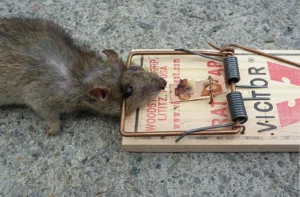
There’s no waiting period, no smell from decomposition in your walls, and no risk of secondary poisoning to pets.
Live traps let you catch rats without killing them, though you need to release them far from your home (at least a mile away) or they’ll just come back.
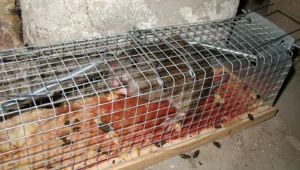
Check local laws before relocating rats, as it’s illegal in some areas.
Electronic traps deliver a high-voltage shock that kills rats instantly. These are more expensive than snap traps but very effective, and they’re enclosed so you don’t have to see the dead rat.
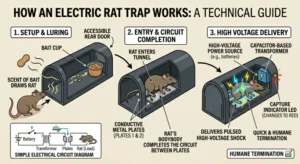
Exclusion is actually the best long-term solution. This means sealing up all the holes and gaps that rats use to get into your building.
Rats can’t become a problem inside your home if they can’t get in. Use steel wool, metal mesh, or cement to seal openings.
Good sanitation helps a lot too. If you remove food sources (secure your garbage, clean up spills, store food in sealed containers), rats will be less attracted to your property in the first place.
What to Do If You Find a Dying Rat
If you come across a rat that’s clearly sick and dying from poison, you’ll need to handle the situation carefully.
Don’t touch the rat with your bare hands. Even a dying rat can bite if it feels threatened, and rat bites can transmit diseases. Also, the rat might have poison in its saliva or on its fur.
If the rat is in an accessible area, use gloves and a plastic bag to pick it up. Turn the bag inside out over the rat so you don’t have to touch it directly. Seal the bag and dispose of it in your outdoor trash.
If you have pets, keep them away from the dying or dead rat. Don’t let them sniff it, lick it, or try to pick it up. The risk of secondary poisoning is highest when the rat has recently eaten poison.
If the rat is in your wall or another inaccessible area, you’ll probably just have to wait for it to die and decompose. There’s not much you can do unless you’re willing to tear open the wall to remove it.
Watch for other dying rats in the same area. If you found one, there are probably others that ate the same poison and will die around the same time.
Conclusion
Rat poison typically takes 3 to 7 days to kill a rat, depending on the type of poison used and various other factors.
While this delayed action helps ensure rats actually eat enough poison to die, it also creates challenges like not knowing where rats will die and the risk of secondary poisoning to pets and wildlife.
Understanding how rat poison works and how long it takes can help you make better decisions about rat control. For many situations, especially inside homes, alternative methods like traps and exclusion might be safer and more effective than poison.
If you do choose to use poison, make sure you understand the risks and take proper precautions to protect pets, children, and wildlife.

Hi, my name is Ezra Mushala, i have been interested animals all my life. I am the main author and editor here at snakeinformer.com.