
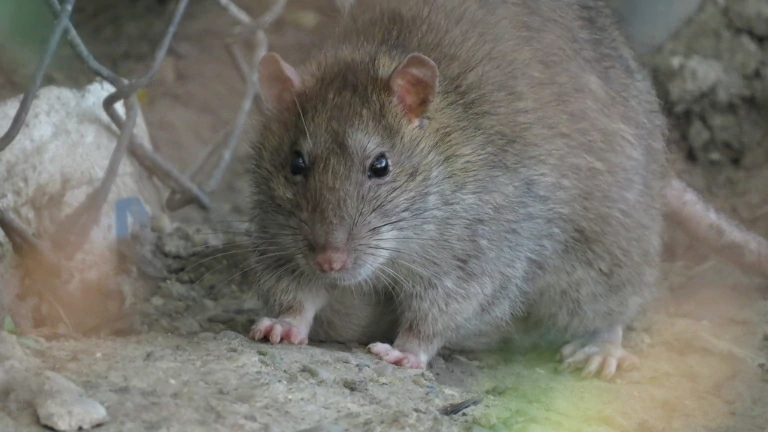
You’ve successfully caught a rat in your glue trap, but now you’re faced with the unpleasant task of dealing with it. Whether the rat is alive or dead, the thought of touching it with your bare hands is probably making you uncomfortable.
Rats can carry diseases, they might bite if they’re still alive, and the whole situation is just not something most people want to handle directly.
The good news is that you don’t have to touch the rat at all if you use the right approach. So how do you remove a rat from a glue trap without touching it?
You can remove a rat from a glue trap without touching it by using a plastic bag as a barrier, long-handled tools like tongs or a dustpan, or by picking up the entire trap with the rat still attached and disposing of everything together. Always wear gloves even when not directly touching the rat.
The key is creating distance between yourself and the rat while still safely disposing of it. There are several methods that work well, and which one you choose depends on whether the rat is alive or dead and what supplies you have available.
With proper technique, you can handle the entire situation without any direct contact with the rat.
Why You Should Avoid Touching Rats
There are several important reasons why you don’t want to touch a rat, even a dead one. Rats can carry serious diseases including leptospirosis, hantavirus, salmonella, rat-bite fever, and others.
These diseases can be transmitted through the rat’s urine, feces, saliva, or blood. If you have any cuts or scratches on your hands, disease-causing bacteria can enter your body.

If a rat is alive when you try to handle it, there’s a very real risk of being bitten. Rat bites are painful and can become seriously infected because of the bacteria in the rat’s mouth.
Even a dead rat poses risks because it’s still carrying all those disease-causing organisms on its body. The glue trap itself will also have the rat’s bodily fluids on it, which means touching the trap is almost as risky as touching the rat.
Beyond health concerns, rats also carry parasites like fleas, mites, and ticks. These parasites can jump or crawl onto you when you’re handling a rat or trap.
Some of these parasites can transmit additional diseases or cause skin irritation and allergic reactions.
Essential Safety Equipment You’ll Need
Before you do anything with a trapped rat, gather the right protective equipment. You absolutely need thick gloves, even though the whole point is not touching the rat.
Gloves provide an extra layer of protection in case something goes wrong. Disposable nitrile gloves work well, or you can use thick rubber cleaning gloves or leather work gloves.
Whatever you choose, make sure they cover your wrists so there’s no exposed skin. You’ll also want a face mask or at least cover your nose and mouth with a bandana or cloth.
This protects you from breathing in any particles from the rat’s dried urine or feces, which can carry diseases. Safety glasses or regular glasses are a good idea too because they protect your eyes if the rat struggles and sprays urine or if anything else splashes.
Have several large plastic bags ready (garbage bags work well), a long-handled tool like kitchen tongs, BBQ tongs, or a large spatula, paper towels or newspaper, disinfectant spray or bleach solution, and a sealed container like a plastic bucket with a lid if you need to transport the trap. Having everything ready before you start means you won’t have to stop midway through to find something you need.
The Plastic Bag Method for Dead Rats
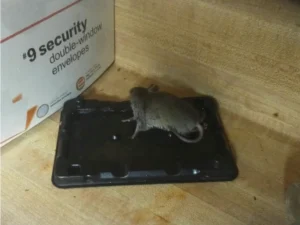
If the rat on your trap is dead, the plastic bag method is the simplest and most effective way to dispose of it without touching anything. Put on your gloves first, even though you won’t be touching the rat directly.
Take a large plastic garbage bag and turn it inside out over your hand like a glove. Use this bag-covered hand to pick up the glue trap with the dead rat on it.
The plastic creates a barrier between you and the trap. Once you’ve grabbed the trap through the bag, use your other hand to pull the bag right-side out over the trap, essentially turning the bag inside out and sealing the trap and rat inside.
Tie the bag closed tightly. For extra protection, place this bag inside a second garbage bag and tie that one closed too.
This double-bagging prevents any leaks and contains the smell. Dispose of the bags in your outdoor garbage can immediately.
Don’t leave them sitting around inside your house. After disposing of the trap, take off your gloves by turning them inside out (so any contamination stays inside the gloves) and throw them away too.
Wash your hands thoroughly with hot water and soap for at least 20 seconds.
Using Long-Handled Tools to Move the Trap
If you don’t want to use the bag method, or if you need to move the trap before disposing of it, long-handled tools work well. Kitchen tongs, especially the kind used for serving or grilling, give you good reach and control.
Make sure the tongs are ones you’ll throw away afterwards or thoroughly disinfect because you don’t want to use them for food again without serious cleaning. Put on your gloves and face mask.
Use the tongs to firmly grip the edge of the trap, as far from the rat as possible. Lift the trap carefully and place it into a garbage bag or bucket.
If the rat is alive and struggling, work quickly but don’t make sudden movements that might stress the rat more or cause it to break free from the trap. A large metal spatula or dustpan also works well for sliding under the trap and lifting it.
This is especially useful if the trap is stuck to the floor or if you placed it somewhere difficult to reach. Once you’ve moved the trap to where you want it, you can either dispose of it using the bag method described above or seal it in a lidded bucket if you need to transport it somewhere.
Dealing with a Live Rat on the Trap
If the rat is still alive when you find it, the situation is more complicated. A live rat is unpredictable and might struggle, bite, or spray urine when you try to move the trap.
First, decide what you’re going to do with the rat. Your options are to euthanize it humanely, release it (see our earlier discussion about why this is complicated), or call animal control or a pest control company to handle it.
If you’re going to euthanize the rat yourself, the most humane method for an untrained person is a quick, strong blow to the head with a heavy object. This kills instantly but it’s not something everyone can bring themselves to do.
If you can’t do it, don’t try. Call for professional help instead.
If you’re moving a live rat while it’s still on the trap, work very carefully. Use the bag method or tongs to pick up the trap while giving the rat as much space as possible.
Don’t put your hands anywhere near the rat’s mouth. Rats can twist around and bite even when stuck, especially if only their back legs are caught.
Move the rat to wherever you plan to deal with it (outside, to a sealed container, etc.) as quickly as possible to minimize its stress and your risk.
Creating a Disposal Station Outside
One of the safest approaches is to set up a disposal station outside before you even start handling the trap. This way you can move the rat directly from where you found it to the disposal area without having to carry it through your house.
Choose a spot outside that’s away from where people walk or where pets play. Set out your garbage bag or bucket with the opening ready.
Have your tools nearby. This setup means you make one trip: pick up the trap, carry it outside, dispose of it immediately.
You don’t have to worry about accidentally dropping it inside your house or trying to open doors while holding a rat. If you’re dealing with multiple traps, you can dispose of them all at once in this station rather than making multiple trips.
This is especially useful if you’ve caught several rats or if you have traps in different areas of your home. Just make sure you secure the area so pets or children don’t investigate while you’re working.
What to Do If the Trap Is Stuck to the Floor
Sometimes glue traps stick to the floor, making them harder to remove. If this happens, don’t try to rip the trap off because you might damage your flooring or cause the rat to break free.
Instead, use a thin, flat tool like a putty knife, old credit card, or metal spatula to carefully slide under the edge of the trap. Work slowly and gently to separate the trap from the floor.
You might need to use a small amount of cooking oil on the edges where the trap is stuck to help loosen it. Once you’ve gotten the trap loose, immediately pick it up using the bag method or tongs and dispose of it.
If the trap is really stuck and won’t budge, you can cut around it using scissors or a utility knife (being very careful not to cut yourself or the rat). This sacrifices a small piece of your floor but allows you to remove the trap and rat together.
You can repair the floor later after everything is cleaned up and sanitized.
Cleaning the Area After Removal
Once you’ve removed the trap and rat, the area where the trap was sitting needs to be cleaned and disinfected. Rats leave behind urine, feces, and other bodily fluids that can carry disease.
Put on fresh gloves before you start cleaning. Spray the area with a disinfectant solution (you can use a bleach solution of 1 part bleach to 10 parts water, or a commercial disinfectant).
Let it sit for at least 10 minutes to kill any bacteria or viruses. Wipe up the disinfectant with paper towels and throw the paper towels in a garbage bag.
Don’t use cloth rags that you’ll wash and reuse because you could contaminate your washing machine. If there are any stuck bits of glue residue on your floor, use cooking oil to dissolve them, then clean that area with dish soap and water, and finish with disinfectant.
Make sure you ventilate the area while you’re cleaning, especially if you’re using bleach. Open windows and turn on fans to keep fresh air moving through the space.
After cleaning, wash your hands thoroughly even though you were wearing gloves.
Disposing of the Trap and Rat Properly
How you dispose of the trap depends on your local regulations and what’s available to you. In most places, you can simply put the bagged trap in your regular garbage.
Make sure it’s sealed in at least one (preferably two) garbage bags so nothing leaks out and so the smell is contained. Put it directly in your outdoor garbage can, not inside your house.
If possible, dispose of it on garbage day or shortly before so it doesn’t sit in your can for a week. Some areas have specific regulations about disposing of dead animals.
Check with your local waste management department if you’re not sure. In some places, you might need to take the rat to a specific disposal site or contact animal control for pickup.
Never flush a rat down the toilet because it can cause plumbing problems and it’s not a humane way to kill a rat if it’s still alive. Don’t bury rats in your yard because they can attract other predators and pests, and the decomposition can contaminate soil and water.
If you can’t dispose of a trapped rat yourself for any reason, call your local animal control department or a pest control company and ask them to come pick it up.
What If You Accidentally Touch the Rat or Trap
If despite your best efforts you do end up touching the rat or the trap with your bare skin, don’t panic but do take immediate action. Wash your hands thoroughly with hot water and antibacterial soap for at least 30 seconds.
Scrub under your nails and between your fingers. If you have any cuts or scratches on your hands, wash them extra thoroughly and apply antibiotic ointment.
Watch the affected area over the next few days for signs of infection like redness, swelling, warmth, or pus. If you were bitten or scratched by a live rat, wash the wound immediately with soap and water, apply pressure if it’s bleeding, and seek medical attention.
Rat bites can become seriously infected and you might need antibiotics or a tetanus shot. Tell the doctor exactly what happened so they can provide appropriate treatment.
If you got rat urine, feces, or blood on your skin, wash the area thoroughly and monitor yourself for signs of illness over the next few weeks. Symptoms to watch for include fever, headache, muscle aches, nausea, or rash.
If you develop any of these symptoms, see a doctor and tell them you were exposed to a rat.
Using a Bucket and Lid Method
Another hands-off approach is the bucket method, which is especially useful if you need to move a trap with a live rat or if you want to contain everything completely before disposal.
Get a plastic bucket that’s large enough to hold the trap with some room to spare, and make sure it has a tight-fitting lid.
Wear your gloves and use tongs or the bag method to pick up the trap. Quickly lower it into the bucket and immediately put the lid on.
This contains the rat, the trap, and any smells or diseases completely. You can then carry the bucket outside or to wherever you need to go.
If the rat is alive and you want to euthanize it humanely, some methods involve CO2, which would require special equipment inside the sealed bucket. But most people aren’t equipped to do this, so the bucket is mainly useful for transport and containment.
Once you’re ready to dispose of everything, you can dump the entire contents of the bucket into a garbage bag while keeping your distance, or you can dispose of the bucket itself if it’s cheap and you don’t want to clean it.
When to Call for Professional Help
Some situations are best handled by professionals rather than trying to do it yourself. If you have multiple rats caught on multiple traps, calling a pest control company makes sense.
They have the equipment and experience to handle this efficiently and safely. If the rat is in a location that’s hard to access (inside a wall, in a tight crawl space, up in the attic), professionals have the tools and protective gear to retrieve it.
If you’re immunocompromised, elderly, or have health conditions that make you more vulnerable to diseases, don’t handle trapped rats yourself. The risk isn’t worth it.
If you’re simply too scared or disgusted to handle it, there’s no shame in calling for help. Animal control in some areas will remove trapped rats for free or a small fee.
Pest control companies definitely will, though they charge for their services. If you discover a dead rat that’s been decomposing for a while, professionals can handle the removal and sanitization better than you can, especially if it’s somewhere difficult to reach.
The smell and health risks increase significantly with decomposition, so this is one time where professional help is really worth the money.
Conclusion
Removing a rat from a glue trap without touching it is completely possible using the right techniques. The plastic bag method, long-handled tools, or the bucket method all allow you to handle the situation while maintaining distance from the rat.
Always wear gloves and protective gear even when not directly touching anything. Dispose of the trap and rat in sealed garbage bags in your outdoor trash, and thoroughly clean and disinfect the area where the trap was located.
If the situation is beyond what you’re comfortable handling, don’t hesitate to call animal control or a pest control company for help. The most important thing is protecting your health by avoiding direct contact with the rat and anything it touched.

Hi, my name is Ezra Mushala, i have been interested animals all my life. I am the main author and editor here at snakeinformer.com.