
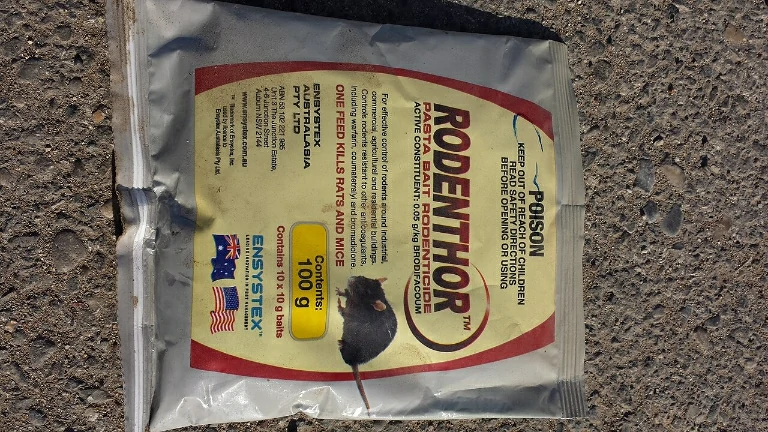
Rats in your air vents can be a real nightmare. You hear them scratching around at night, and you just want them gone as fast as possible.
When you’re dealing with a rat problem in your HVAC system, it’s tempting to think about putting poison directly in the vents to get rid of them quickly. But can you put rat poison in air vents?
You shouldn’t put rat poison in air vents. When rats eat poison in your vents and die there, they’ll decompose and release toxic fumes and horrible smells throughout your home every time your heating or cooling system runs. The poison itself can also get into your air supply and make you and your family sick.
Putting rat poison in air vents might seem like a quick fix, but it actually creates way more problems than it solves.
The rats will eat the poison, crawl deeper into your vent system, and die in places you can’t reach.
Then you’re stuck with dead rats rotting in your walls and vents for weeks or even months.
Why Putting Rat Poison in Vents Is a Bad Idea
The biggest problem with putting poison in your air vents is what happens after the rats eat it. Rats don’t just drop dead immediately when they eat poison.
They usually wander around for a while before they die, and they often crawl into the deepest, darkest parts of your vent system to hide.
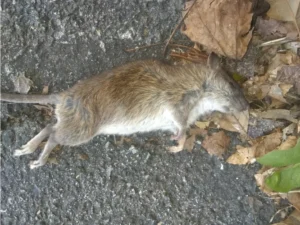
When a rat dies in your air vent, it starts to decompose. This process releases really terrible smells and potentially harmful gases. Every time your heating or air conditioning kicks on, these smells and gases get blown throughout your entire house.
The smell of a dead rat is one of the worst odors you’ll ever experience. It’s a mix of rotting flesh, urine, and decay that can make your whole house smell like death.
This smell can last for weeks or even months, depending on how many rats died in your vents and where they are.
But the smell isn’t even the worst part. When organic matter decomposes, it releases bacteria and other pathogens into the air.
If you have dead rats decomposing in your air vents, you’re basically pumping bacteria-filled air through your home every time your HVAC system runs.
The Poison Itself Can Get Into Your Air
Rat poison isn’t just dangerous to rats. It’s also dangerous to humans and pets. When you put poison in your air vents, small particles of the poison can break apart and get blown through your ductwork every time your system runs.
These particles can settle on surfaces throughout your home, or you can breathe them in directly. This is especially dangerous if you have kids or pets who spend time on the floor, where poison particles are more likely to settle.
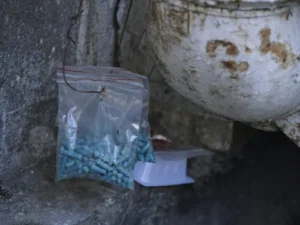
Some types of rat poison contain anticoagulants, which are chemicals that prevent blood from clotting. If you or your family members breathe in these chemicals over time, they can cause serious health problems.
Kids and pets are especially at risk because they’re smaller and more sensitive to toxins.
Other types of rat poison contain things like zinc phosphide or bromethalin.
These chemicals can cause nerve damage, breathing problems, and other serious health issues if you’re exposed to them regularly.
You Can’t Remove Dead Rats From Air Vents Easily
Here’s another big problem with putting poison in your vents. When rats die deep in your vent system, getting them out is really hard and expensive.
Air vents run through your walls, under your floors, and in your attic. They’re not designed to be easily accessible.
If a rat dies in an easy-to-reach spot, you might be able to remove it yourself. But most of the time, dead rats end up in places you can’t get to without tearing apart your walls or ductwork.
Professional removal can cost hundreds or even thousands of dollars. A pest control company will need to locate the dead rat (which isn’t easy), cut into your ductwork or walls to reach it, remove the carcass, clean and disinfect the area, and then repair the damage. All of this adds up fast.
And if you had multiple rats in your vents, you might have multiple dead rats to deal with. Each one needs to be found and removed separately.
What Happens When Rats Eat Poison in Your Vents?
When rats eat poison, they don’t die right away. Most rat poisons work by making the rat’s blood unable to clot properly. The rat slowly bleeds internally over the course of several days.
During this time, the rat keeps moving around. It doesn’t know it’s dying at first, so it continues its normal activities. It might even leave your vents and go somewhere else in your house to die.
But more often, rats that are sick from poison will try to find a safe, hidden spot to hide. And what’s more hidden than the deepest parts of your air vent system? This is why so many poisoned rats end up dying in places you can’t reach.
Some rats also become really thirsty when they eat certain types of poison. They’ll search for water, which might lead them to different parts of your vents or even out of the vents entirely. You never really know where a poisoned rat will end up dying.
The Smell Can Last for Months
A dead rat doesn’t just smell bad for a few days and then go away. The decomposition process for a rat can take anywhere from three weeks to two months, depending on the temperature and humidity in your vents.
In warm, humid conditions, decomposition happens faster, but the smell is worse. In cool, dry conditions, decomposition takes longer, which means the smell sticks around even longer.
During the first week after death, the smell is usually at its worst. This is when the rat’s body is actively breaking down and releasing the most gases.
After that, the smell might get a bit better, but it won’t go away completely until the rat is fully decomposed or removed.
If you have multiple dead rats in your vents, the smells will overlap. You might have one rat that’s been dead for two weeks and another that just died yesterday. This creates a constant cycle of terrible smells that never seems to end.
Better Ways to Get Rid of Rats in Air Vents
Instead of using poison, there are much better ways to deal with rats in your air vents. These methods might take a bit more effort upfront, but they’ll save you from the nightmare of dead rats rotting in your walls.
The best approach is to use snap traps or live traps placed near the openings of your vents. You can bait these traps with peanut butter, bacon, or dried fruit. Check the traps daily and remove any rats you catch right away.
Snap traps kill rats instantly, so you don’t have to worry about them crawling off to die somewhere you can’t reach.
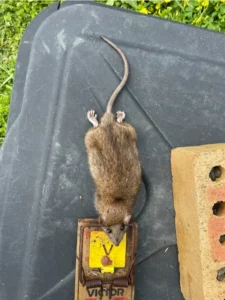
Live traps catch rats alive, so you can release them far away from your home (check your local laws first, because releasing rats isn’t legal everywhere).
You should also seal up any holes or gaps that rats are using to get into your vents.
Rats can squeeze through holes as small as a quarter, so you need to be really thorough. Use steel wool, caulk, or metal mesh to block these entry points.
Professional Pest Control Is Worth It
If you have a serious rat problem in your vents, calling a professional pest control company is really worth the money. They have special tools and experience that can solve the problem without creating new ones.
Professional exterminators can inspect your entire vent system to find out where the rats are getting in and where they’re nesting. They can set up traps in the right spots and seal entry points properly so rats can’t come back.
Many pest control companies also offer guarantees. If the rats come back within a certain time period, they’ll come back and treat your home again for free. This gives you peace of mind that the problem is actually solved.
The cost of professional pest control is usually less than what you’d pay to remove dead rats from your vents and repair damage to your ductwork. It’s a much smarter investment in the long run.
Health Risks You Need to Know About
Having rats in your air vents is already a health risk, but adding poison to the mix makes things even worse. Rats carry diseases like hantavirus, leptospirosis, and salmonella. When they die and decompose in your vents, these pathogens can get into your air supply.
Breathing in air contaminated with rat droppings, urine, or decomposition gases can make you really sick. You might develop respiratory problems, flu-like symptoms, or even serious infections.
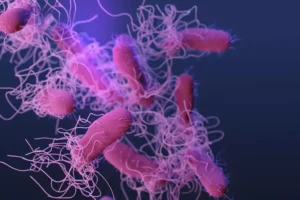
Kids, elderly people, and anyone with a weakened immune system are especially at risk. If someone in your home has asthma or allergies, contaminated air from dead rats can trigger severe reactions.
The poison itself adds another layer of risk. As mentioned earlier, rat poison particles can get into your air and cause their own set of health problems. It’s just not worth the risk.
What to Do If You Already Put Poison in Your Vents
If you’ve already put rat poison in your air vents and you’re starting to smell dead rats, you need to act fast. The longer those rats stay in your vents, the worse the problem gets.
First, turn off your HVAC system if possible. This will stop the smell and contaminated air from spreading through your house. Open windows to air out your home.
Next, call a professional pest control company or HVAC specialist. Tell them what happened so they know what they’re dealing with. They’ll need to locate and remove the dead rats, clean and disinfect your ductwork, and possibly replace sections that are too contaminated to clean.
Don’t try to remove dead rats from your vents yourself unless they’re in an easily accessible spot. You could damage your ductwork, expose yourself to diseases, or make the problem worse by pushing the carcass deeper into the system.
After the dead rats are removed, you might need to have your entire duct system professionally cleaned. This gets rid of any remaining bacteria, pathogens, and lingering smells.
How to Prevent Rats From Getting in Your Vents
The best solution is to keep rats out of your vents in the first place. This means rat-proofing your home and making it less attractive to rodents.
Start by sealing any cracks or holes in your home’s exterior. Pay special attention to areas where utility lines enter your house, gaps around windows and doors, and holes in your foundation. Use materials that rats can’t chew through, like steel wool or metal mesh.
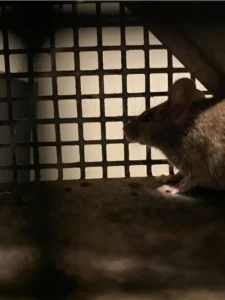
Keep your yard clean and free of debris. Rats like to hide in piles of wood, leaves, or junk. The less hiding spots you give them, the less likely they are to stick around.
Store your garbage in sealed containers and don’t leave pet food outside. Rats are attracted to easy food sources, so removing these will make your property less appealing.
Trim trees and bushes away from your house. Rats can use branches as highways to get onto your roof and into your vents or attic.
Conclusion
Putting rat poison in air vents might seem like an easy solution to a rat problem, but it’s actually one of the worst things you can do. The rats will die in places you can’t reach, creating terrible smells and health hazards that can last for months.
The poison itself can get into your air supply and make you and your family sick. Removing dead rats from vents is expensive and difficult, often requiring you to cut into walls or ductwork.
Instead of using poison, focus on trapping rats where you can remove them immediately and sealing entry points so they can’t come back. If the problem is serious, call a professional pest control company.
It costs more upfront, but it saves you from the nightmare of dead rats rotting in your walls and air vents.
Your health and your home are worth more than a quick fix that creates bigger problems down the road.

Hi, my name is Ezra Mushala, i have been interested animals all my life. I am the main author and editor here at snakeinformer.com.