
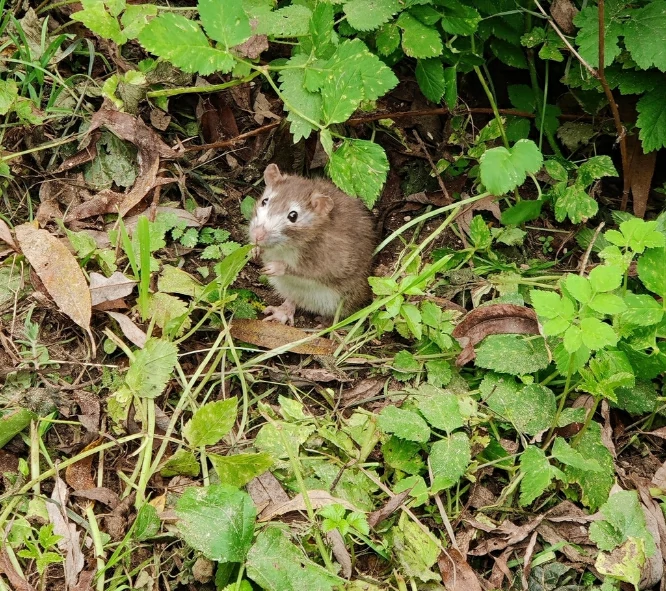
You’ve put out rat poison and you know the rats are eating it. But what actually happens to the rat after it eats the poison? Understanding this process helps you know what to expect and whether the poison is working. So what happens when a rat eats poison?
When a rat eats poison, what happens depends on the type of poison. With anticoagulant poisons (the most common type), the rat’s blood stops clotting over 3 to 7 days. It bleeds internally, becomes weak and anemic, and eventually dies. With bromethalin (a neurotoxin), the rat’s nervous system shuts down within 1 to 2 days, causing paralysis and death. With cholecalciferol (vitamin D3), calcium builds up in the rat’s organs over 3 to 4 days, causing organ failure and death.
The process isn’t instant. Rat poison is designed to work over several days to prevent bait shyness. If rats dropped dead immediately after eating poison, other rats would learn to avoid it.
The First Few Hours After Eating Poison
Right after a rat eats poison, nothing much happens. The rat goes about its business normally.
The poison gets absorbed through the rat’s stomach and small intestine. It enters the bloodstream and starts circulating through the body.
But the rat doesn’t feel any effects yet. This is intentional. If the rat felt sick right away, it would stop eating the poison and might not get a lethal dose.

The rat might return to the bait station several times over the next day or two. Each time, it eats more poison. This ensures it gets enough to kill it.
During these first few hours, the rat is still active. It’s foraging, grooming, interacting with other rats, all normal rat behavior.
If you’re watching your bait stations, you might still see rats running around even though they’ve eaten poison. This doesn’t mean the poison isn’t working. It just hasn’t taken effect yet.
What Happens with Anticoagulant Poison (Days 1-3)
Most rat poisons are anticoagulants. These include ingredients like bromadiolone, brodifacoum, diphacinone, and warfarin.
After the rat eats anticoagulant poison, the chemical travels to the liver. In the liver, it blocks the production of vitamin K-dependent clotting factors.
Clotting factors are proteins that help blood clot when you get injured. Without them, even tiny injuries cause bleeding that doesn’t stop.
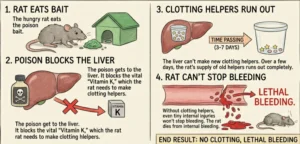
For the first day or two, the rat still seems normal. The clotting factors already in its blood are still working. The rat doesn’t bleed yet.
But as the rat’s body uses up the existing clotting factors and can’t make new ones, problems start.
By day 2 or 3, the rat’s blood has become thin. Any small bump or movement can cause internal bleeding.
The rat might start bleeding from its gums, nose, or digestive tract. You won’t necessarily see this blood because it’s mostly internal.
The rat might also start to slow down a bit. It’s not as active as usual. It might spend more time resting.
What Happens with Anticoagulant Poison (Days 4-7)
By day 4 or 5, the internal bleeding has become severe. The rat is bleeding into its body cavity, muscles, and organs.
The rat becomes visibly weaker. It moves slowly and seems lethargic. It might stop eating and drinking.
The rat’s breathing might become labored. If there’s bleeding in the lungs, the rat has to work harder to breathe.
The rat becomes anemic from all the blood loss. Anemia means there aren’t enough red blood cells to carry oxygen. This makes the rat even weaker.
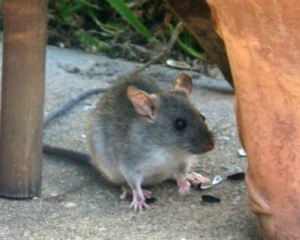
By day 6 or 7, most rats have died. They usually die quietly, often in their nest or a hidden area.
Some rats might die sooner, especially if they ate a lot of poison. Others might linger a bit longer if they only ate a small amount.
The rat doesn’t suffer in the way we usually think of suffering. It doesn’t feel pain from the bleeding itself. It just gradually becomes weaker until its organs shut down.
What Happens with Bromethalin Poison
Bromethalin is a different type of rat poison. It’s a neurotoxin instead of an anticoagulant.
When a rat eats bromethalin, the poison attacks the central nervous system. It stops the rat’s cells from making energy.
Brain cells and nerve cells need a lot of energy to function. Without energy, they start to swell and die.
Within 12 to 24 hours of eating bromethalin, the rat starts showing symptoms. It might seem uncoordinated or have trouble walking.
The rat’s hind legs might become paralyzed. It drags itself around instead of walking normally.
Seizures can happen. The rat might twitch or convulse.
As the nervous system shuts down, the rat becomes less and less responsive. Eventually, it goes into a coma and dies.
The whole process with bromethalin takes about 1 to 2 days from eating the poison to death. This is faster than anticoagulants.
There’s no antidote for bromethalin poisoning. Once a rat eats enough to get symptoms, it’s going to die.
What Happens with Cholecalciferol Poison
Cholecalciferol is vitamin D3 in a massive dose. When a rat eats this poison, the vitamin D causes the rat’s body to absorb way too much calcium.
Calcium levels in the blood spike. This is called hypercalcemia. The excess calcium starts depositing in the rat’s organs.
Calcium builds up in the kidneys, causing kidney damage and failure. It builds up in the heart and blood vessels, causing cardiovascular problems.

For the first day or two, the rat might not show obvious symptoms. But internally, its organs are being damaged.
By day 3, the rat is clearly sick. It’s weak, not eating, and might be vomiting or having diarrhea.
The rat’s kidneys are failing. Toxins that should be filtered out are building up in the bloodstream.
By day 4 or 5, most rats have died from kidney failure and cardiovascular collapse.
Unlike anticoagulants, cholecalciferol doesn’t have a simple antidote. Treatment would involve lowering calcium levels, but that requires medical intervention the rat obviously isn’t getting.
Do Rats Leave to Find Water Before They Die?
There’s a common myth that rats eating poison become extremely thirsty and leave the building to find water. This is mostly false.
The myth probably started because people noticed fewer dead rats inside after using poison. They assumed the rats went outside to find water.
In reality, anticoagulant poisons don’t make rats thirsty. Internal bleeding doesn’t cause dehydration in the way that would trigger thirst.
Rats do sometimes die outside, but not because they’re looking for water. They might just happen to be outside when the poison takes full effect.
Some rats die in their nests, which are often hidden in walls, attics, or crawl spaces. This is why you sometimes smell dead rats after using poison but never find the bodies.
Other rats die in open areas or along their regular travel routes. If those routes happen to be outdoors, that’s where you’ll find dead rats.
The idea that poison makes rats leave to find water is wishful thinking. People want to believe this because they don’t want dead rats rotting in their walls. But it’s not how poison actually works.
Where Rats Go When They’re Dying
When a rat is dying from poison, it usually goes to a place where it feels safe and hidden.
Rats instinctively hide when they’re sick or injured. This is a survival behavior. In the wild, a sick rat out in the open would be easy prey for predators.
The rat’s nest is often where it dies. Nests are in hidden, enclosed spaces like wall voids, attics, under floors, or in burrows.
Some rats die along their regular travel paths. Rats tend to use the same routes over and over. If the poison takes effect while the rat is traveling, it might just stop there.
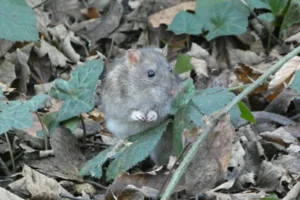
You might find dead rats near water sources, not because they were looking for water but because water sources are part of the rat’s regular territory.
Dead rats are also sometimes found near food sources, for the same reason. Rats visit food areas regularly, so if the poison kicks in during one of these visits, that’s where they die.
The bottom line is that rats go wherever they normally spend time. They don’t make special trips to specific locations when dying.
Do Rats Warn Other Rats About Poison?
Rats are smart and social animals. They communicate with each other in complex ways. But can they warn each other about poison?
Sort of, but not in the way you might think. Rats can’t tell each other “that bait is poisoned, don’t eat it.”
However, rats do learn from each other through social learning. If one rat eats something and gets sick, other rats watching might avoid that food.
This is one reason why slow-acting poisons like anticoagulants work better than fast-acting ones. With a slow-acting poison, the rat doesn’t get sick right away. It can’t make the connection between the bait and feeling bad.
By the time the rat gets sick (days later), it’s eaten the bait multiple times. Other rats see it eating the bait without problems, so they eat it too.
If a rat ate poison and dropped dead immediately, other rats would notice. They might become suspicious of that bait and avoid it. This is called bait shyness.
So while rats can’t technically warn each other, their behavior can influence whether other rats will eat poison.
How Many Times Does a Rat Eat Poison Before It Dies?
This depends on the type of poison and how much the rat eats each time.
With second-generation anticoagulants like brodifacoum or bromadiolone, a rat only needs to eat the poison once to get a lethal dose. But rats usually eat it multiple times because it tastes good and they don’t feel sick right away.
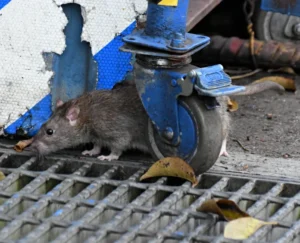
With first-generation anticoagulants like diphacinone or warfarin, a rat needs to eat the poison several times over multiple days to get a lethal dose. One feeding usually isn’t enough.
With bromethalin, one good-sized feeding is enough to kill a rat. But again, rats might eat it multiple times.
With cholecalciferol, one or two feedings are usually lethal. The rat might return for more, but it doesn’t need to.
From a practical standpoint, if you see bait disappearing from your bait stations over several days, that’s a good sign. It means rats are eating it repeatedly, which increases the chance they’ve gotten a lethal dose.
What Happens to the Rat’s Body After Death
After the rat dies, decomposition begins immediately. This is a natural process where bacteria break down the body.
In the first few hours, the body cools and becomes stiff. This is called rigor mortis. It’s caused by chemical changes in the muscles.
Within a day or two, bacteria in the rat’s gut start breaking down tissues. This produces gases that make the body bloat and smell.
The smell is what usually alerts people that there’s a dead rat somewhere. It’s a distinctive, nauseating odor that gets worse over time.
If the dead rat is in a wall or other hidden space, the smell can last for weeks. The exact duration depends on the size of the rat and the temperature. Warm conditions speed up decomposition.
After a few weeks, the soft tissues have mostly decomposed. What’s left is fur, bones, and dried remains. These don’t smell much.
Eventually, even these remains break down, though it can take months.
If you can find and remove the dead rat, the smell goes away much faster. But if it’s hidden in a wall, you might just have to wait for decomposition to finish.
Signs That Poison Is Working
How do you know if the rat poison you put out is actually working? Here are the signs to look for.
First, the bait is disappearing. If you check your bait stations and the poison blocks or pellets are being eaten, rats are taking the bait.
Second, after a week or so, you notice less rat activity. Fewer droppings, less noise in the walls, less damage to food or property.
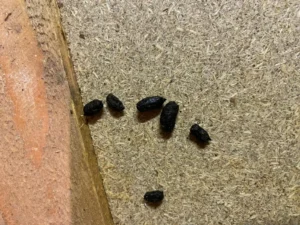
Third, you might find dead rats. Not all rats die in visible places, but you might find some.
Fourth, you might smell dead rats. This isn’t pleasant, but it’s a sign the poison worked.
Fifth, the bait stops disappearing. After a couple of weeks, if the poison in the bait stations isn’t being touched anymore, that usually means the rats are dead.
Don’t expect instant results. It takes time for poison to work, and it takes time for the rat population to die off.
If you don’t see any signs of progress after two weeks, the poison might not be placed correctly, or the rats might not be eating it.
Can a Rat Survive Eating Poison?
In some cases, yes, a rat can survive eating poison. This usually happens if the rat didn’t eat enough to get a lethal dose.
With first-generation anticoagulants, a rat needs to eat the poison multiple times. If it only eats it once and then avoids it, the rat might survive.
The rat might feel sick for a while. It might be weak or lethargic. But if the dose wasn’t lethal, the rat’s body can recover.
With second-generation anticoagulants, survival is less likely. These are potent enough that one feeding is usually fatal. But if the rat only nibbled a tiny amount, it might survive.
With bromethalin, there’s no antidote. If a rat eats enough to get symptoms, it will die. But a very small dose might not cause symptoms.
With cholecalciferol, the rat’s body might be able to handle a small dose, though it would still cause some organ damage.
Rats that survive a poisoning often develop bait shyness. They learn to avoid that type of bait in the future. This can make future poison attempts less effective.
This is why using the right amount of poison in the right places is important. You want to make sure rats get a lethal dose.
What Happens to Predators That Eat Poisoned Rats
This is called secondary poisoning, and it’s a real concern with rat poison.
When a rat eats poison, the poison stays in the rat’s body. If the rat then gets eaten by a cat, dog, hawk, owl, or other predator, the predator gets poisoned too.
Second-generation anticoagulants like brodifacoum and difethialone are especially dangerous for this. They accumulate in the rat’s liver and tissues at high concentrations.

A cat that eats a poisoned rat can get a lethal dose of poison. Dogs that eat multiple poisoned rats can definitely be poisoned.
Birds of prey like hawks and owls are particularly vulnerable. They eat a lot of rats and mice. If those rodents are poisoned, the poison builds up in the bird’s body over time.
Many raptors have died from rat poison. This is a serious environmental problem and one reason why some areas have restricted second-generation anticoagulants.
First-generation anticoagulants and cholecalciferol are less likely to cause secondary poisoning, but it can still happen.
Bromethalin can cause secondary poisoning too. A dog that eats a rat poisoned with bromethalin can get sick or die.
If you use rat poison, be aware of this risk. Keep your pets away from areas where poisoned rats might be. And if you have outdoor cats or local wildlife, consider using traps instead of poison.
How Long Does Poison Stay in a Dead Rat’s Body?
The poison doesn’t just disappear when the rat dies. It stays in the body for a while.
Second-generation anticoagulants can persist in a dead rat’s body for weeks or even months. They break down slowly.
This means a dead rat is still toxic to any animal that eats it, even weeks after death.
First-generation anticoagulants break down faster, but they can still be present for days or weeks.
Cholecalciferol breaks down faster than anticoagulants. But a recently dead rat can still poison a pet that eats it.
Bromethalin also persists in the body for a while after death.
This is why it’s important to dispose of dead rats carefully. Don’t let pets or wildlife scavenge them.
If you find a dead rat, wear gloves, put it in a sealed plastic bag, and throw it in the trash. Don’t leave it lying around.
Conclusion
When a rat eats poison, what happens depends on the type. With anticoagulants (the most common), the rat bleeds internally over 3 to 7 days and dies. With bromethalin, the nervous system shuts down in 1 to 2 days.
With cholecalciferol, organ failure happens in 3 to 4 days. The rat doesn’t die instantly. It gradually becomes weaker and usually dies in a hidden area like its nest.
Understanding this process helps you use rat poison effectively and safely. You’ll know what to expect, how long it takes, and what risks exist for pets and wildlife.
Rat poison works, but it’s not instant and it’s not without consequences. Use it carefully and consider alternatives like traps when possible.

Hi, my name is Ezra Mushala, i have been interested animals all my life. I am the main author and editor here at snakeinformer.com.