
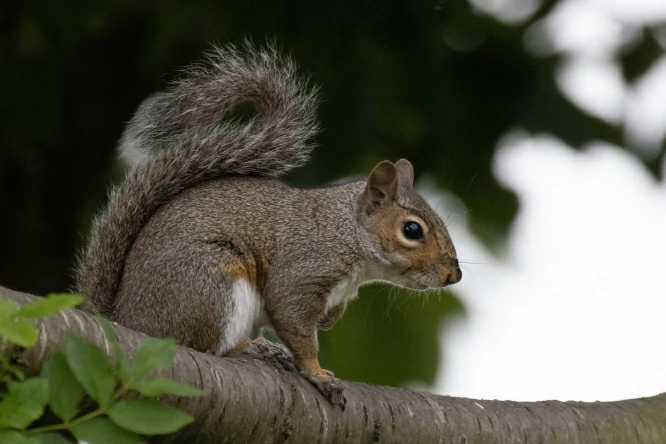
Squirrels are raiding your bird feeders, digging up your bulbs, and maybe even getting into your attic. You’ve tried everything to keep them away, but nothing seems to work.
You have rat poison on hand and you’re wondering if it would kill squirrels too. After all, they’re both rodents, so it seems like it might work. Can you use rat poison to get rid of squirrels?
Technically yes, rat poison can kill squirrels, but you absolutely shouldn’t use it. In most places, it’s illegal to use rat poison on squirrels. Even where it’s not explicitly illegal, poisoning squirrels creates serious risks for pets, children, and other wildlife. There are also ethical and practical problems with using poison that make it a terrible choice for squirrel control.
Using rat poison on squirrels might seem like an easy solution, but it creates way more problems than it solves.
There are better, safer, and legal ways to deal with squirrel problems that don’t put your family, pets, and local wildlife at risk.
Why Using Rat Poison on Squirrels Is Illegal
In most places, using rat poison to kill squirrels is against the law. Understanding why helps explain the serious problems with this approach.
Rat poison products are registered with government agencies like the EPA (in the US) or similar organizations in other countries.
These registrations specify exactly what pests the poison can be used for. Rat poison is registered for rats and mice, not squirrels.
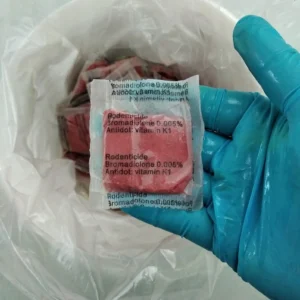
Using a pesticide (which includes rat poison) on a pest it’s not registered for is called “off-label use,” and it’s illegal under federal law in most countries.
You can be fined hundreds or even thousands of dollars for this.
In the UK, the Wildlife and Countryside Act 1981 protects red squirrels completely. You can’t kill them by any method.
Grey squirrels have fewer protections, but you still need to follow specific rules about how you control them, and poison isn’t an approved method for most people.
In the US, most states classify squirrels as game animals. This means there are specific hunting seasons and methods you’re allowed to use.
Poison isn’t on the approved list. Some states let you kill squirrels year-round if they’re causing property damage, but again, poison isn’t legal.
Even if squirrels are destroying your property, you can’t just decide to poison them. You need to use legal methods like trapping or shooting (where legal), or hire a licensed pest control professional.
If you poison squirrels and your neighbor’s pet dies from eating a poisoned squirrel, you could face serious legal consequences. This includes criminal charges, fines, and civil lawsuits.
The Danger to Pets and Other Wildlife
The biggest practical problem with poisoning squirrels is the risk to other animals. This risk is really high and affects many different species.
When a squirrel eats rat poison, it doesn’t die immediately. It wanders around for several days while the poison works. During this time, the squirrel becomes slower and weaker, making it easy prey.
Dogs, cats, hawks, owls, foxes, coyotes, and other predators hunt squirrels. If they catch and eat a poisoned squirrel, they get poisoned too.
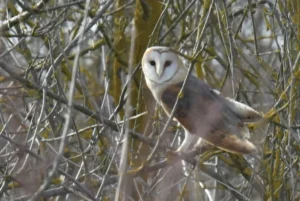
This is called secondary poisoning, and it kills thousands of pets and wild animals every year.
Your dog might find a dead or dying squirrel in your yard and eat it. Many dogs have a strong prey drive and will grab squirrels. If that squirrel is full of rat poison, your dog could die.
Cats are especially at risk because they’re natural hunters. An outdoor cat might catch and eat several poisoned squirrels over a few weeks.
The poison builds up in the cat’s system until it reaches deadly levels.
Birds of prey like hawks and owls are being killed in large numbers by secondary poisoning from rodenticides. These birds are important for controlling rodent populations naturally. Poisoning them makes your rat and mouse problems worse in the long run.
Even if you don’t care about wild animals (though you should), think about your own pets and your neighbors’ pets. The risk is too high to justify using poison on squirrels.
Why Poisoned Squirrels Are Hard to Control
When you poison squirrels, you can’t control where they go to die. This creates problems you probably haven’t thought about.
Squirrels often nest in attics, soffits, and walls of houses. A poisoned squirrel might crawl into your attic or walls and die there. Then you’re stuck with a dead squirrel decomposing in a place you can’t easily reach.
The smell of a dead squirrel is horrible. It’s a rotting meat smell that fills your house and can last for weeks. Getting the dead squirrel out often means cutting holes in your walls or ceiling, which is expensive to repair.
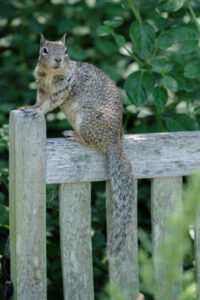
Squirrels also climb trees and might die up in the branches. A dead squirrel in a tree will eventually fall, but in the meantime it attracts flies and other insects. When it does fall, it might land in your yard, your neighbor’s yard, or even on someone’s deck or patio.
Some poisoned squirrels die near water sources like ponds, streams, or drainage areas. This can contaminate the water with bacteria from the decomposing body and with traces of the poison itself.
You also can’t control how many squirrels eat the poison. You might want to kill one problem squirrel, but several squirrels might eat the bait. Now you have multiple dead squirrels rotting in unknown locations.
Ethical Problems With Poisoning Squirrels
Even if it were legal and safe (which it’s not), there are ethical issues with using rat poison on squirrels that are worth considering.
Rat poison causes a really horrible death. Anticoagulant poisons make the animal bleed internally over several days.
The squirrel slowly bleeds into its organs, lungs, and brain. This is painful and frightening for the animal.
During those few days, the squirrel is suffering. It doesn’t understand what’s happening. It just knows it feels terrible and is getting weaker.
This is considered inhumane by most standards.
Other types of rat poison aren’t any better. Bromethalin causes neurological damage, seizures, and paralysis. Cholecalciferol causes kidney failure. All of these are slow and painful ways to die.
Squirrels are intelligent, social animals. They communicate with each other, care for their young, and have complex behaviors.
Causing them to suffer for days just because they’re annoying seems cruel.
There are humane alternatives that kill quickly (like certain traps) or that don’t kill at all (like exclusion and deterrents). Using these methods instead of poison is the right thing to do.
What Actually Works for Getting Rid of Squirrels?
If you can’t use rat poison, what can you do about squirrels? There are several effective and legal methods.
Live traps are one of the best options. You bait a cage trap with peanut butter, nuts, or sunflower seeds.
The squirrel goes in, the door closes, and you’ve caught it alive. Then you can relocate it far from your property (check local laws about relocation first).
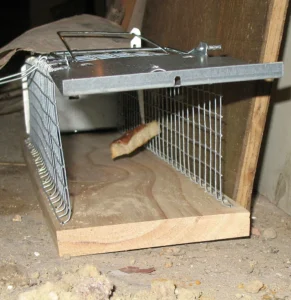
Lethal traps like Conibear traps or special squirrel traps kill squirrels instantly and humanely. These are legal in most places and don’t create the secondary poisoning risk that poison does. You need to check and empty traps daily.
Exclusion is the best long-term solution. This means sealing up every hole and gap that squirrels use to get into your attic, walls, or other structures.
Use hardware cloth, metal flashing, or commercial exclusion materials. Make sure you don’t seal squirrels inside.
One-way doors let squirrels out but not back in. You install these over entry holes. The squirrel leaves to find food and can’t get back in.
After a few days with no squirrel activity, you permanently seal the hole.
Repellents can help keep squirrels away from specific areas. Commercial squirrel repellents contain ingredients like capsaicin, garlic, or predator urine.
You spray these on plants, around your attic vents, or anywhere you want squirrels to avoid.
Protecting your bird feeders with squirrel-proof designs or baffles stops squirrels from raiding them. This removes one reason squirrels hang around your yard.
Professional wildlife removal services handle squirrel problems all the time. They know the legal methods and have the right equipment.
The cost is reasonable, especially compared to the problems poison creates.
Why Squirrels Eat Rat Poison
You might wonder if squirrels would even eat rat poison. The answer is yes, they often do, which is part of the problem.
Squirrels are omnivores with a diet heavy in nuts, seeds, and grains. Rat poison is made with grains like wheat and oats, plus attractants like peanut butter or molasses. To a squirrel, this smells like food.
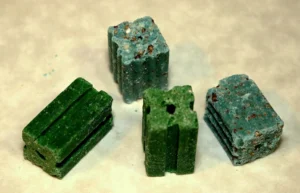
Squirrels are also opportunistic feeders. They eat what’s available. If they find poison blocks or pellets, they’ll often try them, especially if other food is scarce.
Unlike some animals that are picky eaters, squirrels will sample new foods. They’re curious and bold. This means they’re more likely to eat poison than more cautious animals.
The poison is designed to taste good to rodents. Manufacturers add ingredients that make rats want to eat the poison. These same ingredients attract squirrels too.
This easy attraction is actually a problem, not a benefit. It means squirrels will readily eat poison, but it also means you can’t control which squirrels eat it or how much they eat.
Health Risks to Children
Rat poison is dangerous to children, and using it to kill squirrels increases the risk that kids will be exposed.
If you put poison outside to kill squirrels, children playing in the yard might find it. Rat poison is often brightly colored and can look like candy to young kids. Children put things in their mouths, and poison ingestion in kids is a medical emergency.
Dead or dying squirrels pose a risk too. Children are curious and might pick up a sick squirrel or poke at a dead one with a stick. If that squirrel is full of poison, the child could get poison on their hands and then touch their mouth or eyes.
The symptoms of rat poison in children are similar to adults but can be more severe. Children are smaller, so it takes less poison to cause serious harm.
Anticoagulant poison causes internal bleeding. Brain bleeds are especially dangerous in children.
If you have kids, or if kids visit your property, using poison of any kind is a terrible idea. The risk of a child being poisoned far outweighs any benefit of killing squirrels.
Environmental Impact of Poisoning Squirrels
Using rat poison to kill squirrels doesn’t just affect squirrels and their predators. It has wider environmental impacts that you might not think about.
Rat poison can contaminate soil and water. When it rains, poison residue washes into the ground. It can leach into groundwater or run off into streams and ponds. This affects fish, amphibians, and aquatic insects.
Earthworms and other soil creatures can absorb poison from contaminated soil. When birds eat these worms, they get poisoned. This creates a chain of poisoning that spreads through the ecosystem.

Beneficial insects and pollinators can be affected too. While they don’t directly eat poison, they can come in contact with it. Bees and butterflies are already struggling, and adding poison to the environment makes things worse.
Using poison contributes to the overall toxic load in your local environment. When many people use poison, it builds up. Areas with heavy rodenticide use have been shown to have poison in the soil, water, and even in plants.
The ecosystem is interconnected. Squirrels are part of the food web. They eat seeds and nuts, spreading plants around. They’re food for predators. When you poison squirrels, you’re messing with these connections in ways you can’t predict.
Legal Consequences of Poisoning Squirrels
The legal risks of using rat poison on squirrels are serious and worth understanding before you even think about doing it.
If wildlife officers catch you poisoning squirrels, you can be charged with illegal pesticide use. In the US, this is a federal crime under FIFRA (Federal Insecticide, Fungicide, and Rodenticide Act). Fines start at several thousand dollars.
State and local laws add more penalties. You might face state wildlife violations, especially if squirrels are protected or classified as game animals in your area. These violations carry their own fines and potential jail time.
If your neighbor’s pet dies from eating a poisoned squirrel, you could face a civil lawsuit. You’d be liable for vet bills, the value of the pet, and potentially emotional distress damages. These lawsuits can cost tens of thousands of dollars.
Animal cruelty laws might apply too. In some places, causing unnecessary suffering to animals (even pest animals) is illegal. Poisoning is considered cruel because it causes prolonged suffering.
If you use poison professionally (like if you run a pest control business), you could lose your license. Professional applicators face strict rules about which products they can use and on what pests.
Even if you don’t get caught, there’s the moral and ethical weight of knowing you broke the law and potentially harmed other animals in the process.
Better Long-Term Solutions
Instead of poisoning squirrels, focus on making your property less attractive to them. This solves the problem without the risks.
- Remove food sources.
Take down bird feeders temporarily, or switch to squirrel-proof models. Don’t leave pet food outside. Pick up fallen fruit from trees. Clean up nuts and seeds from the ground.
- Trim trees away from your house.
Squirrels use tree branches like highways to get onto your roof and into your attic. Keep branches at least 6 to 8 feet away from your house.
- Seal entry points.
Walk around your house and look for any holes or gaps. Squirrels can squeeze through openings as small as 2 inches. Cover these with hardware cloth or metal flashing.
- Use motion-activated sprinklers in your garden.
These spray water when they detect movement. Squirrels hate getting sprayed and will learn to avoid the area.
- Plant squirrel-resistant plants in your garden.
Some plants have strong smells or tastes that squirrels avoid. Examples include daffodils, alliums, and fritillaries.
- Provide alternative food sources away from your house.
Some people set up a “squirrel feeding station” at the back of their property with cheap corn and sunflower seeds. This keeps squirrels busy and away from your garden and bird feeders.
Conclusion
While rat poison can technically kill squirrels, you absolutely shouldn’t use it. It’s illegal in most places, creates serious risks for pets and wildlife, and causes squirrels to suffer a long, painful death.
The risks far outweigh any benefit. Poisoned squirrels can die in your walls or attic, creating terrible smells and expensive removal costs. Pets and wild predators that eat poisoned squirrels will be poisoned themselves.
There are legal, effective, and humane alternatives to poison. Live traps, exclusion methods, and professional wildlife removal all work well without the dangers and legal problems that come with using poison.
The bottom line is simple: don’t use rat poison on squirrels. It’s illegal, dangerous, and creates more problems than it solves. Use legal methods instead and protect yourself, your pets, and your local wildlife from the serious risks that poison creates.

Hi, my name is Ezra Mushala, i have been interested animals all my life. I am the main author and editor here at snakeinformer.com.