

If you’ve found a mouse in your home, your first question is probably: how did it get in here? Mice are surprisingly good at finding and squeezing through tiny openings that most people never notice.
Understanding all the different ways mice can enter your house is the first step to keeping them out for good. So how can mice get into your house?
Mice get into houses through small gaps, cracks, and holes in your home’s exterior and foundation. They can squeeze through openings as small as a dime (about 6-7mm). Common entry points include gaps around pipes and wires, foundation cracks, damaged vents, spaces under doors, and holes in walls or siding.
A mouse only needs a tiny opening to get inside, and most homes have multiple potential entry points that homeowners don’t even know exist. Finding and sealing these spots is key to keeping mice out.
How Small of a Space Can Mice Fit Through?
The most surprising thing about mice is how little space they actually need to get into your house.
A mouse can squeeze through any opening that’s about the size of a dime. That’s roughly 6-7 millimeters or about a quarter of an inch. If you can fit a pencil through a gap, a mouse can probably fit through it.
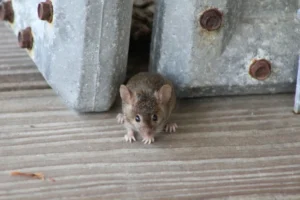
Their skull is the only rigid part of their body. Everything else (their ribcage, hips, and other bones) is flexible and can compress. This lets them flatten and contort their body to fit through incredibly tight spaces.
If a mouse can get its head through an opening, the rest of its body will follow. They’ll wiggle and squeeze, and before you know it, they’re inside your house.
Mice are also persistent. If there’s almost a big enough gap but not quite, they’ll chew and work at it until they make it larger. They can gnaw through wood, plastic, rubber, and even soft metals to expand small openings.
This means that what looks like a minor crack or gap to you could be a wide-open door to a mouse.
Common Entry Points Table
Here’s a quick reference table showing the most common ways mice enter houses:
| Entry Point Category | Specific Locations | Why It’s Vulnerable | How to Fix |
|---|---|---|---|
| Foundation & Basement | Foundation cracks, gaps around pipes, basement windows, floor drains | Settling and age create cracks; utility penetrations aren’t sealed | Fill cracks with concrete; seal pipe gaps with steel wool and caulk; repair windows |
| Doors & Windows | Gaps under doors, worn weatherstripping, window frame gaps | Weatherstripping wears out; doors settle and warp | Install door sweeps; replace weatherstripping; seal frame gaps with caulk |
| Walls & Siding | Gaps in siding, holes around faucets, damaged caulk, weep holes | Materials expand/contract; caulk deteriorates; weep holes lack screening | Repair siding; seal around fixtures; recaulk gaps; screen weep holes |
| Roof & Attic | Roof vents, soffit vents, chimney gaps, gable vents | Screens rust or tear; flashing fails; vents age | Replace damaged screens; repair flashing; seal gaps with appropriate materials |
| Utilities | Electric, cable, AC lines, dryer vents | Holes cut too large; not sealed after installation | Seal with steel wool and foam; ensure vent covers close properly |
| Plumbing | Under sinks, washing machine connections, outdoor faucets | Holes cut larger than pipes for easier installation | Fill gaps with steel wool and caulk; check all plumbing penetrations |
| Gutters | Gutter-to-fascia gaps, downspouts, clogged gutters | Gutters pull away from house; clogs create bridges | Secure gutters; seal gaps; clean regularly; trim nearby vegetation |
| Garage | Under garage door, door to house, shared walls, floor drains | Large spaces left unsealed; doors not treated as critical barriers | Install rubber seals; seal door gaps; fill wall penetrations; ensure drain traps have water |
Foundation and Basement Entry Points
Your home’s foundation is one of the most common places where mice find entry points.
Cracks in the foundation are perfect for mice. Even hairline cracks can be entry points, and larger cracks give mice easy access. These cracks often appear where the foundation meets the walls or where there’s settling over time.
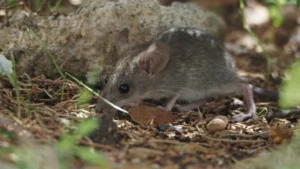
Gaps around utility penetrations are super common. Where water pipes, gas lines, electrical conduits, or cable wires enter your house through the foundation, there’s usually extra space around them that wasn’t properly sealed.
Basement windows and window wells give mice multiple ways in. The window itself might have gaps in the frame, the well might have drainage holes, or there could be space where the window meets the foundation.
Floor drains and sump pump areas can be entry points. If the seal around a floor drain is damaged or missing, mice can come up through the plumbing system.
The gap where your foundation meets the soil sometimes isn’t completely sealed. Mice can dig shallow burrows along your foundation and find these gaps.
Crawl space vents are designed to let air circulate, but they also let mice in if the screening is damaged or missing. Even vents with screens can have gaps around the edges.
Gaps Around Doors and Windows
Doors and windows are obvious places for mice to enter, but most people don’t realize how easy it is for mice to exploit these areas.
Gaps under exterior doors are one of the easiest entry points. If you can see light under your door or feel a draft, mice can definitely get through. Even a gap that seems too small is often enough.
Weatherstripping that’s old, damaged, or missing around doors creates openings. Weatherstripping is supposed to seal the gap between the door and frame, but it wears out over time.
Garage doors rarely seal completely at the bottom. The rubber seal deteriorates, or the door doesn’t sit flush with the ground. Mice can walk right under these gaps.
Window frames that have gaps or damage let mice in. Look for spaces where the window meets the frame or where the frame meets the wall. Older windows especially tend to have these gaps.
Sliding doors and patio doors often don’t seal perfectly. The track system and the way these doors close can leave small gaps that mice exploit.
Pet doors are intentional openings that mice can use too. Unless you have a special magnetic or electronic pet door, mice can potentially squeeze through or around the flap.
Walls and Siding Issues
The exterior walls of your house have more potential entry points than you might think.
Gaps in siding create easy access for mice. Where siding panels overlap, at corners, or where siding meets trim, there can be small openings. Vinyl siding especially can develop gaps over time.

Holes around exterior faucets and hose connections are common. The opening in the wall for these fixtures is usually larger than the pipe itself, and the gap around it provides entry.
Damaged or missing caulk around windows and doors creates openings. Caulk is supposed to seal these areas, but it cracks and falls out over time, especially with temperature changes.
Weep holes in brick veneer are designed for drainage, but they also give mice access if they’re not properly screened. These small holes at the bottom of brick walls are supposed to be there, but they need to have insect screening.
Gaps where different materials meet (like where brick meets wood, or stucco meets trim) often aren’t sealed perfectly. These junction points are vulnerable spots.
Cracks or holes in stucco or other exterior finishes give mice direct access to wall cavities. Once they’re in the wall, they can travel anywhere in your house.
Roof and Attic Access Points
Mice are good climbers, and they can access your house from above through various roof and attic entry points.
Roof vents and attic vents are necessary for ventilation, but they need proper screening. If the screen is damaged, missing, or has holes, mice can get in.
Soffit vents (the vents under your roof overhang) often have gaps around them or damaged screening. Mice can squeeze through these and get into your attic.
Gaps where the roof meets the walls are common in older homes. These areas should be sealed with flashing and caulk, but these materials deteriorate over time.
Chimney gaps where the chimney meets the roof can let mice in. The flashing around chimneys sometimes pulls away or develops gaps.
Ridge vents along the peak of your roof need proper screening on the inside. If this screening is missing or damaged, mice can get into your attic from above.
Gable vents on the ends of your house often have screens, but these screens can rust, develop holes, or come loose. Inspect these regularly.
Utility and Service Entry Points
Every utility that enters your house creates a potential entry point for mice.
Electrical service entrance where power lines come into your house usually has a gap around the conduit. This needs to be sealed but often isn’t.

Cable TV and internet lines entering your house typically have holes drilled through the exterior wall. These holes are often larger than necessary, and the extra space around the cable gives mice access.
Air conditioner line sets (the refrigerant and drain lines) go through your wall to connect the indoor and outdoor units. The hole for these lines is usually much bigger than needed, and if it’s not sealed, mice can get in.
Dryer vents are intentional openings that need to stay open for airflow. But if the vent cover is damaged or doesn’t close properly when the dryer isn’t running, mice can crawl in.
Bathroom and kitchen exhaust vents on your exterior walls can be entry points if the flap doesn’t close properly or if there’s damage to the vent cover.
Gas meter connections and gas lines entering your house often have gaps around them that weren’t sealed during installation.
Plumbing Penetrations
Anywhere pipes enter your house creates potential openings for mice.
Under-sink areas where pipes come through the wall or floor almost always have gaps around them. The hole is cut larger than the pipe to make installation easier, but that extra space is perfect for mice.
Washing machine hookups in the wall often have large openings for the water supply lines and drain pipe. Check behind your washing machine for gaps.
Outdoor faucet penetrations go through your wall, and there’s usually space around the pipe. These are often on the cooler side of the house where pipes won’t freeze, but they’re not always sealed.
Sewer line cleanouts and main drain lines entering your house can have gaps around them, especially in older homes where settling has occurred.
Bathtub and shower plumbing penetrations in the floor or walls sometimes have gaps around them that are hidden behind finished walls.
Gutters and Downspouts
Your gutter system can provide mice with pathways to entry points you’d never consider.
Mice climb into gutters and travel along them to reach vulnerable spots. Once they’re in the gutter, they have access to fascia, soffit, and roof edge areas where gaps are common.

Gaps between the gutter and fascia board let mice squeeze behind the gutter. From there, they can find openings into your attic or wall cavities.
Downspouts give mice vertical access. They can climb up the outside or inside of downspouts to reach your roof and gutter system.
Clogged gutters full of debris are more attractive to mice. The leaves and organic matter provide nesting material and cover, making mice feel safer.
Garage Entry Points
Attached garages give mice a sheltered place to access your house, and garages have lots of potential entry points.
The gap under your garage door is usually the biggest opening. Even with a rubber seal, garage doors rarely sit completely flush with the ground.
The door between your garage and house often has a larger gap under it than exterior doors. People don’t always seal this door as carefully because it’s “interior.”
Gaps around the garage door frame where it meets the walls can develop over time, especially in older homes where settling has occurred.
Walls shared between the garage and house sometimes have holes or gaps for wiring or plumbing. Mice can travel through the garage wall into your living space.
Floor drains in the garage can be entry points if they’re not properly sealed or if the trap has dried out.
How Do Mice Find These Entry Points?
You might wonder how mice even know where these tiny openings are. They have several ways of finding entry points.
Mice have an excellent sense of smell. They can smell food from far away and will investigate any opening that might lead to a food source inside your house.

They feel air movement with their whiskers. If there’s a gap in your house, air flows through it (either in or out depending on pressure). Mice detect this air movement and know there’s an opening.
Mice explore constantly. They travel along the perimeter of buildings, checking every crack and crevice they come across. It’s just what they do naturally.
They follow other mice. If one mouse finds a way into your house, others will follow the same path. They leave scent trails that other mice can detect and follow.
Do Entry Points Change by Season?
Different seasons bring different mouse problems and entry points become more or less important.
Fall and early winter are peak times for mice trying to get inside. As temperatures drop, mice actively seek warm places to nest, and they’re more motivated to find entry points.
Spring can bring mice in from rising water tables or flooding. Mice displaced from outdoor burrows by rain or snowmelt look for dry shelter.
Summer might seem like mice would stay outside, but they still enter houses looking for food, water, and shelter from heat and predators.
Year-round entry points are always vulnerable, but mice are more persistent at certain times of year, making small gaps more likely to be exploited.
Conclusion
Mice can get into your house through dozens of different entry points, and many of these are spots you’d never think to check. They need surprisingly little space (just 6-7mm or about the size of a dime) to squeeze inside.
The most common entry points are gaps around pipes and utility lines, foundation cracks, spaces under doors, damaged vents, and holes in walls or siding. But mice can potentially use any small opening they find.
Keeping mice out requires a thorough inspection of your entire house, from the foundation to the roof. Look for any gaps, cracks, or holes, no matter how small they seem. Seal these openings with appropriate materials like steel wool combined with caulk, cement for foundation cracks, or weatherstripping for doors.
Remember that mice are persistent and constantly looking for ways inside. What might seem like a tiny, insignificant gap to you is a perfectly good doorway to a mouse. The time you spend finding and sealing entry points now will save you from dealing with mice in your house later.

Hi, my name is Ezra Mushala, i have been interested animals all my life. I am the main author and editor here at snakeinformer.com.