
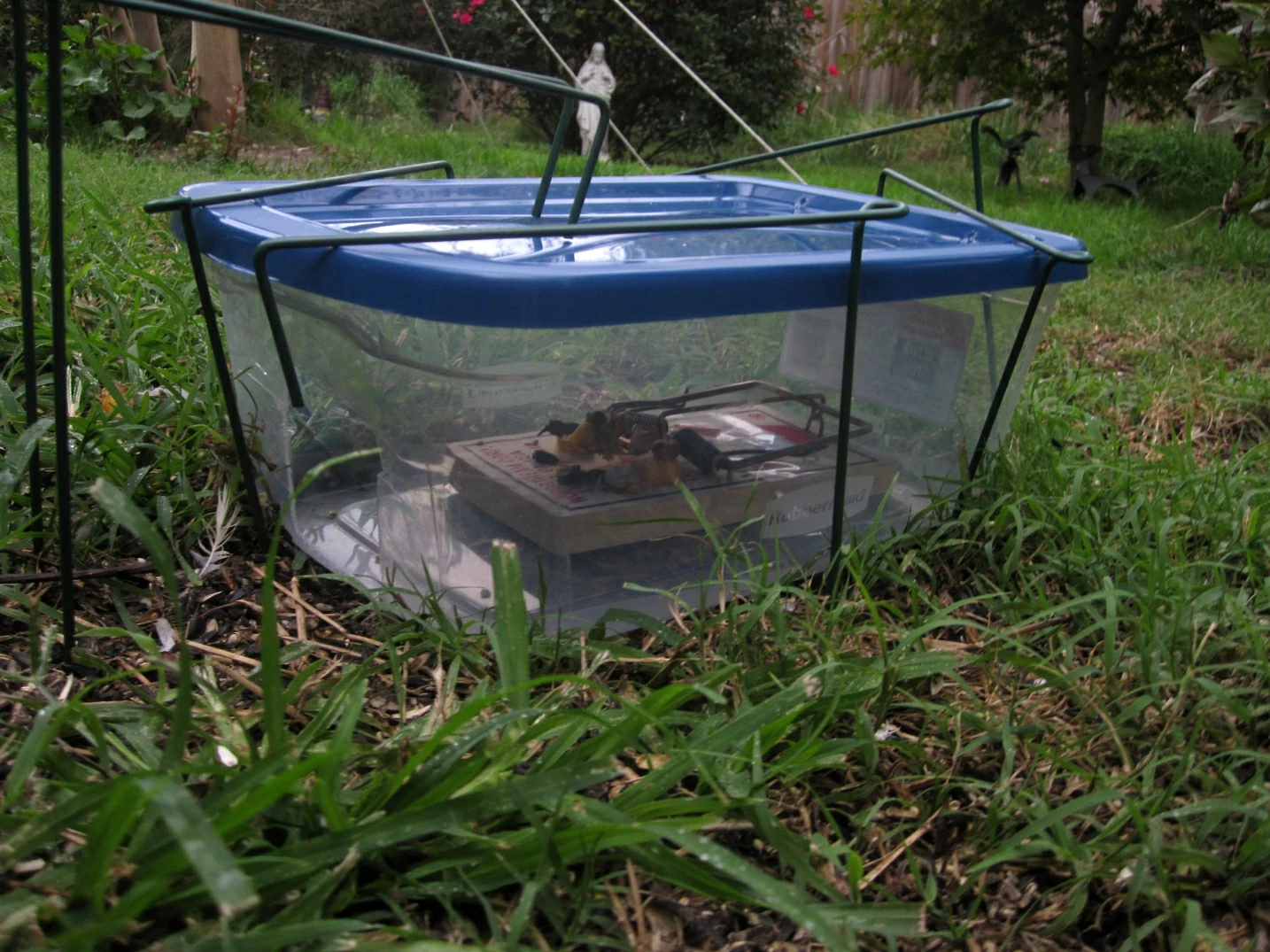
You’ve seen those black or green plastic boxes in alleys, behind stores, or maybe even in your own yard. They’re called bait boxes or bait stations, and they’re a common sight wherever people are trying to control rats.
These boxes look simple from the outside, but there’s more going on than you might think. How does rat poison box work?
A rat poison box (bait station) is a protective container that holds rat poison while keeping children, pets, and non-target animals from accessing it. Rats enter through small openings, eat the poison inside, then leave and eventually die elsewhere. The box protects the poison from weather and prevents accidental poisonings while allowing rats to feed safely.
Bait boxes serve multiple purposes beyond just holding poison. They make poison use safer, protect the bait from environmental damage, and create a controlled feeding environment that increases the chances rats will consume a lethal dose.
Understanding how these boxes work helps you use them effectively and safely if you decide poison is the right choice for your situation.
The Basic Design of Rat Bait Boxes
Rat bait boxes come in different sizes and styles, but they all share common features.
The outer shell is made from durable plastic that can withstand weather, rat gnawing, and rough handling. Most boxes are black, dark green, or gray to blend in with outdoor environments.
The box has small entrance holes on the sides, typically 2-3 inches in diameter.
These holes are large enough for rats and mice to enter but too small for cats, dogs, or children’s hands to reach inside.
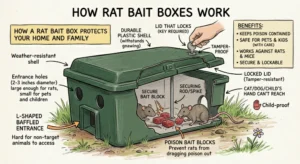
Some boxes have baffled entrances (L-shaped passages) that make it even harder for larger animals to access the poison.
Inside, the box has a rod or spike in the center where you secure the poison bait.
Most rat poison comes in block form with a hole in the middle so you can slide it onto the securing rod.
This prevents rats from dragging the poison out of the box and spreading it around your yard.
The box typically has a lid that locks in place, usually requiring a special key or tool to open. This security feature stops curious kids from opening the box and prevents tampering.
Some commercial-grade boxes use keys, while consumer versions might use a simple twist-lock mechanism.
How Rats Find and Use Bait Boxes
Rats travel along established routes called runways. They prefer to move along walls, fences, and edges rather than crossing open spaces.
When you place a bait box along these routes, rats naturally encounter it during their nightly activities.
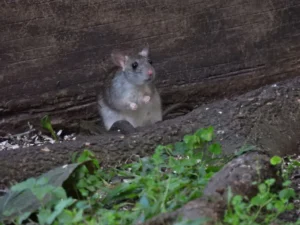
At first, rats might avoid the new object. This is called neophobia, and it’s a survival instinct that makes rats cautious about new things in their environment.
The rat might investigate the box from a distance, smell it, and walk past it for several days before actually entering.
Once a rat overcomes its initial fear and enters the box, it finds food (the poison bait). The enclosed space makes the rat feel safer than feeding in the open.
Rats prefer to eat in protected locations where they’re less vulnerable to predators.
The rat eats some of the poison, then leaves the box and returns to its nest or continues its nightly routine.
With most anticoagulant poisons, the rat needs to eat the bait multiple times over several days to consume a lethal dose. The rat comes back to the box night after night, eating more poison each time.
Why Bait Boxes Are Better Than Loose Poison
Putting out loose poison (not in a bait box) is dangerous and often illegal. Loose poison can be eaten by pets, wildlife, children, or even livestock if you’re in a rural area.
Rain and weather can wash the poison into storm drains, contaminating water sources.
Bait boxes contain the poison and make it accessible only to rats and mice. Your dog can’t eat poison from a properly secured bait box.
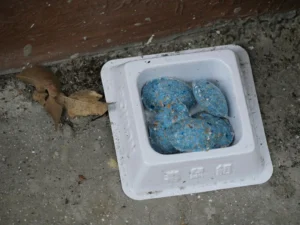
Birds can’t carry it away. Kids can’t reach it. This containment dramatically reduces the risk of accidental poisoning.
The boxes also protect the poison from weather damage. Rain can dissolve poison blocks or make them moldy and unpalatable to rats.
Sun exposure can break down the active ingredients, making the poison less effective. Wind can scatter loose bait across your yard.
Inside a bait box, the poison stays dry and fresh much longer. This means it remains attractive to rats and retains its effectiveness. You don’t waste money replacing weather-damaged bait every few days.
Different Types of Bait Boxes
Tamper-resistant bait stations are what most homeowners and pest control professionals use. These have locking lids and baffled entrances designed to keep out children and pets while allowing rats and mice to enter.
They meet legal requirements in many areas that prohibit using rat poison without protective stations.
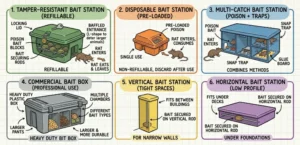
Disposable bait stations are pre-loaded with poison and designed to be thrown away once the poison is consumed. You don’t refill them, you just replace the entire unit.
These are convenient but more expensive over time than refillable stations.
Multi-catch bait stations combine poison with traps. Rats enter to eat poison, and some designs also have snap traps or glue boards inside to catch rats immediately.
These give you faster results because you kill some rats with traps while poisoning others.
Commercial bait boxes used by professional pest control companies are larger and more durable than consumer versions.
They might be made from heavy-duty plastic or even metal. Some have multiple chambers so you can use different types of bait or poison in different sections.
Vertical bait stations are tall and narrow, designed to fit in tight spaces like between buildings or along narrow walls. Horizontal stations are wider and flatter, good for placing under decks, in crawl spaces, or along foundations.
Where to Place Bait Boxes for Best Results
Place bait boxes along walls where you’ve seen rat activity. Look for signs like droppings, greasy rub marks (dark smudges left by rats’ oily fur), gnaw marks, or actual rat sightings. Rats follow the same paths repeatedly, so putting boxes on these routes increases the chances they’ll find them.
Common placement locations include along foundation walls, behind appliances or equipment, in crawl spaces, attics, basements, and garages.
Outside, place boxes near garbage areas, compost bins, along fence lines, and around outbuildings like sheds or garages.
Space bait boxes 15-30 feet apart along walls in areas with heavy rat activity, and 30-50 feet apart in areas with lighter activity. The goal is to make sure rats encounter a box during their normal movements without having to search for it.
Keep boxes out of direct sunlight if possible. Sunlight heating the box can make it less appealing to rats, and it can also break down the poison faster. Place boxes in shaded areas, under cover, or in locations protected from direct sun.
Don’t place boxes where they’ll flood during rain or where sprinklers will constantly wet them. Even though the box protects the bait, excessive moisture can still cause problems. Water can seep in through the entrance holes if the box is sitting in a puddle.
How Often Should You Check and Maintain Bait Boxes?
Check bait boxes at least once a week when you’re actively trying to control rats. Look to see if the bait is being eaten. If chunks are missing or the block is getting smaller, rats are feeding on it. If the bait looks untouched after a week, you might need to relocate the box.
Replace consumed bait promptly. If rats clean out the poison and find an empty box the next night, they might not come back. Keeping fresh bait available ensures continuous feeding until the rats are eliminated.
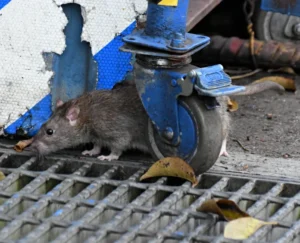
Look for signs of damage to the box. Rats will sometimes gnaw on the plastic, though most bait boxes are thick enough to resist serious damage. If the box is cracked or broken in a way that could allow larger animals to access the poison, replace it.
Clean out any debris that accumulates inside the box. Leaves, dirt, insect bodies, and other material can pile up over time. This makes the box less attractive to rats and can block access to the bait. Brush out debris when you refill the bait.
Once rat activity stops (no more bait being consumed, no more droppings or other signs), you can remove the boxes or leave them in place as monitoring stations. Some people leave empty or lightly baited boxes in key locations to quickly detect if rats return.
Safety Features That Make Bait Boxes Effective
The entrance hole size is carefully calculated. It needs to be large enough for rats (adults can be quite big, up to 16 inches including the tail) but small enough to exclude cats, small dogs, and children’s hands. Most boxes use holes around 2-2.5 inches in diameter.
Baffled entrances add another layer of protection. Instead of a straight hole into the box, the entrance has a turn or bend. Rats can easily navigate this, but it prevents someone from reaching straight in and grabbing the poison.
The locking mechanism keeps the lid secure even if the box is knocked over or moved. This prevents the box from popping open and spilling poison.
Some boxes have secondary clips or latches in addition to the main lock.
Interior securing rods or spikes keep the poison bait in place. Rats can’t drag blocks out of the box to hide or store them elsewhere. This prevents poison from ending up in random locations around your property.
Some advanced bait boxes have transparent inspection windows that let you check bait levels without opening the box. This speeds up inspection and reduces the chances of losing the key or damaging the lock from repeated opening and closing.
What Happens After Rats Eat Poison From the Box?
With anticoagulant poisons (the most common type), rats typically need to feed multiple times over three to five days to consume a lethal dose. The rat eats from the box, leaves, and goes about its business. It comes back the next night and eats more.
After consuming enough poison, the rat’s blood stops clotting properly. Internal bleeding starts, usually three to five days after the first feeding.
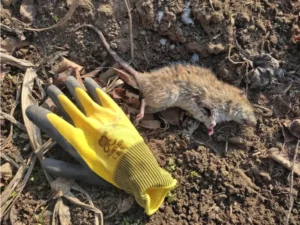
The rat becomes weak and lethargic. It slows down and eventually dies, typically five to seven days after it started eating the poison.
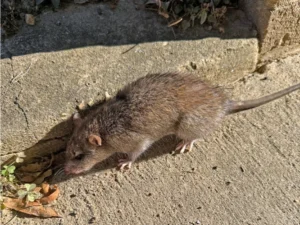
The rat doesn’t die inside the bait box. It dies wherever it happens to be when the poison takes full effect, often in its nest or burrow.
This is both good and bad. Good because you don’t have a dead rat rotting inside your bait station. Bad because the rat might die in your walls or another inaccessible location.
Other rats in the colony will continue visiting the bait box as long as it contains poison. They don’t learn to avoid the box because the death happens days after eating, breaking the cause-and-effect connection that would create bait shyness.
Eventually, if all goes well, rat activity stops. No more bait disappears from the box, no more droppings appear, no more sounds in the walls.
This indicates you’ve eliminated the local rat population, at least temporarily.
Common Problems With Bait Boxes
Sometimes rats simply won’t enter the boxes. This happens if the boxes are placed in the wrong locations (not along rat runways), if there’s too much other food available (garbage, pet food, bird seed), or if the rats are extremely neophobic and won’t approach the new object.
Mice might dominate the bait boxes and consume all the poison before rats get to it. Mice are smaller and more numerous, and they’ll often outcompete rats for bait.
If you’re targeting rats specifically but mice are eating all the poison, you might need larger bait that mice can’t easily consume.
Non-target animals sometimes figure out how to access bait boxes. Raccoons are particularly clever and can sometimes manipulate boxes that aren’t sturdy enough.
Squirrels might also manage to access some consumer-grade boxes if they’re determined enough.
Weather can still affect boxes if they’re not properly maintained. Water can leak in through entrance holes if the box is in a low spot that floods.
Extreme heat can make the interior uncomfortable for rats, discouraging them from entering and staying to feed.
People sometimes place boxes and forget about them. Unchecked boxes can run out of bait, contain dead rats or mice that died inside, or have poison that’s degraded and ineffective. Regular maintenance is critical for bait boxes to work properly.
What Are The Legal Requirements for Using Bait Boxes?
Many jurisdictions require bait boxes (called tamper-resistant bait stations in regulations) for all outdoor poison use and for indoor use in any location where children, pets, or non-target animals might access the poison. Check your local laws before using rat poison.
Some areas specify minimum standards for bait stations, such as requiring locks that need tools to open, entrance holes no larger than specific dimensions, and construction from materials that resist rat gnawing and weather damage.
Commercial pest control operators often face stricter regulations than homeowners. They might be required to use professional-grade bait stations, maintain detailed records of where boxes are placed, and inspect them at specific intervals.
California has particularly strict regulations due to environmental concerns about wildlife poisoning.
Second-generation anticoagulant rodenticides can’t be sold to consumers at all, and any rodenticide use must follow specific guidelines about bait stations and placement.
Violating rodenticide regulations can result in fines and liability if someone’s pet or child is poisoned. Using poison without proper bait stations when they’re required by law opens you up to legal consequences if something goes wrong.
Bait Boxes vs. Traps: Which Is Better?
Bait boxes with poison work better for large infestations because you can poison multiple rats simultaneously. Each box can potentially eliminate many rats over time, whereas each trap only catches one rat (or one at a time with electronic traps).
Traps give you immediate confirmation when you catch a rat. You see the body, you know the rat is dead, and you can dispose of it right away.
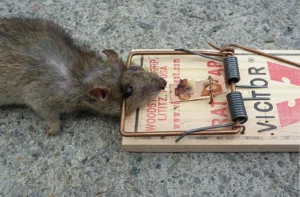
With bait boxes, you know rats are eating poison but you don’t know exactly when or where they’re dying.
Traps don’t pose secondary poisoning risks to pets or wildlife. A hawk that eats a trapped rat is fine. A hawk that eats a poisoned rat can die from the accumulated poison.
If you have concerns about environmental impact, traps are the better choice.
Bait boxes require less frequent checking once they’re set up. You might check weekly to refill bait. Traps need to be checked daily because a caught rat will attract scavengers and create smell problems if left in the trap for days.
Some situations call for using both. Place bait boxes in areas where rats are active but where checking traps daily would be difficult (like inside wall voids or tight crawl spaces). Use traps in more accessible areas where you can monitor them regularly.
Conclusion
Rat poison boxes (bait stations) work by providing a safe, weather-protected feeding location that only rats can access. The boxes protect children, pets, and wildlife from the poison while keeping the bait fresh and effective.
Rats enter through small openings, eat the poison over multiple nights, then leave and eventually die elsewhere from the accumulated effects.
These boxes are essential for safe poison use and are legally required in many areas. They need to be placed strategically along rat travel routes, checked and maintained regularly, and secured properly to prevent tampering.
When used correctly, bait boxes can effectively eliminate rat populations while minimizing the risks associated with poison use.
However, bait boxes don’t solve the underlying reasons you have rats. They’re a tool for killing existing rats, not preventing new ones from arriving.
Combine bait boxes with exclusion (sealing entry points), sanitation (removing food sources), and habitat modification for long-term rat control that actually keeps your property rat-free.

Hi, my name is Ezra Mushala, i have been interested animals all my life. I am the main author and editor here at snakeinformer.com.