

You’ve been using rat poison for months, but rats are still around. You’re wondering if the rats have somehow become resistant to the poison you’re using. Can rats actually become immune to rat poison?
Yes, rats can develop resistance to rat poison. Through genetic changes passed down through generations, some rat populations have become resistant to anticoagulant poisons. This doesn’t mean individual rats become immune during their lifetime, but resistant rats survive and produce resistant offspring.
This resistance is a serious problem that’s been documented in rat populations across many countries. It’s one reason why stronger (and more dangerous) poisons keep being developed.
How Resistance Develops in Rat Populations
Resistance to rat poison works through natural selection, not individual immunity. Understanding this difference is important.
When you use rat poison, most rats die. But if even a few rats have a genetic trait that makes them resistant, those rats survive.
The surviving resistant rats breed and pass the resistance gene to their offspring. Over generations, more and more rats in the population carry this gene.

Eventually, you end up with a rat population where most individuals are resistant to that poison. The poison stops working effectively.
This isn’t the same as an individual rat becoming immune through exposure. A rat that eats a small amount of poison and survives doesn’t develop immunity. It either got lucky with a non-lethal dose, or it already had genetic resistance.
The process takes many generations of rats. In areas where poison has been used heavily for decades, resistance is much more common.
Rats breed incredibly fast. A female rat can have 5 to 10 litters per year, with 6 to 12 babies per litter. This means genetic changes spread quickly through the population.
Resistance is most common in areas with continuous poison use. Cities, farms, and industrial areas where poison is used year after year show higher rates of resistance.
Types of Resistance in Rats
Rats have developed resistance to different types of poison in different ways. The mechanisms vary depending on which poison is being used.
Resistance to first-generation anticoagulants like warfarin is well documented. This was discovered in the 1960s when rats in some areas stopped dying from warfarin.
The resistance comes from genetic mutations that change how the rat’s body processes vitamin K. Normal rats need vitamin K to make clotting factors, and warfarin blocks this.
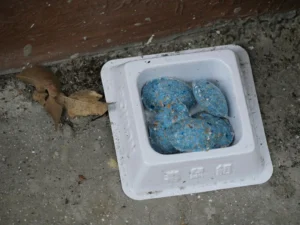
Resistant rats have a slightly different vitamin K system. They can still make clotting factors even when exposed to warfarin. The poison doesn’t affect them the same way.
Some resistant rats can eat doses of warfarin that would kill 100 normal rats. That’s how strong the resistance can be.
Resistance to second-generation anticoagulants like brodifacoum is also appearing. This is more concerning because these poisons were developed specifically to overcome warfarin resistance.
Second-generation resistance is still less common than warfarin resistance, but it’s spreading. Rats in parts of Europe, the UK, and North America have tested positive for this resistance.
The genetic basis for second-generation resistance is similar but involves different mutations. The rat’s clotting system becomes less sensitive to the poison.
Cross-resistance can happen. A rat resistant to warfarin might also have some resistance to other anticoagulants. This makes control even harder.
Where Resistant Rats Are Found
Resistant rat populations aren’t evenly distributed. They’re concentrated in specific areas based on poison use history.
The UK has some of the highest rates of resistant rats. Decades of continuous anticoagulant use have created widespread resistance.
Parts of Europe, including Germany, France, Denmark, and the Netherlands, report significant resistance. Some areas have rats resistant to multiple types of poison.
In the United States, resistant rats have been documented in various locations. Urban areas with long-term poison use show higher resistance rates.

Agricultural areas often have resistant rats. Farms and grain storage facilities use poison heavily, creating strong selection pressure.
Ports and shipping areas have resistant rats. These locations see constant rat control efforts, and rats from resistant populations can arrive on ships from other countries.
Suburban neighborhoods with ongoing poison use can develop resistance over time. Even homeowners using poison year after year contribute to selection for resistance.
Rural areas with less poison use generally have fewer resistant rats. Populations that aren’t constantly exposed to poison don’t develop resistance as quickly.
Resistance can spread when rats migrate. A resistant rat moving to a new area can breed with local rats and pass on resistant genes.
International shipping spreads resistant rats globally. A rat population resistant to poison in one country can be transported to another country through cargo.
Signs That Rats Might Be Resistant
How do you know if the rats on your property are resistant to poison? There are some clues to watch for.
- Rats keep appearing even though you’re using poison correctly. If bait is being eaten but rats don’t die, resistance is possible.
- You find dead rats at first, then the deaths stop even though bait continues disappearing. This suggests some rats died while resistant ones survived.

- Rats seem healthy and active near bait stations. Resistant rats can eat poison without getting sick, so they show no symptoms.
- You’ve switched poisons but still have rats. If different anticoagulants all fail, you might be dealing with cross-resistance.
- Other people in your area report poison not working. If neighbors have the same problem, it suggests widespread resistance in the local population.
- Poison that worked well in the past stops being effective. If the same product suddenly stops working, resistance might have developed.
- The rats seem bolder or less afraid. While not directly related to resistance, persistent rat populations can become habituated to human activity.
- Professional pest control can’t eliminate the rats with standard poisons. When even experts struggle, resistance is a likely explanation.
Testing for Resistance
Confirming resistance requires specialized testing that most homeowners can’t do. But professionals have options.
Blood clotting tests on captured rats can show resistance. If a rat’s blood clots normally even after eating poison, it’s resistant.
Genetic testing can identify resistance genes. This requires sending tissue samples to a lab that specializes in rodent genetics.
Some universities and government agencies study rat resistance. They might test rat samples from your area as part of research.
Controlled feeding trials can prove resistance. Rats are given poison and monitored to see if they die. Resistant rats survive doses that kill normal rats.
These tests are expensive and usually only done for research or when resistance is suspected to be a widespread problem.
For practical purposes, if multiple types of anticoagulant poison fail to control rats, you can assume resistance without formal testing.
How to Deal with Resistant Rats
If you suspect resistant rats, you need to change your approach. Using more of the same poison won’t work and just makes the problem worse.
Switch to a different type of poison. If you’ve been using first-generation anticoagulants, try second-generation ones.
If second-generation poisons also fail, consider non-anticoagulant poisons. Bromethalin attacks the nervous system instead of the blood clotting system.
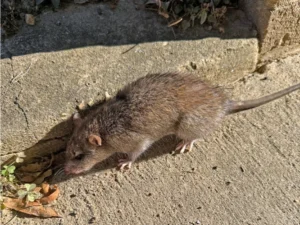
Cholecalciferol (vitamin D3) poison works differently than anticoagulants. It causes calcium buildup that damages organs. Resistant rats aren’t protected against this mechanism.
Zinc phosphide is another alternative. It produces toxic gas in the rat’s stomach. This has nothing to do with blood clotting, so resistance doesn’t apply.
Combining methods works better than poison alone. Use traps along with poison to catch resistant rats that don’t die from bait.
Snap traps are especially useful against resistant rats. Resistance doesn’t protect against being mechanically crushed.
Electric traps kill instantly regardless of any poison resistance. These are great options when dealing with tough rat problems.
Exclusion becomes even more important. If poison doesn’t work well, preventing rats from entering is critical.
Why Second-Generation Poisons Were Developed
Second-generation anticoagulants exist specifically because rats became resistant to first-generation ones. Understanding this history explains our current situation.
Warfarin and other first-generation poisons were introduced in the 1950s. They worked great at first.
By the 1960s, reports started appearing of rats that didn’t die from warfarin. Resistance had developed in just 10 to 15 years.
Scientists developed brodifacoum in the 1970s as a more potent poison. It was designed to kill warfarin-resistant rats.
Brodifacoum and similar second-generation poisons are much more toxic. They require smaller doses and last longer in the body.
Initially, they were highly effective against all rats, including resistant ones. This solved the resistance problem temporarily.
But now rats are developing resistance to second-generation poisons too. We’re seeing the same pattern repeat.
The problem is that we’re running out of options. There aren’t many fundamentally different mechanisms for killing rats that are safe enough for widespread use.
This escalating resistance is why many experts recommend moving away from chemical poisons toward integrated pest management.
Preventing Resistance from Developing
If you’re using rat poison, there are strategies to slow down resistance development in the rat population.
- Don’t use poison continuously year-round. Constant exposure creates the strongest selection pressure for resistance.
- Use poison only when you have an active infestation. Once rats are gone, stop using poison until you see them again.
- Rotate poison types. Don’t use the same product forever. Switching between different poisons reduces selection for specific resistance genes.
- Use the minimum amount needed. Overkill with poison doesn’t help and just increases selection pressure.
- Combine poison with other methods. Using traps and exclusion means fewer rats survive long enough to develop resistance.
- Clean up bait stations regularly. Old, moldy bait attracts resistant rats while being less effective at killing them.
- Remove dead rats promptly. This prevents resistant rats from eating them and getting sublethal doses.
- Fix the underlying problem. If you eliminate food sources and entry points, rats won’t stick around regardless of resistance.
- Consider not using poison at all. Traps and exclusion don’t create resistance issues.
Non-Chemical Alternatives
Given the resistance problem, many people are moving to methods that don’t involve poison. These approaches work regardless of genetic resistance.
Snap traps have been around for over a century. They’re still effective because resistance can’t protect against mechanical force.
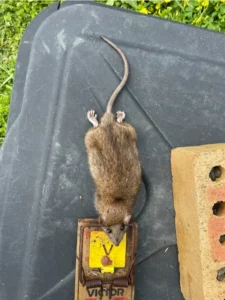
Modern snap traps are more effective and safer than old designs. They’re easy to set and kill rats quickly.
Electric traps deliver a fatal shock. No amount of genetic mutation protects a rat from electricity.
These traps cost more initially but last for years. They’re reusable and don’t require ongoing bait purchases.
Live traps catch rats without killing them. You can release them far from your property. This works well for small numbers of rats.
Exclusion prevents rats from entering in the first place. Seal holes, fix screens, and eliminate access points.
Removing food sources makes your property unattractive. Rats won’t stay where there’s nothing to eat.
Proper sanitation eliminates hiding places and nesting areas. Clean yards and buildings have fewer rats.
Natural predators like cats and owls can control rat populations. Encouraging these predators provides ongoing control.
Ultrasonic repellers might help in some situations. They won’t work on all rats, but resistance isn’t an issue.
The Future of Rat Control
The resistance problem is forcing a rethink of how we control rats. The future will likely look different from current practices.
Research is ongoing into new types of poison that work through different mechanisms. These would avoid current resistance genes.
Immunocontraceptives that prevent rats from breeding are being tested. Instead of killing rats, these stop them from reproducing.
This approach doesn’t create selection pressure for resistance. Rats that eat the contraceptive don’t die, so there’s no survival advantage to resistance.
Genetic techniques might someday be used. Gene drives could spread genes through rat populations that reduce fertility or survivability.
Better traps and monitoring technology could reduce poison dependence. Automated traps that alert you when they catch something are becoming available.
Integrated pest management that combines multiple approaches will become standard. No single method, all working together.
Public education about resistance might change behavior. As people learn about the problem, they might use less poison or choose alternatives.
Regulations might restrict certain poisons to slow resistance development. Some places already ban second-generation anticoagulants.
Professional pest control is moving toward more sophisticated approaches. They’re using monitoring, exclusion, and targeted treatment instead of just scattering poison.
Why Resistant Rats Are More Dangerous
Resistant rats aren’t just hard to control. They actually create additional problems beyond the basic rat infestation.
You might use more poison trying to kill them. This increases environmental contamination and risk to non-target animals.
Frustrated homeowners sometimes use dangerous amounts of poison. This creates hazards for pets, children, and wildlife.
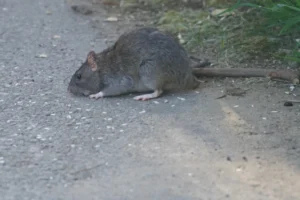
Resistant rats can carry more poison in their bodies without dying. When a cat, dog, or hawk eats a resistant rat, it gets a bigger dose of poison.
Secondary poisoning becomes more severe. Predators eating resistant rats get exposed to higher poison levels.
Resistant rats reproduce successfully while carrying poison in their systems. Their babies might be exposed through milk.
The resistance genes spread. Resistant rats breeding with non-resistant rats pass the genes to their offspring.
Eventually, entire regions can have mostly resistant populations. This makes rat control harder for everyone.
Resistant rats are just as capable of spreading disease and causing damage. Being resistant to poison doesn’t make them less of a pest problem.
Conclusion
Rats can definitely develop resistance to rat poison. Through genetic changes passed down through generations, rat populations in many areas have become resistant to common anticoagulants.
This resistance isn’t about individual rats becoming immune. It’s about survival of the fittest at a population level. Rats with resistance genes survive and reproduce, spreading those genes.
The problem is widespread and getting worse. Second-generation poisons that were developed to overcome resistance are now seeing resistance develop too.
If you’re dealing with rats that don’t respond to poison, resistance is a likely cause. Switching poison types or moving to non-chemical methods is necessary.
The best long-term solution is to reduce reliance on chemical poisons. Traps, exclusion, and sanitation work regardless of genetic resistance and don’t create the same environmental problems.

Hi, my name is Ezra Mushala, i have been interested animals all my life. I am the main author and editor here at snakeinformer.com.