
You might be hoping there’s some type of rat poison that’ll kill rodents without harming your feathered pets. Unfortunately, birds are among the most vulnerable animals when it comes to poisoning. So what rat poison is safe for birds?
There is no rat poison that is safe for birds. All rodenticides are extremely toxic to birds, often more so than to mammals. Birds have highly sensitive respiratory systems, fast metabolisms, and unique physiologies that make them especially vulnerable to poisoning. Even tiny amounts of rat poison can kill a bird. The only bird-safe rodent control methods are non-poison alternatives like traps, exclusion, and professional pest control using non-toxic approaches.
Pet birds (parrots, finches, canaries, etc.) and backyard birds are both at serious risk from rat poison, whether they’re exposed directly or through contaminated food or water.
Why Rat Poison Is Extremely Dangerous for All Birds
| Poison Type | Why It’s Especially Dangerous for Birds | Risk Level for Birds | How Birds Get Exposed | Symptoms in Birds | Survival Rate |
|---|---|---|---|---|---|
| First-generation anticoagulants (Warfarin) | Birds’ blood clotting is very sensitive; small amounts cause fatal bleeding | Very High | Direct ingestion, eating poisoned insects, contaminated seed | Weakness, pale beak/feet, difficulty breathing, bleeding from mouth/vent | Poor without immediate treatment |
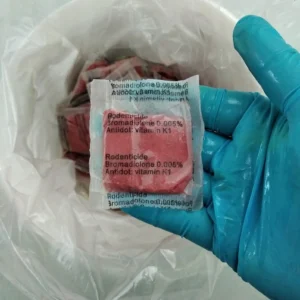
| Second-generation anticoagulants (Brodifacoum, Bromadiolone) | Extremely toxic; persists in bird’s body for weeks; tiny doses lethal | Extremely High | Same as above plus secondary poisoning from prey | Same but faster onset, more severe | Very poor |
| Bromethalin | Causes brain swelling; birds’ nervous systems extremely sensitive | Extremely High | Direct ingestion of pellets or grains | Tremors, seizures, paralysis, inability to perch, death | Nearly zero (no antidote) |
| Cholecalciferol (Vitamin D3) | Birds highly sensitive to vitamin D; rapid kidney failure | Extremely High | Direct ingestion | Increased drinking, weakness, seizures, sudden death | Poor |
| Zinc Phosphide | Creates toxic gas; birds’ respiratory systems extremely sensitive to fumes | Extremely High | Direct ingestion, inhaling fumes | Severe breathing difficulty, seizures, rapid death | Very poor |
| Any grain or seed-based bait | Looks identical to bird food | Extremely High | Direct ingestion (birds can’t distinguish from their food) | Depends on poison type | Varies but generally poor |
This table shows that every single type of rat poison is extremely dangerous to birds. Their unique physiology makes them more vulnerable than almost any other pet.
Why Birds Are More Sensitive to Poisons Than Mammals
Birds have several physiological characteristics that make them incredibly vulnerable to toxins of all kinds, including rat poison.
First, birds have extremely efficient respiratory systems with air sacs throughout their bodies. This means they absorb airborne toxins and gases much more quickly and in higher concentrations than mammals.
Second, birds have very fast metabolisms. Their hearts beat faster, they breathe faster, and they process everything in their systems faster. This means poison gets absorbed and distributed through their bodies at rapid speeds.
Third, birds have smaller body sizes than most mammals (even large parrots are small compared to dogs). This means even tiny amounts of poison represent huge doses relative to their body weight.
Fourth, birds lack certain liver enzymes that mammals use to break down toxins. This makes them unable to process and eliminate many poisons the way dogs or cats can.
Fifth, birds’ blood systems and organ functions are different from mammals in ways that make them more susceptible to certain toxins, especially those that affect clotting, kidneys, or neurological function.
All these factors combined mean that poisons that might make a dog sick will often kill a bird outright.
The Grain and Seed Bait Problem for Birds
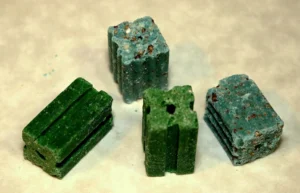
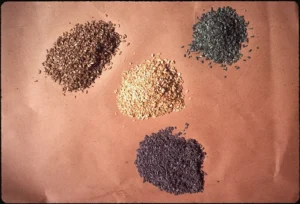
Many rat poisons are formulated as grain or seed baits to attract rodents. This creates a deadly problem for bird owners.
Grain and seed-based rat poisons look exactly like bird food. To a bird, poison pellets, grains, or seeds are indistinguishable from their regular food.
If you have loose bird seed or rat poison anywhere your bird can access, they will eat it. Birds don’t have the ability to smell or taste that something is poisonous the way some mammals might.
Even if you keep poison in a supposedly secure location, birds are curious and intelligent. Parrots especially can figure out how to open containers, manipulate objects, and access things you thought were safe.
If poison gets spilled anywhere in your home (even a few pellets or grains), and your bird is out of their cage, there’s a high chance they’ll find and eat it.
Birds forage constantly. It’s their natural behavior. If there’s anything seed-like or grain-like in their environment, they’ll investigate it and likely eat it.
The visual similarity between bird food and grain/seed-based rat poison means you can never safely use this type of poison in any home where birds live or have access.
Why Pet Birds Are at Risk Even in Cages
You might think your caged pet bird is protected from rat poison because they’re enclosed. Unfortunately, there are multiple ways caged birds can still be exposed.
If you use rat poison anywhere in your home, dust or particles from it can become airborne. Birds have incredibly sensitive respiratory systems, and breathing even small amounts of poison dust can make them sick or kill them.
Some rat poisons release toxic fumes, especially zinc phosphide. These fumes can travel through your house and reach your bird’s cage. Your bird can be poisoned just from breathing the air.
If poison is placed near your bird’s cage and rodents carry pieces of it around, pellets or grains can fall into your bird’s cage from above or be pushed through the bars by investigating rodents.
If you handle rat poison (placing bait, checking traps, etc.) and then handle your bird or their food without washing your hands thoroughly, you can transfer poison residue.
When your bird is out of their cage for exercise and interaction (which they should be daily for their mental and physical health), they have access to your whole home. If there’s poison anywhere, they might find it during this free time.
Rats themselves might try to access your bird’s cage to steal their food. If you have poisoned rats dying in your walls or around your house, your bird might be exposed to the poison through contaminated air or surfaces.
The Secondary Poisoning Risk for Birds
Secondary poisoning happens when an animal eats something that already ate poison. This is a serious risk for certain types of birds.
Pet birds who eat insects (like some parrots who enjoy mealworms or crickets as treats) can be poisoned if those insects ate or came in contact with rat poison.
Outdoor birds in aviaries might eat insects or small animals that consumed rat poison. Even small amounts passed through the food chain can poison birds.
If you feed your bird fresh foods and those foods were stored near rat poison or in areas where poisoned rodents have been, contamination is possible.
Some birds are given variety in their diet that includes things like cooked eggs or small amounts of meat. If these foods come from animals exposed to rat poison, there’s a risk.
Wild birds (if you also feed wildlife in your yard) face huge secondary poisoning risks. Owls, hawks, and other predators eat poisoned rodents and die. Songbirds eat poisoned insects and die. This creates a cascade effect through the ecosystem.
Why Bait Stations Don’t Protect Birds
Bait stations are designed to let rodents in while keeping other animals out. They offer virtually no protection for birds.
Small birds like finches, canaries, and budgies can often fit through the openings meant for rats and mice. They’re tiny enough to access the poison directly.
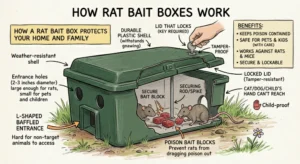
Larger parrots might not fit inside the station, but they’re incredibly intelligent and can manipulate objects. A parrot might figure out how to open a bait station or chew through it to access what’s inside.
Birds are curious by nature. They’ll peck at, chew on, and investigate bait stations. This increases the risk of the station breaking open or poison spilling out.
Rodents drag poison out of bait stations to eat elsewhere or to take to their nests. These dropped pieces become accessible to any bird who finds them.
And bait stations do absolutely nothing to protect birds from airborne poison dust or fumes, which is a major exposure route for birds with their sensitive respiratory systems.
Anticoagulant Poisons and Birds’ Blood Systems
Anticoagulant rat poisons work by interfering with blood clotting. Birds are especially vulnerable to these because their blood clotting systems are delicate.
Birds have less blood volume relative to their body size compared to mammals. This means any blood loss is more serious for them. Even small amounts of internal bleeding can be fatal.
The clotting factors in birds’ blood are sensitive to disruption. Anticoagulant poisons affect these factors quickly and dramatically in birds.
Birds can develop internal bleeding in their lungs, abdomen, or brain from anticoagulant poisoning. Because birds hide illness so well, you might not notice symptoms until bleeding is severe.
Visible symptoms of anticoagulant poisoning in birds include weakness, pale beak and feet, difficulty breathing, blood coming from the mouth or vent, or suddenly falling off the perch.
Treatment for anticoagulant poisoning in birds requires immediate veterinary care and vitamin K injections. Even with treatment, many birds don’t survive because the bleeding is so rapid and severe.
Second-generation anticoagulants are even more dangerous because they’re so much more potent. A bird only needs to ingest a tiny amount to develop fatal bleeding.
Why Bromethalin Is a Death Sentence for Birds
Bromethalin is one of the most dangerous rat poisons for birds because it affects the nervous system and there’s no antidote.
This poison causes swelling in the brain and spinal cord. Birds’ nervous systems are extremely sensitive, and even tiny amounts of bromethalin can cause severe neurological damage.
Symptoms in birds include tremors, seizures, inability to perch, loss of coordination, paralysis, and death. These symptoms can appear within hours of exposure.
There is no antidote for bromethalin poisoning. Treatment is limited to supportive care, but for birds, supportive care is rarely successful because the poison works so quickly and causes such severe damage.
Birds who survive initial bromethalin poisoning often have permanent neurological damage. They might never fly properly again, might lose the ability to perch, or might have ongoing seizures.
The lethal dose for birds is so small that even incidental exposure (walking on a surface where poison was placed, pecking at a tiny piece of bait) can be fatal.
Cholecalciferol Poisoning in Birds
Cholecalciferol is vitamin D3, which sounds harmless but is extremely toxic to birds in the doses used in rat poison.
Birds are very sensitive to vitamin D levels. While they need some vitamin D for health, too much causes rapid kidney failure and death.
This poison causes massive increases in calcium levels in the blood. The excess calcium gets deposited in the kidneys and other organs, causing severe damage.
In birds, symptoms of cholecalciferol poisoning include increased drinking, weakness, inability to perch, seizures, and often sudden death without much warning.
Kidney failure in birds progresses very rapidly. Once symptoms are visible, the damage is often already irreversible.
There’s no specific antidote for cholecalciferol poisoning. Treatment involves aggressive fluid therapy and medications to reduce calcium absorption, but success rates in birds are low.
The speed at which this poison works in birds means that even if you get your bird to a vet quickly, there might not be enough time to save them.
Zinc Phosphide and Birds’ Respiratory Vulnerability
Zinc phosphide is particularly dangerous for birds because of their extremely sensitive respiratory systems.
When this poison is eaten, it reacts with stomach acid to create phosphine gas. This gas is highly toxic and affects the lungs, liver, heart, and nervous system.
Birds breathe differently than mammals. They have air sacs throughout their bodies and a more efficient oxygen exchange system. This means toxic gases affect them much more severely and rapidly.
Even being in the same room where a poisoned rodent is dying and releasing phosphine gas can kill a bird. The fumes don’t have to be concentrated, just present.
If you use zinc phosphide poison in your home and a rodent eats it, the rodent might die in your walls or somewhere in the house while releasing toxic fumes. Your bird can be poisoned just from the air they breathe.
Symptoms in birds include severe difficulty breathing, gasping, open-mouth breathing, seizures, and rapid death.
There’s no antidote. Treatment is supportive only, and most birds exposed to zinc phosphide don’t survive.
Why “Natural” Poisons Aren’t Bird-Safe
Natural or organic rat poisons aren’t any safer for birds than synthetic ones.
Many natural poisons use essential oils. Birds are extremely sensitive to essential oils and can die from exposure. Their liver can’t process these compounds, and their respiratory systems can’t handle the fumes.
Some use plant-based toxins. Many plants that are toxic to rodents are also toxic to birds. Birds might eat plant materials or seeds, so plant-based poisons are easily accessible to them.
Natural poisons that use salt or other minerals can cause toxicity in birds just like in other animals. Birds have small body sizes, so toxic doses of these substances are very small.
Some organic poisons use corn gluten or grain-based carriers. Birds will eat these thinking they’re food.
The term “natural” has no bearing on whether something is safe for birds. Many of the most toxic substances to birds are completely natural (like tobacco, certain plants, essential oils, etc.).
Never assume that because something is labeled natural or organic, it’s safe to use around birds.
Safe Alternatives to Rat Poison Around Birds
If you can’t use poison around birds, what can you do about rodents? There are several effective options.
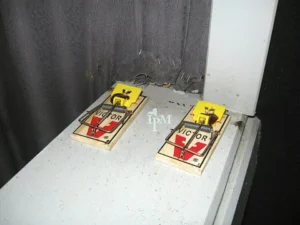
Snap traps kill rodents instantly and are safe for birds if placed where birds can’t access them. Put them inside closed cabinets, in the attic, in the basement, or other areas where your birds never go.
Electronic traps deliver high-voltage shocks that kill rodents. These are enclosed units that birds can’t fit into, making them very bird-safe.
Live traps catch rodents without harming them. These are completely safe for birds. You can place them anywhere and just check and empty them regularly.
Exclusion is the best long-term solution. Seal all holes and gaps where rodents are entering your home. Use steel wool or hardware cloth in gaps because rodents can’t chew through these materials.
Improve food storage. Keep all bird food, seed, and treats in sealed metal or thick plastic containers. Don’t leave bird food accessible to rodents overnight.
Clean up thoroughly. Rodents are attracted to spilled bird seed and food scraps. Clean under and around bird cages daily to remove anything that might attract rodents.
Professional pest control using integrated pest management (IPM) can solve rodent problems without using poison. Tell them explicitly that you have birds and need completely non-toxic methods.
Conclusion
There is no rat poison that is safe for birds. All rodenticides are extremely toxic to birds, often more so than to mammals. Birds’ sensitive respiratory systems, fast metabolisms, and unique physiologies make them especially vulnerable to poisoning from all types of rat poison.
The only safe way to control rodents when you have pet birds is to completely avoid poison and use alternatives like traps, exclusion, proper food storage, and professional pest control using non-toxic methods.
If you currently use rat poison and you have birds, remove it from your home immediately and switch to bird-safe rodent control. Your feathered companions’ lives depend on keeping poison out of their environment entirely.
Sources:
Cholecalciferol (Vitamin D3) Rodenticide Poisoning: https://vcahospitals.com/know-your-pet/cholecalciferol-vitamin-d3-rodenticide-poisoning
Bromethalin Poisoning in Animals:https://www.msdvetmanual.com/toxicology/rodenticide-poisoning/bromethalin-poisoning-in-animals
Anticoagulant Rodenticide Poisoning in Animals: https://www.msdvetmanual.com/toxicology/rodenticide-poisoning/anticoagulant-rodenticide-poisoning-in-animals
Phosphide (Zinc, Magnesium, Aluminum) Poisoning in Animals:https://vcahospitals.com/know-your-pet/rodenticide-warfarin-poisoning-in-dogs

Hi, my name is Ezra Mushala, i have been interested animals all my life. I am the main author and editor here at snakeinformer.com.