
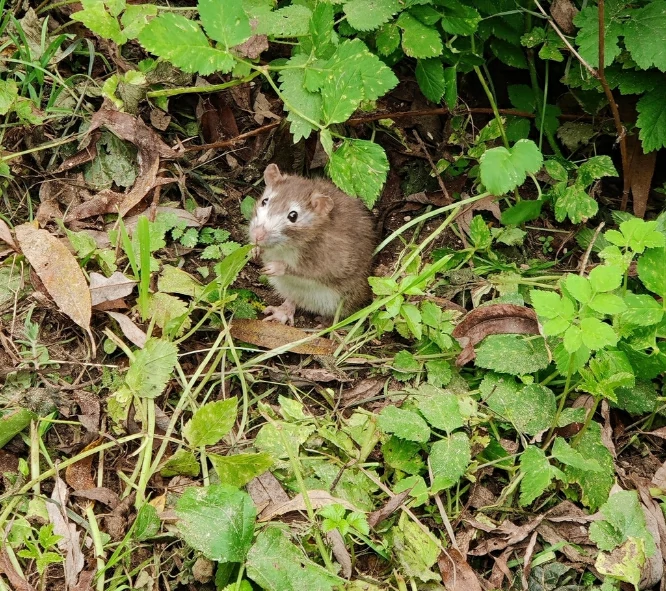
You’ve spotted rats in your garden, and you want them gone fast. Your vegetable patch is being raided, you’ve found droppings near your shed, and you’re worried about disease.
Rat poison seems like the quickest solution, and you’re thinking about putting some out among your plants and flowers. But can you put rat poison in your garden?
Technically yes, you can put rat poison in your garden, but it’s really risky and often not the best choice. Poison in gardens can harm pets, children, wildlife, and beneficial insects. It can also contaminate your soil and get into your vegetables. In the UK specifically, there are strict rules about how you can use rat poison outdoors, and you need to follow these carefully to avoid breaking the law.
If you do decide to use rat poison in your garden, you need to do it safely and legally.
This means using covered bait stations, keeping poison away from food plants, and taking precautions to protect non-target animals. But there are often better alternatives that don’t carry these risks.
The Risks of Using Rat Poison in Gardens
Gardens are complex environments with many different plants, animals, and activities happening. Adding poison to this mix creates several serious problems.
The biggest risk is to pets. Dogs and cats spend time in gardens, and they’re naturally curious. If you scatter poison pellets on the ground or leave poison blocks accessible, pets will find and eat them. This can kill them.
Children play in gardens too. Kids dig in dirt, pick up interesting objects, and put things in their mouths. Rat poison is often brightly colored, which makes it look like candy to young children. A child eating rat poison is a medical emergency.
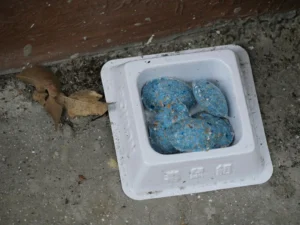
Garden wildlife is at huge risk. Hedgehogs, frogs, toads, birds, and beneficial insects all live in or visit gardens. When you put poison in your garden, these animals can be harmed either directly or through secondary poisoning.
Your vegetables and fruits can be contaminated. If poison gets on your lettuce, tomatoes, or other edible plants, you could end up eating traces of it. Rain and irrigation can spread poison residue around your garden beds.
Soil contamination is another problem. Rat poison breaks down slowly in soil. Over time, poison residue builds up. This can affect the health of your plants and the beneficial microorganisms in your soil.
Earthworms absorb toxins from contaminated soil. Then birds eat the poisoned worms and get sick. This creates a chain of poisoning that spreads through your garden ecosystem.
UK-Specific Rules About Rat Poison Outdoors
If you’re in the UK, there are specific regulations about using rat poison in gardens and outdoor areas. These rules are designed to protect wildlife and the environment.
The UK has stewardship rules for using anticoagulant rodenticides outdoors. These rules were updated in 2016 and became mandatory for professional pest controllers. While homeowners have more flexibility, following these guidelines is strongly recommended.
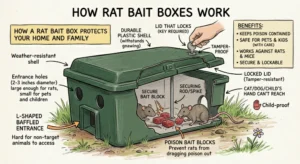
You should use tamper-resistant bait stations when putting poison outdoors. These are covered boxes that protect the poison from weather and prevent non-target animals from accessing it. Bait stations must be secured so they can’t be knocked over or moved.
You’re supposed to search for and remove dead rodents regularly. This prevents other animals from eating poisoned rats and getting secondary poisoning. In practice, this is hard to do in gardens because rats often die in hidden spots.
You shouldn’t use second-generation anticoagulants (like brodifacoum or difenacoum) outdoors unless there’s a serious rat problem that can’t be solved other ways. First-generation anticoagulants (like warfarin) are preferred because they’re less likely to cause secondary poisoning.
Keep records of where you’ve placed poison and check these locations regularly. If dead rats are appearing but the problem isn’t getting better, you’re supposed to stop using poison and try a different approach.
In areas where wildlife is known to be at risk (like near nature reserves or where protected species live), extra precautions are required. You might not be allowed to use poison at all in these locations.
Safer Ways to Use Rat Poison in Gardens
If you decide rat poison is necessary in your garden, there are ways to use it more safely. These methods reduce but don’t eliminate the risks.
Always use covered bait stations. Never scatter poison pellets on the ground or leave blocks sitting out in the open. Bait stations should have entrances small enough for rats but too small for pets, hedgehogs, or birds.
Place bait stations away from areas where children play. Put them behind sheds, under decking, or in other spots that kids don’t access. Make sure the stations are secured so they can’t be moved.
Keep poison away from vegetable gardens and fruit trees. Don’t put bait stations near plants you’re going to eat. The recommended distance is at least 10 feet, though farther is better.
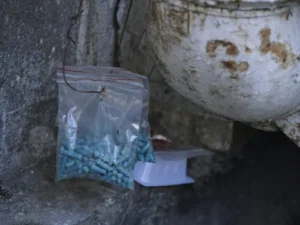
Check bait stations daily. Look for dead rats nearby and remove them immediately before pets or wildlife can eat them. Check that the poison hasn’t been dragged out of the station.
Use the minimum amount of poison needed. Don’t put out huge quantities. Start with small amounts and add more only if the rats are actively eating the bait.
Choose less toxic options when possible. First-generation anticoagulants like warfarin are less dangerous to wildlife than second-generation ones. Ask at the store for the least toxic effective option.
Stop using poison as soon as the rat problem is solved. Don’t leave bait stations out permanently “just in case.” The longer poison is in your garden, the higher the risk of accidents.
Better Alternatives to Poison for Garden Rats
Gardens are actually ideal environments for non-poison rat control methods. These alternatives are safer and often more effective than poison.
Snap traps work really well in gardens. You can place them along rat runs (the paths rats use repeatedly), near their burrows, or close to where you’ve seen droppings. Bait them with peanut butter, bacon, or dried fruit.
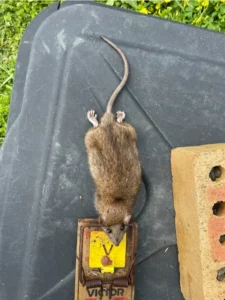
Cover snap traps with a box or bucket if you’re worried about pets or wildlife triggering them. Cut a rat-sized hole in the side of the box. This lets rats in but keeps larger animals out.
Electronic traps deliver a quick electric shock that kills rats instantly. These are more expensive than snap traps but are very effective and humane. Some models can hold multiple rats before needing to be emptied.
Remove food sources that attract rats to your garden. This includes fallen fruit, spilled bird seed, compost bins with food scraps, and pet food left outside. Secure your bins so rats can’t get into garbage.
Clean up your garden to eliminate hiding spots. Rats nest in piles of wood, junk, overgrown vegetation, and under sheds or decking. Clear clutter, trim bushes, and seal gaps under structures.
Use hardware cloth to protect your vegetables. You can create raised beds with wire mesh bottoms and sides. This keeps rats from burrowing up from below or climbing in from the sides.
Encourage natural predators. Owls, hawks, foxes, and even domestic cats help control rat populations. Put up owl boxes, leave some wild areas for foxes, and if you have a cat, let them patrol the garden.
Professional pest control is worth considering for serious rat problems. Professionals know how to solve rat issues safely and effectively. They can assess your specific situation and recommend the best approach.
What to Do About Rats Near Your Vegetables
Rats in vegetable gardens are especially concerning because you’re going to eat what you grow. Using poison here is risky, so focus on other methods.
Harvest vegetables as soon as they’re ripe. Don’t leave overripe produce in the garden. Rats are attracted to ripe tomatoes, squash, corn, and other vegetables.
Clean up any fallen or damaged vegetables immediately. A tomato that fell off the vine or a cucumber that split is an easy meal for rats. Remove these daily.
Use physical barriers around valuable plants. Wire mesh cloches or cages can protect individual plants or rows. Rats can’t chew through metal mesh.
Plant in raised beds with hardware cloth on the bottom. This prevents rats from burrowing up from underneath. The cloth should extend at least 12 inches into the ground.
Water your garden in the morning, not at night. Rats are nocturnal, and a wet garden at night is more attractive to them. Morning watering means the soil is drier when rats are active.
Keep your garden well-weeded and open. Rats like cover. A neat, tidy garden with clear sightlines is less appealing than an overgrown one where they can hide.
Consider planting mint, lavender, or other strong-smelling herbs around your vegetables. Some people believe these scents deter rats, though evidence is mixed.
The Contamination Problem
One thing many people don’t think about is how rat poison can contaminate the food they’re growing. This is a real concern in vegetable gardens.
When you put poison in or near your garden, it can get on your plants. Rain splashes poison residue onto low-growing vegetables like lettuce, spinach, and strawberries. Wind can blow poison dust around.
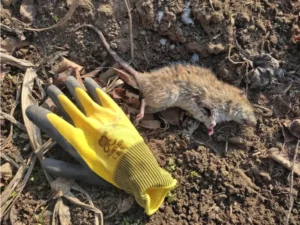
If poisoned rats die in your garden beds, they decompose there. The poison in their bodies leaches into the soil as they break down. This soil then comes in contact with your vegetable roots.
Some rat poisons contain heavy metals or persistent chemicals that don’t break down quickly. These can accumulate in soil over time. Plants absorb these chemicals through their roots.
Washing your vegetables helps but doesn’t eliminate all contamination. Leafy greens especially can hold poison residue in their wrinkled leaves and stems.
The safest approach is to never use poison in or immediately around your vegetable garden. If you must use it elsewhere in your yard, keep it at least 20 to 30 feet away from edible plants.
If you’ve used poison near vegetables, wait at least 2 to 3 weeks after removing all poison before harvesting. This gives rain time to wash away residue. Wash all produce thoroughly before eating.
Impact on Beneficial Garden Wildlife
Gardens are ecosystems full of helpful creatures that you don’t want to harm. Rat poison threatens many of these beneficial animals.
Hedgehogs eat slugs, snails, and insects, making them valuable garden helpers. They’re also small enough to crawl into some bait stations or eat poison that rats have dragged out. Hedgehog populations are declining partly because of poisoning.
Frogs and toads eat tons of insects and are important for pest control. They can absorb poison through their permeable skin if they sit in contaminated water or soil. They also eat poisoned insects.

Ground beetles, ladybugs, and other beneficial insects help control pests naturally. These insects can come in contact with poison or eat poisoned prey.
Songbirds visit gardens to eat insects, worms, and seeds. When they eat poisoned worms or insects, they get sick. Some birds also directly eat poison pellets if they’re accessible.
Bees and butterflies are already struggling. While they don’t usually eat poison directly, contaminated flowers or water can harm them. Gardens should be safe havens for pollinators, not toxic zones.
Garden snakes eat rodents and are excellent natural pest control. A snake that eats a poisoned rat will be poisoned itself.
What About Organic Gardens?
If you’re trying to maintain an organic garden, rat poison is absolutely not compatible with organic principles.
Organic gardening is based on working with nature, not against it. Using synthetic poisons goes against everything organic gardening stands for.
Many rat poisons contain chemicals that aren’t allowed in organic certification standards. If you’re growing vegetables to sell as organic, using rat poison could violate your certification.
Even if you’re not certified, using poison means your garden isn’t truly organic anymore. The poison residue in your soil and on your plants contradicts the whole point of organic methods.
Organic pest control focuses on prevention, physical barriers, and encouraging natural predators. These are exactly the methods you should use for rats in organic gardens.
If rats are a problem in your organic garden, focus on removing attractants, using traps, and creating habitat for natural predators like owls and snakes. These methods align with organic principles.
Long-Term Consequences of Poison in Gardens
Using rat poison in your garden isn’t just a one-time thing. It has lasting effects that you need to consider.
Poison residue persists in soil. Depending on the type of poison, it can remain active for months or even years. This means your garden stays contaminated long after you stop using poison.
Earthworm populations can be decimated by poison. Earthworms are crucial for soil health. They aerate the soil, break down organic matter, and create nutrients for plants. Killing them harms your garden long-term.

The natural balance in your garden gets messed up. Poison doesn’t just kill rats. It affects the entire food web. When predators are poisoned, pest populations can explode.
Some rats develop resistance to poison over time. If you keep using the same poison, you’ll eventually have rats that aren’t affected by it. Then you’re stuck with a resistant rat population and contaminated soil.
Your soil’s microbial community can be damaged. Beneficial bacteria and fungi help plants grow. Some rat poisons disrupt these microorganisms, making your soil less healthy.
Property value can be affected if poison contamination is severe. If you ever need to disclose poison use to buyers, it could make your property less attractive.
Conclusion
Yes, you can put rat poison in your garden, but it’s risky and often not the best choice. Poison creates dangers for pets, children, wildlife, and your vegetables. It can contaminate your soil and harm beneficial garden creatures.
In the UK, there are specific rules about using rat poison outdoors. You should use covered bait stations, check them regularly, remove dead rats, and choose less toxic products when possible.
Better alternatives include snap traps, electronic traps, removing food sources, and encouraging natural predators. These methods solve rat problems without the risks that poison creates.
If you grow vegetables, keep poison far away from your edible plants. The contamination risk isn’t worth it. Focus on prevention and physical barriers to protect your food crops.
For most garden rat problems, non-poison methods work just as well or better than poison, without the dangers and long-term consequences. Take the safer route and protect your garden ecosystem while solving your rat problem.

Hi, my name is Ezra Mushala, i have been interested animals all my life. I am the main author and editor here at snakeinformer.com.