

If you’re setting rat traps outdoors, you might be worried about catching other animals by accident. Hedgehogs are common garden visitors in many areas, and the last thing you want is to hurt one while trying to deal with rats. So, can hedgehogs get in rat traps?
Yes, hedgehogs can get caught in rat traps, especially snap traps and glue traps. Their size is similar to rats, and they’re attracted to the same baits (like peanut butter and meat), which makes them vulnerable to traps set for rodents.
This is a serious concern if you have hedgehogs in your area. These helpful animals eat slugs, snails, and insects, making them valuable garden allies. The good news is there are ways to protect them while still dealing with your rat problem.
Why Hedgehogs Are at Risk
Hedgehogs are about the same size as large rats, usually around 6 to 9 inches long. This means they’re big enough to trigger snap traps that are designed for rats. When a hedgehog investigates the bait, the trap can snap on their face, paws, or body.
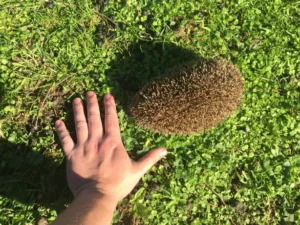
They’re curious animals that investigate food smells, especially at night when they’re most active. Since they’re nocturnal like rats, they’re out hunting for food at the same time your traps are set and ready to catch something.
Hedgehogs are also attracted to many of the same baits people use for rats. Peanut butter, meat scraps, and dog food all smell appealing to a hungry hedgehog. They can’t tell the difference between a free meal and a dangerous trap.
What Happens When a Hedgehog Gets Trapped
Snap traps can cause serious injuries to hedgehogs. The metal bar can break bones, damage their face and mouth, or cause internal injuries. Even if the trap doesn’t kill them immediately, the injuries can be fatal if they’re not found and helped quickly.
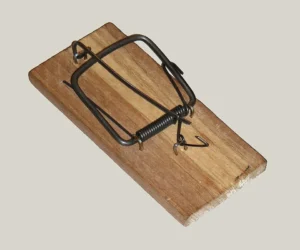
Glue traps are particularly cruel for hedgehogs. Their spines and fur get stuck in the adhesive, and they panic trying to escape. This stress alone can kill them, and trying to remove them from the glue often causes more injury. Many hedgehogs die slowly on glue traps.
Live catch traps are less dangerous but still problematic. A hedgehog trapped in a cage trap can die from stress, dehydration, or starvation if you don’t check the trap often enough. They can also injure themselves trying to escape through the wire mesh.
How to Protect Hedgehogs While Trapping Rats
The best protection is using bait stations or trap boxes that hedgehogs can’t access. You can buy these commercially or make them yourself. The entrance hole should be small enough for rats but too small for hedgehogs (around 2 inches or 5 centimeters works well).
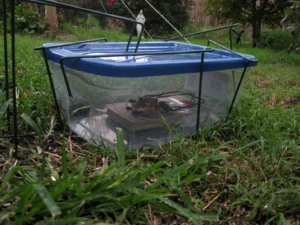
Tony Alter (CC BY 2.0)
Position your traps carefully. Don’t place them along hedgerows, under bushes, or near compost heaps where hedgehogs like to forage. Put them in open areas or against buildings where rats travel but hedgehogs are less likely to go.
Check your traps multiple times a day, especially at dawn and dusk when hedgehogs are most active. The sooner you check, the sooner you can release any hedgehogs that get caught accidentally. Quick discovery can save their lives.
Rat Trap Types and Hedgehog Safety
Snap traps are the most dangerous for hedgehogs. If you must use them outdoors, always put them inside protective boxes that hedgehogs can’t enter. Never leave snap traps exposed in areas where hedgehogs might be present.
Electronic traps that kill with electric shock are also risky. A hedgehog can fit inside these boxes and get electrocuted just like a rat would. Again, proper placement and protective barriers are critical if you’re using these.
Live catch traps are safer but not perfect. At least a hedgehog won’t be killed instantly, giving you a chance to release them unharmed if you check regularly. But they can still die from stress if left too long.
Signs Hedgehogs Are in Your Area
If you see small, round droppings (about the size of a fingernail) that are dark and contain insect parts, you probably have hedgehogs visiting your garden. They’re much smaller and different-looking than rat droppings.
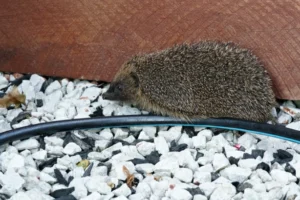
You might hear snuffling and rustling sounds at night, especially near hedges and under bushes. Hedgehogs are pretty noisy when they’re foraging, unlike rats which tend to be quieter.
Look for disturbed leaf litter, small holes in your lawn, or pathways through long grass. Hedgehogs create regular routes as they search for food each night.
What to Do If You Catch a Hedgehog
If you find a hedgehog in a live trap, open it immediately and let them go. They’ll usually curl into a ball at first, but they’ll uncurl and leave once they feel safe. Don’t handle them unless absolutely necessary.
For hedgehogs caught in snap traps, you need to act fast. If they’re still alive, carefully release them from the trap while wearing thick gloves (their spines are sharp). Put them in a ventilated box and contact a wildlife rescue immediately.
Never try to remove a hedgehog from a glue trap yourself. The glue bonds to their spines and skin, and improper removal causes more damage. Take them straight to a wildlife rehabilitation center where experts can safely remove the adhesive with vegetable oil.
Better Alternatives for Outdoor Rat Control
Instead of traditional traps, consider using bait stations designed specifically to keep non-target animals out. These have small entrance holes that only rats can fit through. You can use poison or traps inside these stations safely.
Bucket traps can work well outdoors and are less likely to catch hedgehogs. These involve a bucket with a rolling mechanism on top. Rats climb up and fall in, but hedgehogs are less likely to climb the setup.
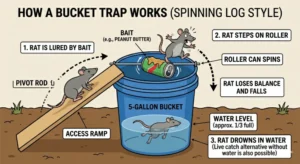
Professional pest control services know how to protect wildlife while dealing with rats. They have specialized equipment and knowledge about local wildlife that helps them trap rats without harming hedgehogs and other animals.
The Legal Side of Hedgehog Protection
In many countries, including the UK, hedgehogs are protected by law. It’s illegal to intentionally harm or kill them. If you set traps that catch hedgehogs repeatedly, you could face legal consequences, especially if people report it.
Even where they’re not legally protected, there are ethical reasons to protect hedgehogs. Their populations are declining in many areas due to habitat loss, and they play an important role in controlling garden pests naturally.
If you’re unsure about local wildlife laws, check with your local wildlife authority or conservation group. They can tell you what’s legal and what isn’t when it comes to trapping near hedgehog habitats.
Making Your Garden Hedgehog-Friendly While Controlling Rats
You can have both rat control and a hedgehog-friendly garden. Create hedgehog highways by cutting small holes (about 5 inches square) in your fences so hedgehogs can move between gardens. This helps them find food and mates.
Leave areas of your garden a bit wild with log piles, leaf heaps, and overgrown corners. These give hedgehogs places to nest and hibernate. Just don’t place rat traps near these areas.
Put out hedgehog food (cat or dog food works great) in areas away from where you’re trapping rats. This keeps hedgehogs occupied in safe zones while your traps work in other areas. It also helps hedgehogs thrive, which means they’ll eat more of the slugs and insects in your garden.
Time of Year Matters
Hedgehogs hibernate in winter (roughly November to March in the northern hemisphere), so your traps are less risky during these months. They’re not out foraging, which means there’s almost no chance of catching one accidentally.
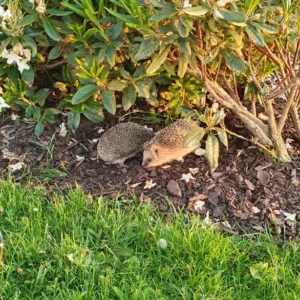
Spring and summer are when hedgehogs are most active. They’re raising babies and need lots of food. This is when you need to be most careful with outdoor traps. Extra vigilance during these months can prevent accidental catches.
Autumn is another risky time because hedgehogs are eating as much as possible to fatten up for hibernation. They’re more likely to investigate any food smell, including bait in your rat traps.
What About Other Wildlife?
The same precautions that protect hedgehogs also protect other animals. Squirrels, birds, cats, and small dogs can all get caught in rat traps if they’re not properly secured or positioned.
Any trap you set outdoors should be checked frequently and positioned to minimize non-target catches. The goal is to solve your rat problem without creating a wildlife disaster in your yard.
Consider using camera traps or checking at night with a flashlight before setting your rat traps. This helps you see what animals are actually in your yard and where they’re traveling, so you can place traps more strategically.
When to Skip Outdoor Trapping Entirely
If you have a thriving hedgehog population in your garden, you might want to focus on exclusion methods instead of trapping. Seal holes in your walls, secure your garbage, and remove rat food sources. This solves the problem without putting hedgehogs at risk.
For severe outdoor rat infestations in areas with lots of wildlife, professional help is your best bet. Pest controllers have methods that are more targeted and less likely to harm beneficial wildlife like hedgehogs.
You can also focus on indoor trapping only. Deal with rats inside your home where hedgehogs won’t be, and use exclusion and sanitation methods for outdoor areas.
Conclusion
Hedgehogs can definitely get caught in rat traps, and the results are often tragic. These beneficial animals are similar in size to rats, active at the same times, and attracted to the same baits, which puts them at serious risk.
The key to protecting hedgehogs is using protective boxes around traps, placing traps carefully away from hedgehog habitats, and checking traps frequently. These simple steps can save hedgehog lives while still letting you deal with your rat problem.
If you have hedgehogs in your area, consider focusing on exclusion and sanitation methods instead of outdoor trapping. When you do trap, use methods that minimize wildlife risk and always prioritize the safety of these declining and valuable garden visitors.

Hi, my name is Ezra Mushala, i have been interested animals all my life. I am the main author and editor here at snakeinformer.com.