
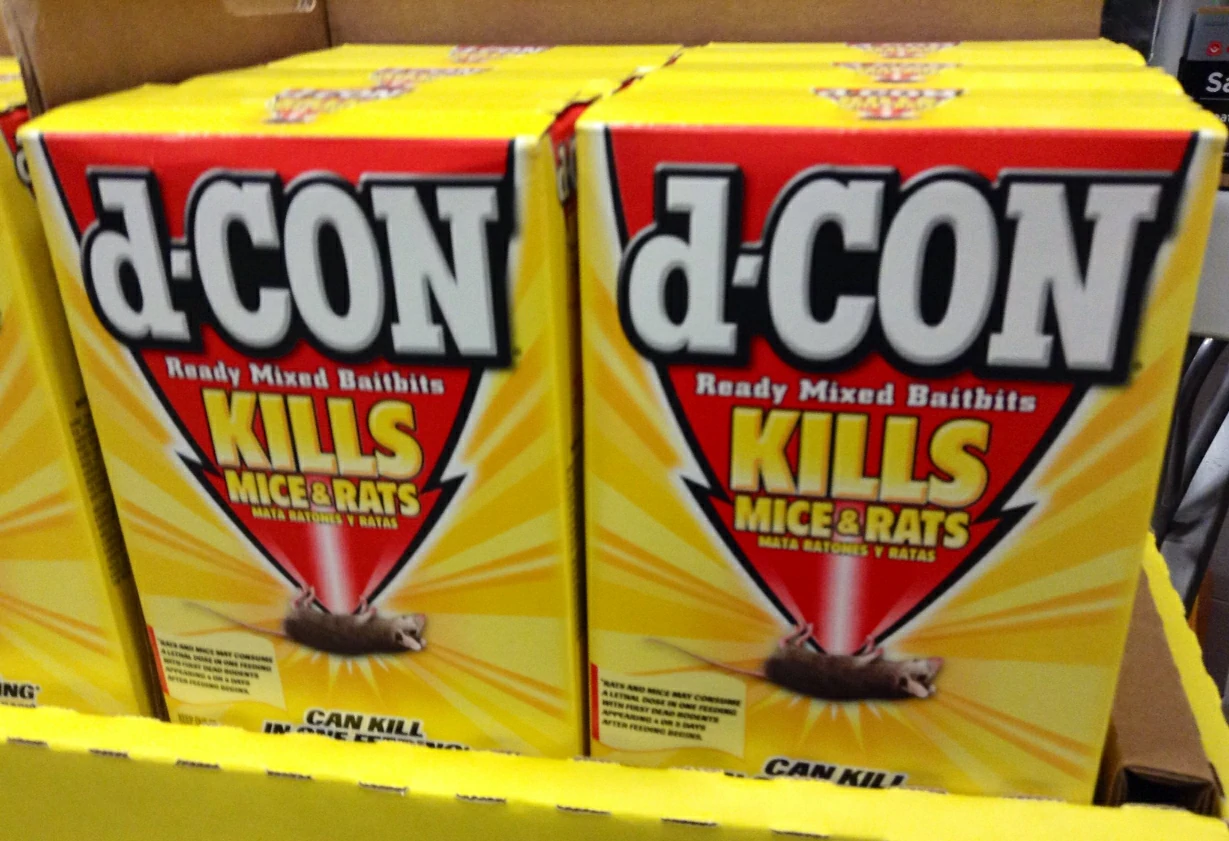
When you’re trying to get rid of rats or mice and you have pets at home, finding a safe solution feels nearly impossible. You want something that works on rodents but won’t hurt your dog, cat, bird, or any other pet you have.
The pet industry and pest control companies sometimes market products as “pet-safe” or “pet-friendly,” but these terms can be misleading. So what rat poison is safe for pets?
There is no rat poison that is truly safe for all pets. Any poison strong enough to kill rodents poses risks to dogs, cats, birds, rabbits, and other pets if ingested. Even products marketed as “pet-friendly” contain toxic ingredients that can harm or kill pets. The only genuinely pet-safe rodent control methods are non-poison alternatives like traps, exclusion, and professional pest control using non-toxic approaches.
This applies to all types of pets, not just dogs and cats. If you have birds, rabbits, guinea pigs, ferrets, or any other animal, rat poison poses a serious threat to them too.
Why No Rat Poison Is Safe for Any Pet
| Poison Type | Danger to Dogs | Danger to Cats | Danger to Birds | Danger to Rabbits/Small Mammals | Danger to Chickens | Why It’s Dangerous |
|---|---|---|---|---|---|---|
| First-generation anticoagulants | Moderate-High | High | Very High | Very High | High | Stops blood clotting; birds and small mammals are especially sensitive |
| Second-generation anticoagulants | Very High | Very High | Extremely High | Extremely High | Very High | Extremely toxic; tiny amounts lethal; lasts weeks in body |
| Bromethalin | Extremely High | Extremely High | Extremely High | Extremely High | Extremely High | Brain swelling; no antidote; deadly in tiny doses to all animals |
| Cholecalciferol (Vitamin D3) | Very High | Very High | Extremely High | Extremely High | Very High | Kidney failure; birds especially sensitive to vitamin D toxicity |
| Zinc Phosphide | High | High | Extremely High | Very High | Very High | Toxic gas in stomach; birds have sensitive respiratory systems |
| “Pet-resistant” stations | Still dangerous | Still dangerous | Still dangerous | Can fit through openings | Still dangerous | Poison inside is still toxic; station design doesn’t protect pets |
This table shows that every type of rat poison poses serious risks to all kinds of pets. Some animals are even more vulnerable than others.
Why “Pet-Friendly” and “Pet-Safe” Labels Are Misleading
Walk down the pest control aisle at any hardware store and you’ll see rat poison products with labels saying things like “pet-friendly,” “safe around pets,” or “pet-resistant.”
These labels don’t mean what you think they mean. They usually refer to the packaging or delivery method, not the actual poison inside.
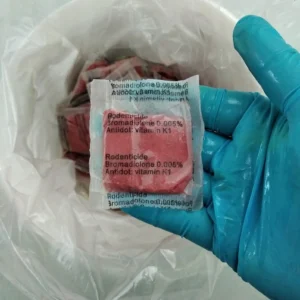
“Pet-resistant” usually means the poison comes in a bait station that’s designed to keep larger pets like dogs from opening it. But the poison inside is still just as toxic. If your pet gets the station open, they’re in serious danger.
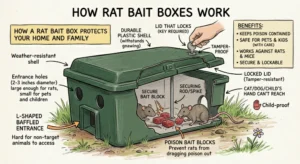
“Safe around pets” often means you’re supposed to use it in places pets can’t reach. But pets are curious and clever. They can get into places you didn’t think possible.
Some products claim to be safer because they use older, less potent poisons. But “less potent” doesn’t mean safe. These poisons can still harm or kill your pets.
The marketing language is designed to make you feel comfortable buying the product, but it doesn’t actually protect your pets. Read the fine print and active ingredients, not just the friendly-sounding claims on the front of the package.
Why Birds Are Extremely Vulnerable to Rat Poison
If you have pet birds, you need to be especially careful about rat poison. Birds are more sensitive to many toxins than mammals are.
Birds have very efficient respiratory systems that allow them to absorb substances quickly. This means toxins enter their bloodstream faster and in higher concentrations than in dogs or cats.
Anticoagulant poisons are especially dangerous for birds. Their blood clotting system is delicate, and even tiny amounts of anticoagulant poison can cause fatal internal bleeding.

Cholecalciferol (vitamin D3) poison is extremely toxic to birds. Birds are very sensitive to vitamin D levels, and the massive doses in rat poison can cause rapid kidney failure and death.
Zinc phosphide creates toxic gas in the stomach. Birds’ respiratory systems are so sensitive that exposure to this gas, even in small amounts, can be deadly.
Birds are also at risk from secondary poisoning if they eat insects or small animals that consumed rat poison. If you have outdoor aviaries or if your birds have outdoor time, they might encounter poisoned prey.
Even the fumes or dust from some rat poisons can harm birds. Their respiratory systems are so sensitive that they can get sick just from being in the same room where poison has been used.
Small Mammals Are at High Risk Too
If you have rabbits, guinea pigs, hamsters, gerbils, ferrets, or other small mammals as pets, rat poison is extremely dangerous for them.
Small mammals have fast metabolisms and small body sizes. This means even a tiny amount of poison represents a huge dose relative to their body weight.
Many small pet mammals are curious and will investigate anything new in their environment. If you put out poison and they can access it, they might nibble on it.
Rabbits and guinea pigs are especially at risk because they’re ground-dwelling animals who explore low spaces where people often put rat poison (under cabinets, behind appliances, in basements).
Ferrets are hunters like cats and might catch and eat poisoned mice. This puts them at risk for secondary poisoning.
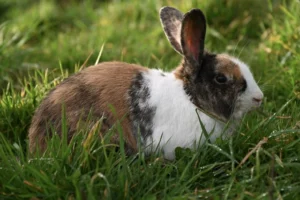
Rabbits are extremely sensitive to anticoagulant poisons. Their blood clotting system is delicate, and even small amounts can cause fatal internal bleeding.
Small mammals also can’t vomit (in most cases), which means once they’ve eaten poison, it stays in their system. Dogs and cats can sometimes be made to vomit up poison if caught early enough, but this option doesn’t exist for many small mammals.
Why Bait Stations Don’t Protect Small Pets
Bait stations are enclosures designed to let rats in while keeping larger animals out. But they don’t protect small pets.
Many small pets can fit through the same openings that rats use to access the bait. Rabbits, ferrets, small cats, and young pets can often get inside bait stations.
Small mammals like guinea pigs or rabbits who can’t fit all the way in might still be able to reach the poison with their mouths or paws.
Birds might be able to reach into bait stations if they’re placed low enough. Parrots, in particular, are good at manipulating objects and might figure out how to access the poison.
Bait stations can be knocked over, broken open, or chewed through by larger pets, exposing the poison to smaller pets in the area.
And bait stations do absolutely nothing to prevent secondary poisoning, which is a major risk for cats, ferrets, and even some dogs who hunt.
The Secondary Poisoning Risk for Multiple Pets
Secondary poisoning happens when your pet eats an animal that already ate poison. This is a risk for several types of pets.
Cats are natural hunters and will catch and eat mice and rats. If those rodents have eaten poison, your cat ingests the poison too.
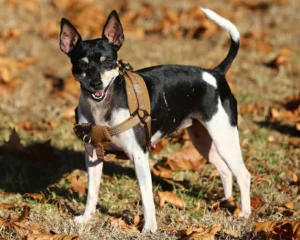
Dogs, especially terriers and other breeds with strong prey drives, might catch and eat poisoned rodents.
Ferrets are obligate carnivores and hunters. They’ll catch and eat small prey animals, including poisoned mice.
Pet snakes eat rodents as their primary food source. If you feed your snake mice or rats and those rodents have eaten poison, your snake can be poisoned. This is why you should only feed captive-bred feeders, never wild-caught rodents.
Even outdoor birds in aviaries might eat insects or small animals that have consumed rat poison, leading to poisoning.
The problem with secondary poisoning is you often don’t know it’s happening until your pet gets sick. You didn’t see them eat the poison directly, so you might not realize what’s wrong until it’s too late.
Why Different Pets React Differently to Poison
Not all pets have the same tolerance for toxins. Understanding these differences shows why there’s no universally safe rat poison.
Dogs can sometimes handle slightly larger doses of certain poisons relative to their body weight compared to cats or birds, but this doesn’t make any poison safe for them. It just means the lethal dose might be a bit higher.
Cats lack certain liver enzymes that help break down toxins. This makes them more vulnerable to many types of poisoning, including some rat poisons.
Birds have extremely fast metabolisms and very sensitive respiratory systems. Toxins affect them faster and more severely than most mammals.
Rabbits and guinea pigs have delicate digestive systems and can’t vomit. Once they eat something toxic, their bodies can’t expel it the way dogs and cats sometimes can.
Ferrets have short digestive tracts, which means toxins get absorbed into their bloodstream very quickly.
These differences mean you can’t assume that if a poison is marketed as “safe for dogs” it’s also okay around your cat, bird, or rabbit. Each type of pet has unique vulnerabilities.
Natural and Organic Poisons Aren’t Pet-Safe Either
You might hope that “natural” or “organic” rat poisons would be safer for your pets. Unfortunately, this isn’t the case.
Many natural rat poisons use salt, corn gluten, or mineral-based ingredients in toxic doses. These can cause salt poisoning or digestive problems in pets who eat them.
Some use essential oils or plant extracts. While these sound harmless, many plants and essential oils are toxic to pets, especially cats and birds.
Birds are particularly sensitive to essential oils. Exposure can cause respiratory distress, neurological problems, and death. Never use essential oil-based pest control products in homes with birds.
Cats can’t process many essential oils because they lack specific liver enzymes. What’s “natural” and harmless to humans can be deadly to cats.
Rabbits, guinea pigs, and other small mammals can also be harmed by plant-based toxins and essential oils.
Just because something is derived from plants doesn’t mean it’s safe for your pets. Natural doesn’t equal non-toxic.
What About Pets Who Live Outside?
If you have outdoor pets like chickens, rabbits in outdoor hutches, or cats who go outside, they’re at even higher risk from rat poison.
Outdoor pets might access areas where you or your neighbors have put rat poison. They can’t read “keep away” signs, and their natural curiosity will lead them to investigate.
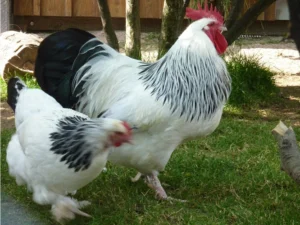
Chickens will peck at anything that looks like food, including rat poison pellets or blocks. They’re especially vulnerable to secondary poisoning if they eat poisoned insects or small animals.
Outdoor rabbits in hutches might have rat poison placed near their living areas to control wild rodents. If the poison is accessible, your rabbit might eat it.
Outdoor cats face all the hunting and secondary poisoning risks we discussed earlier, plus they might encounter poison in neighbors’ yards or public areas.
Farm animals like goats, sheep, and horses can also be poisoned if rat poison is used in barns or pastures where they have access.
The outdoor environment makes it much harder to control what your pets might encounter. Even if you’re careful about what you use, your neighbors or local businesses might not be.
The Cost of Treating Multiple Pets for Poisoning
If you have multiple pets and they all get into rat poison, the veterinary costs can be financially devastating.
Each pet needs individual emergency vet care, blood work, and treatment. If you have three cats and they all ate poison, you’re looking at three separate vet bills.
Emergency vet visits start at $100-$300 per pet just for the initial exam. Blood work is another $200-$500 per pet.
Treatment varies by animal and poison type but can easily run $1000-$5000 per pet for serious poisoning cases.
Some animals require specialized veterinary care. Birds need avian vets, exotic pets like rabbits and ferrets need exotic animal specialists. These specialists often charge more than regular small animal vets.
And not all vets see all types of animals. If you have birds, reptiles, or exotic mammals, you might need to travel further to find a vet who can treat them, adding to your costs and stress.
Pet-Safe Alternatives That Work for All Animals
If poison isn’t safe for any of your pets, what can you use instead? Here are options that work regardless of what kinds of pets you have.
Snap traps kill rodents instantly and are safe for pets if placed where your pets can’t access them. Put them inside closed cabinets, behind appliances you can block off, or in areas you can make pet-proof.
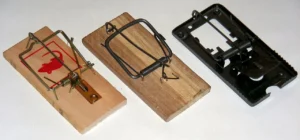
Electronic traps deliver a high-voltage shock that kills rodents instantly. The openings are sized for rodents only, making these safe even for small pets who can’t fit inside.
Live traps catch rodents without harming them. These are completely safe for all pets. You just need to check them regularly and relocate captured rodents far from your home.
Exclusion is the best long-term solution for any household with pets. Seal up holes and gaps where rodents enter. Use steel wool or hardware cloth in gaps because rodents can’t chew through these materials.
Ultrasonic devices claim to repel rodents with high-frequency sounds. Their effectiveness is debated, but they’re safe for most pets (though they might bother some pets with sensitive hearing).
Professional pest control using integrated pest management (IPM) can solve rodent problems without poison. Ask specifically for pet-safe methods and tell them what types of pets you have.
How to Transition Away From Poison With Multiple Pets
If you currently use rat poison and you have multiple types of pets, here’s how to make the switch to safer methods.
Remove all rat poison from everywhere on your property immediately. Don’t wait. Check your house, garage, shed, barn, and anywhere else you might have put bait.
Tell everyone in your household that rat poison is no longer allowed. Make sure family members, roommates, or employees (if this is a farm or business) understand the new rule.
Talk to your neighbors if you live close to other properties. Explain that you have multiple pets and ask about their pest control methods. Request that they avoid using poison or at least notify you when they put it out.
Set up snap traps or electronic traps in strategic locations where you’ve seen rodent activity. Focus on placing them in areas your pets can’t access.
Do a thorough check of your property for holes and gaps where rodents are getting in. Seal everything you find. This is the most effective long-term solution.
Clean up anything that attracts rodents: fallen fruit, birdseed on the ground, unsecured garbage, pet food left out overnight, compost piles that aren’t properly contained.
Consider hiring a professional pest control company that specializes in pet-safe methods. Tell them about all the types of pets you have so they can plan accordingly.
Conclusion
There is no rat poison that’s safe for all pets. Dogs, cats, birds, rabbits, ferrets, and all other pets can be harmed or killed by rodenticides. Products marketed as “pet-friendly” still contain toxic ingredients that endanger any animal who ingests them.
The only truly pet-safe rodent control approach is to avoid poison entirely and use alternatives like traps, exclusion, and professional pest control that doesn’t rely on toxic bait.
If you have pets of any kind and you’re currently using rat poison, remove it immediately and switch to safer methods. Your pets’ lives depend on making this change.
Sources:
Cholecalciferol (Vitamin D3) Poisoning in Animals:https://www.msdvetmanual.com/toxicology/rodenticide-poisoning/cholecalciferol-vitamin-d3-poisoning-in-animals
Cholecalciferol (Vitamin D3) Rodenticide Poisoning: https://vcahospitals.com/know-your-pet/cholecalciferol-vitamin-d3-rodenticide-poisoning
Bromethalin Poisoning in Animals:https://www.msdvetmanual.com/toxicology/rodenticide-poisoning/bromethalin-poisoning-in-animals
Anticoagulant Rodenticide Poisoning in Animals: https://www.msdvetmanual.com/toxicology/rodenticide-poisoning/anticoagulant-rodenticide-poisoning-in-animals
Phosphide (Zinc, Magnesium, Aluminum) Poisoning in Animals:https://vcahospitals.com/know-your-pet/rodenticide-warfarin-poisoning-in-dogs

Hi, my name is Ezra Mushala, i have been interested animals all my life. I am the main author and editor here at snakeinformer.com.