
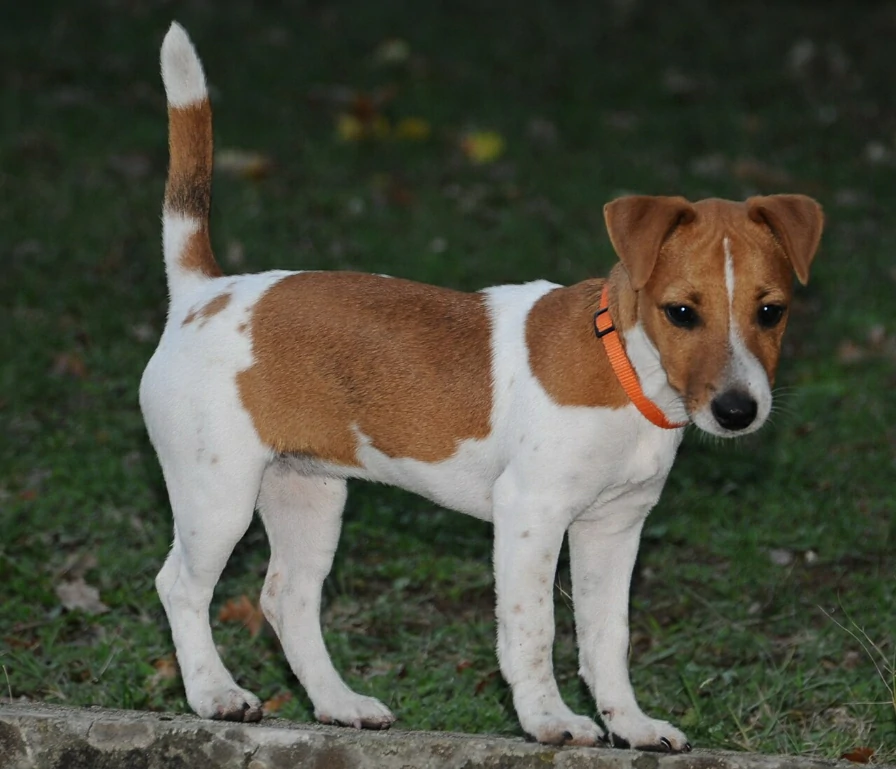
You put rat poison out to deal with a rodent problem, and within hours your dog has found it and eaten it.
This keeps happening to dog owners everywhere, and it’s not a coincidence. There’s something about rat poison that dogs can’t resist. So why are dogs attracted to rat poison?
Dogs are attracted to rat poison because manufacturers intentionally add smells and flavors that appeal to animals looking for food. Rat poison often contains ingredients like peanut butter, fish oil, grains, molasses, and other scents that smell delicious to both rodents and dogs. To a dog’s powerful nose, rat poison smells exactly like treats or food.
Understanding why dogs find rat poison so appealing is key to preventing poisonings and keeping your dog safe.
Rat Poison Smells Like Food to Dogs
Dogs have an incredible sense of smell. They can detect scents at concentrations a million times lower than humans can.
When rat poison manufacturers add peanut butter scent, fish oil, or grain-based smells to their products, dogs can smell it from across a room or even outside.
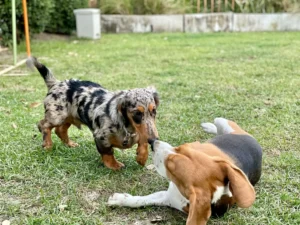
These scents aren’t subtle. They’re strong and designed to attract hungry animals. What works on rats works just as well on dogs, if not better, because dogs are even more food-motivated than rats are.
To your dog, that block of rat poison doesn’t smell like chemicals or danger. It smells like peanut butter treats, dog food, or something else they’d love to eat.
The Ingredients in Rat Poison Appeal to Dogs
Most rat poisons are made with a grain-based carrier material. This might be corn meal, oats, wheat, or other grains. These are ingredients dogs are familiar with from their regular food.
On top of that, manufacturers add oils and fats to make the bait more palatable. Peanut oil, fish oil, and vegetable oils are common. Dogs love fatty foods, so this makes the poison even more attractive.
Some rat poisons also have sweet flavors added, like molasses or sugar. Dogs have a sweet tooth just like humans do, and they’re drawn to sweet-smelling foods.
All of these ingredients together create a product that smells and tastes like a high-value treat to a dog.
Dogs Are Less Cautious Than Rats
Rats have a survival instinct called neophobia, which makes them suspicious of new foods and objects in their environment. They’ll avoid unfamiliar things for days or weeks before trying them.
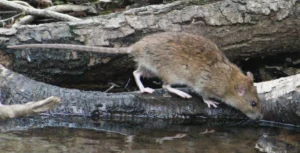
Dogs don’t have this. Dogs are opportunistic eaters that evolved as scavengers. If it smells like food and it’s accessible, they’ll eat it. They don’t think about whether it’s safe or not.
This lack of caution makes dogs much more likely to eat rat poison on the first encounter, whereas rats might take days to work up the courage to try it.
Dogs Are Food-Motivated Breeds
Some dog breeds are especially prone to eating rat poison because they’re extremely food-motivated.
Labrador Retrievers, Golden Retrievers, Beagles, Basset Hounds, and many terriers will eat absolutely anything that smells remotely edible.
These breeds were developed to have strong appetites and food drive because it made them better working dogs. But it also means they’ll eat things they shouldn’t, including poison.
If you have a food-motivated breed, you need to be extra careful about where you place rat poison and how you secure it.
The Texture and Shape Make It Seem Like a Treat
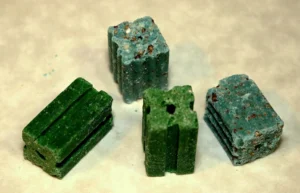
Many rat poisons come in block or pellet form. To a dog, a block of rat poison looks like a compressed treat or kibble.
The texture is firm and chewable, which makes it satisfying for dogs to bite into.
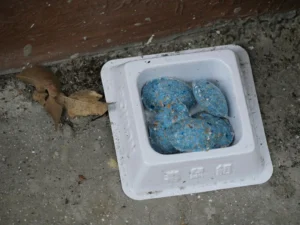
Some rat poisons even look like colorful candies or treats. The bright blue or green color might not mean anything to a dog, but the size and shape are familiar.
Dogs often chew on things just to explore them, and once they taste the poison and find out it’s flavored like peanut butter or grains, they’ll keep eating.
Dogs Will Eat Things Even If They Taste Bad
You might think the bittering agents added to some rat poisons would stop dogs from eating them. But dogs aren’t as sensitive to bitter tastes as humans are.
A flavor that would make you immediately spit something out might not bother a dog at all. They’ll power through the bad taste if the smell is good enough or if they’re hungry.
Some dogs also have a compulsion to eat things that aren’t food. This behavior, called pica, makes them eat dirt, rocks, wood, and other non-food items. A dog with pica won’t care how rat poison tastes. They’ll eat it anyway.
Bait Stations Don’t Always Keep Dogs Out
Tamper-resistant bait stations are designed to keep children and pets from accessing the poison inside. But determined dogs can sometimes break into them.
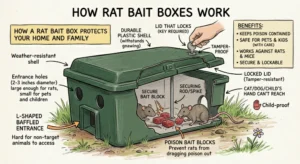
Large dogs can flip bait stations over, shake them until the poison falls out, or chew through the plastic. Some bait stations aren’t as sturdy as they should be, and a strong dog can destroy them in minutes.
Even if the bait station works as intended, the scent of the poison inside can still attract dogs. They might try to get into it, damaging property or injuring themselves in the process.
Dogs Can Smell Bait Without Being Able to See It
A dog doesn’t have to see the poison before becoming interested in it. If the bait is inside a box, behind an object, or inside a bait station, its smell may still encourage the dog to investigate.
This can make dogs surprisingly persistent. They may scratch, paw at, chew, or push objects around because they know something interesting is nearby even though they can’t see it.
That’s another reason simply hiding rat poison isn’t enough. If the dog can eventually reach the area where the bait is stored, the smell may encourage them to keep investigating.
Dogs Find Poison That’s Been Placed Carelessly
A lot of dog poisonings happen because people don’t secure rat poison properly. They leave it sitting on the floor, on a low shelf, or outside where dogs can reach it.
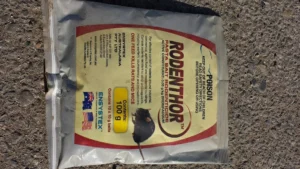
Dogs are curious and have nothing better to do than explore their environment. If rat poison is within reach, they’ll find it. It doesn’t matter if you think you put it somewhere “safe.” Dogs are resourceful.
Puppies and young dogs are especially at risk because they explore everything with their mouths. They’ll chew on and eat things just to figure out what they are.
Dogs Eat Dead Rats That Have Been Poisoned
Your dog might not eat poison directly from a bait station. Instead, they might find and eat a rat that died from poison. Dogs are scavengers, and a dead rat is fair game as far as they’re concerned.
If the rat recently consumed poison, that poison is still in its body. When your dog eats the rat, they ingest the poison too. This is called secondary poisoning, and it’s a serious risk.
Dogs that roam freely outside, especially in areas where rat poison is commonly used, are more likely to encounter poisoned rats.
How Do Dogs React After Eating Rat Poison?
Once a dog eats rat poison, their behavior might not change immediately. Most rat poisons take days to cause symptoms, so your dog might seem fine at first.
But the poison is already working. Anticoagulants are stopping their blood from clotting. Cholecalciferol is raising their calcium levels. Bromethalin is affecting their nervous system.
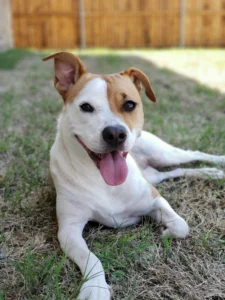
By the time symptoms appear (weakness, pale gums, vomiting, tremors, bleeding), serious damage has already been done.
This is why it’s so important to get to a vet immediately if you even suspect your dog ate poison, even if they seem fine.
Dogs Don’t Know That Rat Poison Is Poison
One of the biggest misconceptions is that dogs somehow recognize poisonous substances. They don’t have a built-in ability to identify rat poison as dangerous.
They may learn to avoid certain foods after a bad experience, but that isn’t the same as recognizing poison before eating it. A dog encountering rat bait for the first time has no reason to know that it could make them seriously sick.
This is why the responsibility for preventing exposure falls on the person storing and using the bait. You can’t expect a dog to understand the warning label on the package.
What Makes Some Dogs More Likely to Eat Poison?
Certain factors increase the likelihood that a dog will eat rat poison:
- High food motivation (some breeds are worse than others)
- Youth (puppies explore everything with their mouths)
- Boredom (dogs with nothing to do get into trouble)
- Hunger (dogs that aren’t fed regularly will eat anything)
- Anxiety (some dogs eat to cope with stress)
- Access (poison left where dogs can reach it)
If your dog ticks multiple boxes, you need to be extremely careful with how you use rat poison, or better yet, don’t use it at all.
How to Keep Your Dog Away from Rat Poison
The best way to protect your dog is to not use rat poison. Use snap traps, electronic traps, or exclusion methods instead.
If you absolutely have to use poison, put it in high-quality tamper-resistant bait stations and place them where your dog can never access them. This might mean in locked sheds, on high shelves, or in fenced-off areas.
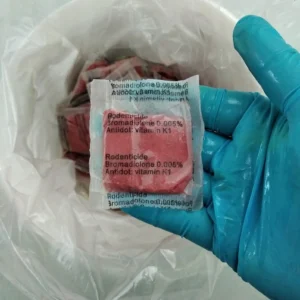
Never leave poison sitting out in the open. Always secure it immediately after use.
Talk to your neighbors if they use rat poison. Ask them to use bait stations and place them away from areas where your dog goes.
Supervise your dog when they’re outside, especially in areas where rat poison might be present.
Why Rat Poison Can Be So Tempting to Dogs
The attraction comes down to several things working together. The bait can contain food-based ingredients, oils, fats, or flavoring agents that create smells dogs associate with eating.
The shape can also encourage chewing, and dogs don’t understand that the object is dangerous simply because it looks unusual.
Once they start eating, they may consume more before anyone realizes what is happening.
That’s why preventing access is much more reliable than trying to make the poison less attractive. You can’t teach a dog to recognize every dangerous bait, but you can control where the bait is placed and how securely it is stored.
Conclusion
Dogs are attracted to rat poison because it’s designed to smell and taste like food. Manufacturers add scents like peanut butter, fish oil, and grains that appeal to rodents, but these same smells are irresistible to dogs.
Unlike rats, which are cautious about new foods, dogs will eat anything that smells good without thinking about whether it’s safe.
Some dog breeds are especially food-motivated and more likely to eat poison.
The bright colors don’t stop dogs because they don’t see color well, and even bittering agents don’t always work because dogs aren’t as sensitive to bitter tastes.
Dogs also find poison that’s been left out carelessly or break into bait stations to get to it. The best way to protect your dog is to avoid using rat poison entirely and switch to traps or other methods.
If you have to use poison, secure it in quality bait stations placed where your dog absolutely cannot reach them.
Sources:
Anticoagulant Rodenticide Scientific Review Final Report: https://www.mass.gov/doc/anticoagulant-rodenticides-scientific-review-final-report/download (PDF)
Rat Poison Toxicity in Dogs: An Emergency Guide. https://www.gsvs.org/staten-island-ny/blog/rat-poison-toxicity-dogs-emergency-guide/
Anticoagulant Rodenticide Poisoning in Dogs: https://vcahospitals.com/know-your-pet/rodenticide-warfarin-poisoning-in-dogs
Cholecalciferol (Vitamin D3) Poisoning in Animals:https://www.msdvetmanual.com/toxicology/rodenticide-poisoning/cholecalciferol-vitamin-d3-poisoning-in-animals

Hi, my name is Ezra Mushala, i have been interested animals all my life. I am the main author and editor here at snakeinformer.com.