
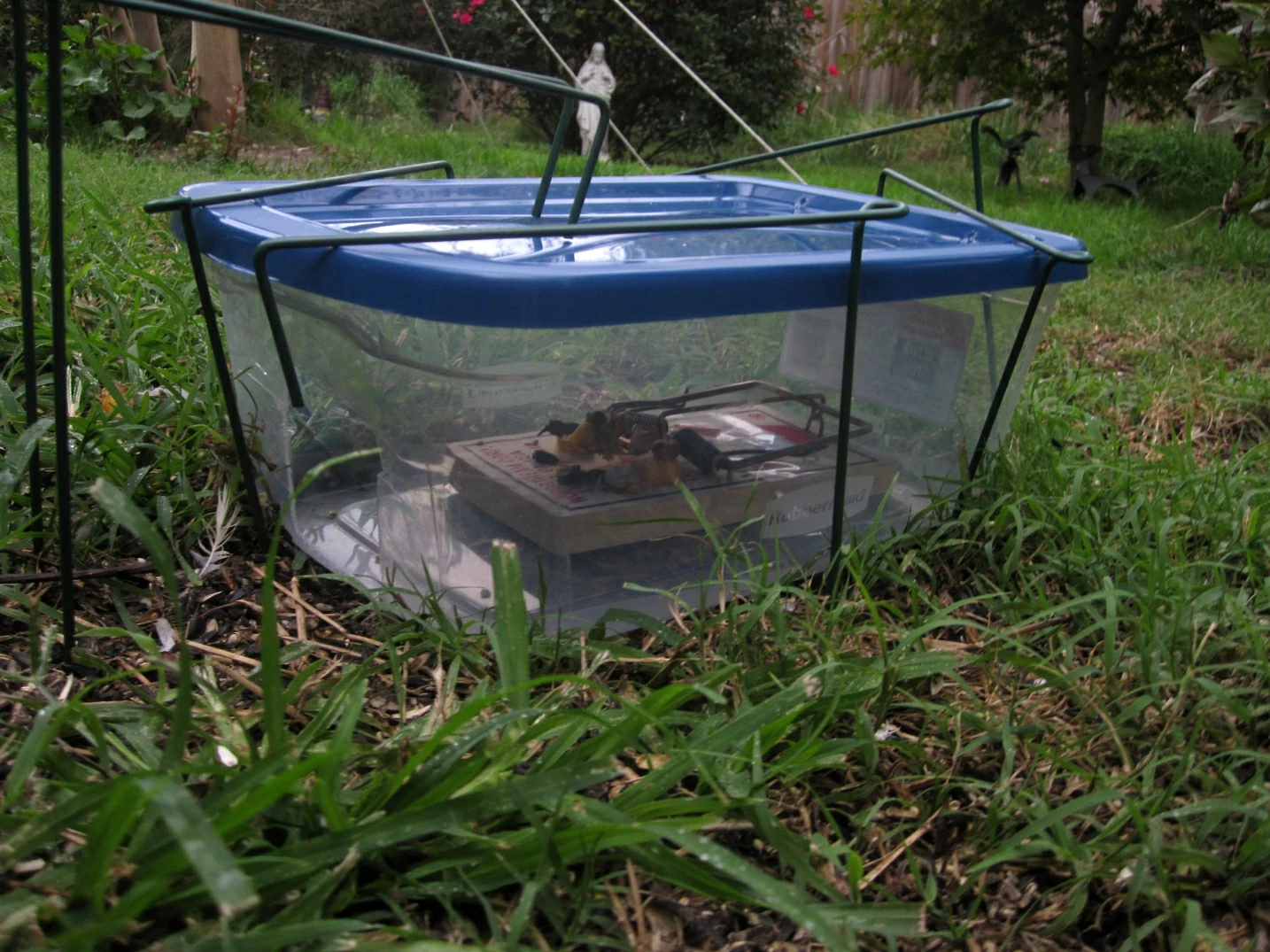
You’ve noticed rats in your garden, eating your vegetables, digging up your plants, or leaving droppings near your produce. It’s frustrating to put time and effort into growing food only to have rats destroy it.
You want to set up traps to get rid of them, but you’re not sure if it’s safe or practical to put rat traps right in your garden beds. Can I put rat traps in my garden?
Yes, you can put rat traps in your garden, but you need to choose the right type and place them carefully. Snap traps and live catch traps work well in gardens, while glue traps and poison should be avoided because they can harm beneficial wildlife, pets, and contaminate your soil and plants.
Trapping rats in your garden requires some strategy. You want to catch the rats without putting other animals at risk or creating problems with your plants and soil.
Why Rats Are Attracted to Gardens
Understanding what brings rats to your garden helps you figure out where to place traps and how to prevent future problems.
Gardens provide food, water, and shelter, which are the three things rats need to survive. If your garden has all three, it’s basically a rat paradise.
Vegetables and fruits are obvious attractions. Rats will eat tomatoes, squash, beans, berries, and pretty much any produce you’re growing. They often take just a few bites out of multiple vegetables rather than eating one completely, which is really frustrating.
Compost piles are like all-you-can-eat buffets for rats. The decomposing food scraps provide an easy food source, and the warm, moist environment is perfect for nesting. If you have an open compost pile, rats are almost guaranteed to find it.
Bird feeders in or near your garden attract rats too. Spilled bird seed on the ground is an easy meal, and rats will climb up into feeders to get at the seed. Many people don’t realize their bird feeder is what’s bringing rats to their garden.
Dense vegetation gives rats places to hide from predators. Overgrown areas with tall grass, thick bushes, or piles of yard waste provide cover where rats feel safe. They’ll nest in these areas and come out at night to feed.
Water sources like ponds, bird baths, or even just damp soil under mulch provide the water rats need. Rats don’t need much water, so even a small amount is enough to keep them coming back.
What Types of Traps Work Best in Gardens?
Not all rat traps are suitable for garden use. Some work great while others create problems.
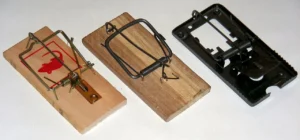
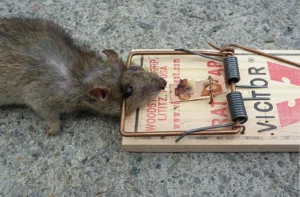
Snap traps are one of the best options for gardens. They’re weather-resistant, effective, and kill rats quickly. You can set them along fence lines, under plants, or anywhere you’ve seen rat activity. They can get rained on and they’ll still work fine.
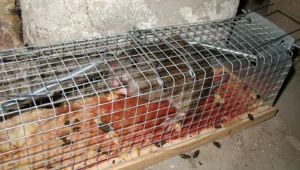
Live catch traps work well too, especially if you want to avoid killing the rats. These are cage-style traps that catch the rat alive so you can release it somewhere else. They’re made from metal or heavy-duty plastic that can handle outdoor conditions.
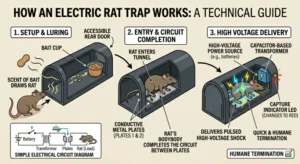
Electronic traps can be used in gardens if you put them in protected spots. You’d need to place them under a shelter or inside a waterproof box because they can’t get wet. They work great but require more setup than snap traps.
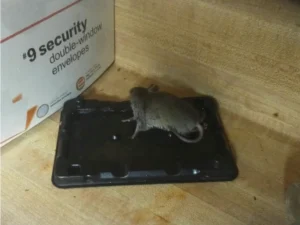
Glue traps should be avoided in gardens. They’re not weather-resistant and will stop working as soon as they get wet or dusty. More importantly, they’ll catch birds, lizards, toads, and other beneficial animals that you actually want in your garden.
Poison bait should also be avoided or used very carefully. Poisoned rats can die in your garden and contaminate the soil. Pets and wildlife can also eat the poison or eat poisoned rats and get sick.
If you must use poison, use it in tamper-resistant bait stations and place them away from areas where you’re growing food.
Bucket traps are simple and effective for gardens. These are just 5-gallon buckets with a ramp leading up to them.
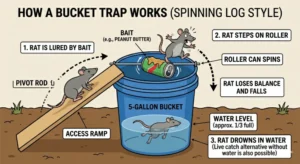
You put bait on a spinning rod over the bucket, and when the rat tries to reach it, they fall into the bucket. You can put water in the bucket to drown the rat or leave it dry to catch them alive.
Where to Place Traps in Your Garden
Trap placement is really important. Putting traps in random spots won’t work as well as placing them where rats actually travel.
Look for rat runways first. These are the paths rats use repeatedly as they move through your garden. You can spot them by looking for worn trails through grass, paths under fences, or routes along the edges of your garden beds. Place traps directly on these runways.
Check along fences and walls. Rats prefer traveling along edges rather than crossing open spaces. If your garden has a fence around it, place traps right next to the fence line. The same goes for the edges of buildings, sheds, or retaining walls.
Near their food sources is another good spot. If rats are eating specific plants or vegetables, place traps nearby. You might find that they’re targeting your tomatoes or berries, so put traps in those areas.
Under dense vegetation where rats feel safe is smart placement. If you have overgrown areas or thick ground cover, rats probably nest or hide there during the day. Put traps in these areas, but make sure you can still access them to check and reset them.
Close to water sources helps too. If you have a birdbath, pond, or irrigation system in your garden, place some traps nearby. Rats need to drink water regularly, especially in hot weather.
Don’t put traps right in the middle of your vegetable beds where you’re actively working. You might accidentally step in them or trigger them while you’re gardening. Place them along the edges or in pathways where they won’t interfere with your work.
Safety Concerns With Garden Traps
Using traps in your garden comes with some risks you need to think about.
Pets can get caught in traps, especially dogs that like to investigate things in the yard. A dog’s nose or paw can trigger a snap trap, which would be very painful and potentially cause serious injury.
If you have pets that go in your garden, you need to place traps where pets can’t reach them.
Small children playing in the garden can also trigger traps. Kids are curious and might try to touch or play with a trap if they see one. Place traps in areas kids don’t play, or use covered trap stations that make it harder for children to access the trap mechanism.
Beneficial wildlife can get caught accidentally. Toads, lizards, small snakes, and ground-feeding birds are all helpful in gardens because they eat insects. Glue traps will catch these animals, and even snap traps can sometimes catch them if they’re investigating the bait.
Contamination of your soil and plants is a risk with poison baits. If a poisoned rat dies in your garden bed, it can leak toxins into the soil as it decomposes. This is especially concerning if you’re growing food that you plan to eat.
Decomposing rats create their own problems. If a rat is killed by a trap and you don’t find it quickly, it will start to rot. Dead rats attract flies, create terrible smells, and can spread disease. Check your traps daily so you can remove dead rats before they become a bigger problem.
Snap traps can injure you if you’re not careful setting them up. The spring mechanism is strong enough to break a finger if it snaps on you. Always be very careful when setting snap traps and keep your fingers clear of the snap bar.
How to Set Up Traps to Avoid Catching Non-Target Animals
You want to catch rats, not the helpful creatures that live in your garden. Here’s how to be more selective.
Use bait that rats like but other animals don’t. Peanut butter works well for rats but also attracts many other animals. Dried fruit, nuts, or bacon might be more selective.
Avoid using bird seed or grain-based baits because these attract birds and small rodents that you don’t want to catch.
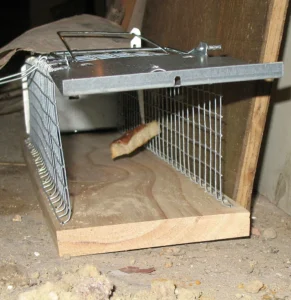
Place traps inside boxes or bait stations with entrance holes sized for rats. A hole that’s about 2 to 3 inches across will let rats in but keep out larger animals like rabbits and cats. Small beneficial animals can still get in, but it reduces the risk to bigger wildlife and pets.
Position snap traps against walls or fences where rats travel. Most beneficial wildlife doesn’t follow the same routes that rats use. Rats like to run along edges, while toads and lizards tend to be more random in their movements.
Check traps early in the morning and late in the evening. This is when rats are most active, and it’s also when you’re most likely to catch them rather than daytime animals. Checking frequently also means less time for non-target animals to find the traps.
Use live catch traps if you’re really worried about catching the wrong animals. When you catch something, you can look at it and decide what to do. If it’s a rat, you deal with it. If it’s a toad or other beneficial animal, you just let it go.
Avoid using traps during baby animal season in spring. Many beneficial animals are raising young during this time, and adults are more active looking for food to feed their babies. Trapping during this time increases the chances of catching non-target species.
What Bait Works Best for Garden Rats?
The right bait makes a huge difference in how many rats you catch.
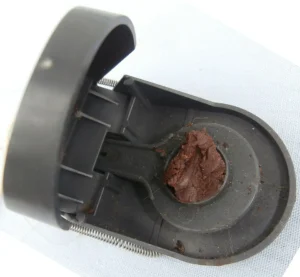
Peanut butter is the classic rat bait and it works really well. It’s sticky so rats can’t just grab it and run. They have to spend time licking it off, which increases the chance they’ll trigger the trap. Use a small amount, about the size of a pea.
Dried fruit like raisins or dried cranberries works great. Rats love sweet foods, and dried fruit has a strong smell that attracts them. You can tie a raisin to the trap trigger with thread to make sure the rat has to work to get it.
Nuts are another good option. Peanuts, almonds, or walnuts all work. You can glue a nut to the bait pedal with a tiny bit of peanut butter to keep it in place.
Bacon or other meat works well too. Use a small piece and secure it to the trap so the rat can’t just grab it without triggering the mechanism.
Chocolate is surprisingly effective. Rats love chocolate, and it has a strong smell. A small piece of a chocolate bar or some chocolate chips work well. Just remember that chocolate is toxic to pets, so don’t use it if you have dogs or cats that might find the trap.
Fresh vegetables from your garden can work as bait. If rats are already eating your tomatoes or squash, use a piece of that same vegetable as bait. The familiar smell might attract them more than unfamiliar foods.
Don’t use too much bait. A little bit is better than a lot. If you pile on a bunch of food, the rat might be able to eat without putting enough weight on the trigger plate to set off the trap.
Maintaining Traps in Garden Conditions
Garden environments are tough on traps, so you need to maintain them properly.
Check traps daily, preferably twice a day if you can. Morning and evening checks are best because that’s when rats are most active. Daily checks also mean dead rats don’t sit in the trap for long, which prevents smell and insect problems.
Clean traps after each catch. Blood, fur, and body fluids can make traps smell bad, which might actually scare away other rats (rats can smell when another rat died nearby). Rinse snap traps with water and let them dry before resetting them.
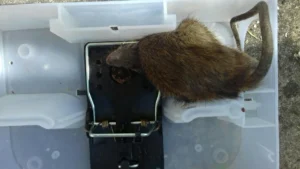
Replace rusty or damaged traps. Metal traps left outside will eventually rust, especially if you water your garden regularly. Rusty traps don’t work as well because the spring gets weak and the mechanism gets stiff. Replace them when you notice rust forming.
Move traps if they’re not catching anything after a few days. Rats might be using different routes through your garden than you thought. Try new locations based on fresh signs of activity like new droppings or gnaw marks.
Protect traps from your watering schedule. If you water your garden with sprinklers, either move the traps before you water or place them where they won’t get sprayed. Electronic traps especially can’t handle getting wet.
Clear vegetation around traps periodically. Plants grow fast in gardens, and tall grass or spreading vegetables can cover your traps. Keep the area around each trap clear so rats can easily find and enter them.
Reapply bait every few days if it’s not being eaten. Old bait can dry out, get moldy, or attract ants instead of rats. Fresh bait is more attractive and more likely to draw rats in.
Conclusion
You can absolutely put rat traps in your garden, and in many cases it’s the best way to deal with a rat problem.
Snap traps and live catch traps are your best options because they’re weather-resistant and effective. Place them along the edges of your garden, near rat runways, and close to the plants rats are damaging.
Avoid using glue traps and be very careful with poison in garden areas. These methods can harm beneficial wildlife and potentially contaminate your soil and plants. Stick with traps that kill or catch quickly and that you can check and empty regularly.
Combine trapping with good garden maintenance. Remove food sources, eliminate hiding spots, and block entry points to make your garden less attractive to rats. The traps will catch the rats that are already there, while your other efforts prevent new rats from moving in.
Check your traps at least once a day and dispose of caught rats properly. With consistent effort and smart trap placement, you can get your rat problem under control and protect your garden.

Hi, my name is Ezra Mushala, i have been interested animals all my life. I am the main author and editor here at snakeinformer.com.