
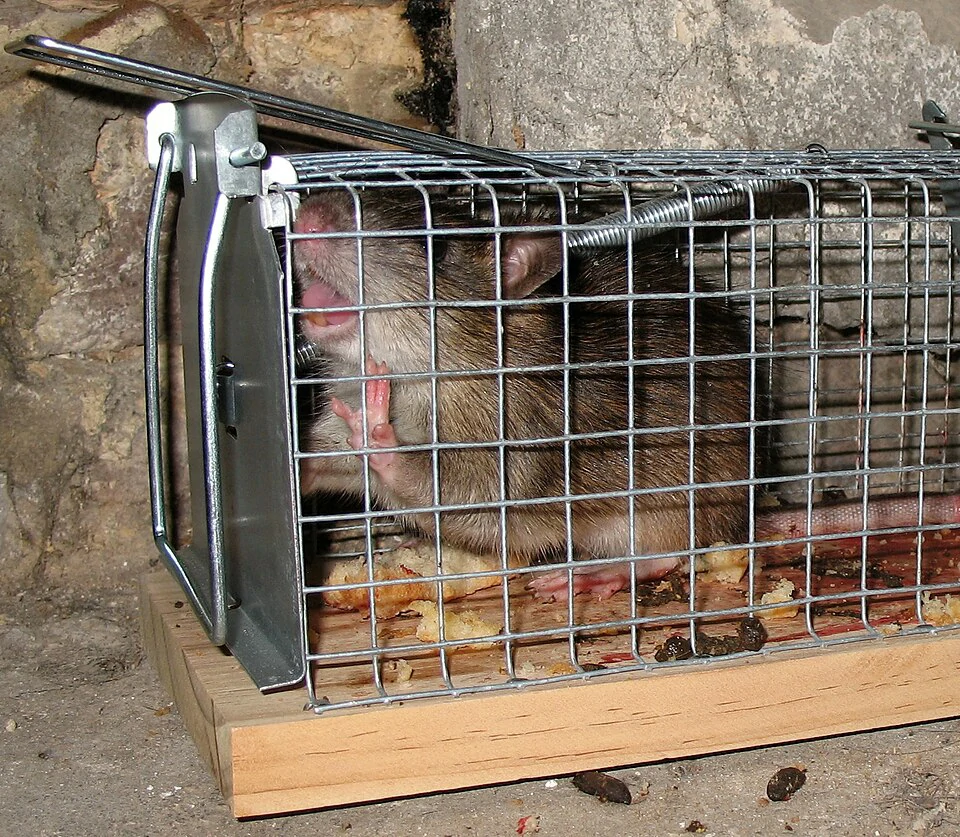
Dealing with a rat problem naturally leads to questions about what you’re actually allowed to do about it.
Most people assume any trap sold in a store must be fine to use, but the rules aren’t quite that simple once local ordinances and wildlife laws get involved. What rat traps legal or illegal?
Snap traps and electronic traps are legal almost everywhere in the US, Canada, the UK, and Australia, since rats are classified as pests rather than protected wildlife. Glue traps are the main exception, banned in a handful of US cities and requiring a license in England, so it’s worth checking your specific local rules before using one.
That covers the basics, but there’s more nuance depending on where you live and which trap type you’re considering.
Some rules are about the trap itself, and others are about what you’re allowed to do with a rat once you’ve caught one.
Why Are Rat Traps Generally Legal in the First Place?
It helps to understand why rats are treated so differently from other wildlife under the law.
Most trapping regulations exist to protect native, non-pest species, not to protect the animals people are actively trying to remove from their homes.
Rats, specifically the Norway rat and the roof rat found across most of North America, are both classified as invasive, non-native species almost everywhere they’re found.

Because of this, they’re generally excluded from the wildlife protections that apply to native animals like raccoons, squirrels, or opossums.
This is actually spelled out clearly in several state wildlife codes.
Rats and mice can typically be removed at any time, by nearly any legal method, specifically because of their status as an unprotected pest species and the health risks they carry.
This is different from something like a raccoon or squirrel, where many states require permits, restrict relocation, or limit how and when you can trap them.
Rats simply don’t fall under those same protections.
Snap Traps: Legal Almost Everywhere
Snap traps are the most widely accepted trap type, and for good reason. Health authorities across the US, Canada, the UK, and Australia actively recommend them.
The CDC recommends traditional snap traps as the preferred method for home rodent control in the US.
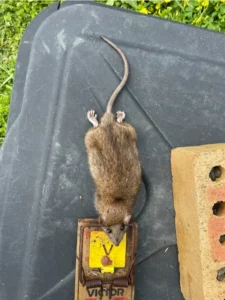
British Columbia’s provincial government gives nearly identical advice, calling snap or electronic traps the best option since they kill quickly and are less likely to harm children, pets, or wildlife.
There’s really only one place in the US where snap traps run into legal trouble, and it’s an unusual exception rather than the rule.
Washington D.C. restricts proactive snap and glue trap use, generally requiring residents to work through licensed exterminators instead, particularly when dealing with rodents that haven’t already taken up residence inside the home.
Outside of specific local exceptions like that one, snap traps are legal for general home and garden use across virtually the entire US.
The same holds true across Canada, the UK, and Australia as well.
Are Electronic Traps Legal Too?
Yes, electronic traps face essentially no legal restrictions beyond the same general household pest control rules that apply to snap traps.
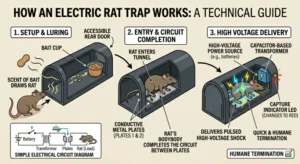
Since they don’t use poison or an adhesive, and they’re generally considered a humane, quick kill method, electronic traps haven’t drawn the same regulatory attention that glue traps and rodenticides have.
The main practical restriction isn’t legal at all.
Battery powered electronic traps are typically marketed and built for indoor use, since exposure to rain or moisture can damage the electronics inside.
Glue Traps: Where the Legal Picture Gets Complicated
This is the trap type most worth double checking before you buy or use one, since the rules genuinely vary depending on exactly where you live.
In the US, there’s currently no federal or statewide ban on glue traps anywhere in the country. A federal proposal called the Glue Trap Prohibition Act was introduced in Congress in 2024 but never advanced past committee, so it never became law.
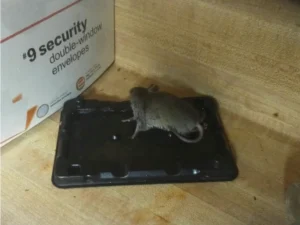
That said, several individual cities have passed their own local bans. West Hollywood, Ojai, and Culver City, all in California, currently prohibit both the sale and use of glue traps within city limits.
Other cities, including San Francisco and New York City, have bans under consideration that haven’t been finalized yet. If you live somewhere that hasn’t banned them outright, glue traps remain technically legal to use.
Even where they’re legal, though, careless use can still create legal exposure.
Most states have general animal cruelty statutes that criminalize causing unnecessary suffering to an animal, and leaving a glue trap unchecked with a live animal stuck to it can fall under those laws even without a specific glue trap ban in place.
Outside the US, the picture shifts. In England, the Glue Traps (Offences) Act made it illegal to use a glue trap without a license as of 2022, with licenses generally reserved for pest control professionals in situations where every other method has failed.
Wales has gone even further and banned them outright, with no licensing exception.
In Australia, the state of Victoria regulates the sale and use of glue traps directly. Rules vary by state, so checking your specific state’s regulations is worth the extra few minutes before buying one.
Live Traps: Legal to Set, Complicated to Use Correctly
Catching a rat alive is generally legal almost everywhere, but what happens after the catch is where things get more complicated than most people expect.
The core issue is relocation. In many US states, releasing a trapped animal somewhere other than the exact property where you caught it isn’t actually allowed without a specific permit.
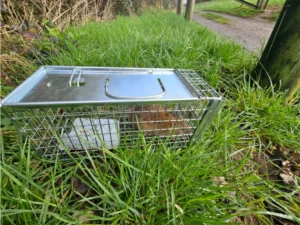
This restriction exists mainly to prevent the spread of disease between wildlife populations and to avoid dumping a problem animal onto someone else’s property.
California’s wildlife code, for example, generally requires trapped animals to be released at the same location where they were caught, or humanely killed.
Here’s the important nuance specific to rats, though: since rats are classified as an invasive pest species rather than protected wildlife in most jurisdictions, these relocation restrictions that apply so strictly to animals like raccoons often don’t apply the same way to rats and mice.
Even so, relocating a live rat doesn’t really solve much practically. British Columbia’s own provincial guidance points out that a released rat may simply return to your property or become a problem for a neighbor instead.
Combined with the CDC’s and most provincial agencies’ general advice against live traps due to stress and disease risk, they’re legal in most places but not particularly recommended by the health authorities that study this closely.
Comparing the Legal Status of Each Trap Type
| Trap Type | US Legal Status | UK Legal Status | Canada Legal Status | Australia Legal Status |
|---|---|---|---|---|
| Snap trap | Legal (D.C. has proactive use restrictions) | Legal | Legal | Legal |
| Electronic trap | Legal | Legal | Legal | Legal |
| Live cage trap | Legal, relocation rules vary by state | Legal, check local wildlife guidance | Legal | Legal |
| Glue trap | Legal federally, banned in a few CA cities | Requires a license (England), banned outright (Wales) | Legal, though discouraged by provincial guidance | Regulated in Victoria |
What About Rat Poison and Bait Stations?
Poison is regulated differently from traps, since it falls under pesticide law rather than general trapping rules, so it’s worth understanding the distinction.
In the US, the EPA restricts which active ingredients can be sold to regular consumers, and requires that any bait be placed inside a tamper resistant station. Loose bait scattered outdoors isn’t legal for consumer products.
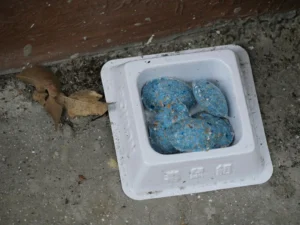
In Canada, Health Canada’s Pest Management Regulatory Agency has gone further than the EPA in one respect.
The stronger second generation anticoagulant poisons aren’t available for general consumer sale in Canada at all, only to licensed commercial applicators, which is a stricter standard than the US currently applies.
If you’re choosing between a trap and a poison bait station, it’s worth knowing something important.
Traps generally involve far fewer legal considerations, since they don’t fall under pesticide regulations the way rodenticides do.
Does It Matter If the Rat Is Indoors Versus Outdoors?
In most places, no, the same trap type rules apply whether the rat is inside your kitchen or out in your garden. Rats don’t gain any legal protection just by being outdoors.
The one real difference tends to be practical rather than legal.
Outdoor bait stations specifically have to meet EPA placement requirements about distance from buildings, while indoor snap traps and electronic traps don’t have that same restriction.
If you have a garden that attracts wildlife like owls, hawks, or neighborhood cats, it’s worth being more careful outdoors regardless of what’s strictly legal.
Secondary poisoning and non-target catches are simply more likely to happen outside than inside a sealed home, even when every trap you’re using is fully legal.
What Happens If You Use an Illegal Trap by Mistake?
If you’re in a city with a glue trap ban and use one anyway, the consequences are usually civil rather than criminal. Most local ordinances treat this as a code violation handled through fines, not an arrest or criminal record.
In cities with an enacted ban, penalties can run anywhere from a few hundred dollars up to around a thousand dollars per violation, depending on the specific ordinance and how many products or incidents are involved.
The bigger legal risk actually comes from general animal cruelty law, not the trap specific ordinances.
If a glue trap catches a pet or a protected wild animal and you fail to act appropriately, that can trigger a much more serious animal cruelty charge under state law, regardless of whether your city has a specific glue trap ordinance at all.
Does Needing a Hunting License Apply to Rat Trapping?
This is a common point of confusion, and it’s worth clearing up directly since it stops some people from trapping at all out of caution.
Several states require a hunting or fishing license to trap certain wildlife, and this has led to a persistent myth that the same rule applies to rats and mice. It generally doesn’t.
California is a good example of where this myth comes from. The state does require licenses for hunting and fishing, but that requirement has nothing to do with mousetrap or rat trap laws specifically.
Rats and mice fall outside the licensing structure built for game animals and furbearers, since they’re not managed as a resource to be harvested sustainably, they’re managed as a pest to be removed.
If you’re unsure about your specific state, a quick check with your state’s department of fish and wildlife or agriculture extension office will clear it up in a few minutes.
How Much Do the Rules Actually Vary State by State?
More than you might expect, though mostly around live trapping and relocation rather than snap or electronic traps.
Colorado, for example, allows body grip traps for rats and mice without a permit, and doesn’t require the same daily check-in requirements that apply to furbearer trapping.
Alabama and Georgia both classify rats and mice as pests that can be removed at any time by virtually any method, without the permitting process required for animals like raccoons or skunks.
Some states go the opposite direction on live trapping specifically.
California’s wildlife code generally treats trapped animals the same regardless of species, in some contexts, which means even a live caught rat can technically fall under stricter release rules than you might assume for a species considered a pest almost everywhere else.
Because of this state by state variation, if you’re planning to live trap and relocate rather than use a lethal method, it’s genuinely worth a quick look at your specific state’s wildlife agency website before doing so.
A Closer Look at the UK and Australia
Since a meaningful part of this topic’s audience is outside North America, it’s worth spending more time on how the UK and Australia handle this differently.
In the UK, rat control on your own property is broadly legal and even encouraged. Local councils and public health guidance treat rats as a genuine public health concern, not just a nuisance.
Where the UK gets stricter is specifically around glue traps, as already covered, and around general animal welfare law.
The Animal Welfare Act 2006 makes it an offense to cause unnecessary suffering to any animal, which is part of why glue traps drew such focused legislative attention there.
Australia’s approach is more state by state, similar to the US. Most Australian states treat rats and mice as pest species without significant trapping restrictions, though Victoria’s specific glue trap regulations stand out as the main exception worth knowing about if you live there.
What If You Find a Rat Stuck on a Glue Trap?
Even if glue traps are legal where you live, knowing what to do if you come across one with a live animal on it is worth understanding.
Veterinary guidance generally treats glue traps as an inappropriate way to euthanize an animal, since a stuck rat is in genuine distress rather than being humanely contained.
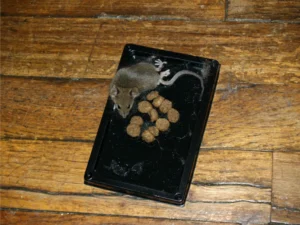
Simply throwing the whole trap away with the animal still stuck to it isn’t a good option, both ethically and potentially legally.
For a rat still alive on a glue trap, working a small amount of cooking oil into the adhesive where it touches the animal’s body can help free it.
Use only a small amount, since too much oil can cause its own problems for the animal’s fur and its ability to regulate its temperature afterward.
If the situation feels beyond what you can safely handle yourself, contacting local animal control or a wildlife rehabilitator is a reasonable next step.
Conclusion
For the vast majority of homeowners in the US, Canada, the UK, and Australia, snap traps and electronic traps are fully legal.
They’re also the methods actively recommended by health authorities like the CDC and British Columbia’s provincial government.
Glue traps are the trap type most likely to run into legal trouble. That could mean an outright city ban in a handful of California cities, a licensing requirement in England, or a regulatory restriction in parts of Australia.
Live traps are legal nearly everywhere to set, but what you’re allowed to do with the rat afterward depends heavily on your specific state or province.
Checking your local rules takes just a few minutes, and it’s worth doing before you commit to a specific trap type. This matters most if you’re leaning toward a glue trap or planning to relocate a live caught rat somewhere else.
When in doubt, a properly sized snap trap remains the safest legal bet almost everywhere. It also happens to be the option most recommended by the agencies that actually study rodent control for a living.

Hi, my name is Ezra Mushala, i have been interested animals all my life. I am the main author and editor here at snakeinformer.com.