
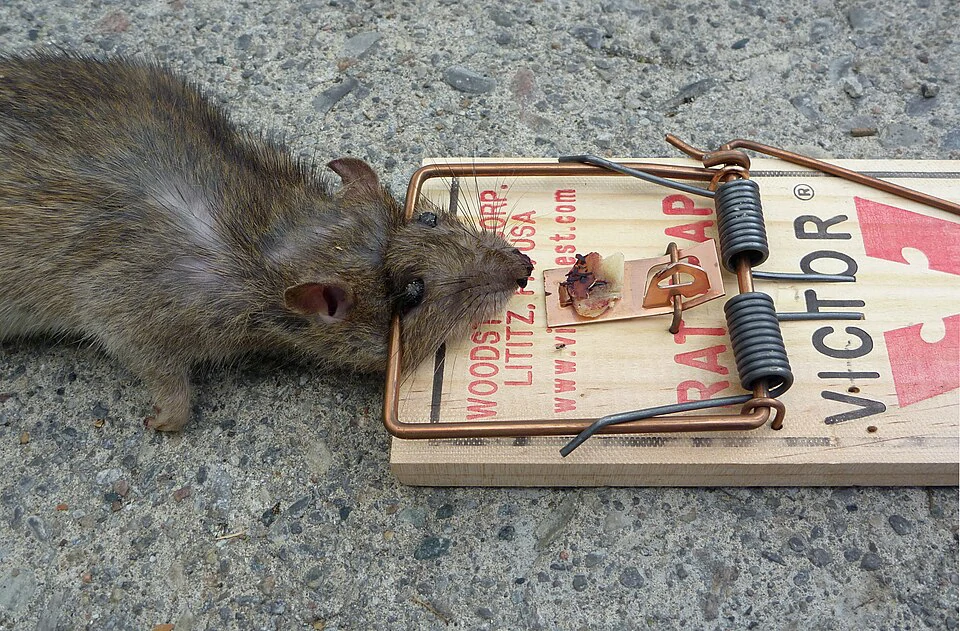
If you’re setting up rat traps around your property, especially in outdoor areas like sheds, garages, or your yard, you might be worried about other animals getting caught by accident.
Birds are everywhere, and they’re curious creatures that investigate all kinds of things. Maybe you’ve noticed birds hopping around near where you want to put traps. Can birds get caught in rat traps?
Yes, birds can definitely get caught in rat traps, especially glue traps and snap traps. Small birds can land on glue traps and get stuck, while larger birds might trigger snap traps if they’re attracted to the bait or investigating the trap.
This is a real problem if you’re using traps in areas where birds can access them. Birds don’t know what a trap is, and they’ll walk or land on anything that looks interesting to them.
Why Birds Are Attracted to Rat Traps
Birds aren’t trying to get caught in your rat traps, but several things about the traps can attract them without you realizing it.
The bait you’re using is often the biggest draw. Peanut butter is one of the most popular baits for rat traps, and many birds love it.
If you’re using seeds, nuts, or grains as bait, you’re basically putting out a bird feeder. Even meat-based baits can attract birds like crows, jays, and magpies.
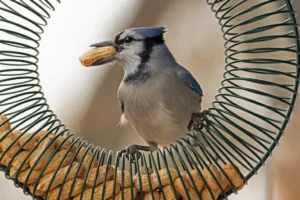
Birds are naturally curious and will investigate new objects in their territory. A rat trap sitting on the ground or on a shelf in your shed is something new and different. Birds might land on it just to check it out, not because they’re interested in the bait.
Some birds forage on the ground and in low areas where you might place rat traps.
Sparrows, juncos, towhees, and many other common birds spend most of their time hopping around on the ground looking for food. If there’s a trap on the ground, they might hop onto it by accident.
Glue traps are particularly dangerous for birds because the sticky surface looks like any other flat surface to them. A bird has no way of knowing it’s sticky until it lands on it and can’t get free.
What Types of Rat Traps Are Most Dangerous to Birds?
Not all rat traps pose the same risk to birds. Some are much more likely to catch birds than others.
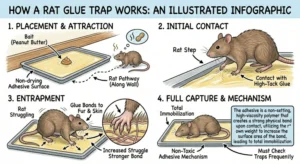
Glue traps are by far the most dangerous to birds. Small birds like sparrows, finches, and warblers can land on a glue trap and immediately get stuck.
Once a bird is stuck to glue, it will panic and struggle, which makes it get even more stuck. The bird can end up with the adhesive all over its feathers, beak, and feet.
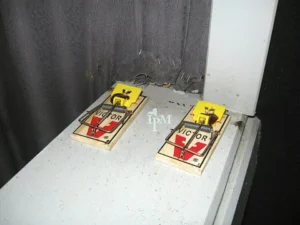
Snap traps can catch birds if the bird is big enough and heavy enough to trigger the trap. A small sparrow probably won’t weigh enough to set off a rat-sized snap trap, but a robin, dove, or jay definitely could.
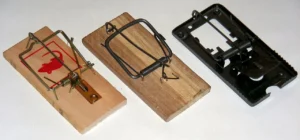
If the bird steps on the trigger plate or pecks at the bait, the trap will snap shut.
Electronic traps are less likely to catch birds but it can still happen. If a bird walks into the tunnel of an electronic trap and steps on the metal plates, it will get shocked just like a rat would.
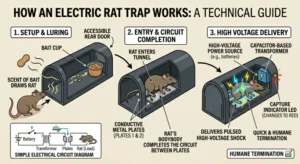
The tunnel design makes it less likely because most birds won’t want to walk into a dark, enclosed space.
Live catch traps (cage traps) can definitely catch birds. If the trap is baited with something birds like, they might walk or fly into the cage and trigger the door.
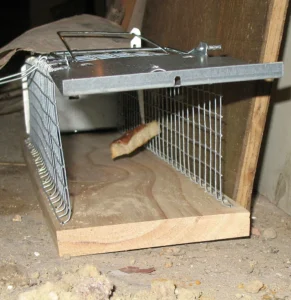
The good news is the bird won’t be hurt, but you’ll still need to release it.
Poison bait stations usually don’t catch birds directly, but birds can be poisoned if they eat the bait. Some bait stations have openings large enough for small birds to squeeze through.
Even if they can’t get inside, birds might find poison pellets that rats have dragged out.
How Often Do Birds Actually Get Caught?
The frequency of birds getting caught depends a lot on where you put your traps and what type you’re using.
If you put glue traps outside or in open areas like a garage with the door open, birds getting stuck is almost guaranteed eventually. It might not happen every day, but if the traps are accessible to birds, it will happen.
Indoor traps that are placed along walls inside your house rarely catch birds because birds aren’t usually flying around inside your home. If a bird did somehow get inside, it would probably be flying around frantically, not walking along the floor where the traps are.
Traps in sheds and outbuildings with open doors or windows will catch birds more often. Barn swallows, house sparrows, and wrens commonly nest in these structures and fly in and out all day long. If there’s a glue trap sitting on a shelf or workbench, a bird could land on it.
Outdoor traps are the highest risk. If you put snap traps or glue traps in your garden, yard, or under your deck, you’re basically inviting bird problems.
Ground-feeding birds will find these traps within hours.
The bait you use also affects how often birds get caught. Traps baited with peanut butter or seeds will attract birds much more than traps baited with meat or processed foods. If you’re using bird-friendly bait, expect birds to show up.
What Happens When a Bird Gets Caught?
The outcome for a bird that gets caught in a rat trap depends on what type of trap it is and how quickly you find it.
A bird caught on a glue trap will struggle and panic immediately. The more it struggles, the more of its body gets stuck to the adhesive.
Within minutes, the bird can have glue all over its feathers, face, and feet. If you don’t find it quickly, the bird can die from stress, exhaustion, or injury from struggling.
A bird hit by a snap trap will usually be killed instantly if the trap hits it across the body or head. Sometimes the trap might catch just a wing or leg, which would injure the bird badly but not kill it right away. Either way, it’s a terrible situation.
A bird that enters an electronic trap and gets shocked will likely be killed by the electric current.
These traps are designed to kill rats instantly with a high-voltage shock, and a bird’s smaller body size means the shock will be even more effective (and deadly).
Birds caught in live catch traps aren’t physically hurt, but they can be very stressed. If you don’t check the trap soon enough, the bird could die from stress, dehydration, or exposure to heat or cold while trapped in the cage.
Any bird that survives being caught will likely have injuries. Birds caught on glue can have broken bones from struggling, damaged feathers that take months to grow back, and chemical burns from the adhesive. Birds hit by snap traps can have broken wings or legs.
How to Remove a Bird From a Glue Trap
If you find a bird stuck to a glue trap, you need to act carefully and quickly. This is a delicate process and you can easily hurt the bird more if you’re not gentle.
First, stay calm and try to keep the bird calm. Cover the bird lightly with a towel so it can’t see you and will stop struggling so much. The less it moves, the less damage it will do to itself.
Get some vegetable oil, olive oil, or cooking spray. These oils will dissolve the adhesive and free the bird. Don’t use harsh chemicals like paint thinner or acetone because these can poison the bird through its skin.
Slowly and gently apply the oil to the areas where the bird is stuck. Use a cotton swab or soft cloth to work the oil under the bird’s feet, feathers, and any other stuck areas. This takes time and patience. Don’t pull or yank on the bird because you’ll tear out feathers and hurt it.
As the adhesive loosens, carefully lift the bird away from the trap. You might need to apply more oil to fully free it. Once the bird is off the trap, you’ll need to clean the oil off its feathers, but be very gentle about this.
Put the bird in a ventilated cardboard box in a quiet, dark place while you figure out what to do next. If the bird seems badly injured or you can’t get all the glue off, contact a wildlife rehabilitator. They have the training and tools to help the bird properly.
Never try to wash the bird with soap and water right away. Birds can go into shock from being handled too much, and getting wet can make them cold very quickly. Let a professional handle the cleaning if the bird needs it.
How to Prevent Birds From Getting Caught
The best solution is to set up your traps in ways that keep birds away from them in the first place.
Don’t put traps in areas where birds can access them. If you need to trap rats outside, put the traps inside boxes or containers with entrances too small for most birds.
A hole that’s 2 to 3 inches across will let rats in but keep larger birds out. Small birds can still get in though, so this isn’t a perfect solution.
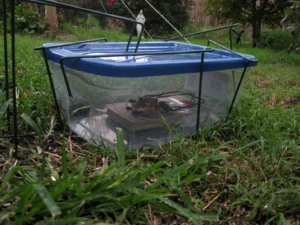
Tony Alter (CC BY 2.0)
Use covered bait stations for poison instead of open traps. Bait stations are designed with entrances that rats can fit through but many birds can’t. Make sure the station is secured to the ground so it can’t tip over and spill poison out where birds can reach it.
Avoid using bait that attracts birds. Don’t use peanut butter, seeds, nuts, or grains if you’re putting traps in areas where birds might find them.
Use processed foods, chocolate, or meat instead. These are less appealing to most birds but rats still love them.
Place traps along walls and in corners inside buildings where birds rarely go. Rats travel along edges, so this is effective placement for catching them anyway. Birds typically don’t walk along baseboards inside buildings, so they’re less likely to trigger the traps.
Check your traps very frequently if they’re in areas birds can reach. The sooner you find a caught bird, the better its chances of survival if you can free it. Check at least twice a day, morning and evening.
Close doors and windows in sheds and garages when you have traps set. This keeps birds from flying in and potentially landing on traps. It also makes the space less attractive to birds overall.
Are There Bird-Safe Alternatives to Traditional Traps?
If you’re really worried about catching birds, there are some trap options that are safer.
Electronic traps with narrow tunnels are pretty bird-safe because most birds won’t enter a dark, enclosed space. The tunnel entrance is usually designed for rats, and while a bird could physically fit, they instinctively avoid tight, dark areas.
Enclosed snap trap stations put the snap trap inside a box with a small entrance hole. The rat goes in through the hole to reach the bait, and the trap snaps inside the box. Birds are less likely to enter these because they can’t see what’s inside.
Live catch traps can work if you’re willing to check them multiple times a day. When you catch a bird by accident, you can just open the trap and let it go without any harm done. This takes more time and effort on your part, but it’s the most humane option.
Multi-catch rat traps are designed to catch several rats alive without killing them. These usually have one-way doors that rats can push through but can’t get back out. If a bird gets in, you can release it unharmed.
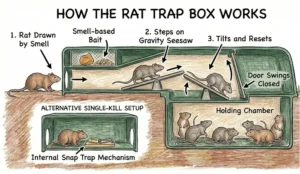
Bucket traps with a ramp are another option. These are essentially a bucket with a little bit of water in the bottom and a ramp leading up to it. The rat walks up the ramp and falls into the bucket. Birds rarely use ramps and usually won’t investigate this type of setup.
Avoiding glue traps entirely is probably the best choice if birds are a concern. There are so many other trap options available that work just as well for rats without the risk of catching and harming birds.
What to Do If You Keep Catching Birds
If you’re repeatedly catching birds in your traps, something needs to change about your setup.
Move your traps to a location birds can’t access. Inside your house, in closed sheds, or in crawl spaces are all better options than open areas where birds are active.
Change your bait to something less attractive to birds. Stop using anything seed-based or nutty. Try using processed foods like bacon, dried fruit, or even chocolate (rats love chocolate and most birds won’t be interested).
Switch to a different type of trap altogether. If you’re using glue traps and keep catching birds, switch to snap traps in enclosed stations or electronic traps. The design of these traps makes them less likely to catch birds.
Consider hiring a professional pest control company if you can’t set up traps without catching birds. They have experience with trap placement and can often solve rat problems without putting other wildlife at risk.
Take a break from trapping for a few days and seal up entry points instead. If you can find where rats are getting into your building and block those holes, you might not need as many traps. Fewer traps mean fewer chances of catching birds.
Conclusion
Birds can absolutely get caught in rat traps, and it happens more often than you might think. Glue traps are the most dangerous to birds because they’re indiscriminate, any animal that steps on them gets stuck.
Snap traps and electronic traps can also catch birds, especially if the traps are baited with food that birds like.
The key to avoiding bird problems is smart trap placement. Keep traps inside buildings, away from areas where birds are active, and use bait that doesn’t attract birds.
If you’re trapping in areas where birds are present, use enclosed trap stations or switch to trap types that birds are less likely to trigger.
If you do catch a bird, act quickly to free it or get it help. And if you keep catching birds despite your best efforts, it’s time to rethink your trapping strategy completely.
There are plenty of ways to control rats without putting birds and other wildlife at risk.

Hi, my name is Ezra Mushala, i have been interested animals all my life. I am the main author and editor here at snakeinformer.com.