

You’re dealing with a rat problem around your property, and you’ve heard that electronic rat traps are one of the most effective and humane options available.
They kill quickly, they’re easy to use, and you don’t have to deal with the mess of snap traps or the cruelty of glue traps. But most of your rat activity is happening outside in your shed, garage, or yard. Can you use electronic rat traps outside?
You can use electronic rat traps outside, but only in protected areas where they won’t get wet. Most electronic traps aren’t waterproof, so they need to be kept under cover in sheds, garages, covered porches, or inside weatherproof boxes to prevent rain damage and electrical failure.
Electronic traps have electrical components and batteries that can’t handle getting wet. If you want to use them outdoors, you need to protect them from the weather while still making them accessible to rats.
Why Most Electronic Traps Aren’t Made for Outdoor Use
Electronic rat traps are designed with indoor use in mind. The way they’re built makes them vulnerable to outdoor conditions.
Water is the biggest enemy of electronic traps. These devices use electricity to kill rats, which means they have circuits, wires, and metal plates inside.
When water gets into the trap, it can short out the electronics and make the trap stop working completely. Even a little bit of moisture from rain or heavy dew can cause problems.
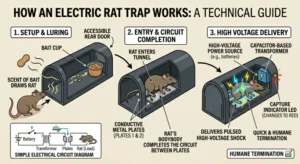
The battery compartments on electronic traps aren’t usually waterproof either. If water gets into the battery area, it can corrode the contacts and ruin the trap. Battery corrosion can happen surprisingly fast when moisture is involved.
Most electronic traps are made from plastic that isn’t UV-resistant. If you leave the trap in direct sunlight for weeks or months, the plastic can become brittle and crack. Once the housing cracks, water can get inside even if you’re trying to keep it dry.
Temperature extremes can also affect electronic traps. Very cold weather can drain batteries faster and make the electronics less reliable. Very hot weather can damage the circuits or cause the plastic housing to warp.
Dust and debris are more of a problem outside than inside. If dirt and leaves get into the trap’s tunnel or onto the metal plates, the trap might not work properly. The rat might not make good contact with the plates, which means it won’t get a full shock.
What Happens If an Electronic Trap Gets Wet?
If your electronic trap gets rained on or soaked with water, several bad things can happen.
The electronics will likely short circuit as soon as water hits them. When electricity flows through water instead of following the intended circuit paths, the trap stops working. You might be able to dry it out and get it working again, but often the damage is permanent.
The metal plates that deliver the shock to rats will start to corrode quickly. Rust and corrosion make the plates less conductive, which means the shock becomes weaker over time. Eventually, the trap might not deliver enough voltage to kill a rat.
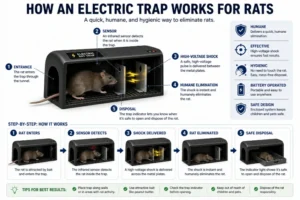
Water can also damage the sensors that detect when a rat is inside the trap. Many electronic traps have an indicator light that tells you when you’ve caught something.
If water damages the sensor circuit, the light might not work or might constantly show that there’s a rat in the trap when there isn’t.
The battery compartment will corrode if water gets in. Battery acid combined with moisture creates a mess that eats away at the metal contacts. Even if you replace the batteries, the trap might not work anymore because the connections are too corroded.
If the trap gets wet while it’s turned on and has batteries in it, you risk creating a short circuit that drains the batteries completely in minutes or hours. You’ll go to check your trap and find the batteries dead even though they were brand new.
Where You Can Safely Use Electronic Traps Outside
Just because electronic traps aren’t waterproof doesn’t mean you can’t use them in outdoor areas. You just need to be smart about placement.
Inside a shed or garage is perfect for electronic traps. These spaces are protected from rain but still count as “outside” areas where rats are active. Just make sure the shed doesn’t leak and that the trap is placed away from any areas where water might drip or splash.
Under a covered porch or deck works well too. The roof keeps rain off the trap, and rats often travel along the edges of houses and under decks. Make sure the area doesn’t get wet from blowing rain or water running off the roof during storms.

Crawl spaces under houses are excellent locations. They’re dry, protected from weather, and rats love them. Just make sure you can easily access the trap to check it and empty it when needed.
Inside weatherproof boxes or containers is another option. You can buy or build a box that keeps rain out while allowing rats to enter through holes in the sides. The box needs to be ventilated enough that condensation doesn’t build up inside, but sealed enough to keep rain out.
Covered outdoor storage areas, like under an awning or inside a lean-to, can work if they stay dry. Check the area during a rainstorm to make sure water doesn’t blow in or run in from nearby surfaces.
Barn lofts and attics of outbuildings are great spots. These areas are usually dry and protected, and rats commonly nest in them. The height also keeps the trap away from ground-level moisture.
How to Protect Electronic Traps From Weather
If you need to use an electronic trap in a location that might get some exposure to weather, there are ways to protect it.
Build or buy a weatherproof box for the trap. The box should have entrance holes on the sides that are big enough for rats but positioned so rain can’t easily get in. Raise the box off the ground on bricks or blocks so water doesn’t pool underneath it.
Use a plastic storage tote with a lid. Cut holes in the sides for rats to enter, and put the electronic trap inside. Make sure the holes are positioned so they don’t face the direction that rain usually comes from in your area.
Place the trap under an overturned bucket or crate with one side propped up just enough for rats to squeeze under. This gives overhead protection while still allowing access. Secure the bucket so wind can’t blow it away.
Create a simple roof over the trap using a piece of plywood or plastic sheeting. Prop it up on bricks or stakes so it’s a few inches above the trap. This keeps rain off while not completely enclosing the trap.
Use a tarp or waterproof cover if you’re placing the trap in a semi-protected area. Just make sure the cover doesn’t block the entrance tunnel where rats enter the trap. The cover should only protect the top and sides from rain.
Add extra ventilation to any protective box or covering. If air can’t circulate, condensation will build up inside and you’ll end up with moisture problems anyway. Drill small holes in the box or leave gaps for air to flow through.
Checking and Maintaining Outdoor Electronic Traps
Electronic traps placed outside need more attention than ones inside your house.
Check the trap daily if possible, or at minimum every other day. Outdoor environments are harsher and things can go wrong faster. You want to make sure the trap is still working and hasn’t been affected by weather or animals.
Look for signs of moisture inside the trap each time you check it. If you see water droplets or condensation, the trap needs better protection. Dry it out completely before using it again.

Test the trap regularly to make sure it’s still delivering a strong shock. Most electronic traps have a test button or some way to trigger them without catching a rat. If the shock seems weak or inconsistent, the batteries might be low or the trap might be damaged.
Clean the metal plates more often than you would for an indoor trap. Outdoor environments mean more dust, dirt, and debris can get into the trap. Dirty plates don’t conduct electricity as well, which means weaker shocks.
Replace batteries more frequently. Cold weather, heat, and humidity all drain batteries faster than normal indoor conditions. If you notice the trap not working as well, try fresh batteries before assuming the trap is broken.
Inspect the housing for cracks or damage. Plastic becomes more brittle when exposed to temperature swings and UV light. Even small cracks can let water in, so if you spot any damage, it’s time to add more protection or move the trap.
Check that any protective box or cover is still doing its job. Wind can blow things around, animals can knock things over, and wear and tear happens. Make sure the trap is still protected every time you visit it.
Battery Life in Outdoor Electronic Traps
Batteries don’t last as long in outdoor traps as they do in indoor ones, and this is something you need to plan for.
Cold temperatures drain batteries much faster. If you’re using the trap in winter or in an unheated shed, you might only get half the battery life you’d normally expect. Some electronic traps that would normally run for months on one set of batteries might only last a few weeks in cold weather.
Heat also affects battery life, though usually not as severely as cold. Very hot temperatures can cause batteries to leak or corrode faster. If your trap is in a shed that gets extremely hot in summer, check the batteries more often.
Humidity can cause battery contacts to corrode even if the batteries themselves are fine. This corrosion increases resistance and drains the batteries faster. It can also prevent the trap from working even with fresh batteries if the corrosion gets bad enough.
Always remove batteries if you’re storing the trap for more than a week or two without using it. Batteries can leak and corrode over time, especially in outdoor conditions. Taking them out prevents damage to the trap.
Use high-quality batteries in outdoor traps. Cheap batteries might be fine for indoor use, but they’re more prone to leaking and corroding in outdoor conditions. Name-brand alkaline batteries or lithium batteries are worth the extra cost.
Keep spare batteries in a dry, temperature-controlled location. Don’t store spare batteries in the shed with the trap because the same conditions that are hard on the trap are hard on the batteries. Keep them inside your house.
What About Fully Waterproof Electronic Traps?
A few electronic rat traps are specifically designed to be waterproof or weather-resistant, but they’re not common.
True waterproof electronic traps are rare and usually expensive. They have sealed housings with rubber gaskets around the battery compartment and entrance tunnel. These can handle rain and even being left out in the open.

Weather-resistant traps are more common than fully waterproof ones. These traps can handle some moisture and light rain but shouldn’t be left in heavy rain or standing water. Read the product description carefully to understand what “weather-resistant” means for that specific model.
Some traps are marketed for outdoor use but still aren’t waterproof. They might have better UV protection or more durable plastic, but they’ll still fail if they get soaked. Don’t assume a trap is waterproof just because it says “outdoor” on the packaging.
If you’re buying a trap specifically for outdoor use, look for specific waterproof ratings. Terms like “IP65” or “IP67” indicate actual waterproofing standards. If the product doesn’t mention a specific waterproof rating, assume it’s not truly waterproof.
Even waterproof traps benefit from being placed in protected areas. Just because a trap can handle rain doesn’t mean it should be left in the worst possible conditions. You’ll still get better performance and longer life by giving it some protection.
Outdoor Placement Tips for Maximum Effectiveness
Where you put your electronic trap outside matters just as much as how you protect it from weather.
Place traps along walls and edges where rats travel. Rats don’t like running across open spaces. They prefer moving along foundations, fences, and the edges of buildings. Put your trap in these high-traffic areas.
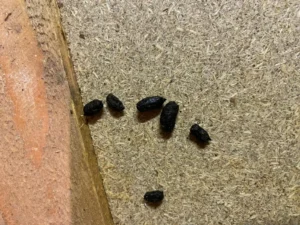
Look for signs of rat activity before placing traps. Droppings, gnaw marks, greasy rub marks on walls, and worn paths in grass or dirt all indicate where rats are traveling. Place traps in these active areas.
Position the trap entrance facing the direction rats are coming from. If you can tell which way they’re traveling along a wall or fence, orient the trap so they’ll naturally walk into it as they move along their usual path.
Keep the trap close to cover if possible. Rats feel safer near objects they can hide under or behind. A trap sitting out in the middle of an open shed floor is less likely to be entered than one placed next to a wall or under a shelf.
Make sure the ground is level where you place the trap. Electronic traps need to sit flat so the rat makes proper contact with the metal plates inside. If the trap is tilted or wobbly, it might not work correctly.
Remove competing food sources if you can. Rats will be less interested in entering your trap if there’s an easy food source nearby. Secure garbage cans, clean up spilled bird seed, and remove any other food that might be attracting rats.
Alternatives to Electronic Traps for Outdoor Use
If protecting an electronic trap from weather seems like too much hassle, there are other options that work better outdoors.
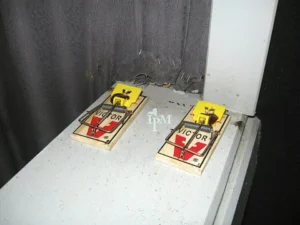
Traditional snap traps are perfect for outdoor use. They can get rained on, frozen, or baked in the sun and they’ll still work fine. They’re cheap enough that you can set out multiple traps and replace them if they rust or break.
Live catch traps (cage traps) are designed for outdoor use. They’re made from galvanized metal or weather-resistant plastic that can handle being left outside.
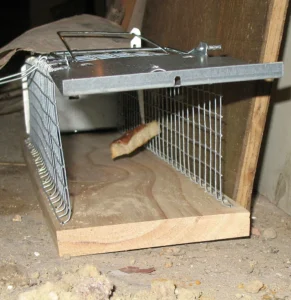
You’ll need to check them frequently and figure out what to do with caught rats, but they work well in outdoor environments.
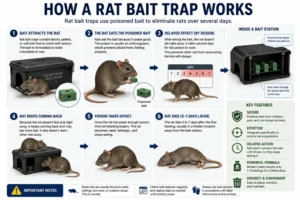
Bait stations with poison are commonly used outside. The station protects the poison from weather while allowing rats to enter and feed. Just make sure the station is secured properly and that pets and children can’t access it.
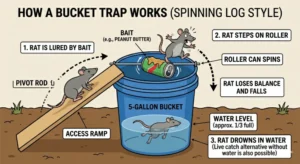
Bucket traps are simple and work great outside. They’re just a bucket with a ramp, and rats fall in when they try to reach bait balanced on a spinning rod over the bucket. Rain won’t hurt a bucket trap and they’re very cheap to set up.
Multiple-catch traps are metal boxes with one-way doors that let several rats in but don’t let them back out. These are very durable and can be left outside for extended periods. They work especially well if you have a serious rat problem and need to catch many rats.
Conclusion
You can definitely use electronic rat traps outside, but you need to protect them from rain and moisture. Most electronic traps aren’t waterproof, so they’ll be ruined if they get wet.
The best approach is to place them in naturally protected areas like sheds, garages, and covered porches.
If you need to use an electronic trap in a more exposed area, build or buy a weatherproof box to house it.
Make sure the box keeps rain out while still allowing rats easy access to the trap entrance. Check the trap frequently to make sure moisture isn’t building up inside the protective box.
Remember that outdoor conditions are harder on electronic traps than indoor ones. Batteries drain faster, plastic can crack from UV exposure, and dust and debris can interfere with the trap’s operation. You’ll need to maintain outdoor electronic traps more carefully than indoor ones.
If protecting an electronic trap seems like too much work, traditional snap traps or live catch traps might be better choices for outdoor rat control. They’re designed to handle weather and they’re just as effective at catching rats.

Hi, my name is Ezra Mushala, i have been interested animals all my life. I am the main author and editor here at snakeinformer.com.