
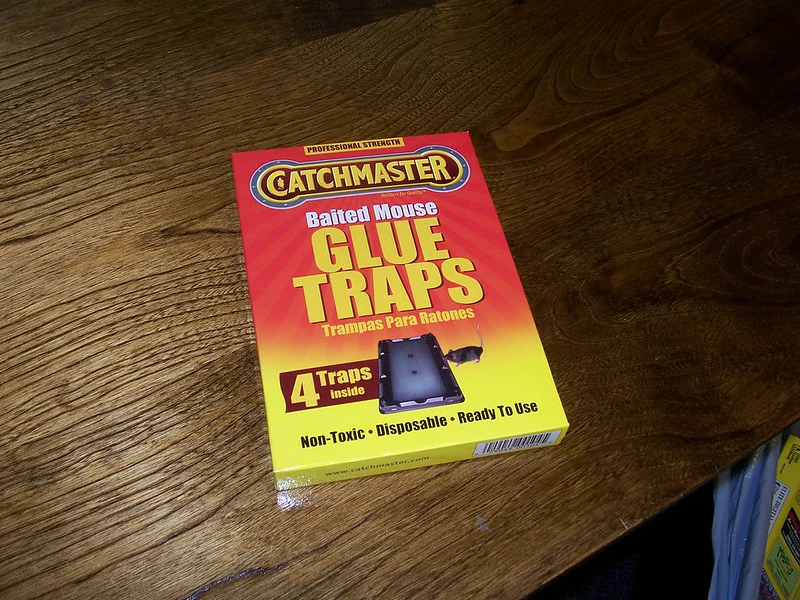
Finding a rat stuck on a glue trap in your home can be pretty unsettling. You’re faced with a trapped animal that needs to be dealt with, but you might not know the right way to handle it safely and humanely.
Whether the rat is still alive or already dead, proper removal is important for your health and safety. So how do you dispose of a rat in a glue trap?
To dispose of a rat in a glue trap, you should first check if it’s alive or dead. If alive, you can either release it far from your home or humanely end its suffering. Place the trap in a sealed plastic bag, then put it in an outdoor trash can. Always wear gloves and wash your hands thoroughly after handling.
The main thing to remember is that rats can carry diseases, so you never want to touch them directly or handle them without protection.
Taking the right steps will keep you safe while dealing with this unpleasant situation.
What You Need Before You Start
Before you do anything with a trapped rat, you need to gather a few basic supplies to protect yourself.
First, get a pair of thick gloves. Latex or rubber gloves work fine, but thicker work gloves give you better protection.
Rats can bite even when they’re stuck, and their teeth can go right through thin gloves.
You’ll also need a large plastic bag that seals shut. Grocery bags with handles work, but a heavy-duty trash bag is even better. The bag needs to be big enough to hold the entire glue trap without you having to squeeze it in.
If the rat is still alive and you plan to release it, you’ll need some cooking oil or baby oil. This helps break down the glue so the rat can get free. A small container or cup works for pouring the oil.
Keep a spray bottle with disinfectant nearby too. You’ll want to clean any surfaces the trap touched after you’re done.
How to Tell If the Rat Is Still Alive
When you first find the trap, don’t just grab it right away. Take a moment to look at the rat from a safe distance.
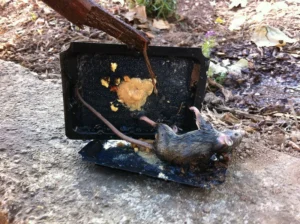
If the rat is alive, you’ll usually see it moving or breathing. Its chest will rise and fall, and it might struggle when it sees you approach.
Some rats will freeze when they’re scared, but you can still see small movements if you watch closely.
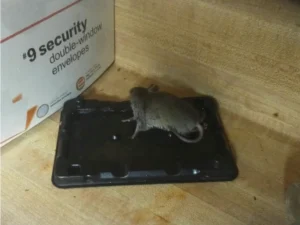
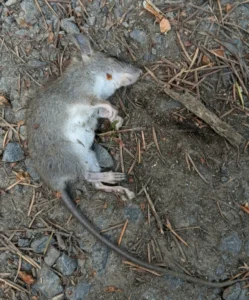
Dead rats won’t move at all, and their eyes will often look dull or glassy. If you’re not sure, watch for at least 30 seconds to see any sign of breathing. You can also look for fresh droppings near the trap, which means the rat was alive recently.
Knowing whether the rat is alive or dead changes how you’ll handle the situation. A live rat needs to be dealt with quickly to prevent more suffering.
What to Do If the Rat Is Still Alive
If you find a live rat on the trap, you have two main choices. You can either release it outside or humanely end its life.
To release the rat, pour cooking oil or baby oil over the glue where the rat is stuck. Use enough oil to really soak the glue. This breaks down the sticky substance and lets the rat pull free.
Once you’ve added the oil, carefully carry the trap outside to an area far from your home. Put it down and step back. The rat will usually work itself free within a few minutes once the glue loosens up.
If you choose to release the rat, take it at least a mile away from your house. Rats have a strong sense of direction and can find their way back if you don’t take them far enough. Look for wooded areas or fields away from other homes.
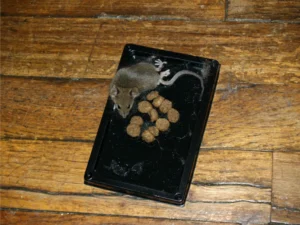
Some people don’t want to release the rat because it might just become someone else’s problem or come back. In this case, the most humane option is to end its suffering quickly.
The fastest method is to place the entire trap (with the rat still on it) into a plastic bag, seal it, and put it in a freezer for several hours.
This puts the rat to sleep gradually and is considered one of the more humane methods available for someone at home. Don’t try to hit the rat or drown it, as these methods cause unnecessary pain and suffering.
How to Dispose of a Dead Rat on a Glue Trap
If the rat is already dead when you find it, the removal process is a bit simpler but you still need to be careful.
Put on your thick gloves first. Don’t skip this step even though the rat is dead, because dead rats can still carry diseases and parasites that can transfer to you.
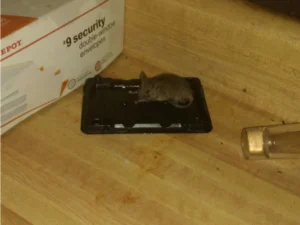
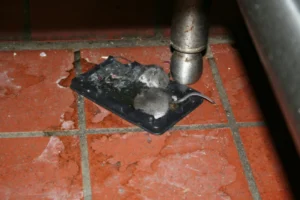
Open up your plastic bag and hold it with one hand. With your other hand, carefully pick up the glue trap by its edges. Don’t touch the rat itself or any part of the trap where the rat made contact.
Drop the entire trap into the bag, then seal it shut. If you’re using a bag with a drawstring or zip closure, make sure it’s completely closed. You don’t want any smells leaking out or flies getting in.
Take the sealed bag directly to your outdoor trash can. Don’t leave it sitting in your house, even for a few hours. The smell can get pretty bad, and you don’t want to attract other pests.
Some people double-bag dead rats just to be extra safe. This means putting the first sealed bag into a second bag. It’s not totally needed, but it does give you extra protection against leaks and odors.
Where You Can and Can’t Throw Away Dead Rats
Most areas let you throw dead rats in your regular trash, but there are some exceptions you should know about.
Check your local waste management rules first. Some cities have specific guidelines about disposing of dead animals.
In most places, small rodents like rats are fine to put in household trash as long as they’re sealed in a bag.
Don’t put dead rats in your recycling bin. This should be obvious, but some people get confused about which bin to use when they’re stressed out about finding a dead animal.
Never flush a rat down the toilet, even if it’s small. The body can clog your pipes, and it’s also pretty disrespectful to the water treatment workers who have to deal with that. Plus, the glue trap definitely won’t flush and will just make a mess.
If you live in an apartment, check with your building management. Some apartment complexes have rules about what you can put in the shared dumpsters. They might want you to take larger dead animals to a specific location.
In rural areas, some people bury dead rats in their yard. This is usually fine if you bury it deep enough (at least two feet down) so other animals won’t dig it up. Just don’t bury it near your garden or water sources.
How to Clean Up After Removing the Trap
After you’ve disposed of the rat and trap, you’re not quite done yet. The area where the trap was sitting needs to be cleaned properly.
Spray the spot with disinfectant and let it sit for a few minutes. This kills any bacteria or germs the rat might have left behind. Use a disinfectant that’s meant for killing viruses and bacteria, not just a regular household cleaner.
Wipe up the area with paper towels, then throw those towels away immediately. Don’t use cloth towels or sponges that you’ll wash and reuse, because you could spread germs around your home.
If the rat left droppings near the trap, spray those with disinfectant too before you clean them up. Never sweep or vacuum rat droppings dry, because this can kick up dust that contains harmful particles you might breathe in.
Look around for any other signs of rat activity while you’re cleaning. Check for more droppings, gnaw marks, or grease smears along the walls. If you find these signs, you might have more rats and will need to set out more traps.
Wash any tools you used during the removal process. If you used scissors to open bags or anything else, clean those with soap and hot water or run them through the dishwasher.
What to Do With Your Gloves and Other Materials
Don’t reuse the gloves you wore while handling the rat trap. Even if they look clean, they could have germs on them that you can’t see.
Turn the gloves inside out as you take them off. This keeps any contamination on the inside where it can’t spread. Put them directly into a plastic bag and seal it before throwing it away.
If you got any blood or bodily fluids on your clothes, change them right away. Wash those clothes separately from your regular laundry in hot water. Add a bit of bleach if the fabric can handle it.
Any rags or paper towels you used for cleaning should go straight into a sealed bag and into the trash. Don’t leave them sitting in your regular kitchen trash can where they might smell or attract pests.
The container you used for oil (if you released the rat) should be thrown away too. Don’t wash it out and keep it for cooking. It’s just not worth the risk of cross-contamination.
How to Protect Yourself from Diseases
Rats can carry some pretty serious diseases, so protecting yourself during the whole process is really important.
The most common disease you could get from rats is leptospirosis. This comes from rat urine and can make you really sick with flu-like symptoms. That’s why wearing gloves and avoiding direct contact is so critical.
Rats also carry hantavirus, which is rare but very serious. You can get this from breathing in dust that has rat droppings or urine in it. That’s why you should always spray droppings with disinfectant before cleaning them up instead of sweeping them dry.
Some rats have fleas or mites that can jump onto you. These parasites can bite and cause itching or, in rare cases, spread other diseases. Wearing long sleeves and pants while handling the trap gives you extra protection.
After you’re done with everything, wash your hands really well with soap and hot water. Scrub for at least 20 seconds, making sure to get under your nails and between your fingers. Do this even if you wore gloves the whole time.
If you get bitten or scratched by a live rat during the process, wash the wound immediately with soap and water. Then call your doctor right away to see if you need any treatment or shots.
Signs You Might Need Professional Help
Sometimes dealing with a rat on a glue trap is more than you want to handle on your own, and that’s totally fine.
If you have a serious phobia of rats or rodents, don’t force yourself to deal with it. The stress isn’t worth it, and you might make mistakes that put you at risk. Pest control companies handle this stuff every day and can take care of it quickly.
When you find multiple rats stuck on traps at the same time, that’s a sign you have a bigger infestation. One rat is manageable on your own, but several rats means you probably need professional help to figure out how they’re getting in and seal up those entry points.
If the rat is stuck in a hard-to-reach place, like behind a heavy appliance or in a crawl space, call a professional. Trying to reach it yourself could lead to injury or could let the rat escape if you’re not careful.
Pregnant women, people with weakened immune systems, and anyone with open cuts or wounds should not handle rat traps themselves. The risk of disease is just too high for these groups. Have someone else deal with it or call a professional.
If you’re just not comfortable with the whole situation, that’s a valid reason to call for help too. There’s no shame in admitting you’d rather have someone else handle it.
How to Prevent Getting Rats on Glue Traps in the Future
The best way to deal with rats on glue traps is to prevent rats from getting in your house in the first place.
Start by looking for any holes or gaps in your home’s exterior. Rats can squeeze through openings as small as a quarter. Check around pipes, vents, and where utility lines enter your home. Seal these gaps with steel wool, caulk, or metal flashing.
Keep your home clean, especially the kitchen. Rats are attracted to food sources, so don’t leave dirty dishes sitting out overnight. Store food in sealed containers instead of leaving it in open boxes or bags.
Take out your trash regularly and use trash cans with tight-fitting lids. If you have outdoor trash cans, keep them away from your house if possible. Rats will hang around trash and then look for ways into your home.
Trim back any trees or bushes that touch your house. Rats can use these as highways to reach your roof and then find ways inside through vents or gaps. Keep vegetation at least three feet away from your home’s exterior.
If you have a garden, pick up any fallen fruit right away. Rats love fruit and will come into your yard to eat it. Once they’re in your yard, it’s only a matter of time before they try to get into your house.
Consider using snap traps instead of glue traps if you need to catch rats. Many people find snap traps more humane because they kill instantly instead of leaving the rat stuck and suffering. They’re also easier to dispose of since you can release the rat’s body without touching it.
Conclusion
Dealing with a rat in a glue trap isn’t fun, but it’s something you can handle safely if you take the right steps. The key is protecting yourself with gloves, sealing the rat and trap in a plastic bag, and disposing of it in your outdoor trash.
Whether the rat is alive or dead changes your approach slightly, but the basic safety rules stay the same. Never touch the rat directly, always clean and disinfect afterward, and wash your hands thoroughly when you’re done.
If you find yourself catching rats regularly, it’s time to look at the bigger picture. Figure out how they’re getting into your home and seal those entry points. Prevention is always easier than dealing with trapped rats after the fact.
Remember that calling a pest control professional is always an option if the situation feels like too much to handle on your own. Your safety and peace of mind are worth the cost of getting expert help.

Hi, my name is Ezra Mushala, i have been interested animals all my life. I am the main author and editor here at snakeinformer.com.