
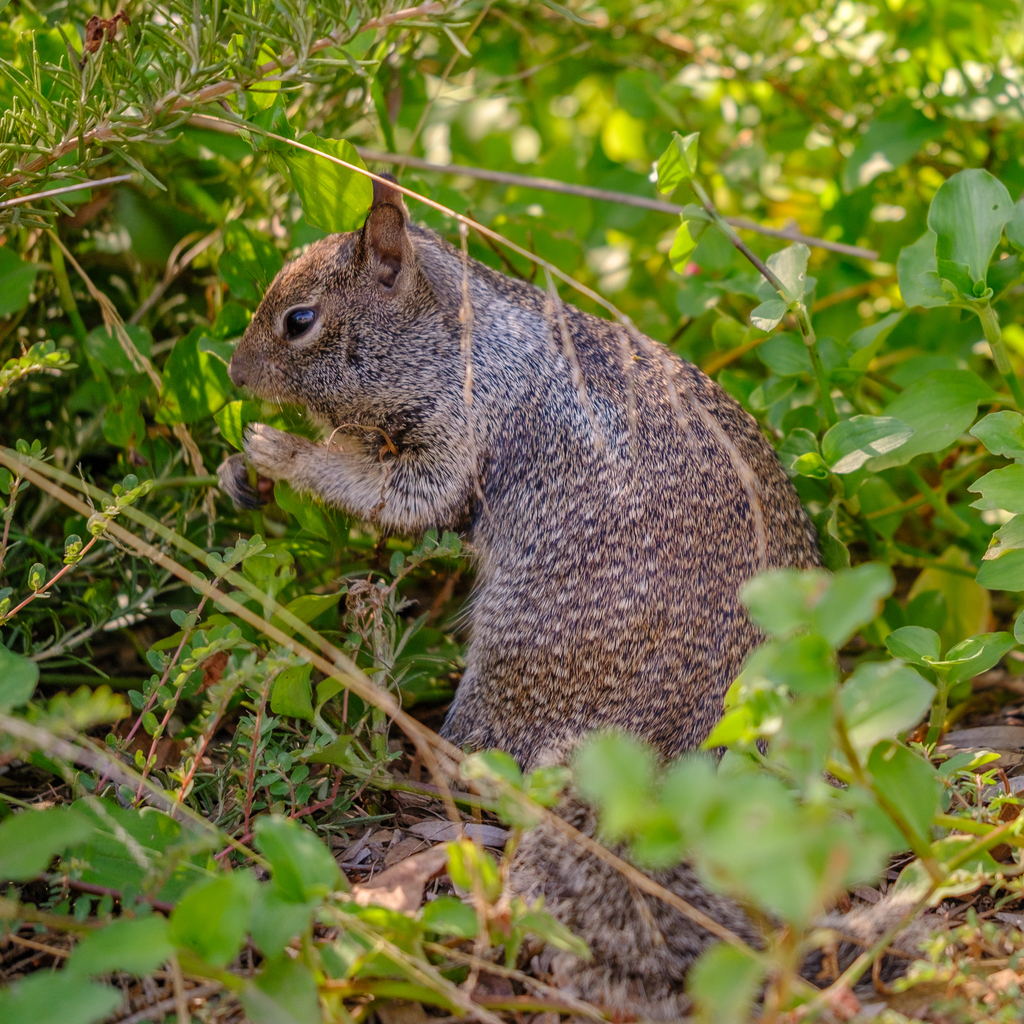
If you’ve put out rat poison to deal with a rodent problem, you might start seeing squirrels hanging around the bait too, and that’s a fair thing to worry about.
Squirrels are rodents, just like rats and mice, and they’re often digging around the same yards, sheds, and attics where rat poison gets placed.
So will squirrels actually eat rat poison, and if they do, what happens next?
Yes, squirrels will eat rat poison if they come across it, though they’re less drawn to it than rats. Squirrels usually prefer nuts and seeds over bait pellets. Still, a hungry squirrel can eat it, and enough of it will kill it.
The reason this matters is simple: rat poison isn’t picky about who eats it.
It’s built to be tempting to rodents in general, and squirrels are rodents too. A squirrel is less likely to seek it out, but that doesn’t mean it’s safe from it.
Why Squirrels Aren’t as Attracted to Rat Poison as Rats Are
Rats and squirrels are both rodents, but they eat very differently, since rats are scavengers at heart.
They’ll eat almost anything, including scraps, grease, and processed food. That’s exactly why rat bait is made to smell and taste appealing to them.
Squirrels are pickier eaters. In the wild, they mostly eat nuts, seeds, acorns, tree buds, and the occasional bird egg or insect.
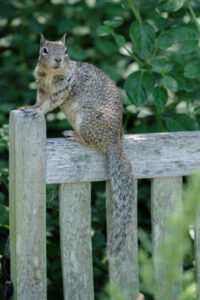
Most rat poison is made from grain, cereal, or wax pellets built to attract rats, not squirrels. It’s simply not what a squirrel’s diet is geared toward.
Still, this doesn’t mean squirrels will always ignore it. If a squirrel is hungry enough, or the bait smells like something familiar, it might give it a try.
Squirrels are also naturally curious animals. That curiosity alone can be enough to get one to taste something new.
How Rat Poison Actually Works
Most rat poison sold today is what’s called an anticoagulant, which is a chemical that stops blood from clotting the way it should.
Once an animal eats enough of it, even a small injury can turn into serious, ongoing bleeding. The body can’t seal itself back up the way it normally would.
There are two general types of anticoagulant rat poison. First generation types, like warfarin, need to be eaten several times to build up a lethal dose.
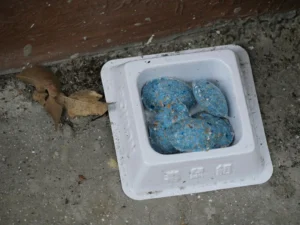
Second generation anticoagulants, like brodifacoum and bromadiolone, are much stronger. These can kill after just one good feeding.
However, it still takes several days for the animal to actually die, even with the stronger second generation versions. The poison doesn’t act right away.
There are also non-anticoagulant poisons out there. Bromethalin is one example, and it works differently, by affecting the nervous system instead of blood clotting.
Cholecalciferol is another. It’s basically a concentrated form of vitamin D, and it causes dangerous calcium buildup throughout the body when eaten in large amounts.
Either way, none of these poisons care whether the animal eating them is a rat, a mouse, or a squirrel. The chemistry doesn’t tell the difference.
What Happens If a Squirrel Eats Rat Poison?
If a squirrel eats a small amount, it might not get a lethal dose at all. It could show no symptoms whatsoever.
But if it eats enough, the poison starts working the same way it would in a rat. With anticoagulant poison, symptoms don’t show up right away.
It usually takes one to seven days before the squirrel starts acting sick. This delay happens because the poison slowly drains the body’s ability to clot blood.
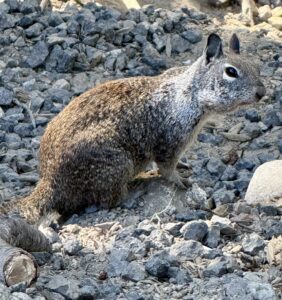
During that window, the squirrel might seem completely normal. It could still be out gathering food or running along fences like nothing is wrong.
Once symptoms appear, they can include weakness, a loss of appetite, and wobbly movement. There’s often unusual bleeding too, sometimes from the nose or gums.
In the final stages, internal bleeding can lead to organ failure. This is ultimately what causes death in most anticoagulant poisoning cases.
It’s a slow, uncomfortable way for an animal to die. This is one reason wildlife groups discourage using rat poison anywhere near squirrels.
Squirrels Aren’t the Only Ones at Risk
Here’s something a lot of people don’t think about. Rat poison doesn’t just risk killing the squirrel that eats it.
If a hawk, owl, or fox eats that poisoned squirrel, the poison passes along to them too. This is called secondary poisoning, and it’s a well documented problem.
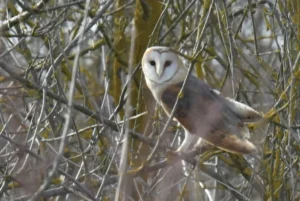
Studies from wildlife health programs, including Cornell’s Wildlife Health Lab, have tracked hundreds of rodenticide poisoning cases in hawks, owls, foxes, and squirrels.
Predators that eat poisoned rodents can build up toxic levels over time. This happens even if no single meal alone would’ve caused harm.
So even if you’re only trying to get rid of rats, a poisoned squirrel in your yard can end up harming animals that had nothing to do with the problem in the first place.
Do Squirrels Die Quickly From Rat Poison?
No, and this surprises a lot of people. Death from anticoagulant rat poison isn’t quick or immediate.
It usually takes several days, sometimes up to a week, for a squirrel to die after eating a lethal dose. It’s not something that happens right after the first bite.
During that time, the squirrel often keeps behaving somewhat normally at first. Then it slowly becomes weaker, less alert, and more lethargic as the days pass.
Poisoned rodents also tend to become less cautious. They’re more likely to sit out in the open, which is part of why predators end up eating them too.
This slow timeline is actually intentional, in a way. If the poison killed too fast, a rodent might eat a little, feel sick, and avoid the bait afterward.
By delaying the effects, the poison keeps the animal coming back for more. It doesn’t realize anything is wrong until it’s too late.
Why This Matters If You Have Pets or Kids
If squirrels in your yard are eating rat poison, that same bait is just as accessible to a curious dog, cat, or child. This isn’t just a hypothetical concern either.
It’s actually one reason the EPA tightened its rules around consumer rat poison back in 2011. Homeowners now have to use tamper resistant bait stations.
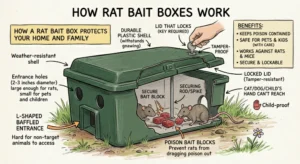
These stations keep the poison away from kids and pets, while letting rodents get inside to feed. However, tamper resistant doesn’t mean squirrel resistant.
Squirrels are small and good at squeezing into tight spaces. A station built to stop a dog’s mouth or a toddler’s hand won’t necessarily stop a squirrel.
If you’ve noticed squirrel activity near where you’ve placed rat poison, check the bait station often. Look for chew marks or missing bait.
Which Rat Poisons Are Riskiest for Squirrels?
Not all rat poisons carry the same level of risk.
Second generation anticoagulants, like brodifacoum and bromadiolone, are the most dangerous kind for squirrels and other wildlife.
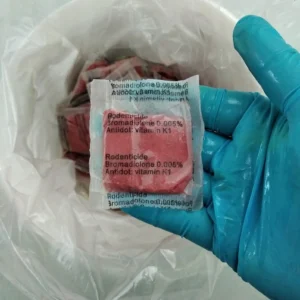
These stay in an animal’s body far longer than older, first generation products do.
That means a squirrel nibbling a little here and there can still build up a lethal dose over time.
The EPA restricted these products from being sold to regular consumers back in 2008. You’ll mostly find them in professional pest control products now.
Non-anticoagulant poisons like bromethalin and cholecalciferol work differently, but they’re not safer for squirrels.
Bromethalin damages the nervous system, and cholecalciferol causes a dangerous calcium buildup in the organs.
There’s no version of rat poison that’s actually safe for a squirrel to eat. Some are just slower or faster, and some spread further through the food chain.
Signs a Squirrel May Have Eaten Rat Poison
If you’re worried a squirrel near your home has eaten poison, watch for a few things. A poisoned squirrel might move slowly, or seem disoriented and confused.
It may also stay out in the open longer than a healthy squirrel normally would. Healthy squirrels are usually alert and quick to dart for cover.
You might also notice unusual bleeding or bruising, or a squirrel that seems unsteady on its feet. It could look like it’s struggling to keep its balance.
In more advanced cases, the squirrel may seem extremely weak. It might barely be able to move at all.
If you see a squirrel showing these signs, it’s best to contact a local wildlife rehabilitator. Trying to handle the animal yourself isn’t a good idea.
Wild animals, even sick or weak ones, can still bite or scratch when threatened. And rodenticide poisoning isn’t something you can treat without proper training.
Can Rat Poison Be Used Safely Around Squirrels?
If you have a rat problem but also regularly see squirrels around your property, there are a few things you can do to lower the risk to them.
Using secured bait stations, placed away from areas squirrels frequent, helps a lot. Try to avoid spots near bird feeders or trees.
It’s worth choosing first generation anticoagulants over second generation ones when you can.
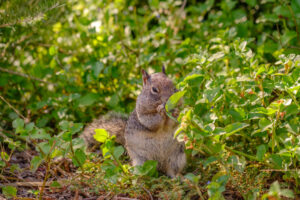
First generation types need multiple feedings, so the risk is somewhat lower.
However, the most reliable way to avoid harming squirrels is to skip poison bait altogether. Snap traps, when set correctly, are far more targeted.
Placing a snap trap inside a covered, rodent specific bait box helps too. This way, the trap only works on the animal that actually triggers it, not whatever wanders by.
Sealing up entry points into your home is another good step. Gaps around pipes, vents, and rooflines are common ways rodents get inside in the first place.
Removing easy food sources also helps a lot. Uncovered trash, spilled birdseed, and pet food left outside overnight can all attract rats without you realizing it.
Keeping bird feeder areas clean and picking up fallen seed helps too. Less food around means less reason for rats, or squirrels, to stick around.
Do Squirrels Actually Cause the Same Problems as Rats?
It’s worth asking why you’re reaching for rat poison in the first place.
If squirrels are causing the trouble, rat poison usually isn’t the right tool anyway.
Squirrels don’t behave like rats. They’re active during the day, they don’t typically nest deep inside walls the way rats do, and they’re drawn to very different things.
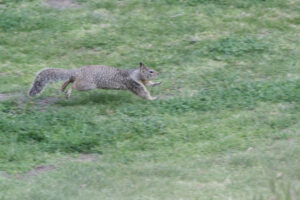
If squirrels are getting into your attic, chewing wires, or raiding bird feeders, that’s a squirrel problem, not a rat problem.
It calls for squirrel specific solutions, like exclusion work or humane trapping.
Using rat poison to deal with squirrels rarely works well anyway. Squirrels aren’t drawn to the bait, so you end up risking other wildlife without solving anything.
What to Do If You Already Have Rat Poison Out
If you’ve already placed rat poison and now realize squirrels might be at risk, don’t panic. Start by checking your bait station’s location.
Move it away from trees, fences, or anywhere squirrels commonly travel, if you’re able to. Even a small change in placement can reduce how often squirrels come across it.
Check the station every day or two, and remove any spilled bait nearby. Spilled bait out in the open is often riskier than the bait sealed inside.
If you’re using a second generation anticoagulant and seeing frequent squirrel activity, switching products may be worth it.
A quick call to a local wildlife company can help too.
Do All Squirrel Species Respond to Rat Poison the Same Way?
North America is home to several common squirrel species, and while the poisoning risk is similar across all of them, their habits around your home can differ a bit.
Eastern gray squirrels are probably the most common species people deal with. You’ll find them in backyards and neighborhoods across most of the US and Canada.

They’re bold, adaptable, and quick to investigate new food sources. This can put them at slightly higher risk around bait stations.
Fox squirrels, common across the Midwest and South, behave fairly similarly to eastern grays.
They tend to spend more time foraging on the ground, right where a bait station is often placed.
Red squirrels, found across the northern US and much of Canada, are smaller and more territorial. They’re known for aggressively defending a food cache.
This can sometimes mean less exploring of unfamiliar bait, though it’s not a guarantee of safety.
Flying squirrels are nocturnal and far less commonly seen, but they live in close contact with homes, often nesting in attics.
Since they’re active at night, they may come across bait stations when nobody’s around to notice.
Regardless of species, the underlying risk is the same. None of them have any natural resistance to anticoagulant poison, since squirrels never evolved alongside a threat like this.
Body size is really the main factor in how much it takes to cause harm.
Does the Season Change the Risk?
The time of year can actually shift how likely a squirrel is to investigate rat poison.
Natural food is much more plentiful in late summer and fall, when nuts, seeds, and acorns are dropping everywhere.
During these months, a squirrel has plenty of preferred food around. It’s less likely to bother with unfamiliar bait sitting in a station.
Winter and early spring are a different story.
Once the natural food supply runs low, especially after a harsh northern winter, squirrels become more willing to try new things.
This is exactly when bait stations tend to see more non-target activity.
If you’re placing rat poison during the colder months, it’s worth being extra cautious about station placement, since hungrier squirrels take more chances.
Conclusion
Squirrels aren’t the main target of most rat poison, but that doesn’t mean they’re safe from it. If a squirrel comes across bait meant for rats, it can eat it.
And if it eats enough, it can die from it, just like a rat would. The risk is lower than it is for rats, mostly because squirrels naturally prefer nuts and seeds.
Still, a curious or hungry squirrel isn’t going to know the difference. The poison itself doesn’t care what species eats it either way.
If you’re dealing with a rat problem and also have squirrels around, take a few extra precautions. Secured bait stations, less persistent poisons, or traps can all help.
It’s a small effort that can keep squirrels a lot safer. It also protects the hawks, owls, and other predators that might end up eating a poisoned squirrel down the line.

Hi, my name is Ezra Mushala, i have been interested animals all my life. I am the main author and editor here at snakeinformer.com.