
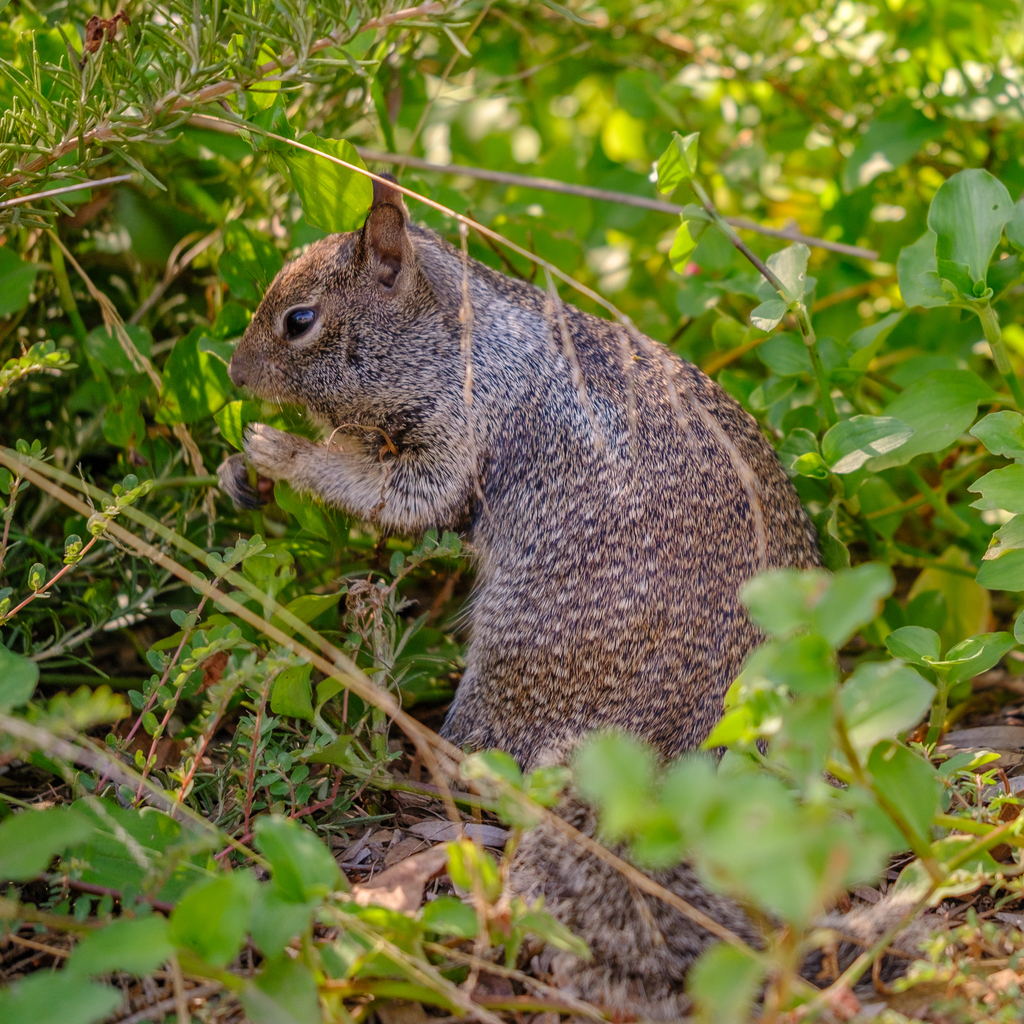
Ground squirrels can be just as destructive as rats, digging burrows that undermine foundations and eating garden plants.
If you have rat poison on hand, you might wonder if you can use it on ground squirrels too. After all, they’re both rodents that live in similar areas. So will rat poison work on ground squirrels?
Yes, rat poison will work on ground squirrels. They’re rodents like rats, and the anticoagulants in modern rat poisons affect them the same way. If ground squirrels eat rat poison, they’ll experience internal bleeding and die within several days, just like rats do.
However, using rat poison on ground squirrels is often illegal, creates serious secondary poisoning risks, and there are much better methods specifically designed for ground squirrel control.
Why Rat Poison Affects Ground Squirrels
Ground squirrels are rodents in the same biological order (Rodentia) as rats and mice. They have similar physiology and metabolic systems.
The anticoagulants in rat poison (like brodifacoum or bromadiolone) work by preventing blood from clotting. This mechanism works the same in all mammals, including ground squirrels.
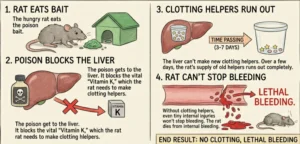
When a ground squirrel eats rat poison, its blood loses the ability to clot over several days. Internal bleeding starts, and the squirrel eventually dies from blood loss.
The delayed effect is important because a poisoned ground squirrel doesn’t necessarily become sick immediately. It may continue moving around normally for a period of time before the effects become obvious.
Will Ground Squirrels Actually Eat Rat Poison?
Ground squirrels are more likely to eat rat poison than some other rodents because of their feeding habits.
Ground squirrels are opportunistic omnivores. While they prefer seeds, nuts, and plant material, they’ll investigate and eat many types of food, including grain-based rat poison blocks.
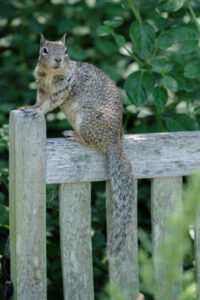
Unlike rats (which are very suspicious of new food), ground squirrels are bolder and more willing to try unfamiliar food sources. This makes them easy to bait.
Ground squirrels also spend a lot of time searching the ground for food, so anything resembling a familiar food source can attract their attention.
The Legal Issues with Poisoning Ground Squirrels
In many states, using rat poison to kill ground squirrels is illegal, even though the poison would technically work.
Rat poisons are registered (approved by the EPA) for use against specific pest species, mainly rats and mice. Using them against species they’re not registered for (like ground squirrels) violates federal pesticide law.
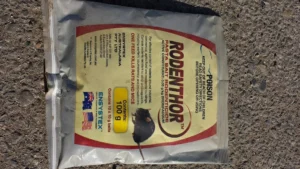
Some states have ground squirrel poisons that are specifically registered for that use. These often contain different active ingredients than rat poisons (like diphacinone at different concentrations or zinc phosphide).
The important point is that a product being capable of killing an animal doesn’t automatically make it legal to use against that animal.
Why Are There Are Squirrel-Specific Poisons?
If rat poison works on ground squirrels, why do manufacturers make separate products? The answer is legal registration and formulation differences.
Ground squirrel baits are formulated to appeal specifically to ground squirrel food preferences. They might contain nuts, grains, and flavors that ground squirrels find more attractive than rats would.
The concentration of active ingredient might also be different. Ground squirrels are larger than mice but often smaller than rats, so optimal dosing is different.
Ground squirrel poisons are also registered for specific application methods, like placing bait in burrows. Rat poisons might not be registered for this use.
The Secondary Poisoning Danger
Ground squirrels are major prey animals for many predators. Using poison on them creates massive secondary poisoning risks.
Hawks, owls, eagles, foxes, coyotes, bobcats, and even mountain lions eat ground squirrels. When they eat a poisoned squirrel, they’re also poisoned.
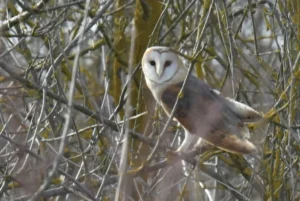
Studies show that over 70% of wild predators in areas with heavy rodenticide use have rat poison in their systems. Ground squirrel poisoning is a major contributor to this problem.
The risk doesn’t stop with large predators, either. Scavengers can also encounter poisoned squirrels after they die.
Ground Squirrels vs. Tree Squirrels
It’s important to note that ground squirrels and tree squirrels are different animals, and the legal issues are different too.
Ground squirrels (like California ground squirrels) live in burrows and are often considered agricultural pests. Some poison use against them is legal with the right products.
Tree squirrels (like gray squirrels) are protected in many states, and poisoning them is illegal regardless of what poison you use.

Make sure you know which type of squirrel you’re dealing with before you do anything.
The two groups also behave very differently. Ground squirrels spend much of their time on the ground and use burrow systems, while tree squirrels normally spend much more time climbing, nesting, and moving through trees.
That difference matters when identifying the animal because a control method that makes sense for a burrowing ground squirrel may be completely inappropriate for a tree squirrel.
Where to Place Poison for Ground Squirrels
If you decide to use poison (legal squirrel poison, not rat poison) for ground squirrels, placement is critical.
Never place poison above ground where non-target animals can access it. Birds, deer, pets, and other animals will eat it.
Poison should go inside ground squirrel burrows, at least a foot deep. This reduces access by other animals.
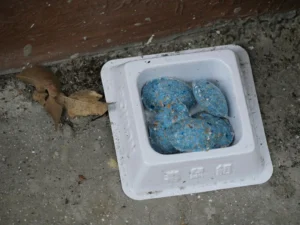
Some people use special bait stations designed for ground squirrels. These have weighted lids that ground squirrels can open but birds cannot.
Better Alternatives to Poison
Trapping is far more effective and safer than poison for ground squirrels. Conibear-style kill traps work very well when placed at burrow entrances.
Live traps (cage traps) are another option if you want to relocate squirrels instead of killing them. However, check local laws because relocating squirrels is illegal in many areas.
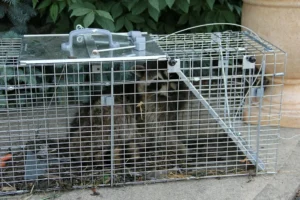
Both methods let you remove the dead or captured squirrel, preventing secondary poisoning of predators.
Trapping can also make it easier to determine whether the animals you’re dealing with really are ground squirrels. This matters because different squirrel species can have different legal protections and control rules.
Exclusion is another useful option when squirrels are damaging a particular garden, structure, or planting area. Preventing access to the part of the property being damaged can sometimes be more practical than trying to eliminate every squirrel in the surrounding area.
Fumigation for Ground Squirrels
Burrow fumigation is an effective control method that doesn’t use poison. Special smoke bombs or gas cartridges are placed in burrows and sealed.
The smoke or gas fills the burrow system, killing squirrels underground through carbon monoxide or other gases (not poison).
This method doesn’t create the same secondary poisoning risks because predators won’t eat squirrels killed by gas the way they’d eat poisoned squirrels.
However, fumigants can be extremely hazardous to people, pets, and other animals if they’re used incorrectly. They also aren’t appropriate for every location or burrow system.
For that reason, fumigation should only be considered where it is legally permitted and according to the exact product directions, or handled by a qualified professional.
Habitat Modification
Making your property less attractive to ground squirrels is the best long-term solution.
Remove brush piles, rock piles, and debris where ground squirrels might hide or nest. Keep grass mowed short so they feel exposed to predators.
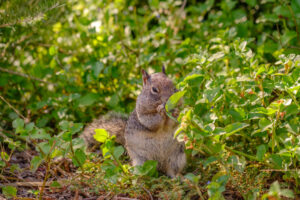
Fence off gardens and specific areas you want to protect. Buried wire mesh can prevent ground squirrels from digging under fences.
Remove food sources like fallen fruit, bird seed, and unsecured garbage. Ground squirrels that can’t find food will move elsewhere.
It’s also worth looking at why the squirrels are choosing your property in the first place. A garden with easy food, bare soil for digging, and plenty of shelter can be much more attractive than an area with fewer resources.
The Problem with Delayed Death
Like with rats, anticoagulant poisoning takes days to kill ground squirrels. During this time, poisoned squirrels continue moving around and can be eaten by predators.
This delayed death is one reason poison creates such bad secondary poisoning problems. Fresh-killed squirrels (from traps) are much less dangerous to predators than poisoned ones.
Predators evolved to eat prey animals. They didn’t evolve to handle prey full of blood-thinning chemicals.
What About Other Backyard Squirrels?
If you’re dealing with tree squirrels raiding your bird feeders, don’t even think about using rat poison. It’s illegal to poison tree squirrels in most states.
For tree squirrels, use exclusion methods like squirrel-proof bird feeders, tree guards, and physical barriers.
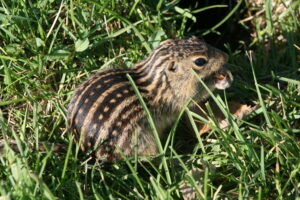
Live trapping and relocation might be legal for tree squirrels in your area (check local laws), but poison never is.
Tree squirrels can also be easier to manage by changing the way bird food is provided. A feeder that prevents squirrels from reaching the food, combined with regular cleanup underneath it, can reduce the attraction without targeting the squirrels themselves.
Signs Ground Squirrels Have Eaten Poison
If ground squirrels have eaten poison (whether rat poison or squirrel-specific poison), you’ll see certain signs.
Squirrel activity will decrease over several days as poisoned individuals become sick. You’ll see fewer squirrels running around.
You might find dead squirrels near burrow entrances or in open areas. Poisoned animals often become disoriented and wander into exposed locations.
Predator activity might increase as hawks and other animals find and eat the sick or dead squirrels.
What to Do If Pets Eat Poisoned Squirrels
If your dog or cat catches and eats a ground squirrel that might have eaten poison, get to a vet immediately.
Anticoagulant poisoning can be reversed with vitamin K treatment, but timing matters. The sooner treatment starts, the better the outcome.
Bring the poison package with you if you know what was used. The vet needs to know what anticoagulant they’re dealing with to determine the treatment protocol.
If you don’t know exactly what the squirrel ate, tell the veterinarian that a poisoned or potentially poisoned animal was involved. Different rodenticides require different approaches, so identifying the active ingredient can be very important.
Don’t wait for your pet to start looking sick before getting professional advice. Some rodenticides have delayed effects, which means a pet can appear normal shortly after exposure.
What If You Find a Dead Ground Squirrel?
If you find a dead ground squirrel and suspect it may have been poisoned, keep pets and children away from it.
Don’t assume that a dead squirrel is safe to handle simply because the animal itself is no longer alive. If poisoning is suspected, avoid unnecessary contact and follow local guidance for disposal.
If you know that rodenticide has been used nearby, tell the appropriate professional or veterinarian about the possible exposure.
A dead squirrel can also attract predators and scavengers, so leaving a suspected poisoned carcass where other animals can reach it can create another exposure risk.
Conclusion
Rat poison will definitely work on ground squirrels because they’re rodents with similar physiology to rats. If they eat it, they’ll die from internal bleeding just like rats do.
However, using rat poison on ground squirrels is often illegal and creates huge secondary poisoning risks for the hawks, owls, and other predators that eat ground squirrels.
If you need to control ground squirrels, use traps, fumigation, or ground-squirrel-specific poisons that are actually registered for that use. These methods are more effective, safer, and legal.

Hi, my name is Ezra Mushala, i have been interested animals all my life. I am the main author and editor here at snakeinformer.com.