
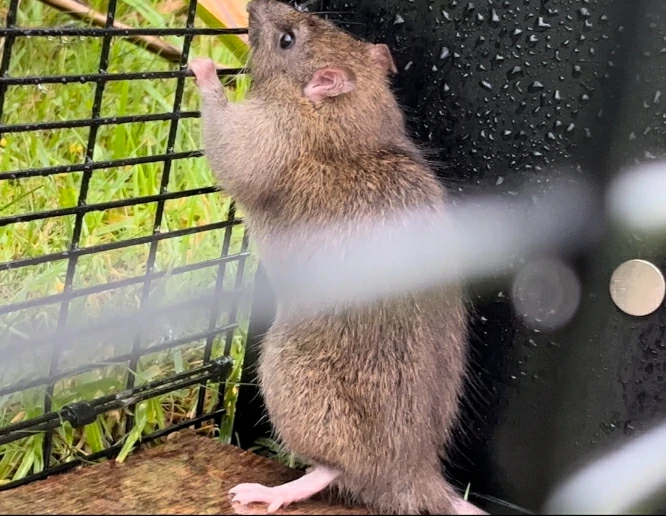
Setting a trap is only half the job. If a rat never comes close enough to trigger it, the trap itself doesn’t matter much. So what actually pulls a rat toward a trap instead of away from it?
Rats are drawn to traps mainly through smell, especially strong, high-calorie food scents like peanut butter, bacon, and dried fruit. Trap placement along walls and paths rats already use matters just as much as the bait itself, since rats rely on both scent and habit to decide where to go.
Getting a rat to actually approach a trap comes down to two things working together: the right scent to pull them in, and a location they’re already inclined to travel through. Get both right, and trapping gets a lot faster.
Why Smell Is the Main Way to Attract a Rat
Rats experience the world through their nose more than any other sense. Their sense of smell is dramatically sharper than a human’s, with around 1,200 different smell receptor genes compared to roughly 800 in dogs.
This means a food scent that seems mild to you can be an overwhelming signal to a rat, especially one that’s hungry and actively foraging.

A strong, familiar smell is often the single biggest factor in whether a rat investigates a trap at all.
Rats also use smell to judge safety, not just food. If an area smells heavily of humans, cleaning chemicals, or unfamiliar scents, a rat may avoid it even if there’s good bait sitting right there.
This is part of why pest professionals recommend wearing gloves when setting traps.
Reducing unfamiliar human scent on the trap itself makes it feel like a more natural part of the environment, rather than something foreign a rat should avoid.
The Best Baits for Actually Pulling Rats In
Peanut butter remains the most common recommendation for a simple reason: it works. Its strong, oily smell travels well, and its sticky texture means a rat can’t just grab a piece and run without triggering the trap.
Bacon and other fatty, high protein meats work exceptionally well too, especially in cooler weather when rats are seeking calorie-dense food to stay warm. The strong smell of cooked bacon can pull a rat in from a genuinely impressive distance for such a small animal.
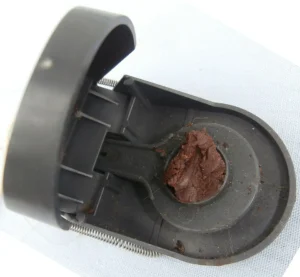
Dark chocolate and chocolate hazelnut spread are less commonly mentioned, but several pest professionals rate them just as highly as peanut butter, sometimes even higher. The combination of sweetness and strong aroma seems to be especially hard for rats to ignore.
Dried fruit, nuts, and seeds work well too, tapping into a rat’s natural foraging instincts. These options are especially useful outdoors or in garages, where rats may already be used to finding this kind of food scattered around.
Interestingly, real scientific testing backs up the idea that you can do even better than peanut butter.
A study published in Applied Animal Behaviour Science tested specially engineered food baits, built around the specific scents rats and mice are drawn to, against peanut butter and several commercial baits in paired trap experiments.
The results were striking. The engineered rat bait caught over three times more brown rats than peanut butter did in the same testing conditions.
That’s a real, measured difference, not just an opinion from one exterminator.
For most homeowners, though, peanut butter remains the easiest and most practical option, since it’s cheap, already in most kitchens, and reliable enough for typical household infestations.
Why Fresh Bait Matters More Than People Think
A detail that’s easy to overlook is that bait needs to actually smell strong to work, and old, dried out bait loses its pull fast.
Pest control professionals who use peanut butter as a daily tool often stress that it has to be fresh. Rats can tell the difference, and stale bait with a weaker scent simply won’t draw them in the way fresh bait will.
If you’ve had a trap sitting baited for a week or two with no results, it’s worth refreshing the bait entirely rather than assuming the location or trap type is the problem.
A dried out smear of peanut butter just isn’t sending the same signal it was on day one.
Weather plays a role here too, more than you might expect.
Heat speeds up how fast a scent breaks down and dries out, so if you’re baiting traps outdoors or in a garage during summer, you’ll likely need to refresh bait more often than you would indoors during winter.
You can extend how long bait stays effective by choosing something naturally less prone to drying out. Bacon and other fatty meats hold their scent a bit longer than peanut butter alone, since the fat content slows down evaporation.
Combining Scents Can Work Better Than One Alone
Since different rats can have slightly different preferences, combining a couple of baits together sometimes outperforms using just one.
A popular approach is peanut butter mixed with small pieces of bacon, which gives you both a sweet, oily smell and a strong meaty one at the same time.
Another common combination is peanut butter with raisins or other dried fruit pressed into it, adding a fruity, sugary note on top of the nutty base scent.
The idea behind combining scents is simple. You’re covering more bases at once, so even if one rat isn’t especially drawn to peanut butter alone, the added smell of bacon or fruit might be what actually gets its attention.
Just remember to keep the total amount small. A pile of mixed bait can let a rat nibble bits from multiple angles without ever setting off the trigger, which defeats the purpose entirely.
Using Nesting Material as a Different Kind of Lure
Food isn’t the only thing that pulls a rat toward a trap. Nesting material can be just as effective, especially for a rat that’s more focused on shelter than food at that particular moment.

Cotton balls, shredded paper, and soft fabric scraps tap into a rat’s instinct to build a warm, secure nest. This can work especially well in colder months, or in areas like attics and wall voids where rats are more likely searching for shelter than an easy meal.
This approach is also useful as a backup option if food bait doesn’t seem to be working. A rat that’s ignoring peanut butter entirely might still be drawn toward material it can use to build a nest.
How Do Rats Leave Scent Trails for Each Other?
One detail that surprises a lot of people is that rats don’t just react to bait, they also react to each other’s scent trails.
When a rat finds a reliable food source or a safe path, it tends to leave a trail of urine and glandular scent behind as it travels. Other rats can pick up on this trail and follow it directly to the same spot.
This is actually useful information if you’re trying to attract rats to a trap. An area with a lot of existing rat activity, marked by grease trails along the wall or a strong ammonia-like smell, is already primed with scent cues other rats are likely to follow.
Placing a trap directly along one of these paths gives you a real advantage. You’re not asking a rat to investigate something totally foreign, you’re placing your trap right where its own instincts are already leading it.
How Water and Thirst Can Attract Rats Too
Food and shelter tend to get all the attention, but water is a real draw for rats too, especially in dry climates or during hot weather.
Rats need regular access to water to survive. In a drought or during a heat wave, a reliable water source can pull rats in just as strongly as food.

If you’ve noticed rat activity near a leaky pipe, a pet’s water bowl, or a damp basement, that’s likely part of the attraction, not just a coincidence.
You probably won’t use water directly as bait, since it doesn’t stick to a trigger the way peanut butter does. But knowing this can help you understand why rats are gathering in a specific spot, which in turn tells you exactly where a trap is likely to get used.
If you can, fix leaks and remove standing water near your home. This won’t attract rats to a trap on its own, but it does make the areas near your trap comparatively more appealing once the competing water source is gone.
What Rat Behavior Tells You About Where to Focus
Watching how rats actually move through a space can tell you a lot about where your trap efforts will pay off best.
You’ll rarely spot a rat crossing an open room in a straight line. Instead, you’ll notice they hug edges, duck under furniture, and stick close to walls almost the entire way, only crossing open space when they have no other choice.
This tells you two things. First, your trap belongs wherever that wall-hugging path naturally passes through. Second, any open, exposed area in your home is a low priority spot, no matter how good your bait smells, since a rat’s instinct to avoid exposure will often override even strong hunger.
If you pay attention over a few days, you’ll likely start noticing a pattern yourself, the same corner, the same gap under a cabinet, the same stretch of baseboard. That pattern is worth far more than guesswork when it comes to deciding where to place your next trap.
Even the best smelling bait won’t do much if the trap itself is sitting somewhere a rat has no reason to go.
Rats travel along the edges of rooms, following walls, pipes, and other continuous surfaces rather than crossing open floor space. This isn’t a preference so much as a survival habit, since hugging a wall keeps a rat’s body partially hidden and close to an escape route.
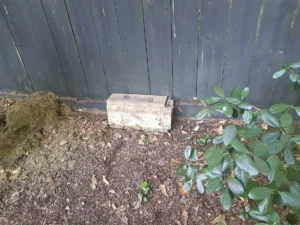
The best spot for a trap is almost always longways against a wall, positioned right where you’ve already noticed droppings, gnaw marks, or grease smudges.
These are the paths a rat is already using, which means your bait doesn’t have to work as hard to pull it off its usual route.
Placing a trap out in the open, even with strong bait, often gets ignored entirely, since it goes against a rat’s basic instinct to avoid exposed spaces.
Getting Past a Rat’s Natural Caution
Rats are naturally wary of new objects, a trait called neophobia. Even with great bait, a rat may avoid a brand new trap for several days simply because it wasn’t there before.

Pre-baiting helps overcome this. Leave the trap unset with bait on it for a few days, letting rats feed freely and get comfortable with its presence before you actually arm it.
This step matters more than most people expect. A rat that’s already eaten from a trap several times without any consequence is far more likely to approach it confidently once it’s finally set, compared to a rat encountering the exact same trap for the first time.
Removing Competing Food Sources
If there’s easier food available somewhere else, even great bait struggles to compete. Rats will always gravitate toward the lowest effort option, so cleaning up competing food sources makes your trap bait stand out much more.
Store pet food, dry goods, and anything else edible in sealed containers rather than bags or boxes rats can chew through. Clean up crumbs, spills, and food waste quickly, and keep trash in containers with tight fitting lids.
Outdoors, this also means picking up fallen fruit, securing compost, and keeping bird feeders from spilling excess seed onto the ground. Every reduction in easy food makes your baited trap a more appealing option by comparison.
Seasonal Differences in What Attracts Rats
What pulls a rat toward a trap can shift a bit depending on the time of year, since their nutritional needs change with the seasons.
In colder months, high fat and high protein foods like bacon or peanut butter tend to work especially well, since rats are seeking calorie-dense food to maintain body heat.
This is also when nesting material becomes a stronger lure, as rats look for warm, sheltered spots to wait out the cold.
In warmer months, rats may already have easier access to food outdoors, from gardens, fallen fruit, or unsecured trash. This is when removing competing food sources becomes even more important, since your trap bait is competing against a much wider range of natural options.
Comparing Common Rat Bait Options
Since there are a lot of choices out there, it helps to see how the most common bait options actually compare.
| Bait Type | Strength | Best Season | Notes |
|---|---|---|---|
| Peanut butter | Strong, sticky | Year-round | Easiest and most reliable overall choice |
| Bacon | Very strong | Cold weather | Excellent for high-fat seasonal appeal |
| Dark chocolate | Strong, sweet | Year-round | Rated highly by several pest professionals |
| Dried fruit/nuts | Moderate | Year-round | Good outdoors, taps into foraging instinct |
| Nesting material | No scent, tactile | Cold weather | Best when shelter matters more than food |
Looking at this side by side, peanut butter remains the most practical everyday choice, while bacon and nesting material become more useful specifically in colder months when a rat’s priorities shift toward staying warm.
Mistakes That Actually Repel Rats Instead of Attracting Them
A few common habits work against you without most people realizing it.
Using too much bait lets a rat nibble without triggering the trap, so it gets a free meal and no consequence. A small amount, about the size of a pea, is plenty to draw interest without giving away a full snack.
Placing bait without securing it to the trigger is another common issue. Bait that’s just resting nearby, rather than pressed onto the trigger plate itself, is far too easy for a rat to eat without ever setting off the trap.
Touching the trap heavily with bare hands can also work against you, since strong human scent may make a naturally cautious rat hesitate. Wearing gloves helps the trap feel like a more neutral, natural part of its environment.
Conclusion
Attracting a rat to a trap really comes down to speaking its language, which for a rat means scent and habit far more than sight.
Strong, fresh, high-calorie bait like peanut butter, bacon, or dark chocolate gives you the best odds, especially when it’s secured firmly to the trigger and refreshed regularly.
Just as important is where you place that bait. A trap sitting along a wall, right on a path rats are already using, will always outperform the exact same trap sitting out in the open.
Combine strong bait with smart placement, a bit of patience for pre-baiting, and fewer competing food sources nearby, and you’ll give every trap you set a real shot at actually working.

Hi, my name is Ezra Mushala, i have been interested animals all my life. I am the main author and editor here at snakeinformer.com.