
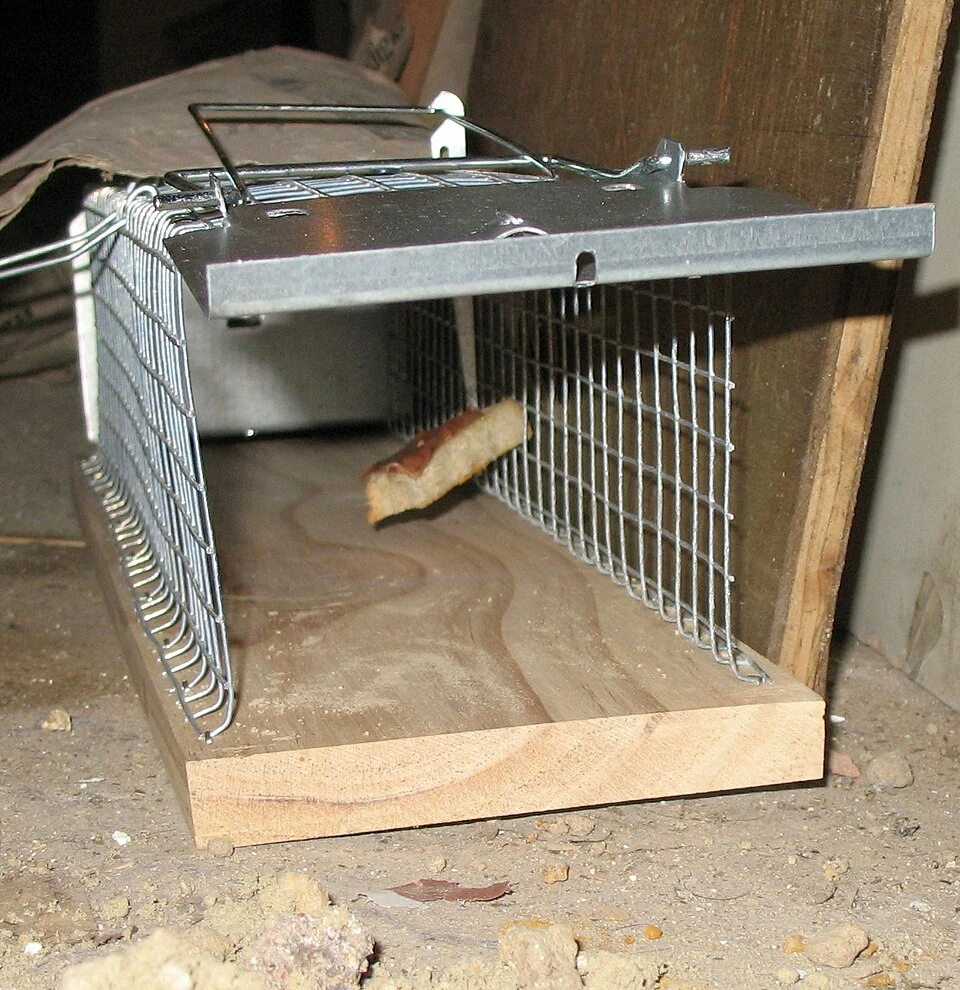
Live traps seem like the perfect solution if you want to catch rats without killing them. The rat walks in to get the bait, the door closes behind it, and then you can release it somewhere far from your home. Simple, humane, and effective, right?
Not always. Can a rat actually escape from a live trap?
Yes, a rat can escape a live trap if the trap is made of weak materials the rat can chew through, if the door mechanism fails, if there are gaps in the wire mesh, or if the trap isn’t checked frequently enough. Rats have powerful teeth and can gnaw through plastic and thin metal given enough time.
Live traps only work if they’re well-built and properly maintained. Cheap traps or traps left unchecked for too long give rats plenty of opportunities to escape.
Understanding how rats escape can help you use live traps more effectively.
How Live Traps Are Supposed to Work
A live trap is basically a cage or box with a door that closes when the rat enters. Most designs use a trigger plate inside the trap.
When the rat steps on the plate or pulls at the bait, it releases the door mechanism and the door swings or drops shut.
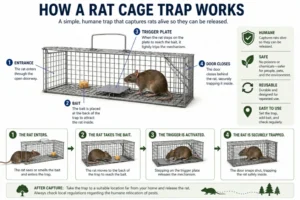
The rat is now trapped inside until you come along to deal with it. The whole point is that the rat stays alive and unharmed, just confined.
You can then take the trap outside and release the rat far from your home.
For this to work, the trap needs to be escape-proof. The door needs to close completely and stay closed. The walls need to be strong enough that the rat can’t break through. And there can’t be any gaps big enough for the rat to squeeze through.
When any part of this fails, the rat finds a way out.
Rats Can Chew Through Many Materials
The biggest problem with live traps is that rats have incredibly powerful teeth. Their front incisors never stop growing, so they’re constantly gnawing on things to keep them worn down.
This means rats can chew through materials that seem way too hard to gnaw.
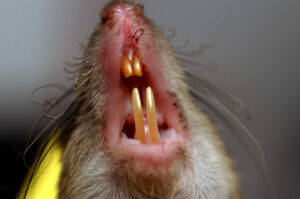
Plastic live traps are especially vulnerable. A determined rat can chew through thin or medium-thickness plastic in just a few hours. You might check your trap in the morning and find a rat-sized hole gnawed in the side or corner.
Even wood isn’t safe. Rats can chew through plywood, particle board, and even some softwoods like pine. If your live trap has any wooden components, those are potential escape routes.
Thin sheet metal like aluminum can also be gnawed through, though it takes longer than plastic or wood. Only thick, heavy-gauge steel or galvanized wire mesh is really rat-proof.
This is why professional-grade live traps are almost always made of heavy steel wire. The cheap plastic traps from discount stores might work for mice, but they often fail with rats.
Wire Mesh Needs to Be the Right Size
Many live traps are made of wire mesh in a cage design. This works well if the mesh is the right size, but if the gaps in the wire are too large, rats can squeeze through.
Rats have flexible skeletons and can compress their bodies through surprisingly small openings. If a rat can fit its head through a gap, it can usually get its whole body through. This means the wire mesh needs to have gaps smaller than about half an inch.
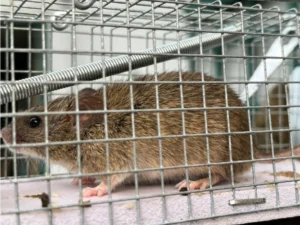
Some traps use wider mesh to save money on materials, but this creates escape opportunities. A young rat or a very determined adult might be able to squeeze through gaps that look too small.
Even with properly sized mesh, you need to check for weak spots. If any of the wire connections are poorly welded or bent, rats might be able to force those wires apart and create a bigger gap.
Look for traps with mesh that’s no more than a quarter to half inch square. Smaller is better when it comes to preventing escapes.
Door Mechanisms Can Fail
The door is the most common failure point on a live trap. If the door doesn’t close completely, if it can be pushed open from inside, or if the latch doesn’t work properly, the rat can escape.
Some cheap traps have doors that close but don’t latch securely. The rat can push against the door from inside and eventually force it back open. This is especially true if the spring or weight mechanism that holds the door closed isn’t strong enough.
The trigger mechanism can also fail. If it’s too stiff or gets jammed, the door might not close at all when the rat enters. You’ll find the bait gone and no rat, with the door still standing open.
Rust and wear can make these problems worse over time. If you’ve been using the same live trap for months or years, the moving parts might not work as smoothly as they did when new. The springs get weak, hinges get stiff, and latches get bent.
Testing your trap before you set it is important. Trigger it by hand a few times to make sure the door closes quickly and completely, and that it stays closed when you try to push it open.
Gaps Around the Door Allow Escape
Even when the door closes properly, there might be gaps between the closed door and the trap frame. If these gaps are large enough, a rat can squeeze through them to escape.
This is especially common in cheap traps where manufacturing tolerances aren’t very tight. The door might be slightly warped or bent, or the frame might not be perfectly square. Either way, you end up with gaps.
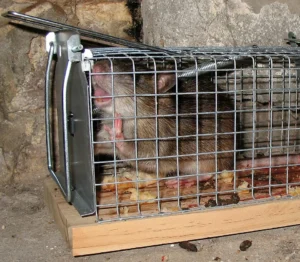
A gap of just half an inch or so might be enough for a determined rat to work its way through. Rats are patient and persistent. If there’s a possible escape route, they’ll work at it until they succeed.
You can sometimes fix this by bending the door or frame to reduce the gap, but this isn’t always possible depending on the trap design. With some traps, once the gaps exist, there’s no good way to close them.
High-quality traps have doors that fit snugly against gaskets or frames with no gaps at all. If you’re buying a live trap, check how the door fits when closed. There shouldn’t be any visible light showing through around the edges.
Rats Panic and Thrash Around
When a rat first realizes it’s trapped, it doesn’t just sit there calmly waiting to be released. It panics and thrashes around violently, throwing itself against the walls and door of the trap.
This panicked thrashing can sometimes break weak traps. Plastic traps might crack. Wire joints might separate. Door mechanisms might get bent or broken. The rat might injure itself in the process, but it also might damage the trap enough to create an escape route.
Even metal traps can suffer damage from a panicking rat if they’re not built solidly. The constant impact and vibration can loosen joints or bend wires over time.
This is one reason you should check live traps frequently. The longer a rat is trapped, the more time it has to panic and potentially damage the trap. Checking every few hours is ideal if you’re actively trapping.
Temperature and Weather Affect Trap Materials
If you’re using live traps outside or in unheated spaces like garages or attics, temperature changes can affect how well the trap works. Plastic becomes more brittle in cold weather and can crack more easily when the rat thrashes around.
Metal can rust faster in humid or wet conditions. Rust weakens the metal and can create rough edges that rats can work at with their teeth. It can also make moving parts like doors and latches work poorly.
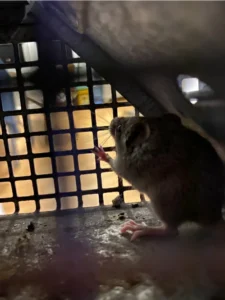
Extreme heat can warp plastic traps or soften adhesives that hold parts together. A trap that worked fine in your climate-controlled home might fail when exposed to summer heat in an attic.
If you’re using live traps in challenging environmental conditions, you need to check them even more frequently and replace them more often.
How Long Before a Rat Escapes?
How long it takes a rat to escape depends on what it’s escaping from and how determined it is. A rat working on a plastic trap might chew through in 2 to 6 hours. A trap with a faulty door might be escaped from in minutes.
Wire mesh on a well-built trap could hold a rat indefinitely if the wire is heavy enough and properly constructed. But if there’s any weak point at all, a motivated rat will find it within a day or two at most.
This is why you can’t just set a live trap and check it once a week. You need to check at least once or twice a day, preferably more often.
Not only does this reduce the chance of escape, it’s also more humane because the rat isn’t trapped for long periods without food or water.
A rat that’s been trapped for more than 24 hours without water is in serious distress and will be extra desperate to escape. Desperation makes rats more aggressive in their escape attempts.
Signs That a Rat Has Escaped
The most obvious sign is finding an empty trap with gnaw marks on it. Fresh gnaw marks are light colored (the exposed material hasn’t darkened yet) and have sharp edges. This tells you the rat was recently working on the trap.
You might also find the trap moved from where you placed it. A rat thrashing around inside can actually scoot a lightweight trap across a floor. If your trap is several feet from where you left it, something was definitely inside struggling.

Fur or droppings inside the trap confirm a rat was caught, even if it’s now gone. Rats will usually poop when they’re stressed, so finding fresh droppings is a clear sign.
If you find any holes gnawed in the trap, that’s definitive proof of escape. Measure the hole. If it’s bigger than about an inch in diameter, even a large rat could have squeezed through it.
Preventing Escapes With Better Trap Selection
The best way to prevent escapes is to buy a high-quality trap in the first place. Look for traps made of heavy-gauge galvanized steel wire or thick metal. Avoid plastic traps unless they’re specifically rated for rats (not just mice) and made of very thick, durable plastic.
Check reviews before buying. Other people who’ve used the trap will often mention if rats were able to escape. Look specifically for complaints about chewing through the trap or pushing doors open.
Professional pest control supply companies sell commercial-grade live traps that are much more durable than what you’ll find in regular hardware stores. These cost more but are worth it if you’re serious about catching rats without kills.
Some brands known for making good live traps include Havahart, Tomahawk, and JT Eaton. These aren’t the only good options, but they’re a starting point for research.
Checking and Maintaining Your Traps
Even the best trap needs regular maintenance. Inspect your traps regularly for damage, especially around door mechanisms and any welded joints. Fix or replace traps that show signs of wear before they fail completely.
Clean traps between uses. Dried blood, urine, and feces can corrode metal over time. A quick wash with soap and water keeps traps in better condition.

Lubricate moving parts like hinges and door mechanisms if they start to get stiff. A drop of oil on the right spot can make the difference between a door that closes reliably and one that gets stuck partway.
Don’t keep using a trap that’s been chewed on or damaged. Once a trap has been compromised, it’s only going to get worse. Replace it before you lose another rat.
Multiple Traps Increase Success Rates
Don’t rely on just one live trap if you know you have multiple rats. Set out several traps in different locations. This increases your chances of catching rats and reduces the pressure on any single trap.
If one trap fails or a rat escapes from it, you still have other traps working. You’re not putting all your eggs in one basket.
Multiple traps also let you compare results. If rats keep escaping from one particular trap but not others, you know that specific trap is the problem, not your trapping technique.
Just remember that more traps means more maintenance. You need to check and maintain all of them regularly.
What to Do With Trapped Rats
Once you’ve caught a rat, you need to deal with it quickly. The longer you wait, the more likely it will escape. Don’t leave a trapped rat overnight thinking you’ll deal with it in the morning.
If you’re planning to release the rat, take it at least 2 to 3 miles from your home. Rats have good homing instincts and can find their way back if released too close. Just make sure releasing rats is legal in your area. Some places prohibit it.
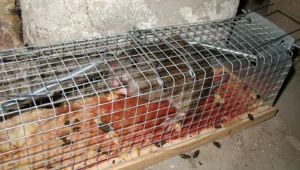
When transporting the trap, cover it with a cloth or tarp to keep the rat calm. A calm rat is less likely to thrash around and damage the trap or injure itself.
If you’re not releasing the rat, you’ll need to euthanize it humanely. This is unpleasant but sometimes necessary. Some people fill a large container with water and submerge the entire trap, which drowns the rat relatively quickly. Others prefer to call animal control for assistance.
When Live Traps Aren’t the Right Choice
If you keep having problems with rats escaping live traps, it might mean live traps just aren’t the right tool for your situation. Maybe the rats in your area are particularly large and strong. Maybe you can’t check traps frequently enough.
In those cases, consider other options. Snap traps kill quickly and humanely when they work properly, and dead rats obviously can’t escape. Electronic traps are similarly effective.
If you’re trying to use live traps because you don’t want to kill the rats, remember that escaped rats often become trap-shy and harder to catch with any method. Sometimes a quick kill is more humane than repeated failed attempts to trap the rat alive.
There’s no shame in switching methods if what you’re doing isn’t working. The goal is to solve your rat problem effectively, not to stick with one method that keeps failing.
Conclusion
Rats can and do escape from live traps, especially cheap traps or traps that aren’t checked frequently. They chew through plastic and thin metal, squeeze through gaps in wire mesh, and force open poorly designed doors.
To prevent escapes, invest in high-quality traps made of heavy-gauge steel wire with properly sized mesh and reliable door mechanisms. Check your traps at least twice a day, and deal with caught rats immediately rather than leaving them trapped for long periods.
If rats keep escaping despite your best efforts, it might be time to try a different trapping method or call in professional help. Live traps can work well, but only if you’re using the right equipment and checking it frequently enough to prevent escapes.

Hi, my name is Ezra Mushala, i have been interested animals all my life. I am the main author and editor here at snakeinformer.com.