
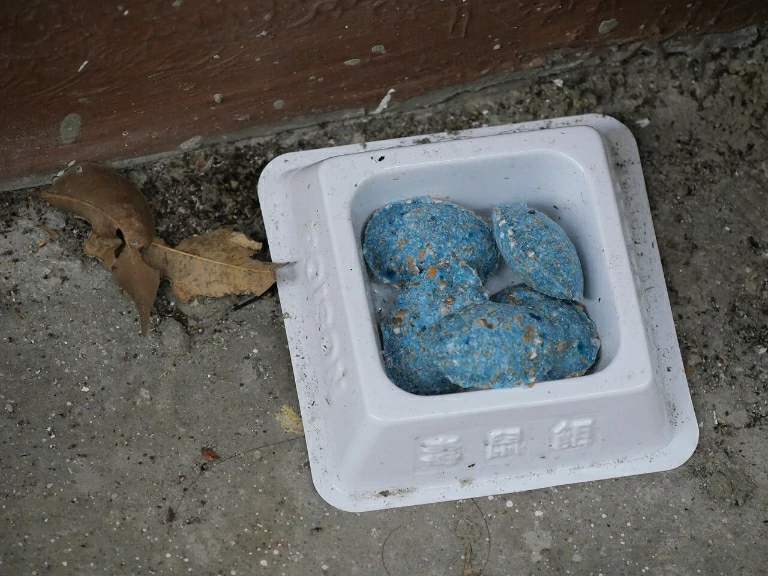
You’re cleaning out your garage and you find an old box of rat poison. It’s been there for years, maybe since you moved in. Is it still good, or has it expired? What happens when rat poison expires, and is it safe to use?
When rat poison expires, the active ingredient breaks down and becomes less effective. The poison might not kill rats anymore, or it might take longer to work. Expired poison can also develop mold, go rancid, or change texture. The bait becomes less attractive to rats. Most rat poisons have a shelf life of 1 to 3 years if stored properly. Using expired poison is wasteful and can lead to bait shyness if rats eat it but don’t die.
Old rat poison doesn’t become more dangerous to people or pets when it expires. It just stops working as well at killing rats.
How to Tell If Rat Poison Has Expired
Most rat poison packages have a manufacturing date or an expiration date printed on them. Check the box or label.
If there’s no date, you can look for signs that the poison has gone bad.
Check the texture. Fresh rat poison blocks are firm but not rock-hard. If the blocks have become crumbly, powdery, or have completely fallen apart, they’re probably old.
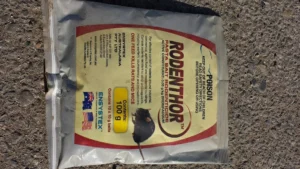
Look for mold. If you see white, green, or black fuzzy growth on the poison, it’s definitely gone bad. Don’t use moldy poison.
Smell it. Rat poison usually has a faint grain smell or no smell at all. If it smells rancid, sour, or like mold, it’s bad.
Check the color. While rat poison is dyed bright colors, extreme fading can indicate the poison is old and degraded. If blue poison has turned grayish or green poison looks yellowish-brown, it’s probably expired.
Look at the packaging. If the box is water-damaged, crushed, or falling apart, the poison inside has probably been exposed to moisture and temperature changes that degraded it.
If you have any doubt, throw it out and buy fresh poison. The cost of new poison is worth it compared to wasting time with ineffective bait.
What Causes Rat Poison to Expire?
Several factors cause rat poison to break down over time.
Heat is a big one. High temperatures can break down the active ingredients in rat poison. If the poison was stored in a hot garage or shed, it might expire faster than the label says.
Sunlight and UV exposure also degrade rat poison. The active ingredients are sensitive to light. Even indirect sunlight over months or years can break down the poison.
Moisture is another major factor. If the poison gets wet, it can develop mold. Moisture also causes the bait to break down physically.
Oxygen exposure can oxidize some ingredients. This is why rat poison should be kept in its original sealed package until you’re ready to use it.
Time itself is a factor. Even under perfect storage conditions, chemical compounds break down eventually. This is just the nature of chemistry.
Bacterial and fungal activity can happen if the poison gets wet or is stored in humid conditions. The food ingredients in rat poison (grains, oils) can spoil just like any food.
All these factors combined determine how long rat poison stays effective.
Shelf Life of Different Types of Rat Poison
Different active ingredients have different shelf lives.
| Type of Rat Poison | Common Active Ingredients | Approximate Shelf Life |
|---|---|---|
| Anticoagulants | Bromadiolone, brodifacoum, diphacinone | 2–3 years |
| Bromethalin | Bromethalin | 2–3 years |
| Cholecalciferol | Vitamin D3 | 1–2 years |
| Zinc phosphide | Zinc phosphide | About 1 year |
| Blocks and pellets | Various active ingredients | Usually longer-lasting |
| Loose meal or grain bait | Various active ingredients | Usually shorter-lasting |
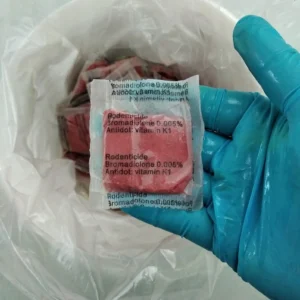
Anticoagulant rat poisons like bromadiolone, brodifacoum, and diphacinone usually have a shelf life of 2 to 3 years. These are pretty stable compounds if stored correctly.
Bromethalin rat poison has a similar shelf life, about 2 to 3 years. It’s reasonably stable in storage.
Cholecalciferol (vitamin D3) rat poison might have a slightly shorter shelf life, maybe 1 to 2 years. Vitamin D3 can break down when exposed to heat and light.
Zinc phosphide, an older type of rat poison, has a shelf life of about 1 year. It’s less stable than anticoagulants.
The form of the poison also matters. Blocks and pellets usually last longer than loose meal or grain bait because they’re more protected from air and moisture.
These are general guidelines. Always check the specific product label for the manufacturer’s shelf life recommendation.
How Expired Poison Affects Rats
If a rat eats expired poison, several things can happen.
If the poison is only slightly expired and the active ingredient is still mostly intact, it might still kill the rat. But it could take longer than with fresh poison.
If the poison is significantly degraded, the rat might eat it and not get a lethal dose. The rat could get sick but recover.
This is a problem because the rat now associates that bait with feeling bad. The rat will avoid that type of bait in the future. This is called bait shyness.
Other rats in the area might also become bait shy if they see the first rat get sick but not die.
If the poison has gone completely bad, the rat might not eat it at all. Old poison that’s moldy or rancid doesn’t smell or taste good to rats.
Using expired poison wastes your time and money. You think you’re solving the rat problem, but you’re actually just feeding rats snacks and making them harder to poison in the future.
Storage Conditions That Extend Shelf Life
Proper storage can help rat poison last closer to its full shelf life.
Store rat poison in a cool, dry place. A temperature-controlled indoor closet or cabinet is ideal. Avoid garages, sheds, or outdoor storage unless they’re climate-controlled.
Keep the poison in its original sealed package until you’re ready to use it. The packaging is designed to protect the poison from air, light, and moisture.
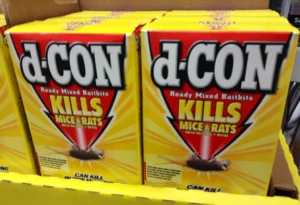
Once you’ve opened the package, reseal it as tightly as possible. Some people put the opened package inside a plastic bag with a zipper seal for extra protection.
Keep poison away from direct sunlight and heat sources. Don’t store it near a water heater, furnace, or sunny window.
Elevate the poison off the floor if you’re storing it in a basement or garage. Concrete floors can be damp, and moisture can wick up into the poison package.
Store poison in a locked cabinet if you have children or pets. This is both a safety measure and helps maintain stable storage conditions.
Can You Still Use Slightly Expired Poison?
If rat poison is only a few months past its expiration date and has been stored well, it might still work.
Check the poison carefully. If it looks, smells, and feels normal, it’s probably okay to use.
Be aware that it might not be as effective. You might need to use more of it or leave it out longer.
Monitor your bait stations more carefully. If the rats are eating it but not dying, the poison has degraded too much.
For safety reasons, expired poison isn’t more dangerous to pets or people. The active ingredient breaks down, which makes it less toxic, not more.
However, if the poison is a year or more past expiration, or if it shows signs of degradation (mold, rancid smell, crumbling), don’t use it. Throw it out and buy fresh.
The cost of new poison is small compared to the time you’ll waste using ineffective bait.
What to Do with Expired Rat Poison
You can’t just throw expired rat poison in the regular trash. It needs to be disposed of properly.
Check the label for disposal instructions. Most rat poison labels have specific directions for getting rid of unused product.
Many areas have household hazardous waste collection days. You can drop off old pesticides and poisons at these events.
Call your local waste management department or check their website. They can tell you the rules for disposing of pesticides in your area.
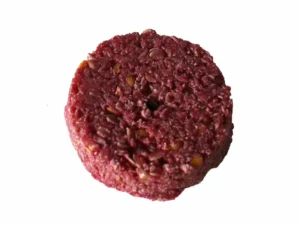
Some labels say you can wrap the poison in newspaper, put it in a sealed plastic bag, and throw it in the trash. But check local regulations first. Some areas don’t allow this.
Never pour rat poison down the drain, toilet, or sink. This contaminates water.
Never burn rat poison. It can release toxic fumes.
Don’t just leave expired poison sitting in your garage forever. Get rid of it properly so it’s not a hazard.
Signs Your Rat Poison Is Still Good
If you’re not sure whether your rat poison is still effective, look for these good signs.
- The package is intact and not water-damaged. The poison was stored in a cool, dry place.
- The blocks or pellets are firm and intact, not crumbling or falling apart.
- There’s no mold, no rancid smell, and the color is still bright and vibrant.
- The poison is within its shelf life based on the date on the package.
- When you put it out, rats eat it readily. If rats are eating the bait and dying within the expected timeframe, it’s still good.
If all these things check out, your poison is probably still effective even if it’s been sitting for a while.
Does Expired Poison Lose Its Color?
The bright blue, green, or red color of rat poison can fade over time. This doesn’t necessarily mean the poison has expired, but it’s often a sign of aging.
UV light from sunlight causes the dye to fade. If poison was stored in a clear container near a window, the color might fade significantly.
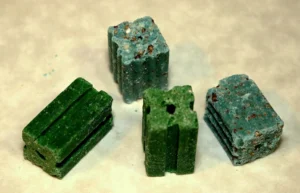
Heat can also cause some color fading. The dye itself is pretty stable, but extreme heat can affect it.
If the color is slightly faded but the poison is otherwise in good condition and within its shelf life, it’s probably still okay to use.
But if the color has faded drastically (like from bright blue to pale gray), that’s a sign the poison has been exposed to conditions that might have also degraded the active ingredient.
Rats don’t care about the color. The dye is for human safety, not for attracting rats. So faded color doesn’t make the poison less attractive to rats.
However, faded color makes it harder for you to spot the poison if it spills or if a pet gets into it. That’s a safety concern.
Temperature Extremes and Poison Effectiveness
Extreme temperatures, both hot and cold, can affect rat poison.
High heat is worse than cold. If rat poison is stored in a hot shed or garage where temperatures reach 100°F or more, the active ingredient can break down faster.
Heat also causes the wax in poison blocks to soften or even melt. If the blocks melt and re-solidify, they might not hold together well anymore.
Cold temperatures are less of a problem. Rat poison can freeze and thaw without major issues. But repeated freeze-thaw cycles can cause moisture to condense inside the package, which can lead to mold.
Extreme temperature swings are bad. Going from hot to cold and back causes expansion and contraction that can break down the poison’s structure.
For best results, store rat poison at room temperature or slightly cooler. Avoid any storage location with extreme temperatures.
How Manufacturers Determine Shelf Life
Rat poison manufacturers use stability testing to determine how long their products stay effective.
They store samples of the poison under various conditions (room temperature, high heat, cold, etc.) and test them at regular intervals.
They measure how much of the active ingredient is still present after 6 months, 1 year, 2 years, etc.
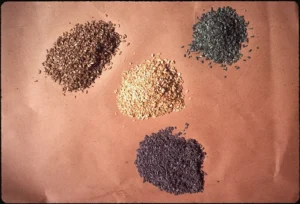
When the active ingredient drops below a certain percentage (usually 90% of the original amount), they consider the poison expired.
They also test for physical changes like texture, smell, and palatability to rats.
Based on this data, they assign a shelf life. They usually add a safety margin, so the poison is probably still effective for a bit longer than the labeled shelf life.
But the labeled shelf life is what you should go by. The manufacturer has tested and verified that the poison works up to that point.
Repackaging and Refilling Bait Stations
If you use refillable bait stations, you might be tempted to keep old poison in the stations indefinitely. This isn’t a good idea.
Poison left in outdoor bait stations is exposed to temperature changes, moisture, and sometimes pests like ants or roaches.
Even if the poison was fresh when you put it in the station, it can degrade after a few months outside.
Replace bait in outdoor stations every 3 to 6 months, even if it looks okay. This ensures you’re always offering fresh, effective poison.
Indoor bait stations can go longer between refills if the environment is stable. But still check the bait regularly and replace it if it looks degraded.
Don’t mix old poison with fresh poison. If you’re refilling a station, remove the old bait completely and put in fresh bait.
Label your bait stations with the date you filled them. This helps you keep track of when to replace the bait.
Does Expired Poison Smell Different?
Fresh rat poison usually has a faint grain smell or no smell at all. Expired poison can smell different.
If the grains and oils in the bait have gone rancid, it will smell sour or off. This is similar to how old cooking oil or rancid nuts smell.
If there’s mold, you’ll smell a musty, moldy odor. This is a dead giveaway that the poison has been exposed to moisture and is no good.

Some expired poisons develop a chemical smell. This happens when the active ingredient breaks down into different compounds.
Rats have a good sense of smell. If the poison smells rancid or moldy, they probably won’t eat it. Even if the active ingredient is still potent, the rats won’t get poisoned because they won’t touch it.
This is another reason to use fresh poison. You want the bait to smell appealing to rats, not spoiled.
Legal and Safety Aspects of Expired Poison
Using expired rat poison isn’t illegal, but it’s not recommended.
Pesticide labels are legal documents. The label tells you how to use the product safely and effectively. If the label says the poison expires after 2 years, using it after that goes against the label directions.
In professional pest control, using expired products could be a liability issue. If a pest control company uses old, ineffective poison, they’re not delivering the service the customer paid for.
For homeowners, the main issue is effectiveness, not legality. You’re just wasting your time and money if you use expired poison.
From a safety standpoint, expired poison isn’t more dangerous to people or pets. If anything, it’s less dangerous because the active ingredient has broken down.
But you should still handle and dispose of expired poison carefully. It’s still a pesticide, even if it’s old.
Comparing Fresh vs Expired Poison Effectiveness
Let’s say you have two batches of the same rat poison. One is fresh, one is two years past expiration.
You put both out in bait stations. The rats eat both baits.
With the fresh poison, rats start dying within a week. The poison works as expected.
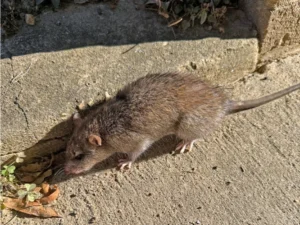
With the expired poison, you might see mixed results. Some rats might die, but it takes longer. Other rats might eat it and not die at all.
The fresh poison has 100% of its active ingredient. The expired poison might only have 50% or 60%. That lower concentration means some rats don’t get a lethal dose.
Over time, you’ll use up a lot more expired poison to achieve the same results as fresh poison. You’re actually spending more money trying to save money by using old poison.
The math is simple. A box of fresh poison costs maybe $10 to $20. If you waste weeks using expired poison and have to buy fresh anyway, you’ve lost time and still spent the money.
Just use fresh poison from the start.
Conclusion
When rat poison expires, the active ingredient breaks down and becomes less effective at killing rats. The poison can also develop mold, go rancid, or change texture, making it unattractive to rats.
Most rat poisons have a shelf life of 1 to 3 years if stored properly in a cool, dry place.
Using expired poison is wasteful. It might not work at all, and it can cause bait shyness in rats if they eat it but don’t die. Check the expiration date on your rat poison, store it properly, and replace it when it’s past its prime.
If you find old rat poison, dispose of it according to local regulations. Don’t try to save a few dollars by using expired product. Fresh poison is cheap compared to the time and frustration you’ll waste with old, ineffective bait.

Hi, my name is Ezra Mushala, i have been interested animals all my life. I am the main author and editor here at snakeinformer.com.