
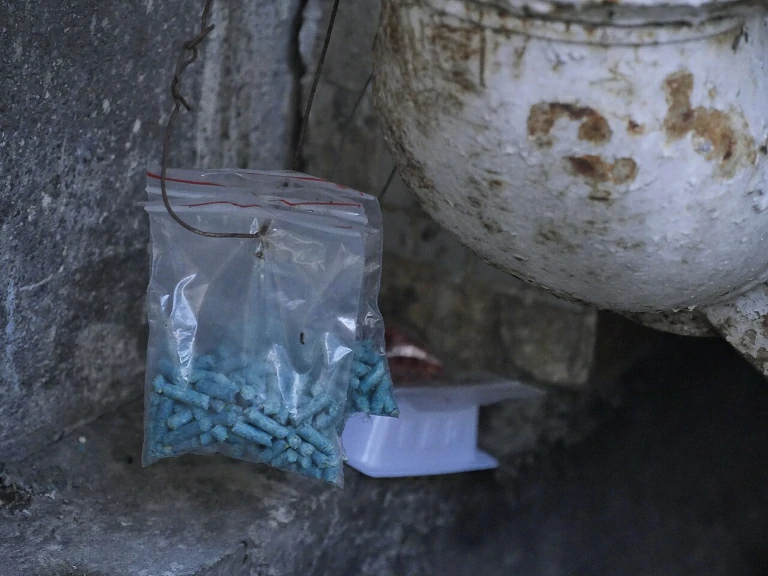
Rat poison doesn’t last forever, and eventually you’ll need to get rid of old, unused, or expired poison that’s been sitting in your garage or shed. You can’t just throw rat poison in the trash or pour it down the drain because these toxic chemicals can harm people, pets, wildlife, and the environment. How do you properly dispose of old rat poison?
To dispose of old rat poison, take it to a household hazardous waste collection facility or event in your area. Keep the poison in its original container, don’t mix it with other chemicals, and never throw it in regular trash, pour it down drains, or dump it outside. Contact your local waste management department to find collection locations and schedules.
Proper disposal of rat poison is a legal responsibility and an environmental necessity. Improper disposal can contaminate water supplies, poison wildlife, and put children and pets at serious risk.
Why You Can’t Just Throw Rat Poison in the Trash
Rat poison contains toxic chemicals designed to kill mammals, and these chemicals remain dangerous even when the poison is old or expired. Regular garbage ends up in landfills where rain can wash these toxins into groundwater.
Wildlife scavenging through garbage can eat rat poison and die. Birds, raccoons, opossums, and other animals frequently search through trash for food. If they find and eat your discarded poison, it’ll kill them.

Garbage collectors and landfill workers could accidentally come into contact with rat poison if it’s in your trash. Even a small amount on their hands could make them sick if they touch their mouth or eat without washing.
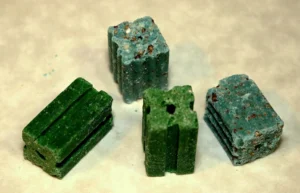
Children playing near garbage bins or dumpsters might find colorful poison pellets and put them in their mouths. Many rat poisons are dyed bright colors and some smell like peanut butter, making them attractive to kids.
Rats and mice themselves will eat poison that’s thrown in outdoor trash bins. While killing rats might seem like the goal, poisoned rats that then get eaten by pets or wildlife spread the toxins through secondary poisoning.
Most places have laws that specifically prohibit throwing pesticides and rodenticides in regular trash. You could face fines if you’re caught disposing of rat poison improperly.
The Dangers of Pouring Rat Poison Down Drains
Pouring liquid rat poison or dissolved poison pellets down your sink, toilet, or storm drain is extremely dangerous and illegal in most places.
Rat poison that goes down your drain ends up in wastewater treatment plants. These facilities aren’t designed to remove rodenticide chemicals, so the toxins pass through and end up in rivers, lakes, or oceans.
If you have a septic system, poison poured down drains goes directly into your septic tank and drain field. From there it seeps into the ground and can contaminate your well water or your neighbor’s well.
Storm drains connect directly to natural water bodies without any treatment. Poison poured into storm drains flows straight into streams and rivers where it kills fish, frogs, and other aquatic life.
The pipes in your home can become contaminated with poison residue. This residue can leach into your drinking water, especially if you have older pipes with cracks or corrosion.
Sewage treatment workers and anyone who maintains drainage systems could be exposed to concentrated poison when they work on pipes and drains.
Even small amounts of rat poison in water supplies can accumulate in the environment and food chain, affecting animals and potentially humans who drink the water or eat contaminated fish.
Why Dumping Rat Poison Outside is Dangerous
Some people think dumping rat poison in wooded areas, fields, or remote locations is acceptable because “it’s just going to kill rats anyway.” This thinking is completely wrong and harmful.
Dumped rat poison will kill any animal that eats it, not just rats. Squirrels, rabbits, deer, birds, and countless other wildlife will consume the poison and die painful deaths.
Pets that wander into areas where poison was dumped will eat it. Dogs are especially at risk because they explore with their mouths and will eat strange things they find outside.
Rain will wash dumped poison into soil and water. The toxins contaminate the ground, get into plant roots, and eventually make their way into streams and groundwater.
Predators and scavengers that eat poisoned animals get secondary poisoning. Hawks, owls, foxes, coyotes, and even endangered species die from eating rats or mice that consumed poison.
Children who play in fields, woods, or vacant lots could find dumped poison and touch or eat it. Kids are naturally curious and don’t understand the danger.
Dumping pesticides including rat poison on land is a federal crime under environmental protection laws. People have been prosecuted and fined thousands of dollars for illegally dumping rat poison.
What Happens to Rat Poison Over Time?
Rat poison doesn’t become safer as it ages. In fact, old poison can become more dangerous in some ways even as it loses effectiveness.
The active ingredients in rat poison do break down over time, especially if exposed to heat, moisture, or sunlight. This breakdown makes the poison less effective at killing rats, but it doesn’t make it safe.
Degraded rat poison can still cause serious harm to people and animals who ingest it. Even if it won’t reliably kill a rat anymore, it can still make a child or pet very sick.
The bait portion of rat poison (the food ingredients that attract rats) can go rancid, moldy, or stale. This makes the poison smell different and might actually make it more attractive to some animals that wouldn’t normally eat it.
Moisture can cause poison pellets to stick together or dissolve into a gooey mess. This concentrated form is actually more dangerous because more poison is packed into a smaller amount of material.
Containers can corrode, crack, or break down over time. Old poison stored in a damaged container can leak, spill, or become exposed to pets and children.
Most rat poisons have an expiration date printed on the package, usually 1 to 3 years from manufacture. After this date, the manufacturer can’t guarantee the poison will work as intended, but it’s still toxic and dangerous.
How to Find Household Hazardous Waste Collection in Your Area
The proper way to dispose of rat poison is through household hazardous waste (HHW) collection programs. Almost every city and county has these programs, though they vary in how they operate.
Start by contacting your local waste management department or city environmental services. They can tell you exactly where and when you can drop off hazardous waste including rat poison.
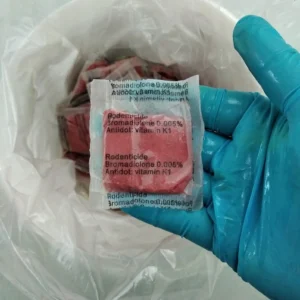
Many areas have permanent HHW collection facilities that are open year-round on specific days. These facilities accept pesticides, rodenticides, paint, chemicals, and other toxic household items.
Some communities hold collection events once or twice a year where residents can bring hazardous waste. These events are often held on weekends at central locations like parking lots or recycling centers.
Check your local government’s website for information about hazardous waste disposal. Most cities have a dedicated page with collection schedules, accepted items, and instructions.
Call your county health department if you can’t find information through waste management. They often coordinate with or know about hazardous waste programs.
Some hardware stores and farm supply stores accept old pesticides and rat poison for disposal. Call ahead to ask if they have a take-back program before bringing your poison.
Earth911.com is a national database where you can enter your zip code and the type of waste you need to dispose of. It’ll show you nearby collection locations and programs.
How to Prepare Rat Poison for Disposal
Before taking rat poison to a collection facility, you need to prepare it properly to keep everyone safe during transport and handling.
Keep the poison in its original container if at all possible. The original packaging has important information about the active ingredients that disposal workers need to know.
If the original container is damaged or leaking, place it inside a sturdy plastic bucket or container with a tight-fitting lid. Label the outside with “RAT POISON” or “RODENTICIDE” so handlers know what’s inside.
Don’t mix different types of rat poison together. Keep each product separate in its own container. Mixing chemicals can cause dangerous reactions.
Don’t add water or other liquids to the poison. Keep it in its original form (solid pellets, blocks, or liquid) as packaged.
If you have loose poison that spilled out of containers, sweep it into a plastic bag, seal the bag tightly, and place it in a rigid container. Don’t leave loose poison rolling around in your car.
Make a list of what you’re bringing if you have multiple containers. Write down the product names and approximately how much of each you have. This helps facility workers process your drop-off efficiently.
Transport the poison in your trunk or truck bed, not in the passenger area of your vehicle. This prevents accidental exposure if something spills during transport.
What to Tell Collection Facility Workers
When you arrive at a household hazardous waste facility, workers will ask you questions about what you’re disposing of. Being prepared with accurate information speeds up the process.
Tell them specifically that you have rat poison or rodenticide. Don’t just say “pesticide” because that’s a broad category that includes many different products.
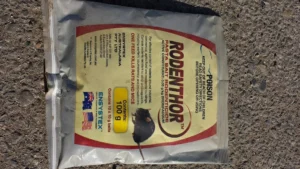
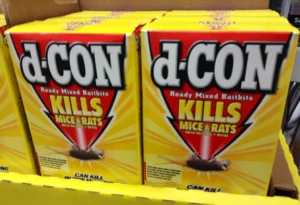
Provide the product name if you know it. Common brands like Tomcat, d-CON, or Just One Bite help workers identify the specific chemicals involved.
Let them know approximately how much poison you have. They might ask for quantities in pounds or the number of containers.
Mention if the packaging is damaged or if the poison is leaking. This alerts workers to take extra precautions when handling your waste.
Tell them if the poison is very old (more than 5 years) or if you don’t know how old it is. Very old poison might need special handling.
If you mixed different products together or if the poison got contaminated with something else, tell the workers. Contaminated waste might require different disposal procedures.
Don’t hide information or lie about what you’re bringing. Honest information keeps the workers safe and ensures your waste is handled properly.
What Happens to Rat Poison at Disposal Facilities?
Understanding how facilities handle rat poison can help you appreciate why proper disposal matters. These facilities use specialized processes to neutralize or contain toxic chemicals safely.
Household hazardous waste facilities sort incoming materials by chemical type. Rat poison goes into the pesticide category with other rodenticides and insecticides.
Some chemicals including certain rat poisons can be incinerated at very high temperatures that completely destroy the toxic compounds. This incineration happens at specialized facilities designed for hazardous waste.
Rat poison that can’t be incinerated goes to secure hazardous waste landfills. These aren’t regular landfills. They have multiple layers of protective barriers to prevent chemicals from leaching into groundwater.
Facilities keep detailed records of all chemicals they receive. This documentation helps track hazardous materials and ensures environmental regulations are followed.
Some active ingredients in rat poison can be recycled or repurposed for industrial use. Facilities sort through waste to identify materials that can be recovered rather than destroyed.
Workers at these facilities wear protective equipment including gloves, respirators, and sometimes full protective suits when handling concentrated poisons. This shows how seriously they take the danger.
The entire disposal process is regulated by federal, state, and local environmental agencies. Facilities must meet strict standards to operate and are regularly inspected.
Alternatives if Your Area Doesn’t Have HHW Collection
Some rural areas or small towns don’t have regular household hazardous waste collection programs. If this is your situation, you have a few alternative options.
Contact your state environmental protection agency. They maintain lists of all licensed hazardous waste disposal facilities in your state and can direct you to the nearest option even if it’s not in your immediate area.
Ask your local fire department. Fire departments often know about chemical disposal resources and might coordinate with regional programs. Some even collect hazardous waste on behalf of residents.
Call pest control companies in your area. Professional exterminators regularly dispose of pesticides and might accept your old rat poison for a small fee or even for free.
Check with your county agricultural extension office. These offices serve farmers who use pesticides and often know about disposal programs or events.
Look for regional collection events. Even if your town doesn’t have a program, nearby cities might hold events that accept waste from surrounding areas. You might need to drive 30 to 60 minutes, but it’s worth it for proper disposal.
Contact the manufacturer of your rat poison. Some companies have take-back programs or can tell you about disposal options. The customer service number is usually on the package.
As a last resort, store the poison safely until a disposal option becomes available. Keep it locked away from children and pets, in a cool dry place, in its original container. Check periodically for future collection events in your region.
Safe Storage While Waiting for Disposal
If you can’t dispose of old rat poison immediately, you need to store it safely until collection is available. Improper storage creates serious risks during the waiting period.
Keep poison in a locked cabinet, shed, or storage box. The lock prevents children and pets from accessing the poison. A simple padlock on a cabinet or storage bin is sufficient.
Store poison in a cool, dry location. Heat and moisture accelerate chemical breakdown and can cause containers to leak or burst. Avoid sheds or garages that get very hot in summer.
Keep rat poison in its original container with the label intact. The label has critical safety information including the active ingredients and antidote information needed in case of accidental poisoning.
Don’t store rat poison near food, pet supplies, or anything edible. Contamination can occur even without direct contact if containers leak.
Place poison containers in a plastic bin or bucket as a secondary containment measure. If the original container leaks, the bin catches the spill and prevents it from spreading.
Check stored poison monthly for signs of container damage, leaks, or deterioration. If problems develop, move the poison to a more secure container immediately.
Keep poison away from where children play or where pets spend time. Even locked storage isn’t perfectly safe if it’s in a high-traffic area where curious kids or pets might try to get into it.
What to Do if You Spill Rat Poison During Disposal Prep
Accidents happen, and you might spill rat poison while you’re preparing it for disposal. Knowing how to clean up a spill safely protects you and your family.
Don’t touch spilled poison with your bare hands. Put on gloves immediately. Disposable nitrile or latex gloves work fine for small spills.
Keep children and pets away from the spill area. Block off the area or close the door to prevent anyone from walking through the poison.
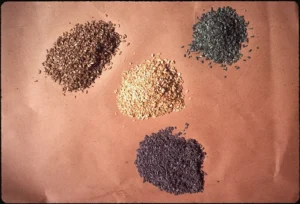
For solid poison (pellets or blocks), use a dustpan and brush or stiff cardboard to sweep up the material. Don’t use a vacuum cleaner because this spreads poison dust into the air and contaminates your vacuum.
Put the collected poison into a plastic bag, seal it tightly, and place the bag in a rigid container. Label the container so you know it contains spilled poison.
For liquid rat poison spills, use cat litter, sawdust, or paper towels to absorb the liquid. Scoop up the saturated material and place it in a sealed plastic bag inside a rigid container.
After collecting the spill, wipe the area with soapy water using paper towels. Dispose of these contaminated paper towels in a sealed plastic bag along with your spilled poison.
Wash your hands thoroughly with soap and water after cleaning up any rat poison spill, even if you wore gloves. Gloves can have tiny holes you don’t notice.
If the spill is large (more than a cup of liquid or a pound of solid poison), consider calling your local fire department or environmental agency for help. They have equipment and training for hazardous material cleanup.
Conclusion
Disposing of old rat poison properly protects people, pets, wildlife, and the environment from toxic chemical exposure. Never throw rat poison in regular trash, pour it down drains, or dump it outside.
The correct disposal method is taking rat poison to a household hazardous waste collection facility or event. Keep poison in its original container, contact your local waste management department to find collection locations, and prepare the poison safely for transport.
If immediate disposal isn’t available, store the poison securely in a locked area until you can access proper disposal options. The extra effort to dispose of rat poison correctly is a small price to pay for protecting your community and environment from these dangerous chemicals.

Hi, my name is Ezra Mushala, i have been interested animals all my life. I am the main author and editor here at snakeinformer.com.