
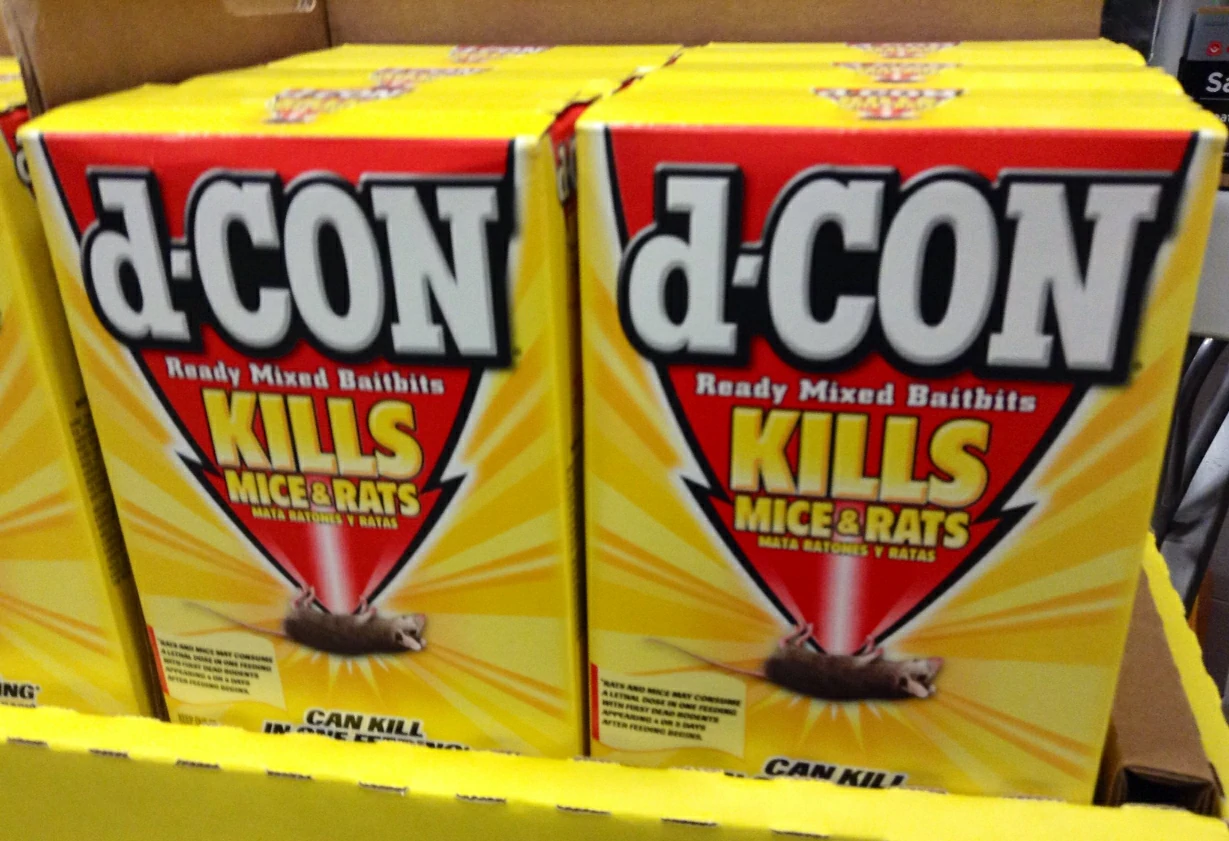
D-Con is one of the most recognizable rat poison brands in America. For decades, it’s been a go-to choice for homeowners dealing with rat problems. But what is the active ingredient in D-Con rat poison, and what does it actually do?
D-Con rat poison historically contained brodifacoum or bromadiolone, which are second-generation anticoagulants. However, as of 2015, D-Con stopped selling these products to consumers. Current D-Con products available to homeowners use cholecalciferol (vitamin D3) as the active ingredient. Professional-use D-Con products may still contain anticoagulants, but these aren’t sold in regular stores.
This change happened because of safety concerns about second-generation anticoagulants. The EPA pushed manufacturers to reformulate or stop selling these products to consumers.
The History of D-Con’s Active Ingredients
D-Con has been around since the 1940s. Over the years, the company has used different active ingredients as rat poison technology evolved.
Early D-Con products used warfarin, a first-generation anticoagulant. This was cutting-edge stuff in the 1950s and 1960s. Warfarin worked well for many years.
By the 1980s, some rat populations had developed resistance to warfarin. Rats could eat warfarin-based poison and not die. This was a big problem.
D-Con switched to second-generation anticoagulants like brodifacoum and bromadiolone. These were much stronger than warfarin. They worked on resistant rats and killed after just one or two feedings.
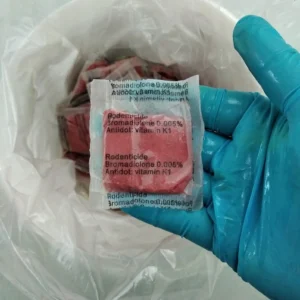
These second-generation products made D-Con even more popular. They were effective and easy to use. Homeowners loved them.
But there was a problem. Second-generation anticoagulants are really dangerous to pets and wildlife. Dogs and cats that ate the poison often died. Birds of prey that ate poisoned rats got poisoned too.
The EPA started getting concerned. In 2008, they issued new regulations on rodenticides. They wanted to reduce the risk to children, pets, and wildlife.
D-Con initially fought these regulations. But by 2015, they stopped selling their brodifacoum and bromadiolone products to consumers. They reformulated with cholecalciferol instead.
What Is Cholecalciferol?
Cholecalciferol is the fancy name for vitamin D3. Yes, the same vitamin D that’s good for you in normal amounts.
In small doses, vitamin D3 is essential for health. It helps your body absorb calcium and keeps your bones strong. You get it from sunlight, food, and supplements.
But in large doses, vitamin D3 is toxic. When rats eat a huge amount of cholecalciferol, their calcium levels spike dangerously high.
This excess calcium builds up in the kidneys, heart, and blood vessels. It causes these organs to fail. The rat dies from kidney failure and cardiovascular problems.
Cholecalciferol poisoning takes about 3 to 4 days to kill a rat. That’s slower than brodifacoum but faster than first-generation anticoagulants.
The advantage of cholecalciferol is that it’s somewhat safer for the environment. It breaks down faster than anticoagulants and doesn’t accumulate as much in the food chain.
But it’s still dangerous to pets. If a dog eats cholecalciferol rat poison, it can die without treatment.
How Brodifacoum Worked (The Old D-Con Formula)
Even though D-Con doesn’t sell brodifacoum products to consumers anymore, it’s worth understanding how it worked. You might still have old D-Con products in your garage with this ingredient.
Brodifacoum is a second-generation anticoagulant. It stops blood from clotting by blocking vitamin K in the body.
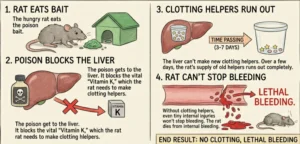
When a rat eats brodifacoum, the chemical gets absorbed through the stomach and into the bloodstream. It travels to the liver.
In the liver, brodifacoum interferes with the production of clotting factors. These are proteins that help blood clot when you get injured.
Without clotting factors, the rat’s blood becomes thinner and thinner. Any small internal injury causes bleeding that doesn’t stop.
After a few days of this internal bleeding, the rat becomes anemic and weak. Eventually, it dies from blood loss and organ failure.
The whole process takes 3 to 7 days. The rat doesn’t feel sick right away, so it keeps eating the poison. This ensures it gets a lethal dose.
Brodifacoum is really potent. A rat only needs to eat it once to get a lethal dose. This made D-Con products with brodifacoum very effective.
How the New D-Con Formula Works
Current D-Con products for consumers use cholecalciferol. Here’s how it works when a rat eats it.
The rat eats the bait, which contains a huge dose of vitamin D3. This dose is hundreds of times higher than what the rat would normally get.
The cholecalciferol gets absorbed in the rat’s intestines and enters the bloodstream. It then travels throughout the body.
In normal amounts, vitamin D3 helps the body absorb calcium from food. But with this massive dose, the body absorbs way too much calcium.
Calcium levels in the blood spike. This is called hypercalcemia. The excess calcium starts depositing in soft tissues.
Calcium deposits build up in the kidneys, causing kidney failure. They build up in the heart and blood vessels, causing cardiovascular problems. The rat’s organs start to shut down.
This process takes about 3 to 4 days. The rat becomes weak, stops eating, and eventually dies from multiple organ failure.
Unlike anticoagulants, there’s no single antidote for cholecalciferol poisoning. Treatment involves lowering calcium levels with fluids and medications, but it’s not as straightforward as the vitamin K treatment for anticoagulants.
Comparing the Old and New D-Con Formulas
How does the new cholecalciferol D-Con compare to the old brodifacoum version?
In terms of effectiveness, both work. Brodifacoum might have been slightly faster and more reliable, but cholecalciferol still kills rats.
For safety, cholecalciferol is better. It breaks down faster in the environment and doesn’t accumulate as much in predators that eat poisoned rats.
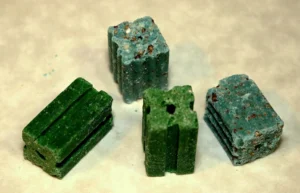
But cholecalciferol is still dangerous to pets. If a dog eats it, the dog needs immediate veterinary care. So it’s not exactly “safe,” just safer than brodifacoum.
In terms of how rats react, brodifacoum poisoning causes internal bleeding, while cholecalciferol causes organ failure. Neither is pleasant for the rat, but that’s the nature of poison.
Some people report that rats are more likely to develop bait shyness with cholecalciferol. If a rat eats a small amount and feels sick, it might avoid the bait afterward. This was less of an issue with brodifacoum because symptoms were delayed longer.
Cost-wise, the products are similar. Cholecalciferol isn’t significantly more expensive than brodifacoum was.
Other Active Ingredients D-Con Has Used
Over its long history, D-Con has used several different active ingredients.
Warfarin was the original ingredient in the 1950s and 1960s. It’s a first-generation anticoagulant that’s less potent than brodifacoum.
Bromadiolone is another second-generation anticoagulant that D-Con used in some products. It’s similar to brodifacoum but slightly less potent.
Some D-Con products in the past used diphacinone, a first-generation anticoagulant. This was less common in their consumer products.
Currently, the only active ingredient in consumer D-Con products is cholecalciferol. But if you have really old D-Con in your garage, it might contain warfarin or another anticoagulant.
Always check the label to know what you’re dealing with. The active ingredient is listed on the front of the package.
Professional D-Con Products
While consumer D-Con products now use cholecalciferol, professional-grade D-Con products might still contain anticoagulants.
Pest control professionals can buy products that aren’t available to homeowners. Some of these professional D-Con products contain brodifacoum or other second-generation anticoagulants.
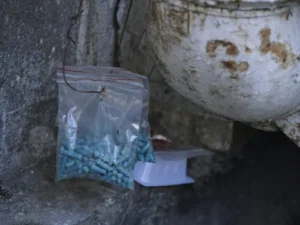
These products are restricted-use pesticides. You need a pest control license to buy and use them legally.
Professionals are trained in how to use these products safely. They use tamper-resistant bait stations, follow regulations about placement, and monitor the sites carefully.
If you see a pest control company using D-Con products, the active ingredient might be different from what you can buy at the store.
This is why hiring a professional can sometimes be more effective than DIY pest control. They have access to stronger products and know how to use them properly.
How to Identify What’s in Your D-Con Product
If you have D-Con rat poison at home and you’re not sure what’s in it, check the label.
The front of the package will say “Active Ingredient” followed by the chemical name and percentage. For current products, it will say “Cholecalciferol.”
If you have old D-Con from before 2015, it might say “Brodifacoum” or “Bromadiolone.”
The percentage tells you how much of the product is the active ingredient. With anticoagulants, it’s usually around 0.005%. With cholecalciferol, it might be higher, around 0.075%.
If the package is old and faded and you can’t read the label, it’s safer to dispose of it and buy new poison. Old poison might not work well anyway.
Never use rat poison if you don’t know what’s in it. You need to know the active ingredient in case someone or something gets poisoned.
What to Do If Someone Eats D-Con
If a child eats D-Con rat poison, call poison control immediately at 1-800-222-1222. Have the package ready so you can tell them the active ingredient.
For cholecalciferol poisoning, treatment involves monitoring calcium levels and giving fluids and medications to lower them. The child might need to be hospitalized.
For anticoagulant poisoning (if you have old D-Con), treatment is vitamin K. This reverses the effects of the anticoagulant.
Don’t wait to see if symptoms develop. With both types of poison, symptoms can take days to appear. By then, serious damage might already be done.
For pets, call your vet or an emergency animal hospital right away. Bring the D-Con package with you.
The vet will treat based on the active ingredient. For cholecalciferol, treatment focuses on lowering calcium. For anticoagulants, the vet will give vitamin K.
Quick action saves lives. The sooner treatment starts, the better the outcome.
Why the EPA Pushed for Changes
The EPA’s push to get second-generation anticoagulants out of consumer products was driven by safety data.
Studies showed that thousands of pets were poisoned each year by products like D-Con. Many died despite veterinary treatment.
Wildlife, especially birds of prey like hawks and owls, were also dying from secondary poisoning. They’d eat poisoned rats and get poisoned themselves.

Children were getting into rat poison despite warning labels. The bright colors helped, but accidents still happened.
The EPA wanted to reduce these risks. They issued regulations requiring consumer rodenticides to use less toxic ingredients or to be sold only in ready-to-use bait stations.
D-Con initially resisted. They argued their products were safe when used according to label directions. They also said alternatives weren’t as effective.
But the EPA held firm. D-Con eventually had two choices switch to a different active ingredient or stop selling to consumers.
They chose to reformulate with cholecalciferol. This allowed them to stay in the consumer market while meeting the new regulations.
Is Cholecalciferol D-Con Effective?
The big question is whether the new cholecalciferol D-Con works as well as the old formula.
The answer is yes, it works. It kills rats. But there are some differences.
Cholecalciferol takes about 3 to 4 days to kill, which is similar to brodifacoum. So speed isn’t really different.
Some users report that rats seem more hesitant to eat cholecalciferol bait. This might be because the taste or smell is slightly different.
Bait shyness can be more of an issue. If a rat eats a small amount and feels sick, it might avoid the bait. With brodifacoum, this was less common.
Overall effectiveness depends a lot on how you use it. If you use enough bait, place it correctly, and keep it fresh, cholecalciferol D-Con works fine.
Some people swear the old formula was better. But this might be nostalgia or confirmation bias more than actual data.
Alternatives to D-Con
If you’re not satisfied with cholecalciferol D-Con, you have other options.
Tomcat and other brands still sell anticoagulant rat poisons to consumers, but they have to meet EPA regulations. They’re usually sold in ready-to-use bait stations.
Some brands use first-generation anticoagulants like diphacinone. These are less toxic than brodifacoum but still effective.
Bromethalin products are another option. This is a neurotoxin that works differently from anticoagulants. It’s fast-acting but has no antidote.
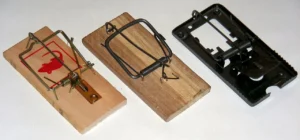
Snap traps and electronic traps are non-poison alternatives. They kill instantly and don’t create poisoning risks.
For serious infestations, hiring a professional pest control company might be the best choice. They have access to products and methods that consumers don’t.
Conclusion
The active ingredient in current D-Con rat poison is cholecalciferol (vitamin D3). Older D-Con products contained brodifacoum or bromadiolone, which are second-generation anticoagulants. D-Con stopped selling these anticoagulant products to consumers in 2015 due to EPA regulations.
Cholecalciferol works by causing toxic levels of calcium in the rat’s body, leading to organ failure. It’s considered safer for the environment than brodifacoum but is still dangerous to pets and children.
If you use D-Con or any rat poison, always read the label to know what active ingredient you’re dealing with. Use the product in tamper-resistant bait stations, follow all directions, and keep it away from children and pets. And if poisoning happens, knowing the active ingredient is critical for getting proper treatment.

Hi, my name is Ezra Mushala, i have been interested animals all my life. I am the main author and editor here at snakeinformer.com.