
Discovering spilled rat poison in your home, garage, or yard creates an urgent situation that needs immediate but careful attention.
Whether you knocked over a container, found an old spill from a previous owner, or your pet broke open a bait station, you need to clean it up safely and completely. But how do you clean up spilled rat poison without putting yourself, your family, or your pets at risk?
To clean up spilled rat poison, identify what form it’s in (pellets, powder, liquid, or blocks), wear protective gloves and mask, keep the area ventilated, use damp paper towels to carefully collect all poison without spreading it, place everything in sealed plastic bags labeled as poison, wash the area thoroughly with soapy water multiple times, and dispose of contaminated materials as hazardous waste. The specific method varies by poison form, but never vacuum, sweep, or rinse poison down drains.
The approach you take depends on what form of poison spilled. Pellets require different handling than powder, and liquid bait needs yet another approach.
Understanding these differences helps you clean safely and thoroughly.
Identifying What Type of Poison Spilled
Before you start cleaning, you need to know what form of rat poison you’re dealing with. The cleanup method changes significantly based on whether it’s pellets, powder, liquid, or blocks.
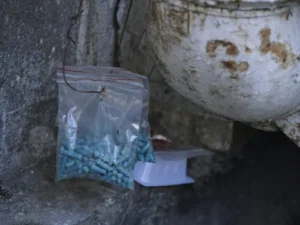
Pellets are small grain-sized pieces, usually brightly colored (blue, green, red, or yellow). They might be loose or in packets. Pellets can roll and scatter widely when spilled.
Powder or tracking dust is fine like flour. It might be colored or grayish. Powder is the most dangerous form to clean because it easily becomes airborne and can be breathed in.
Liquid bait looks like colored liquid, often in bottles or tubes. When spilled, it can soak into porous surfaces like carpet or wood.
Liquid bait is less common in homes but appears in some professional pest control applications.
Bait blocks are solid chunks, often shaped like bars or bricks. They’re usually wax-based and brightly colored. When blocks break, they can leave waxy residue and crumbs that need to be cleaned.
Grain-based baits look like regular grains (oats, wheat, corn) but are coated with poison. They’re often dark colored from the poison coating.
These can be hard to distinguish from regular grain if the label is missing.
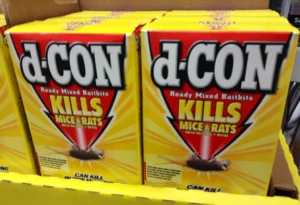
Check the packaging if it’s available. The label tells you the active ingredient (brodifacoum, bromadiolone, bromethalin, etc.) and the form of the product. This information is valuable if someone gets poisoned and needs medical treatment.
Essential Safety Equipment
No matter what form of poison spilled, you need protective equipment before you start cleaning. Don’t try to save time by skipping safety gear.
Disposable nitrile or latex gloves are essential. Don’t use cloth gloves that can absorb poison. Put gloves on before you enter the contaminated area.
An N95 respirator mask protects you from breathing in poison dust or particles. This is especially critical for powder spills, but even pellets can release dust when they break. Regular cloth masks or surgical masks don’t provide enough protection.
Safety glasses or goggles protect your eyes from dust and splashes. This is particularly important when cleaning powder or liquid spills.
Long sleeves and long pants protect your skin. Wear old clothes you can wash in hot water immediately after cleanup.
Have heavy-duty plastic trash bags ready. You’ll need bags with seals to contain contaminated materials. Get several bags so you can double-bag if needed.
Keep paper towels, a spray bottle of clean water, and cleaning supplies ready before you start. Don’t leave the contaminated area to go get supplies once you’ve started cleaning.
Securing the Area First
Before touching any spilled poison, you need to secure the area to prevent others from being exposed and to stop the poison from spreading.
Immediately remove all people and pets from the contaminated area. Put pets outside or in a closed room far from the spill. Make sure children are supervised by another adult in a different part of the house.
If possible, close the door to the room where the spill happened. Don’t slam it, because air movement can blow powder or light pellets around. Just close it gently to contain the contamination.
Place a sign or barrier if other adults in your household might enter the area. Something as simple as a chair blocking the doorway with a note works.
Turn off any fans, air conditioning, or heating vents in the contaminated area if you can. Air movement spreads poison around and makes cleanup harder.
Open windows if weather permits and if doing so won’t create drafts that blow through the spilled poison. Fresh air helps dilute any dust or fumes, but only if it doesn’t make things worse.
Don’t let anyone walk through the spilled poison. Even after cleanup, the area needs thorough washing before it’s safe for normal use.
How To Clean Up Spilled Rat Poison Pellets
Pellets are one of the most common forms of rat poison, and they require specific handling to clean safely.
Put on all your protective gear: gloves, mask, and eye protection. Make sure gloves fit snugly so they don’t slip off while you work.
Fill a spray bottle with plain water. Lightly mist the area around the pellets (not directly on them, which might scatter them). This dampens any dust and helps pellets stick to surfaces instead of rolling around.
Using damp paper towels, carefully pick up each visible pellet. The dampness helps pellets stick to the paper towel and prevents dust. Don’t use your bare hands even with gloves on. The paper towel creates an extra barrier.
Work slowly and methodically. Pellets can hide in corners, under furniture edges, and in cracks. Get down at floor level to spot pellets from a rat’s-eye view.
Immediately place each contaminated paper towel into your sealed plastic bag. Don’t set them down anywhere or try to collect multiple batches before bagging.
After collecting all visible pellets, wipe the entire area with fresh damp paper towels. This picks up any pellet fragments or residue you can’t see.
For pellets on carpet, press damp paper towels into the carpet pile. Some pellets might be embedded in the fibers. Work thoroughly across the entire affected area.
Once you’ve removed all pellets and residue, wash the area with warm soapy water using fresh paper towels. Rinse with clean water. Do this at least twice to ensure all residue is gone.
How To Clean Up Spilled Rat Poison Powder
Powder spills are the most dangerous and require extra caution because the powder can easily become airborne.
Put on your N95 mask before entering the area. This is absolutely critical. Breathing in poison powder can cause serious harm.
Wear gloves and eye protection. Powder can get everywhere, including in your eyes.
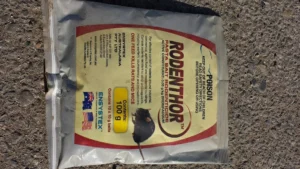
Fill a spray bottle with clean water. From a distance, lightly mist the powder to dampen it. Don’t spray forcefully, which can blow powder around. Use a fine mist setting.
You’re not trying to wash the powder away. You just want to make it damp enough that it clumps together and won’t float in the air.
Wait a minute after misting to let the water settle the dust before you approach the spill.
Using damp paper towels, gently dab at the powder. Use a pressing motion, not a wiping or rubbing motion. You’re lifting the powder onto the paper towel, not smearing it around.
Immediately place each contaminated paper towel into your sealed plastic bag. Don’t reuse paper towels.
Work from the outside edges of the spill toward the center. This prevents you from stepping in the powder or spreading it with your movements.
For powder in cracks or corners, use damp cotton swabs to collect it. Dispose of each swab immediately after use.
After removing all visible powder, go over the area several more times with fresh damp paper towels to collect any remaining residue.
Wash the area thoroughly with soapy water using paper towels or a disposable mop head. Never use a regular mop or sponge that you’ll use again elsewhere. Rinse multiple times with clean water.
How To Clean Up Spilled Rat Poison Liquid Bait
Liquid rat bait spills differently than pellets or powder and can soak into surfaces, making cleanup more challenging.
Put on gloves immediately. Liquid bait can be absorbed through your skin, especially if you have any small cuts or scratches.
If the spill just happened and is still wet, use paper towels to soak up as much liquid as possible. Blot, don’t wipe, to avoid spreading the liquid farther.
Work from the outside edges toward the center of the spill. This contains the liquid and prevents it from spreading.
Place each contaminated paper towel directly into your sealed plastic bag.
For spills on hard surfaces, after soaking up the bulk of the liquid, wash the area with soapy water. Use lots of paper towels and dispose of them after each pass. Rinse multiple times.
For spills on carpet or upholstery, blot repeatedly with dry paper towels until no more liquid transfers to the towels. Then use barely damp paper towels with a tiny amount of carpet cleaner to blot the stain.
Don’t pour water directly onto carpet or upholstery, as this can spread the poison deeper into the fibers or padding. If the spill is large or the liquid soaked deep into carpet padding, you might need professional carpet cleaning or even need to replace the carpet.
For spills on unsealed wood, concrete, or other porous surfaces, the liquid might have soaked in. Clean the surface as thoroughly as possible, but understand that some poison might have penetrated where you can’t reach it.
These surfaces might need sealing or coating after cleanup to lock in any remaining residue.
If liquid bait spilled on clothing or fabric items, don’t try to wash them. Dispose of heavily contaminated fabrics as hazardous waste. The poison might not wash out completely, and you don’t want it in your washing machine.
How To Clean Up Broken Rat Poison Bait Blocks
Bait blocks are solid and waxy, but when they break or crumble, cleanup requires attention to both large pieces and small fragments.
Wear gloves before touching any part of a broken bait block. The wax coating can transfer poison to your skin.
Pick up large pieces of the block using damp paper towels. Place them directly into your sealed plastic bag.
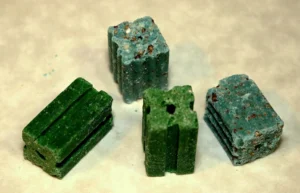
Look carefully for small crumbs or fragments. Broken blocks often leave behind tiny pieces that can be hard to see, especially on textured surfaces.
The waxy coating can leave residue on surfaces even after you pick up all visible pieces. This residue still contains poison.
After removing all visible pieces, wipe the area with paper towels dampened with warm soapy water. The warmth helps dissolve waxy residue. You might need to wipe multiple times.
For waxy residue on carpet, you might need to use a carpet cleaning solution designed to cut through oily residues. Test it in an inconspicuous area first.
Some bait blocks crumble into dust when broken. If this happened, treat the cleanup like a powder spill, dampening the dust before wiping it up.
Don’t try to vacuum up block fragments. The wax can clog your vacuum, and you’ll contaminate the machine with poison.
What You Should Never Do
Certain actions will make a rat poison spill much worse and put you at serious risk. Avoiding these critical mistakes is just as important as knowing the right steps.
Never vacuum any form of rat poison. Vacuuming pellets breaks them into dust. Vacuuming powder spreads it through the air. Vacuuming liquid or block crumbs contaminates your vacuum. Don’t do it.
Don’t sweep spilled poison with a broom. This scatters pellets, creates dust clouds from powder, and pushes poison into cracks and crevices where it’s much harder to clean.
Never rinse poison down drains, toilets, or into storm sewers. This contaminates water systems and is illegal in most places. Poison must be disposed of as hazardous waste, not put into plumbing.
Don’t use a leaf blower or compressed air to move poison. This creates massive clouds of toxic material that spread over large areas and poison wildlife.
Don’t eat, drink, or smoke during cleanup. You can transfer poison from your gloves to food or cigarettes. Wait until you’ve completely finished, removed all protective gear, and washed thoroughly.
Don’t touch your face, especially your eyes, nose, or mouth, while cleaning or before washing your hands. Poison can be absorbed through mucous membranes.
Don’t try to reuse rags, mops, sponges, or other cleaning tools that touched rat poison. These items are contaminated and need to be thrown away.
Don’t let children or pets back into the area until cleanup is completely finished and the area has been washed multiple times.
Checking for Poison in Surrounding Areas
Spilled poison often spreads beyond where you first see it. Pellets roll, powder drifts on air currents, and liquid can run into cracks. You need to check adjacent areas.
Look for trails of pellets or powder leading away from the main spill. Follow any visible trails and clean those areas too.
Check for footprints or paw prints. If anyone walked through the spill before it was contained, they tracked poison elsewhere. Follow the tracks and clean each location.
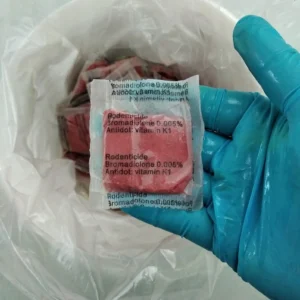
Inspect the area around the spill carefully in good lighting. Get down low to see from different angles. Poison can hide in corners, under furniture edges, and in floor cracks.
If the spill happened near furniture, check underneath and behind it. Pellets roll into these hidden areas.
For spills near walls, check baseboards and molding. Powder and liquid can settle into the gaps where walls meet floors.
If pets were in the area, check their bedding, toys, and favorite spots. They might have carried poison on their paws or fur.
Check your shoes and anyone else’s who might have been near the spill. Clean shoe soles outside with damp paper towels.
Disposing of Contaminated Materials
Every item that touched rat poison needs proper disposal as hazardous waste. This is more than just throwing things in the trash.
Place all contaminated materials (pellets, powder, liquid, block fragments, paper towels, gloves, masks, and any other items) into heavy-duty plastic garbage bags.
Seal the bag tightly, squeezing out excess air. Make sure there are no gaps or holes.
Put the first sealed bag into a second plastic bag and seal that one too. Double-bagging provides extra protection against tears or leaks.
Label the outer bag clearly with “POISON” or “PESTICIDE WASTE” using a permanent marker. This warns anyone who handles the bag about its contents.
Check your local regulations for household hazardous waste disposal. Many communities have special collection days or permanent drop-off locations for pesticides and other hazardous materials.
If you can’t dispose of the waste immediately, store the sealed, labeled bags in a secure location away from people and pets. A locked garage or shed works well.
Never put rat poison waste in your regular trash if your area has hazardous waste disposal programs. Use the proper disposal channels.
Never put contaminated items in recycling bins, even if the items would normally be recyclable.
Don’t transport the waste in your passenger compartment. Put it in your trunk or truck bed if you’re taking it to a disposal site.
How to Wash Yourself After Cleanup
After cleaning up rat poison, you need to remove your protective gear and clean yourself carefully to avoid spreading contamination.
Remove your gloves first, peeling them off inside-out so the contaminated outer surface is contained inside. Put them directly into your waste bag.
If wearing disposable coveralls or shoe covers, remove these next and put them in the waste bag.
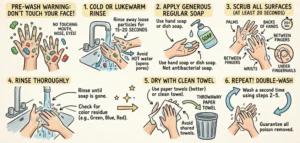
Remove your safety glasses or goggles. If they’re disposable, put them in the waste bag. If they’re reusable, set them aside to be washed separately later.
Remove your N95 mask last, touching only the straps, never the front of the mask. Dispose of it in the waste bag.
Before removing your contaminated clothing, take off your shoes outside if possible. Leave them outside or in a garage while you finish decontaminating.
Remove your clothing and put it directly into the washing machine. Don’t carry it through your house. Wash separately from other laundry in hot water with detergent. Run the cycle twice to ensure all residue is removed.
Wash your hands and arms thoroughly with soap and warm water for at least 30 seconds. Scrub under your nails and between your fingers.
Take a full shower with soap and shampoo if there’s any possibility poison got on other parts of your body, or if you were working with powder or liquid that might have created mist or dust.
Don’t touch anything you want to keep clean until after you’ve washed thoroughly.
When to Call Professional Cleaners
Some spills are too dangerous or extensive to clean yourself. Knowing when to get professional help can prevent serious problems.
If the spill is very large (more than a cup or two of material), call a hazardous material cleanup service. Large spills create risks that are hard for untrained people to manage safely.
If poison contaminated your HVAC system and went into air ducts, you need professional duct cleaning. Poison in ventilation systems can contaminate your entire home.
If liquid poison soaked deep into carpet, wood, or other porous materials, professional cleaning or replacement might be necessary. Surface cleaning won’t remove poison that penetrated deep into materials.
If someone was exposed and needs medical attention, focus on getting them help. Cleanup can wait. Your health or your family’s health is more important than cleaning up immediately.
If you don’t have proper protective equipment and can’t get it quickly, don’t attempt cleanup. Wait for professionals who have the right gear.
If you’re pregnant, have respiratory problems, or have other health conditions that make you vulnerable, don’t do the cleanup yourself. The risk isn’t worth it.
If children or pets were definitely exposed, focus on getting them medical care. Let professionals handle the cleanup while you deal with the medical emergency.
Preventing Future Spills
After cleaning up a rat poison spill, take steps to prevent it from happening again.
Store rat poison in its original container with the label intact. Don’t transfer it to unmarked containers that might be confused with other products.
Keep all rat poison in a locked cabinet that children and pets absolutely cannot access. Don’t just put it on a high shelf. Lock it up.
Place containers on stable shelves where they won’t be knocked over. Don’t store them near the edge of shelves or in high-traffic areas.
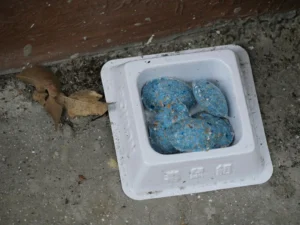
If using bait stations, make sure they’re truly tamper-resistant and check them regularly for damage. Animals and weather can compromise stations over time.
Consider whether you really need to use rat poison. Snap traps and electronic traps work well without the poisoning risks. Exclusion (sealing entry points) prevents rats from getting in at all.
If you have leftover rat poison you don’t plan to use, dispose of it through a household hazardous waste program. Don’t let it sit in storage for years where containers can deteriorate.
Conclusion
Cleaning up spilled rat poison requires identifying what form spilled (pellets, powder, liquid, or blocks), wearing proper protective gear including gloves and an N95 mask, using damp paper towels to carefully collect all poison without creating dust or spreading it, and disposing of everything as hazardous waste.
Never vacuum or sweep any form of rat poison. Wash affected areas multiple times with soapy water. Check surrounding areas for poison that might have spread beyond the main spill.
Watch for signs of poisoning in anyone who might have been exposed, and seek medical help immediately if symptoms appear. For large spills or difficult situations, call professional hazmat cleanup services.
The safest approach is to avoid using rat poison altogether and use traps or exclusion methods instead.

Hi, my name is Ezra Mushala, i have been interested animals all my life. I am the main author and editor here at snakeinformer.com.