
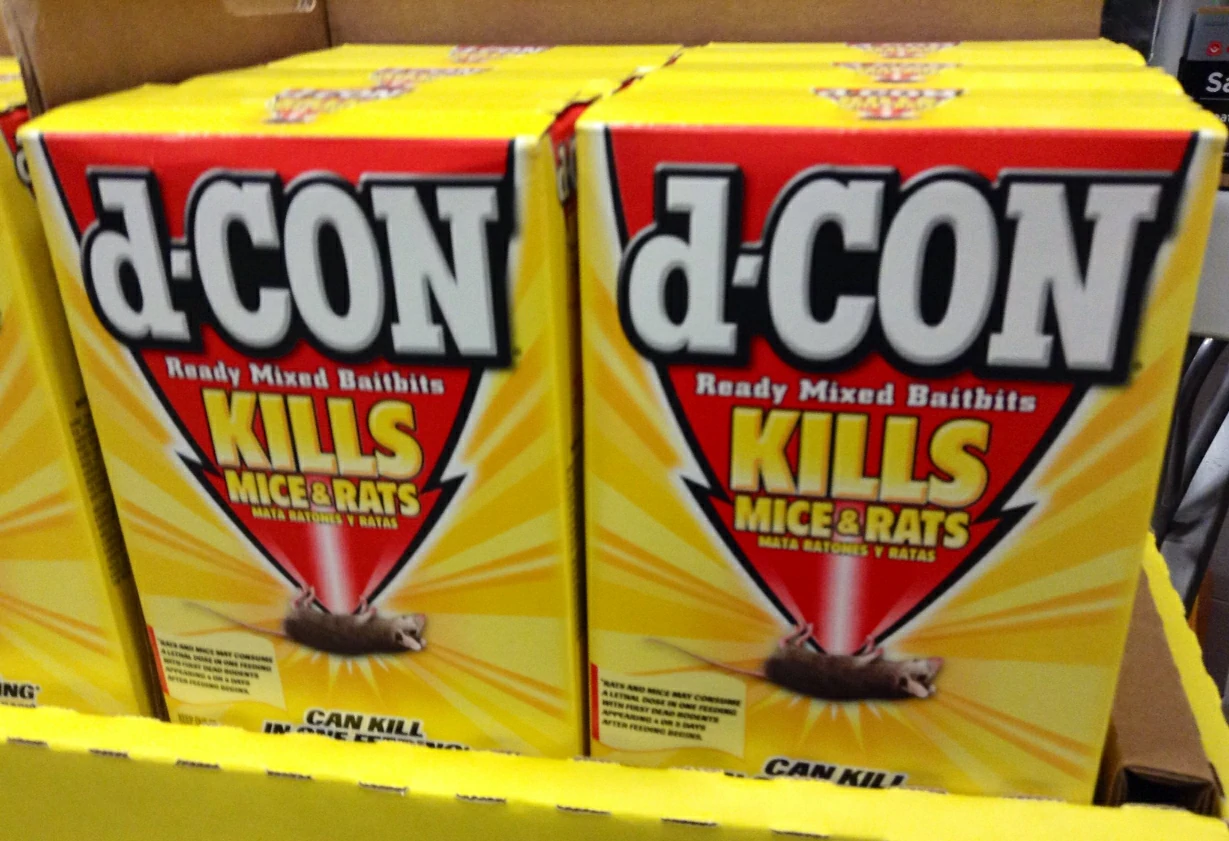
If you’ve ever stored rat poison for a while before using it, you might have noticed it doesn’t seem to work as well as when you first bought it. Maybe the rats aren’t dying as quickly, or maybe they’re not dying at all.
This raises an important question about whether rat poison maintains its strength over time. Does rat poison get weaker over time?
Yes, rat poison does get weaker over time. The active ingredients in rat poison break down gradually when exposed to air, moisture, heat, and light. This breakdown reduces the poison’s potency, making it less effective at killing rats.
Even if the poison hasn’t reached its expiration date, it can still lose strength if it’s been stored in poor conditions or if the package has been opened.
Understanding why this happens and how to prevent it can help you deal with rat problems more effectively.
Why Rat Poison Loses Its Strength
The chemicals that make rat poison deadly aren’t stable forever. They’re organic compounds that break down over time through various chemical reactions. This process is natural and happens to most chemicals eventually.
When rat poison is exposed to oxygen, the active ingredients start to oxidize. This is similar to how iron rusts or how a cut apple turns brown.
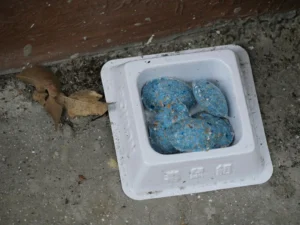
The oxygen in the air reacts with the poison’s molecules and changes their structure. Once the molecules are changed, they don’t work the same way anymore.
Heat speeds up this breakdown process significantly. Chemical reactions happen faster at higher temperatures. If you store rat poison in a hot garage or shed, it’ll lose its strength much faster than poison stored in a cool basement.
Moisture is another big factor. Many rat poisons use anticoagulants as their active ingredient. These chemicals can react with water molecules in humid air. Even if the poison doesn’t get visibly wet, humidity alone can cause degradation over time.
Light, especially sunlight, also breaks down rat poison. UV rays have enough energy to break chemical bonds in the poison’s molecules.
This is why rat poison packaging is usually opaque or comes in boxes that block light.
How Quickly Does Potency Drop?
The speed at which rat poison loses its strength depends on several factors. Fresh, unopened poison that’s stored properly will stay at full strength for its entire shelf life, which is usually one to three years.
Once you open the package, the clock starts ticking faster. The poison is now exposed to air, and oxidation begins. If you use the poison right away, this isn’t a big problem. But if you open it and then store it for months, you’ll notice a decrease in effectiveness.
In ideal storage conditions (cool, dark, dry), opened rat poison might lose about 10 to 20 percent of its potency in the first year.
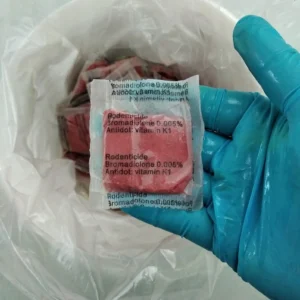
This loss accelerates in year two, with another 20 to 30 percent reduction. By year three, the poison might only be half as strong as it was when fresh.
In poor storage conditions, the decline is much faster. Poison stored in a hot, humid place might lose 30 to 40 percent of its strength in just six months.
After a year in these conditions, it might be barely effective at all.
Different types of rat poison degrade at different rates. Zinc phosphide products lose strength the fastest, often within just a few months. Anticoagulant poisons are more stable but still degrade over time. Bromethalin-based poisons fall somewhere in between.
What Happens When Rats Eat Weak Poison?
When a rat eats poison that’s lost some of its strength, the results aren’t as predictable as with fresh poison. The rat might not get a lethal dose, which creates several problems.
The rat might get sick but not die. It’ll experience symptoms like weakness, internal bleeding (if it’s an anticoagulant poison), and discomfort.
But instead of dying within a few days like it would with fresh poison, it might recover after a week or two.
This partial poisoning can make the rat bait-shy. The rat will associate that particular bait with feeling sick, and it’ll avoid it in the future. This makes it much harder to poison that rat later on, even if you use fresh, full-strength poison.
Sometimes the rat will eat weak poison multiple times before you realize it’s not working. Each time, the rat gets a sub-lethal dose.
If enough time passes between feedings, the rat’s body can process out some of the poison before the next dose. This means the poison never builds up to a lethal level.
Weak poison can also lead to rats dying more slowly. With fresh poison, death usually comes within three to seven days for anticoagulant types. With degraded poison, it might take two to three weeks, and the rat suffers for longer during that time.
Signs Your Poison Has Lost Its Strength
You can often tell if rat poison has gotten weaker even before you try to use it. There are physical signs that indicate the active ingredients have broken down.
Color changes are one of the first signs. Fresh rat poison has consistent, vibrant coloring. The dyes used in rat poison are chosen because they’re stable, but they still break down faster than the active ingredients.
If the poison looks faded or has white spots, the active ingredients have probably degraded too.
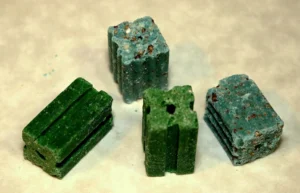
The bait material itself can show signs of weakness. If you’re using block or pellet poison, fresh product is firm and holds its shape.
As the poison ages and the active ingredients break down, the blocks might become crumbly or soft. This is especially true if there’s been any moisture exposure.
Smell is another indicator. Fresh rat poison has a distinct smell from the bait material (peanut butter, grains, etc.). If the smell has changed to something musty, rancid, or just different, that’s a sign of chemical breakdown.
The attractive food smell is important for getting rats to eat the poison in the first place.
You might also notice that rats just aren’t interested in old poison. Even if you can’t detect a change in smell, rats have much better senses than we do.
might smell that the bait has gone bad and avoid it completely.
Testing if Your Poison Is Still Strong
There’s no easy home test to check if rat poison has lost its potency. You can’t just look at it and know for sure how strong it still is. But there are some practical ways to get an idea.
The most straightforward test is to use the poison and see if it works. Put out the poison where rats are active and check it daily.
Fresh, full-strength poison should be gone within a few days as rats eat it. If weeks go by and the rats aren’t touching it, or they’re eating it but not dying, the poison has probably lost its strength.
Check the expiration date first. If the poison is past its expiration date, you already know it’s weaker. Even if it’s not expired, calculate how long it’s been since you opened the package.
If it’s been more than six months, especially in less-than-ideal storage, assume some potency loss.
Look at how the poison has been stored. If it’s been in your hot garage all summer, it’s definitely weaker than when you bought it.
If you’ve kept it in a cool, dry closet in its sealed package, it’s probably still close to full strength.
You can also compare old poison to fresh poison if you have both. Put out some of each in different locations and see which one the rats prefer.
They’ll usually avoid bait that’s gone bad, even if they can’t directly smell the active ingredient breaking down.
How Storage Conditions Affect Strength
The way you store rat poison makes a huge difference in how quickly it loses its potency. Two packages of identical poison can have very different strengths after a year, depending on storage.
Temperature is probably the single biggest factor. Every 10-degree increase in temperature roughly doubles the rate of chemical breakdown.
Poison stored at 90 degrees will degrade about four times faster than poison stored at 70 degrees.
This is why storing rat poison in a garage or shed is such a bad idea in many climates. Summer temperatures in these spaces can easily hit 100 degrees or more. A few months of that heat can reduce the poison’s strength by 40 or 50 percent.
Humidity is the second major factor. Moisture in the air reacts with many of the chemicals used in rat poison. Even if the poison doesn’t get directly wet, high humidity causes problems.
Aim to store poison in places where humidity stays below 60 percent if possible.
Light exposure, especially direct sunlight, causes photodegradation. The UV rays in sunlight break apart chemical bonds. Even indirect bright light can cause some breakdown over time.
Always store poison in a dark place or in its original box that blocks light.
Air exposure matters once you’ve opened the package. Oxygen causes oxidation of the active ingredients. If you open a package and only use part of it, seal the rest as tightly as possible.
Put it in a zip-top bag or airtight container to minimize air contact.
Opened vs. Unopened Poison
There’s a big difference in how quickly opened and unopened rat poison lose their strength. Understanding this difference helps you make better decisions about buying and using poison.
Unopened poison in its original sealed packaging is protected from most of the factors that cause breakdown. The package keeps out excess air, moisture, and light.
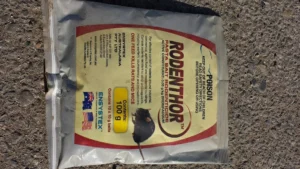
As long as you store it properly (cool, dry, dark), unopened poison will maintain close to full strength until its expiration date.
Once you break that seal and open the package, everything changes. Now the poison is exposed to air and whatever moisture is in the air.
Each time you open the package to put out more bait, you’re exposing it again.
This is why it’s often better to buy smaller packages that you’ll use up quickly, rather than big bulk packages that sit around opened for months. Yes, you pay more per ounce, but you get more effective poison.
If you do buy a large package and only need part of it, try to protect the rest. Seal the original bag inside a larger zip-top freezer bag. Squeeze out as much air as you can before sealing. Store this in a cool, dark, dry place until you need more.
Some people transfer opened poison to airtight containers. This can work, but make sure the container is truly airtight and that it’s clean and dry before you put the poison in.
Also keep the original packaging so you have all the product information and instructions.
Different Types Of Poison Age Differently
Not all rat poisons lose their strength at the same rate. The type of active ingredient makes a big difference in how stable the poison is over time.
| Type of Rat Poison | Common Active Ingredients | Stability Over Time | What Affects It? |
|---|---|---|---|
| Zinc Phosphide | Zinc phosphide | Least stable | Moisture causes it to react and release phosphine gas. Once opened, it can lose significant strength within a few months. |
| First-Generation Anticoagulants | Warfarin, chlorophacinone | Moderately stable | Heat and light can cause it to degrade faster. Proper storage helps it maintain its full shelf life. |
| Second-Generation Anticoagulants | Brodifacoum, bromadiolone, difethialone | Most stable | Can maintain their strength for their full shelf life, even under moderate storage conditions. |
| Bromethalin | Bromethalin | Fairly stable | Holds up well when kept dry but breaks down faster when exposed to moisture. |
| Pellet and Block Baits | Varies | Generally more stable | The compressed formulation helps protect the active ingredients. |
| Liquid Baits | Varies | Least stable formulation | More vulnerable to changes over time and should be used fresh. |
Zinc phosphide products are the least stable. This chemical reacts with moisture in the air to release phosphine gas. Even in sealed packages, some reaction happens over time. Once opened, zinc phosphide poison can lose significant strength in just a few months.
First-generation anticoagulants like warfarin and chlorophacinone are moderately stable. They’ll last their full shelf life if stored well, but they’re more sensitive to heat and light than newer anticoagulants.
These older types are less common now partly because they’re not as stable.

Second-generation anticoagulants like brodifacoum, bromadiolone, and difethialone are the most stable. These are the most common active ingredients in modern rat poisons. They can maintain their strength for the full shelf life even with moderate storage conditions.
Bromethalin, which works on the nervous system instead of the blood, is fairly stable but sensitive to moisture. In dry storage, it holds up well. But if it gets damp, it breaks down faster than anticoagulants would.
The formulation also matters. Pellets and blocks tend to be more stable than loose meal baits. The compressed form protects the active ingredients better. Liquid baits are the least stable and should always be used fresh.
What to Do With Weakened Poison
If you’ve determined that your rat poison has lost significant strength, you have a few options. Choosing the right one depends on how weak the poison is and what your situation requires.
If the poison is only slightly weakened (maybe 10 to 20 percent less potent), you might still use it effectively by putting out more of it. Rats will need to eat more to get a lethal dose, but it can still work if you’re patient and keep the bait stations well-stocked.
For poison that’s moderately weakened (30 to 50 percent less potent), you’re probably better off disposing of it and buying fresh. The risk of creating bait-shy rats or just wasting time dealing with an ineffective product isn’t worth it.

Never try to “boost” weak poison by mixing it with other products or chemicals. This is dangerous and won’t work anyway. You could create something that’s harmful to you or your pets without being any better at killing rats.
If you decide to dispose of weak poison, do it properly. Don’t just throw it in the trash where animals or children might get into it. Check with your local hazardous waste disposal program. Even weakened poison is still toxic enough to be considered hazardous waste.
You could also consider switching to non-poison rat control methods if you keep having problems with poison losing its strength. Snap traps, electronic traps, and exclusion methods (sealing up entry points) don’t degrade over time the way poison does.
Conclusion
Does rat poison get weaker over time? Yes, it absolutely does. The active ingredients break down when exposed to air, moisture, heat, and light. This breakdown happens gradually but steadily, reducing the poison’s ability to kill rats effectively.
The rate of weakening depends on storage conditions and the type of poison. Unopened poison stored properly will stay strong until its expiration date. But once opened, especially in poor conditions, poison can lose significant potency within months.
Using weakened poison leads to problems like sick rats that don’t die, bait-shy rats that avoid poison in the future, and wasted time and money.
The best approach is to buy fresh poison in quantities you’ll use within a few months, store it in cool, dry, dark conditions, and replace it if you’re not sure about its strength.
When dealing with serious rat problems or sensitive locations, always use fresh poison. The difference in effectiveness is worth the cost of buying new product rather than trying to make old poison work.

Hi, my name is Ezra Mushala, i have been interested animals all my life. I am the main author and editor here at snakeinformer.com.