
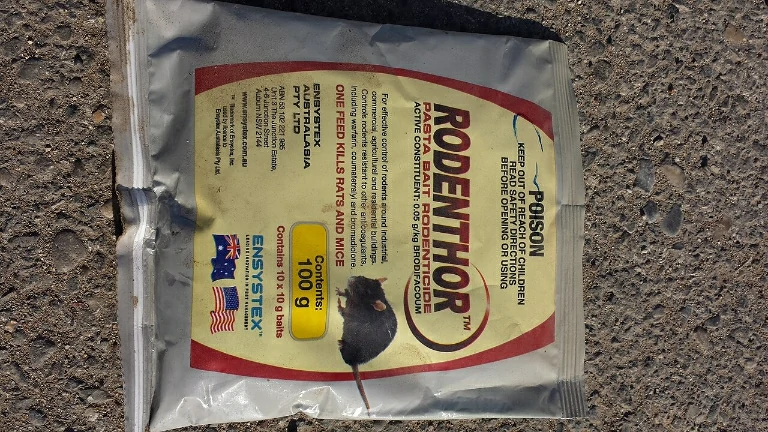
If you’ve ever looked at rat poison in the store or found some in your garage, you might have noticed it comes in different colors. Blue is one of the most common colors you’ll see. But what rat poison is blue, and why does it matter?
Most blue rat poisons contain bromadiolone or brodifacoum as the active ingredient. These are second-generation anticoagulant poisons that are dyed blue to make them easy to identify and to warn people and pets that they’re toxic. The blue color has no effect on how the poison works, it’s just a safety feature.
The blue dye is added on purpose to make the poison stand out. If someone finds blue pellets or blocks, they immediately know something isn’t right and shouldn’t eat it.
Why Rat Poison Is Dyed Blue
The main reason rat poison is dyed blue is safety. Blue isn’t a natural food color for most things people or pets would normally eat.
If a child finds blue pellets on the floor, the unusual color might make them hesitate before putting it in their mouth. It’s not a guarantee, but it helps.
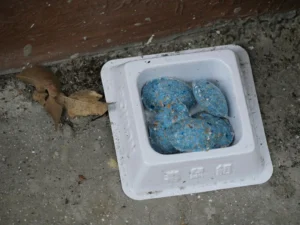
The blue color also makes it easier to spot the poison if it spills. If you drop a blue bait block on the floor, you can see it right away. If it was brown or tan, it might blend in with the floor.
For professionals, the blue color helps them know what type of poison they’re dealing with. Different manufacturers use different colors, and experienced pest control workers can often identify the poison just by looking at it.
Common Blue Rat Poisons on the Market
Several popular rat poison brands use blue coloring. D-Con used to make blue bait blocks before they stopped selling anticoagulant poisons to consumers.
Tomcat makes blue bait blocks that contain bromadiolone. These are really common in hardware stores and big-box retailers.
JT Eaton makes blue bait blocks with brodifacoum. These are usually sold to professionals but you can sometimes find them online.
Havoc also makes blue rodent bait with brodifacoum. This is another professional-grade product that’s popular with pest control companies.
The exact shade of blue can vary. Some are light blue, almost like robin’s egg blue. Others are darker, more like navy blue. But they’re all clearly blue, not a natural food color.
What Makes Blue Poisons Different
The blue color itself doesn’t make these poisons work any differently. The color is just dye added to the bait.
What matters is the active ingredient inside. Most blue rat poisons use second-generation anticoagulants like bromadiolone or brodifacoum.
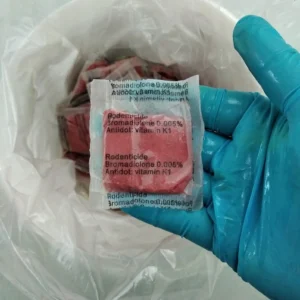
These are stronger than first-generation anticoagulants like warfarin. A rat only needs to eat the poison once or twice to get a lethal dose. With older poisons, rats needed to eat it over several days.
Second-generation anticoagulants work by stopping the rat’s blood from clotting. The rat bleeds internally over 3 to 7 days and eventually dies.
These poisons don’t just affect rats. They can kill mice, squirrels, and other rodents too. That’s why they’re sometimes called “rodenticides” instead of just rat poison.
How to Identify Blue Rat Poison
If you find blue pellets or blocks and you’re not sure what they are, here’s how to tell if it’s rat poison.
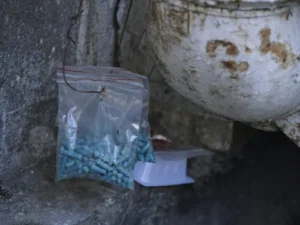
First, look at the shape. Rat poison usually comes as small pellets, blocks, or chunks. The pellets might be about the size of a grain of rice or a bit bigger.
Blocks are usually square or rectangular, about the size of a domino or bigger. They often have a hole in the middle so they can be mounted on a rod inside a bait station.
Second, check the texture. Most rat poison has a waxy or grainy texture. It’s not smooth like candy.
Third, smell it. This isn’t recommended if you don’t know what it is, but rat poison often has a chemical smell or no smell at all. Some have a faint grain smell because they’re made with wheat or other grains.
If you find blue pellets or blocks and you think they might be rat poison, treat them as poison. Don’t touch them with bare hands. Keep pets and kids away. If they’re loose, sweep them up carefully and put them in a sealed container.
What Other Colors Does Rat Poison Have?
Blue isn’t the only color rat poison comes in. Different manufacturers use different colors, and sometimes different products from the same manufacturer are different colors.
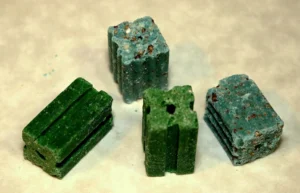
Green is another really common color for rat poison. Red, purple, and tan are also used sometimes.
The color doesn’t tell you exactly what’s in the poison. You need to read the label to know the active ingredient. But certain colors are more common with certain ingredients.
For example, a lot of bromadiolone products are blue or green. Brodifacoum products are often red or blue. But there’s no hard rule about this.
Why Second-Generation Anticoagulants Are So Common
Most blue rat poisons contain second-generation anticoagulants because these are the industry standard now.
First-generation anticoagulants like warfarin were used for decades. But over time, rats in some areas developed resistance to them. These “super rats” could eat warfarin-based poison and not die.
Second-generation anticoagulants were developed to solve this problem. They’re much stronger and work on resistant rats.
The downside is they’re also more dangerous to pets and wildlife. A dog that eats second-generation anticoagulant poison needs immediate treatment. And if a hawk or owl eats a poisoned rat, the poison can build up in the bird’s system and kill it too.
This is why some places have banned or restricted second-generation anticoagulants. California, for example, banned their use in most situations starting in 2021.
How Blue Rat Poison Works in the Rat’s Body
When a rat eats blue rat poison with bromadiolone or brodifacoum, the poison gets absorbed through the stomach and into the bloodstream.
Once in the blood, it travels to the liver. The liver normally makes proteins that help blood clot. The poison blocks this process.
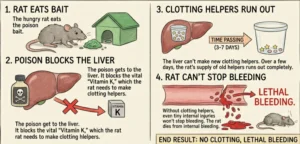
Without these clotting proteins, the rat’s blood can’t form clots anymore. If the rat gets even a tiny internal injury, it will bleed and bleed.
After a few days of this internal bleeding, the rat becomes weak and dies. The whole process usually takes 3 to 7 days from when the rat first eats the poison.
The rat doesn’t feel sick right away. This is actually why the poison works so well. The rat keeps eating the bait over several days because it doesn’t associate the bait with feeling bad.
Is Blue Rat Poison Safe to Use?
Blue rat poison is effective, but safe is a relative term. It’s toxic by design. It’s meant to kill rodents, and it can kill or seriously harm pets and people too.
If you use it correctly, in enclosed bait stations, and you keep those stations away from areas where pets and kids can access them, it can be reasonably safe.
But if you scatter loose pellets around, you’re asking for trouble. Pets can eat them. Kids can find them. Even wildlife like squirrels or birds can eat them.
The blue color helps with safety, but it’s not a magic solution. A hungry dog might eat blue pellets even if they look weird. A curious toddler might put them in their mouth.
Always read the label and follow the directions exactly. Use bait stations whenever possible. And keep the poison in areas that pets and children absolutely can’t access.
What to Do If Someone Eats Blue Rat Poison
If a child eats blue rat poison, call poison control immediately at 1-800-222-1222. Don’t wait to see if symptoms develop. Anticoagulant poisoning can take days to show symptoms.
The poison control center will ask what the child ate, how much, and when. Having the poison package handy is really helpful because it tells them the exact active ingredient.
They’ll tell you whether you need to go to the emergency room or if you can watch the child at home. In most cases with anticoagulant poison, they’ll want the child checked out.
Treatment usually involves vitamin K, which reverses the effects of anticoagulant poison. If caught early, before bleeding starts, the treatment is really effective.
For pets, call your vet or an emergency animal hospital right away. Bring the poison package with you. The vet will probably give vitamin K injections and might keep the pet for observation.
Don’t try to make the person or pet throw up unless a medical professional tells you to. With some poisons, throwing up can make things worse.
Reading the Label on Blue Rat Poison
The label on rat poison is legally required to have certain information. Learning to read it can help you use the poison safely.
First, look for the active ingredient. This is usually on the front of the package. It will say something like “Active Ingredient: Bromadiolone 0.005%.”
That percentage tells you how much of the poison is the active ingredient. The rest is bait material like grains, wax, and dye.
Second, look for the signal word. Rat poison will say either “Caution,” “Warning,” or “Danger.” Most rat poisons say “Caution” or “Warning.”
Third, check the first aid instructions. These tell you what to do if someone eats the poison. Keep this information handy.
Fourth, look for storage and disposal instructions. These tell you how to store the poison safely and how to throw away leftover poison properly.
How Long Does Blue Rat Poison Stay Effective?
Blue rat poison doesn’t last forever. Over time, the active ingredient can break down, especially if the poison gets wet or is exposed to heat and sunlight.
Most rat poisons have a shelf life of about 1 to 3 years if stored properly. The package should have a manufacturing date or expiration date.
Proper storage means keeping the poison in a cool, dry place. Don’t leave it in a hot garage or shed. Don’t let it get wet.
If the poison gets moldy or starts to crumble and turn to powder, throw it away. It’s probably not effective anymore.
Old poison that’s lost its potency is actually dangerous in a different way. Rats might eat it and not die, which can lead to bait shyness. They’ll avoid that type of bait in the future.
Alternatives to Blue Rat Poison
If you’re uncomfortable using blue rat poison or any poison, there are alternatives.
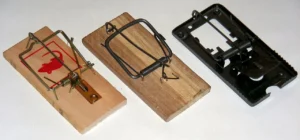
Snap traps are the old-fashioned option. They kill instantly if set up right. The downside is you have to dispose of dead rats yourself.
Electronic traps use a high-voltage shock to kill rats instantly. They’re more expensive but some people find them more humane.
Live traps catch rats without killing them. You then have to relocate the rat far from your home. This doesn’t always work well because rats are territorial and might not survive in a new area.
Exclusion is the best long-term solution. This means sealing up any holes or gaps that rats use to get into your home. If they can’t get in, you don’t need poison.
Conclusion
Most blue rat poison contains bromadiolone or brodifacoum, which are second-generation anticoagulant poisons. The blue color is added as a safety feature to make the poison easy to identify and to warn people and animals that it’s toxic.
These poisons are effective but dangerous. They can harm pets, children, and wildlife if not used carefully. Always use enclosed bait stations, follow label directions, and store the poison safely out of reach.
If you’re going to use blue rat poison, respect what it is. It’s a tool that works, but it’s also a serious toxin that needs to be handled with care.
When in doubt, call a professional pest control company instead of doing it yourself.

Hi, my name is Ezra Mushala, i have been interested animals all my life. I am the main author and editor here at snakeinformer.com.