
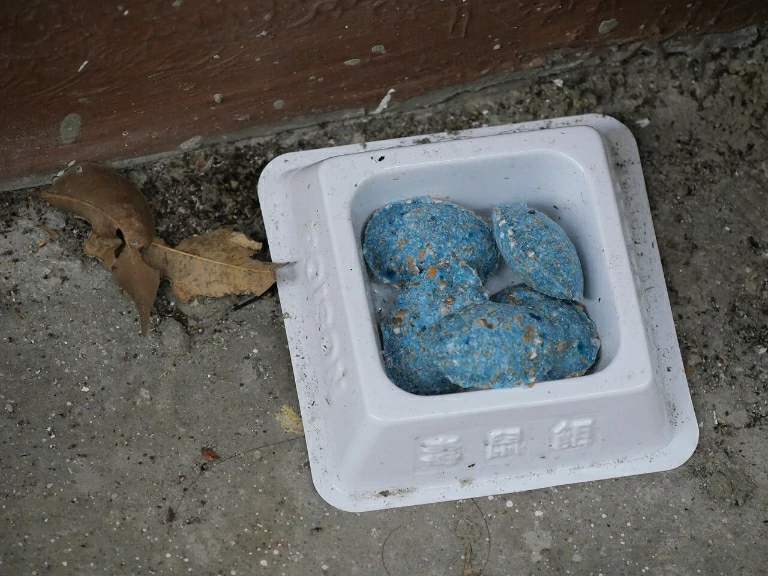
You might have found an old box of rat poison in your garage or under the sink and wondered if it’s still good to use. Maybe it’s been sitting there for a few years, or maybe you can’t even remember when you bought it.
Like most products, rat poison does have a shelf life, but how long it lasts and whether it’s still effective after the expiration date can be confusing. Does rat poison expire or go out of date?
Yes, rat poison does expire and go out of date. Most rat poisons have a shelf life of 1 to 3 years from the manufacturing date. After this time, the active ingredients start to break down and the poison becomes less effective at killing rats.
The expiration date matters because the chemicals in rat poison degrade over time, especially when exposed to heat, moisture, or sunlight.
Using expired rat poison might not kill rats effectively, which means you’ll waste your time and money while the rats keep causing problems in your home.
How Long Does Rat Poison Actually Last?
The shelf life of rat poison depends on what type you’re using and how it’s been stored.
Most rat poisons will have an expiration date printed somewhere on the package. This is usually between one and three years from when it was made.
Here’s a quick look at how long the different types of rat poison typically last:
| Type of Rat Poison | Typical Shelf Life |
|---|---|
| Anticoagulant rat poison | 2–3 years |
| Bromethalin-based poison | 2–3 years |
| Zinc phosphide | 1–2 years |
| Professional-grade rat poison | Up to 5 years |
Anticoagulant rat poisons, which are the most common type, typically last about two to three years if stored properly. These include products with active ingredients like bromadiolone, brodifacoum, or diphacinone.
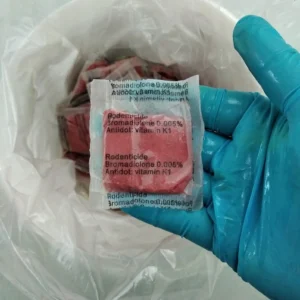
The manufacturer tests these products to make sure they stay effective for that time period.
Bromethalin-based poisons, which work on the rat’s nervous system, usually have a similar shelf life of two to three years.
Zinc phosphide products tend to have a shorter shelf life, often just one to two years, because the active ingredient breaks down faster.
Some professional-grade rat poisons might last a bit longer, up to five years, but this is less common.
These are usually stored in better conditions and have higher-quality packaging that protects the poison from breaking down.
Where to Find the Expiration Date
Finding the expiration date on rat poison isn’t always straightforward. Different manufacturers put it in different places, and sometimes they use codes instead of clear dates.
Look for a date stamped on the bottom or side of the package. It might say “EXP,” “Best By,” or “Use By” followed by a date
. Some packages will have the date printed on a label, while others have it stamped directly into the plastic or cardboard.
If you can’t find a clear expiration date, look for a manufacturing date or batch code. The manufacturing date might be labeled as “MFG” or “DOM” (date of manufacture). If you find this, add two to three years to figure out when the poison probably expires.
Some manufacturers use batch codes that include the date. These codes often have numbers that represent the year and day of the year.
For example, “23045” might mean the 45th day of 2023. If you’re not sure what the code means, you can try calling the manufacturer’s customer service number, which should be on the package.
What Happens When Rat Poison Expires?
When rat poison goes past its expiration date, the active ingredients start breaking down.
This happens slowly at first, but it speeds up the longer the poison sits around. The breakdown is caused by exposure to air, moisture, heat, and light.
As the active ingredients break down, they become less potent. This means the poison won’t be as effective at killing rats. A rat might eat the expired poison and only get slightly sick instead of dying.
Or it might need to eat much more of the expired poison to get a lethal dose.
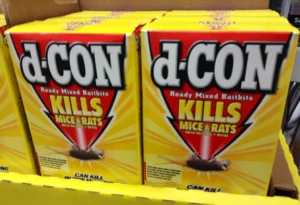
The bait material itself can also go bad. Many rat poisons use food-based baits like grains, seeds, or peanut butter to attract rats.
These food materials can become stale, moldy, or rancid over time. When this happens, rats are less likely to eat the poison because it doesn’t smell or taste good anymore.
In some cases, expired rat poison can become completely ineffective. The active ingredients might break down so much that there’s not enough left to harm a rat at all. You’d basically be putting out rat food instead of rat poison.
Signs Your Rat Poison Has Gone Bad
Even if the expiration date hasn’t passed yet, rat poison can go bad if it’s been stored poorly. There are several signs that tell you the poison isn’t good anymore.
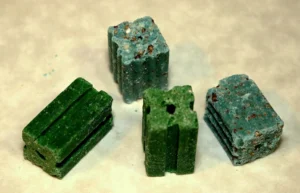
Look at the color of the poison. Fresh rat poison usually has a consistent color, whether it’s green, blue, red, or another color.
If the poison has faded significantly or has white spots or patches, it’s probably gone bad. This discoloration means the dye (and probably the active ingredients too) has broken down.
Check the smell. Most rat poisons have a distinct smell from the bait material. If it smells rancid, musty, or moldy, don’t use it. Rats won’t want to eat it anyway, and the active ingredients have probably degraded along with the bait.
Feel the texture. Rat poison blocks or pellets should be firm and dry. If they’re soft, crumbly, or sticky, moisture has gotten in and broken down the poison.
Moisture is one of the fastest ways for rat poison to become ineffective.
If you see any mold growing on the poison, throw it away immediately. Mold means there’s been significant moisture exposure, and the poison is definitely no good. Plus, mold can be harmful to you and your pets.
How Storage Affects Shelf Life
The way you store rat poison makes a huge difference in how long it stays effective. Even poison that’s well within its expiration date can become useless if you store it badly.
Temperature is really important. Rat poison should be stored in a cool place, ideally between 50 and 80 degrees Fahrenheit. High temperatures speed up the breakdown of the active ingredients.
A garage or shed that gets really hot in summer will make your rat poison expire faster than the date on the package.
Moisture is probably the biggest enemy of rat poison. If the poison gets wet or is stored in a humid place, it’ll break down quickly.
Always keep rat poison in its original sealed package until you’re ready to use it. Once you open it, try to keep it as dry as possible.
Sunlight can also degrade rat poison. UV rays break down many chemicals, including the active ingredients in rat poison.
Store the poison in a dark place, away from windows or bright lights. The original packaging usually provides some protection, but it’s better to keep it in a cabinet or closet.
Air exposure matters too. Once you open a package of rat poison, the active ingredients start reacting with oxygen in the air. This is a slow process, but it happens.
If you’re not going to use all the poison right away, try to seal the package as well as you can.
Can You Still Use Expired Rat Poison?
This is a question a lot of people have, especially if they just found out their poison is past its expiration date. The short answer is that you can try, but it probably won’t work as well as fresh poison.
If the poison is only a few months past its expiration date and has been stored properly, it might still work. The active ingredients don’t suddenly disappear the day after the expiration date. They break down gradually over time.
But if the poison is a year or more past its expiration date, you’re probably wasting your time. The potency has likely dropped enough that rats won’t get a lethal dose, even if they eat a lot of it.
You might just end up with sick rats instead of dead ones.
Using expired rat poison can actually make your rat problem worse in some ways. If rats eat the weakened poison and only get slightly sick, they might learn to avoid that type of bait in the future.
This is called bait shyness, and it makes it much harder to poison those rats later on.
It’s also worth thinking about safety. While expired rat poison is less effective on rats, it can still be harmful to pets and children if they get into it. The risk doesn’t go away just because the poison is old.
Different Types Age Differently
Not all rat poisons age at the same rate. The type of active ingredient and the formulation both affect how quickly the poison breaks down.
First-generation anticoagulants like warfarin and chlorophacinone tend to be less stable and break down faster. These older types of rat poison usually have shorter shelf lives, often on the lower end of that 1 to 3 year range.

Second-generation anticoagulants like brodifacoum and bromadiolone are more stable and typically last longer. These are the most common types you’ll find in stores today. They can stay effective for the full three years if stored correctly.
Bromethalin-based poisons are somewhere in the middle. They’re fairly stable but can break down if exposed to moisture or high temperatures. The pellet form tends to last longer than the block form because pellets are denser and less porous.
Zinc phosphide products have the shortest shelf life of common rat poisons. This is because zinc phosphide reacts with moisture in the air to release phosphine gas. Over time, this reaction uses up the active ingredient even if the package hasn’t been opened.
What to Do With Expired Rat Poison
If you’ve determined your rat poison is expired, don’t just throw it in the trash. Rat poison is considered hazardous waste in many areas, and there are proper ways to dispose of it.
Check with your local waste management department about hazardous waste disposal. Many communities have special collection days or drop-off locations for household hazardous waste. Rat poison usually qualifies for these programs.
Never pour rat poison down the drain or toilet. The chemicals can contaminate water systems and harm wildlife. Even expired poison can still be toxic enough to cause environmental problems.
Don’t burn rat poison. Burning it releases toxic fumes that are dangerous to breathe. This applies whether the poison is fresh or expired.
If you can’t find a hazardous waste program in your area, seal the expired poison in its original container, put that inside a plastic bag, and then inside another container. Label it clearly as rat poison.
Then check with your local waste management to see if they have special instructions for disposal.
How to Store Rat Poison Properly
If you want your rat poison to last as long as possible and stay effective until the expiration date, proper storage is key. Following these steps will help you get the most out of your purchase.
Keep rat poison in its original packaging. The manufacturer designed this packaging to protect the poison from air, moisture, and light.
Don’t transfer it to other containers unless absolutely necessary.

Store it in a cool, dry place. A locked cabinet in a climate-controlled part of your house is ideal. Avoid garages, sheds, or outdoor storage unless they stay cool and dry year-round.
Keep the poison away from children and pets. This is important for safety reasons, but it also helps preserve the poison. A locked cabinet or high shelf keeps curious hands and paws away.
Seal opened packages as tightly as possible. If the original packaging doesn’t reseal well, put the entire package inside a zip-top freezer bag or an airtight container. Squeeze out as much air as you can before sealing.
Check on stored poison periodically. Every few months, take a quick look to make sure there’s no moisture, mold, or other signs of degradation. This helps you catch problems early before you need to use the poison.
Professional vs. Consumer Rat Poison
Professional-grade rat poisons that pest control companies use often have different shelf lives than what you can buy at the store. Understanding these differences can help you make better choices.
Professional products usually come in larger quantities with better packaging. This packaging does a better job protecting the poison from environmental factors that cause breakdown. As a result, professional poisons often last closer to the top end of the shelf life range.
The active ingredients in professional products are sometimes more concentrated.
This doesn’t necessarily make them last longer on the shelf, but it does mean they stay effective longer even as they start to degrade. A slightly degraded professional poison might still be more potent than fresh consumer-grade poison.
Professional pest control companies also tend to manage their inventory better. They use products more frequently and rotate stock to make sure they’re always using fresh poison.
When you buy poison at a store, you don’t know how long it’s been sitting on the shelf before you bought it.
If you have a serious rat problem, it might be worth hiring a professional instead of using store-bought poison. They’ll have fresh, effective products and the knowledge to use them properly.
The Cost of Using Old Poison
Using expired or degraded rat poison might seem like a way to save money, but it can actually cost you more in the long run. Understanding these costs helps you make a better decision about whether to use old poison or buy fresh.
First, there’s the wasted time. If the poison doesn’t work, you’ll spend days or weeks thinking you’re solving the problem when you’re not.
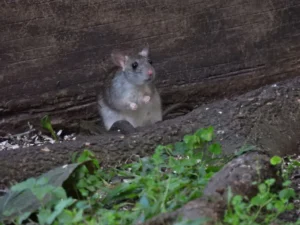
Meanwhile, the rats keep breeding and causing damage. A female rat can have up to 12 babies every three weeks, so time matters.
There’s also the cost of the poison itself. If expired poison doesn’t work, you’ve wasted whatever you paid for it (even if that was years ago).
Then you have to turn around and buy fresh poison anyway.
Rats that eat weakened poison but don’t die can develop bait shyness. This means you’ll have a harder time poisoning them in the future, even with fresh poison. You might need to switch to more expensive poison types or hire a professional.
Property damage adds up too. While you’re messing around with ineffective poison, the rats are chewing through wires, insulation, and wood. They’re contaminating your food and leaving droppings everywhere. This damage costs money to repair and clean up.
Conclusion
Does rat poison expire? Yes, it definitely does. Most rat poisons last between one and three years from their manufacturing date, but this depends on the type of poison and how you store it.
The active ingredients in rat poison break down over time, especially when exposed to heat, moisture, air, and light. This makes the poison less effective at killing rats. In some cases, expired poison becomes completely useless.
You can find the expiration date on the package, usually on the bottom or side. If you can’t find a clear date, look for a manufacturing date or batch code. Signs that poison has gone bad include discoloration, bad smells, texture changes, and mold growth.
Proper storage can help rat poison last until its expiration date. Keep it cool, dry, and dark, in its original packaging. But once it’s expired, it’s better to dispose of it properly and buy fresh poison rather than risk wasting time and money on a product that won’t work.

Hi, my name is Ezra Mushala, i have been interested animals all my life. I am the main author and editor here at snakeinformer.com.