
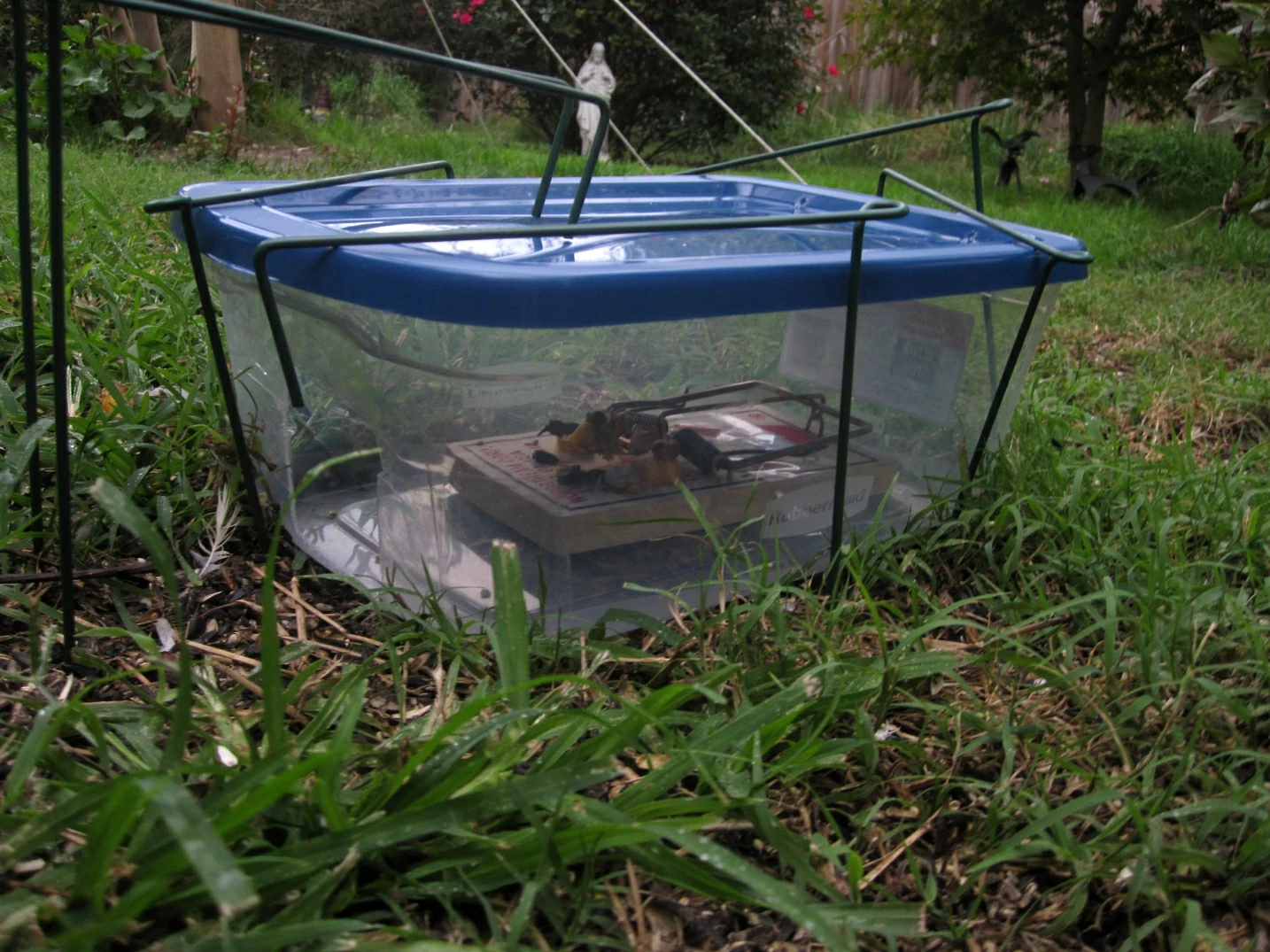
You set up a rat trap with fresh bait, and the next morning the whole thing is gone. No dead rat, no sprung trap, just an empty spot where your trap used to be. It’s frustrating and confusing, especially if this keeps happening. So can a rat actually drag a trap away?
Yes, a rat can drag a trap away if the trap is lightweight and not secured to anything. This usually happens when the trap catches the rat’s tail or leg instead of killing it, allowing the rat to pull the trap along as it tries to escape.
Rats are surprisingly strong for their size, and when they’re caught and panicking, they can move traps much farther than you’d expect. The trap ends up somewhere else entirely, sometimes with a dead or dying rat still attached.
Why Rats Can Drag Traps
Rats are much stronger than most people realize. A rat can pull or drag objects that weigh several times its own body weight, especially when it’s in survival mode.
An adult Norway rat weighs between 10 to 18 ounces (about 280 to 500 grams). A standard wooden or plastic snap trap weighs somewhere between 1 to 3 ounces. This means the trap is a fraction of the rat’s weight.

When a rat gets caught in a trap but isn’t killed instantly, pure panic and adrenaline kick in. The rat will do everything it can to get away, and that includes dragging the trap with it.
The trap might have caught the rat’s tail, leg, or body in a non-lethal spot. The rat is still mobile enough to run, but the trap is stuck to it, so the whole thing moves together.
When This Usually Happens
Traps disappear most often when they’re placed on smooth surfaces where there’s nothing to catch or snag the trap. Tile, linoleum, or sealed concrete floors make it easy for a rat to pull a trap.
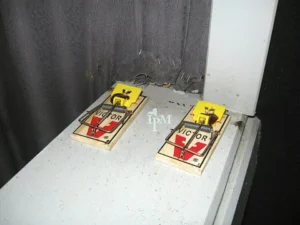
Lightweight traps are more likely to be dragged away. Those thin plastic snap traps or small wooden traps just don’t have enough weight to slow down a determined rat.
If the trap is positioned poorly, it might not deliver a killing blow. When the trap catches a rat off-center (like on the leg or tail instead of the neck), the rat survives long enough to escape while dragging the trap.
Young or small rats are particularly likely to drag traps. They’re light enough that the trap doesn’t kill them as reliably, but they’re still strong enough to move it.
Where Dragged Traps End Up
If a rat drags a trap away, where does it go? Usually not very far, but sometimes farther than you’d expect.
Check under and behind appliances first. Rats will instinctively head for dark, enclosed spaces when they’re injured or scared. You’ll often find traps wedged under refrigerators, stoves, or washing machines.
Inside walls or crawl spaces is another common spot. If there’s a hole or gap the rat can squeeze through, it’ll take the trap with it. You might hear dragging or thumping sounds coming from inside your walls.
Behind furniture or in closets are other possibilities. Rats look for anywhere they can hide, and if they’re dragging a trap, they’ll pull it into whatever safe spot they can reach.
Sometimes you’ll find the trap outside if there’s an exit point nearby. The rat might drag it out through a hole in the foundation, a gap around a pipe, or an open door.
Signs a Rat Dragged Your Trap
There are usually clues that tell you a trap was dragged rather than stolen or moved by something else.
You might see drag marks on dusty or dirty floors. The trap or the rat’s body will leave tracks as it’s pulled along. Look for thin scrape marks or disturbed dust patterns.
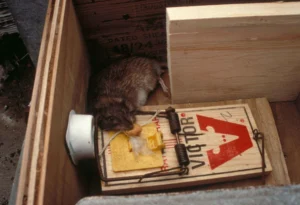
Blood trails are another sign. If the trap caught and injured the rat, there will usually be small drops or smears of blood leading away from where the trap was originally placed.
You might hear sounds in the walls or under floors. A rat dragging a trap makes noise, especially if the trap is bumping against surfaces or getting stuck on things.
Sometimes you’ll find the trap later with a dead rat still attached. The rat dragged it as far as it could before dying from its injuries.
What About Live Traps?
Live traps (cage traps) can also be dragged away, though it’s less common because they’re usually heavier than snap traps.
If you’re using a small, lightweight live trap and a rat gets caught inside, the rat might try to push or pull the trap around. You’ll find it moved from where you set it, sometimes tipped over or turned around.
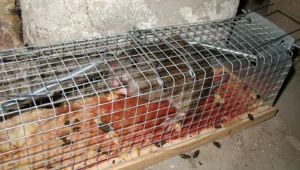
This is more likely to happen if the trap isn’t on a flat, stable surface. A trap on uneven ground or on a sloped floor can be pushed around more easily by a panicking rat inside.
Heavier live traps (the bigger wire cage models) are much harder for rats to move. They might shake it or tip it slightly, but they won’t drag it very far.
How to Prevent Traps from Being Dragged
The easiest way to stop rats from dragging traps is to secure the traps to something solid. This way, even if a rat gets caught without being killed, it can’t go anywhere.
You can use zip ties, wire, or screws to attach snap traps to the floor, wall, or a board. Just make sure whatever you use doesn’t interfere with the trap’s trigger mechanism.
Some traps come with holes or slots designed for securing them. If yours doesn’t, you can drill a small hole in the base (away from the spring mechanism) and thread wire through it.
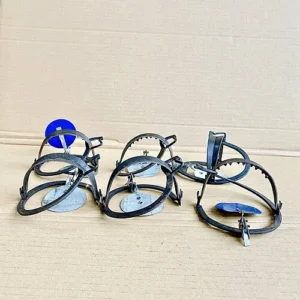
Another option is to use heavier traps. There are commercial rat traps made of thick plastic or metal that weigh significantly more than standard traps. These are much harder for a rat to drag.
Glue boards won’t be dragged as easily if you use large ones or secure them to the floor. However, small glue traps can definitely be carried off by rats.
Using Heavier or Larger Traps
Switching to larger, heavier traps can solve the dragging problem while also increasing your chances of a clean kill.
Professional-grade snap traps are built heavier and sturdier than the cheap ones you find at grocery stores. They weigh more and hit harder, which means better results.
Electronic rat traps are much heavier (often several pounds) and almost never get dragged away. Plus, they kill very reliably, so the rat doesn’t survive long enough to try escaping.
Large multi-catch traps (the ones that can catch multiple rats) are too heavy for a single rat to move. These are great if you’re dealing with a serious infestation.
Just keep in mind that bigger, heavier traps are also more expensive. You’re paying for better performance and the peace of mind that your traps will stay where you put them.
What If You Find a Trap with a Live Rat
Sometimes you’ll track down a missing trap and find that the rat is still alive, stuck to or in the trap. This is an unpleasant situation but you need to deal with it.
If it’s a snap trap and the rat is still alive, the most humane thing is to dispatch it quickly. You can use a quick blow to the head (if you’re comfortable doing this) or place the trap and rat in a container and use CO2 from dry ice.
Don’t try to release the rat from the trap. It’s injured, in pain, and will bite you if given the chance. Plus, releasing an injured rat is just prolonging its suffering.
For live traps with a rat inside, you have options. You can relocate the rat (check local laws first), or you can dispatch it. Never just leave a trapped rat to die slowly from stress or dehydration.
Always wear gloves when handling traps with rats (dead or alive). Rats carry diseases and parasites that can transfer to humans through bites or contact with their fluids.
Other Animals That Might Move Traps
Before you assume a rat dragged your trap away, consider that other animals might be the culprit.
Cats and dogs will sometimes pick up traps, especially if there’s food on them or if a rat is caught in the trap. Your pet might have grabbed it and carried it off to investigate.
Other rats might actually move a trap. Rats are curious and will sometimes investigate traps, especially if another rat is caught in one. They might push or pull at it.

Larger wildlife like raccoons, opossums, or skunks can definitely move rat traps around. They’re strong enough to pick up traps and carry them, especially if they’re interested in the bait.
Even insects can be involved. If you’re using glue traps, sometimes large insects get stuck on them, and their struggling can cause the trap to move slightly (though not drag it far).
Why Proper Trap Placement Matters
How and where you place traps makes a huge difference in whether they’ll be dragged away or not.
Traps should be placed flat and stable, not on uneven surfaces or areas where they can tip easily. A wobbly trap is more likely to deliver a bad hit and let the rat escape with it.
Put traps perpendicular to walls with the trigger end facing the wall. Rats run along walls, so they’ll approach the trap from the side and trigger it properly, leading to a better kill.
Avoid placing traps in wide-open areas. Rats are less likely to cross open spaces, so traps in the middle of a room often get ignored. Stick to edges, corners, and along travel routes.
Make sure there’s nothing blocking the trap from snapping completely shut. Debris, uneven flooring, or other objects can prevent the bar from coming down with full force.
How Strong Are Rats Really?
It’s worth understanding just how capable rats are physically. They’re not just strong for their size, they’re genuinely impressive little animals.
Rats can chew through materials like wood, plastic, cinder blocks, and even some metals given enough time. Their teeth never stop growing, so they’re constantly gnawing to keep them filed down.

They can squeeze through holes as small as a quarter (about the size of their skull). This flexibility and determination means they can take traps into places you wouldn’t think possible.
Rats can jump up to 3 feet vertically and 4 feet horizontally. They’re excellent climbers and swimmers too. All of this makes them very hard to contain once they’re caught but not killed.
When you combine their strength with their survival instincts and pain tolerance, you get an animal that will absolutely try to escape a trap by any means necessary, including dragging it along.
Electronic Traps Don’t Get Dragged
If you’re tired of finding missing traps, electronic rat traps are worth considering. These solve the dragging problem completely.
Electronic traps are heavy (usually 2 to 4 pounds or more) and often have non-slip bases. A rat can’t drag these even if it wanted to.
More importantly, electronic traps kill almost instantly with a high-voltage shock. The rat doesn’t survive long enough to try escaping, so there’s no dragging in the first place.
These traps also contain the rat’s body inside the unit. You don’t have to see or touch the dead rat, and there’s no chance of it being dragged around your house.
The main downside is cost. Electronic traps run anywhere from 40 to 100 dollars each, compared to a few dollars for snap traps. But if you’re dealing with persistent problems, they’re worth the investment.
What to Do About Rats in Walls
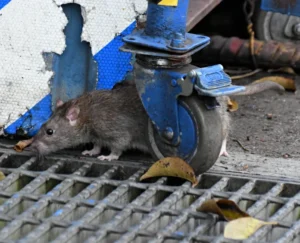
If a rat dragged a trap into your wall and died there, you’ve got a new problem. Dead rats smell terrible as they decompose.
The smell usually shows up within a day or two and can last for several weeks depending on the size of the rat and environmental conditions. It’s a sweet, sickly odor that gets worse before it gets better.
If possible, try to locate and remove the carcass. Look for entry points into the wall cavity, or cut a small access hole if you can identify where the smell is strongest (and if you’re comfortable doing this).
If you can’t reach it, you’ll have to wait it out. Open windows, use fans to increase air circulation, and use odor absorbers like activated charcoal or commercial products designed for dead animal smells.
In the future, securing your traps properly prevents this whole situation. It’s much easier than dealing with a decomposing rat inside your walls.
Conclusion
Rats can absolutely drag traps away, especially lightweight snap traps that don’t kill them instantly. They’re strong, determined animals, and when they’re injured and panicking, they’ll pull a trap much farther than you’d expect.
The best solution is to secure your traps so they can’t be moved, use heavier traps that rats can’t drag, or switch to electronic traps that kill instantly and are too heavy to be pulled around.
If you keep finding missing traps, check under appliances, behind furniture, inside walls, and any other hiding spots rats might reach. And in the future, a little extra effort securing your traps will save you a lot of frustration.

Hi, my name is Ezra Mushala, i have been interested animals all my life. I am the main author and editor here at snakeinformer.com.