
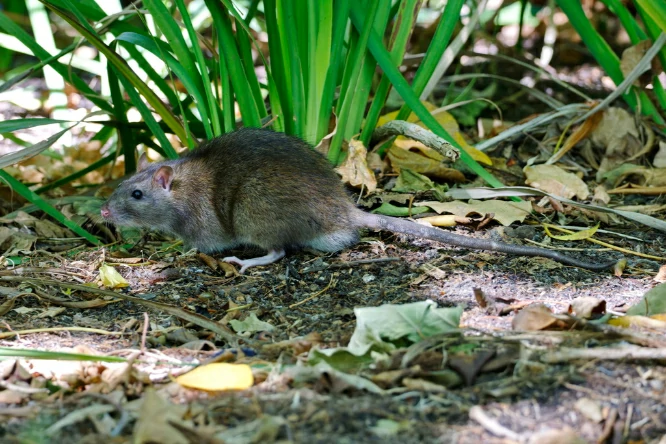
Rats in the garden are one of those problems that gets worse the longer you ignore it. They chew through bulbs, raid compost bins, and dig burrows along fences and sheds.
They’ll also gnaw on irrigation lines, strip bark off young trees, and eat their way through vegetable beds right before harvest.
Once you decide to deal with them, the poison aisle can feel overwhelming, with different active ingredients, bait stations, and warnings all competing for your attention. So what’s actually the best rat poison for gardens?
The best rat poison for outdoor and garden use is a first generation anticoagulant, like diphacinone or chlorophacinone, used inside a locked bait station. These are the only rodenticides sold to regular consumers in the US, and they’re a lot safer for pets and wildlife than the stronger poisons used by pest control professionals.
That answer needs some unpacking, since “rat poison” isn’t one single product.
There are a few different types, and they don’t all work the same way or carry the same risks to your garden’s other visitors.
What Kinds of Rat Poison Are Sold to Homeowners?
If you’re buying rat poison off a store shelf in the US, you actually have fewer choices than you might think.
The Environmental Protection Agency (EPA), which regulates pesticides in the country, only allows a few active ingredients in products sold to regular people.
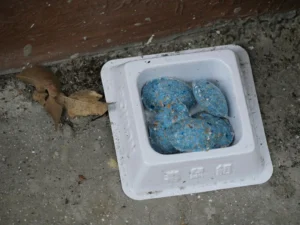
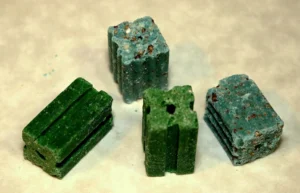
Consumer bait station products are limited to bromethalin, chlorophacinone, or diphacinone. Anything stronger than that is reserved for licensed pest control companies.
This wasn’t always the case. Years ago, homeowners could buy much stronger poisons, called second generation anticoagulants.
The EPA pulled those from store shelves because of how often they were poisoning pets, kids, and wildlife that had nothing to do with the rat problem.
That change took effect back in 2008, as part of a wider safety review of rodenticides across the whole consumer market.
So why does this matter to you as a gardener? It means the products you’re allowed to buy in a regular store are already the safer end of the spectrum, even before you make any choice between them.
The Two Main Types of Rat Poison You’ll See
Almost every rat poison works one of two ways. Knowing the difference actually matters, both for how well it works and how risky it is for anything besides the rat.
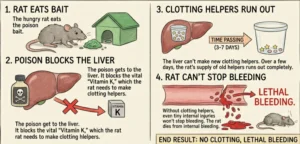
- Anticoagulants stop a rat’s blood from clotting.
The rat eats the bait, and over the next several days, internal bleeding builds up until it dies. This group includes both first generation types (chlorophacinone, diphacinone, warfarin) and second generation types (brodifacoum, bromadiolone, difenacoum, difethialone).
- Bromethalin works completely differently.
It’s a neurotoxin that messes with how cells in the brain produce energy, which leads to swelling in the brain and nervous system. It kills faster than anticoagulants and needs a smaller dose to work.
- There’s also cholecalciferol, which is just a concentrated form of vitamin D3.
In tiny doses it’s harmless, even helpful, but in the amount used in rat bait, it pushes calcium levels in the blood so high that it causes kidney failure.
Each of these kills a rat in a different way. But only one of them has a real antidote if a pet or a person gets into it by accident, and that’s worth knowing before you pick one.
Which Poison Kills Rats the Fastest?
Bromethalin is usually the quickest of the three types available to homeowners. It can cause symptoms within hours and often kills within a day or two, since it only takes a small dose to mess with how brain cells work.
Anticoagulants work slower on purpose. A rat needs several days of feeding before enough poison builds up to cause fatal bleeding, which is actually part of the safety design, not a flaw.
That slower timeline is exactly why anticoagulants tend to be gentler on anything else that might eat the poisoned rat afterward.
Speed and safety end up pulling in opposite directions here, so the fastest option isn’t necessarily the best one for a garden that gets visits from owls, hawks, foxes, or a family dog.
Why First Generation Anticoagulants Are the Safer Choice for Gardens
Out of everything sold to homeowners, first generation anticoagulants like diphacinone and chlorophacinone are generally the better pick for garden use, and there’s a real reason for that.
These poisons need a rat to feed on them more than once to build up a lethal dose. That slower buildup means a predator or pet would have to eat several poisoned rats before absorbing a dangerous amount themselves.
Second generation anticoagulants, the ones now restricted to professionals, only need one feeding to kill.
But since it still takes several days for the rat to actually die, that rat keeps eating more bait the whole time, building up way more poison in its body than it needs.
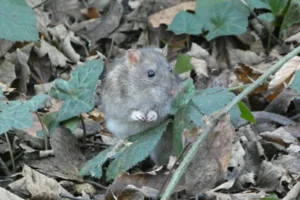
A hawk, owl, or family dog that eats that rat gets a much bigger dose than it would from a rat poisoned with the older, weaker formula. This difference is exactly why the EPA drew the line where it did.
There’s also a practical safety reason to prefer anticoagulants over bromethalin or cholecalciferol for a home garden.
If a pet or a child accidentally gets into anticoagulant bait, vets and doctors can treat it with vitamin K1, which works as a genuine antidote. Bromethalin and cholecalciferol don’t have one.
Best Rat Poison Options for Garden Use: A Comparison
Here’s how the main consumer-available options stack up against each other.
| Active Ingredient | Type | Speed | Antidote Available | Best For |
|---|---|---|---|---|
| Diphacinone | First gen anticoagulant | Multiple feedings, several days | Yes (Vitamin K1) | Gardens with pets or wildlife nearby |
| Chlorophacinone | First gen anticoagulant | Multiple feedings, several days | Yes (Vitamin K1) | Gardens with pets or wildlife nearby |
| Bromethalin | Neurotoxin | Faster, smaller dose needed | No | Areas with heavy rat pressure, low pet/wildlife traffic |
| Cholecalciferol | Vitamin D toxin | Several days | No | Rarely the first pick for home gardens |
| Brodifacoum, Bromadiolone (2nd gen) | Second gen anticoagulant | Single feeding | Yes, but higher risk of severe poisoning | Professional use only, not sold to consumers |
For most home gardens, a first generation anticoagulant in a locked bait station gives you the best mix of effectiveness and safety.
This is especially true for yards with dogs, cats, songbirds, or nearby wildlife passing through.
That said, if you live somewhere with a serious infestation and very little chance of pets or predators finding the bait, bromethalin can clear things out faster.
Do You Really Need a Bait Station?
No matter which poison you pick, the station it goes in matters just as much as the active ingredient. This is actually required by law for a reason.
EPA rules say that any consumer rat bait sold today has to come in a tamper resistant bait station, and it has to be labeled for use only indoors, or outdoors within 50 feet of a building.
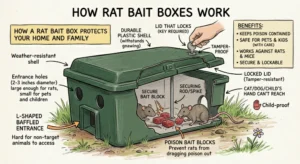
A tamper resistant station is built so a curious dog or a small child can’t get into the bait, even if they find it and try. Rats, on the other hand, can walk right in through small openings sized for them.
If you’ve ever seen loose pellets or bait blocks just scattered in a garden bed, that’s not how these products are supposed to be used anymore.
Loose bait placement was banned for consumer products, specifically because it was so easy for pets and non-target wildlife to get into.
Pelleted baits in particular are no longer allowed in anything marketed to homeowners, only block or paste bait inside a proper station.
Why Does Secondary Poisoning Matter So Much for a Garden?
If your garden gets visits from hawks, owls, foxes, or even neighborhood cats, this isn’t a small detail. It’s the main reason rat poison regulation exists in the first place.
When a predator eats a poisoned rat, it’s called secondary poisoning, and it happens more often than most people realize.

A Tufts University study of red-tailed hawks found that 100 percent of the birds tested had been exposed to anticoagulant rodenticides. On top of that, 91 percent had more than one type in their system at once.
Barn owls, great horned owls, red-tailed hawks, bobcats, foxes, and even mountain lions have all turned up with rodenticide residue in wildlife studies.
One well known case was Flaco, the Eurasian eagle owl that lived in New York’s Central Park after escaping his enclosure. When he died, testing found he’d been exposed to four different second generation anticoagulants.
Second generation anticoagulants are the biggest contributor to this problem, since they can stay in an animal’s liver for months.
That’s part of why homeowners can no longer buy them, but it’s also a good reason to stick with the weaker first generation options even where they’re still available.
Should You Try Non-Poison Options First?
Before reaching for poison at all, it’s worth knowing that pest control experts generally recommend trying other methods first. This matters even more in a garden where pets and wildlife pass through regularly.
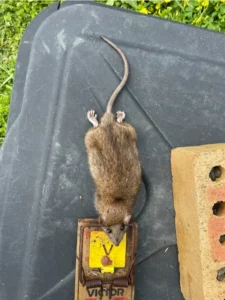
Snap traps kill quickly and don’t carry any risk of secondary poisoning, since there’s no chemical involved. They’re reusable, cheap, and when placed correctly, effective.
Cutting off food and shelter matters just as much as any trap or poison. Covering compost bins, picking up fallen fruit, storing pet food indoors, and sealing gaps under sheds all make a garden less appealing to rats in the first place.
Extension programs at several universities point to this combination approach, often called integrated pest management, as the most effective long term solution.
Poison alone rarely solves a rat problem permanently if the food and shelter that attracted them in the first place are still around. New rats tend to move in within weeks of the old ones being cleared out, especially if the yard still offers easy food and cover.
Live traps are another option some gardeners prefer, though they come with a catch.
Once you’ve trapped a rat, you still need somewhere legal and humane to release it, and in a lot of areas, relocating wildlife like this isn’t allowed. Check your local and state rules before going this route.
When It Makes Sense to Call a Professional
Some rat problems are bigger than a few bait stations can handle, and that’s when it’s worth bringing in a licensed pest control company.
Professionals have access to second generation anticoagulants and other stronger products that aren’t available to consumers.
They’re also trained on proper placement, which reduces the secondary poisoning risk even when using stronger chemicals.
If you’re dealing with a large, established rat colony, that’s usually a sign a few bait stations won’t cut it.
Seeing rats out and about during the day is another red flag, since it often means the population has gotten large enough that the usual nighttime feeders are being pushed out into daylight hours.
A problem that keeps coming back despite your own efforts is the clearest sign of all.
At that point, a professional assessment can save you time and reduce the risk of misusing a product that’s more dangerous than it needs to be for your situation.
How to Use Rat Poison Safely in a Garden
If you decide poison is the right call for your situation, a few habits make a real difference in keeping it safe.
Always use a locked, tamper resistant bait station, even if you don’t think pets or kids can reach that part of the garden. Wildlife and neighborhood animals move around more than people expect.
Place stations along walls, fences, and other edges where rats naturally travel, rather than out in the open. Rats tend to avoid crossing open spaces, so bait placed along their actual paths works better anyway.
Check stations regularly and remove any dead rats you find promptly. A dead rat left out in the open is exactly the kind of easy meal that leads to secondary poisoning in a hawk, owl, or neighborhood cat.
Keep children away from the area where bait stations are placed. Explain to them why they shouldn’t touch the stations even though they look like small boxes.
Store any extra, unused bait in its original container, well out of reach, and never transfer it into an unlabeled container. Mistaken identity is a common way pets and kids get into products they shouldn’t.
If you ever suspect a pet has eaten rat poison, whether from a station or a poisoned rodent, contact a veterinarian right away.
Quick treatment matters a lot more with rodenticide poisoning than most people assume, since symptoms can take days to show up, by which point the internal damage is already underway.
Conclusion
For most home gardens, a first generation anticoagulant like diphacinone or chlorophacinone, placed inside a locked bait station, offers the best balance between actually solving a rat problem and keeping pets, kids, and wildlife safe.
These are also simply the main options available to regular consumers, since the EPA has restricted the stronger second generation poisons to licensed professionals for good reason.
Poison should rarely be the very first step, though. Removing food sources, sealing entry points, and using snap traps can solve a lot of rat problems without any chemicals at all.
When poison genuinely is necessary, using it carefully, in the right kind of station, and in the right spots, makes a real difference. It affects how safe the whole approach is for everything else living in and around your garden, not just the rats you’re targeting.
Rats are a genuinely frustrating problem to deal with. But with the right approach, you can get your garden back without putting the local hawks, owls, or your own pets at unnecessary risk.

Hi, my name is Ezra Mushala, i have been interested animals all my life. I am the main author and editor here at snakeinformer.com.