
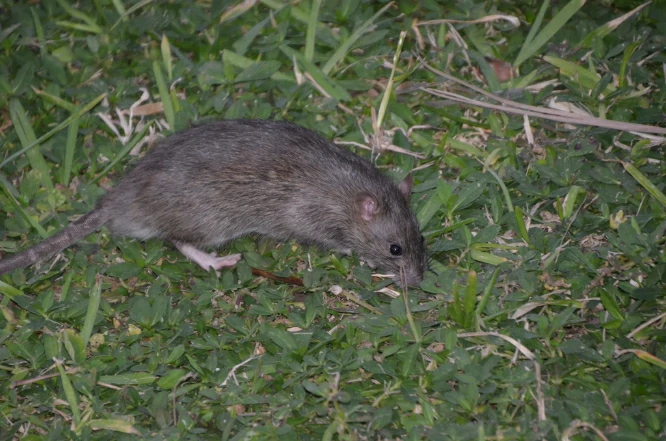
Once a rat eats poison, you’re probably wondering how long it takes before anything actually happens. Some people expect it to work right away, while others assume it takes forever. So how quickly does rat poison actually affect a rat?
Rat poison typically takes anywhere from a few hours to about a week to affect a rat, depending on the type used. Fast-acting poisons like zinc phosphide can cause symptoms within 30 minutes to a couple hours. Anticoagulant poisons take much longer, usually 2 to 5 days before symptoms show up at all.
That’s a pretty big range, and the type of poison isn’t the only thing that changes the timeline.
A rat’s size, how much it ate, and even the temperature outside can all speed things up or slow things down.
Why The Timeline Depends So Much On Poison Type
Every rat poison affects a rat’s body differently, and that directly shapes how fast symptoms show up.
Fast-acting poisons, like zinc phosphide, cause a chemical reaction almost immediately after being eaten. This means symptoms can start showing up in under an hour in some cases.
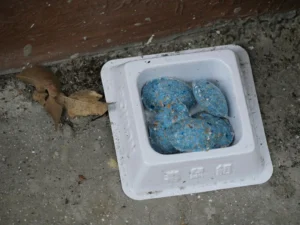
Anticoagulants work on a much slower timeline. Since they block the body’s ability to use vitamin K rather than causing immediate damage, it takes days for existing clotting factors to run out before any real symptoms appear.
This difference in mechanism is really the main reason the timeline varies so much between products, even when they’re all technically doing the same job of killing a rat.
How Fast Zinc Phosphide Works
Zinc phosphide is one of the quickest rat poisons available. Once eaten, it reacts almost right away with acid in the rat’s stomach.
This reaction releases phosphine gas, which gets absorbed into the bloodstream quickly. Symptoms can start showing up in as little as 30 minutes, and death often follows within a few hours to a day.
Because it works this fast, zinc phosphide is mostly limited to professional and agricultural use rather than being sold on regular store shelves.
How Fast Bromethalin Works
Bromethalin sits somewhere in the middle in terms of speed. It’s much faster than anticoagulants, but not quite as immediate as zinc phosphide.
After a rat eats bromethalin, its body converts it into a more active form that starts affecting the nervous system within hours. Visible symptoms, like tremors or trouble moving, often show up within the first day.

Death from bromethalin typically occurs within 24 to 48 hours after a lethal dose. In some cases, especially with a larger dose, it can happen a bit sooner.
How Fast Anticoagulants Work
Anticoagulants are the slowest category by a wide margin. Even the strongest second-generation anticoagulants, like brodifacoum, take days to actually cause death.
This delay happens because the rat’s body has a built-in reserve of clotting factors. The poison doesn’t cause bleeding right away, it just stops the body from replenishing that reserve.
Symptoms typically start showing up around day 3 to day 5, once the existing clotting factors finally run low. Death usually follows within a day or two after symptoms begin, putting the full timeline at roughly 4 days to a week.
First-generation anticoagulants, like warfarin, take even longer in most cases, since they’re weaker and often need several days of repeated feeding before enough poison builds up in the rat’s system.
How Fast Cholecalciferol Works
Cholecalciferol falls somewhere between bromethalin and anticoagulants in terms of speed. Since it works by causing a dangerous buildup of calcium rather than an immediate injury, it needs time to cause real damage.
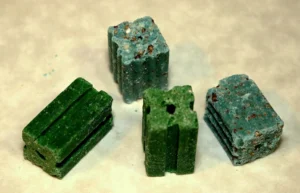
Symptoms usually start appearing within 2 to 3 days, as calcium levels climb and begin affecting the kidneys and other organs. Death typically follows within 3 to 5 days total.
A Timeline Comparison Across Poison Types
Here’s a side-by-side look at how these timelines stack up against each other.
| Poison Type | Symptoms Start | Death Occurs |
|---|---|---|
| Zinc Phosphide | 30 minutes to 2 hours | A few hours to 1 day |
| Bromethalin | Within hours to 1 day | 24 to 48 hours |
| Cholecalciferol | 2 to 3 days | 3 to 5 days |
| Second-Generation Anticoagulants | 3 to 5 days | 4 days to 1 week |
| First-Generation Anticoagulants | Several days | 1 to 2 weeks |
As you can see, there’s a massive difference between the fastest and slowest options, even though every product on this list is technically a rat poison.
Why Do Rats Often Seem Fine At First?
One of the more surprising parts of how rat poison works is that a rat often shows no signs of trouble in the early stages, especially with slower-acting poisons.
With anticoagulants, this happens because the rat’s body is still running on its existing supply of clotting factors. There’s no reason for the rat to feel sick yet, since nothing has actually broken down inside its body.
This is part of why you might see a rat still feeding, moving around, and acting completely normal for several days after eating a lethal dose. The poison is already working, it just hasn’t caused enough damage yet to be noticeable.
A Rat’s Size And Health Change The Timeline
A rat’s body weight plays a real role in how fast poison affects it. Since doses are measured relative to body weight, a smaller or younger rat often shows symptoms sooner than a large, healthy adult.
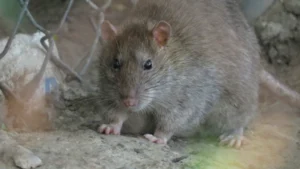
A rat’s overall health matters too. A rat that’s already sick, malnourished, or dealing with another health issue may succumb to poison faster than a strong, healthy one eating the exact same amount.
This is part of why you can’t predict an exact hour-by-hour timeline for every rat in an infestation. Some will go down faster than others, even if they all ate from the same bait station.
Temperature And Environment Play A Role
A rat’s metabolism speeds up or slows down depending on the temperature around it, and this can shift how quickly poison takes effect.
In warmer conditions, a rat’s body processes things faster overall, which can speed up how quickly a poison’s effects show up. In cooler conditions, everything tends to slow down, including how fast the poison takes hold.
This is one reason outdoor rat problems in summer might resolve a bit faster than the same setup used during a cold winter month.
Why Do Rats Tend To Die In Hidden Spots?
As a rat starts feeling the effects of poison, it typically doesn’t stick around out in the open. Rats instinctively seek out dark, quiet, sheltered spots when they’re not feeling well.
This means rats often die inside walls, under floors, in attics, or deep inside burrows rather than somewhere easy to find. This is part of why you might not see any dead rats even after poison has clearly worked.

With anticoagulants especially, dying rats also tend to seek out water, since internal bleeding can leave them feeling dehydrated.
This sometimes leads them toward damp areas like basements or near plumbing.
How This Timeline Affects Bait Shyness
The slow, delayed nature of most rat poisons isn’t an accident, it’s actually a deliberate part of how these products are designed to work.
If a rat died within minutes of eating bait, other rats nearby would quickly learn to avoid that food source. Rats are naturally cautious animals, and this kind of avoidance, called bait shyness, can make an infestation much harder to clear out.
By spreading the timeline out over hours or days, a rat has time to wander away from the bait station before any symptoms show up.
This keeps other rats from connecting the food source to what happened to their nest mate.
What To Expect If You’re Using Poison At Home
If you’re using a fast-acting poison like bromethalin, you can generally expect results within a day or two, though you likely won’t see the rat die since it will probably retreat somewhere hidden first.
If you’re using a second-generation anticoagulant, give it closer to a full week before expecting to see real results.
Continued bait activity during the first few days doesn’t mean the poison isn’t working, it just means the timeline hasn’t caught up yet.
Checking bait stations every few days, rather than expecting an overnight fix, is the most realistic way to track progress with any poison type.
When A Slow Timeline Might Mean The Poison Isn’t Working
If it’s been well over a week with a fast-acting poison, or several weeks with an anticoagulant, and you’re still seeing steady bait activity without any drop-off, something else might be going on.

This could mean the rat population has some level of resistance to the specific active ingredient, which is more common with older first-generation anticoagulants in areas where they’ve been used heavily for years.
It could also simply mean new rats keep replacing the ones that die, especially if there’s an ongoing entry point into your home that hasn’t been sealed up yet.
What A Rat Actually Looks Like At Each Stage
Beyond just the hours-and-days timeline, it helps to know what’s actually visible at each stage, in case you’re trying to gauge how a poisoning is progressing.
In the first stage, right after eating a lethal dose, a rat typically shows no outward signs at all. This holds true across almost every poison type, though the length of this quiet stage varies a lot depending on which one was eaten.
In the middle stage, a rat usually becomes noticeably less active. With anticoagulants, this often shows up as lethargy and a reduced appetite, since the rat’s body is starting to feel the effects of blood loss.
With bromethalin, the middle stage tends to look different, often involving mild tremors, wobbliness, or trouble with normal coordination as the nervous system starts to struggle.
In the final stage, symptoms become much more obvious. Anticoagulant poisoning in this stage can include pale gums, difficulty breathing, and visible weakness, all signs of significant internal bleeding.
Bromethalin’s final stage tends to involve more dramatic nervous system symptoms, like severe tremors, seizures, or full paralysis, before breathing eventually stops.
How Does The Timeline Compare For Mice?
If you’re also dealing with mice, it helps to know their timeline follows a similar pattern to rats, just compressed into a slightly shorter window in some cases.
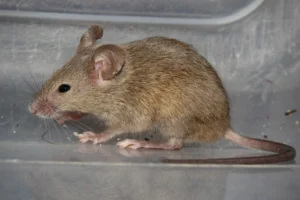
Since mice are much smaller than rats, the same poison often affects them a bit faster relative to body size, though the broad categories still hold. Anticoagulants still take days, while zinc phosphide and bromethalin still act within hours to a couple days.
One difference worth knowing is that mice need less bait to reach a lethal dose. A mouse might reach the same internal poison level as a rat despite eating a much smaller total amount.
Does Eating More Poison Speed Up The Timeline?
It’s a fair question, since it seems logical that eating more poison would make things happen faster. The answer is a bit more complicated than a simple yes.
With single-feed poisons like bromethalin or brodifacoum, eating well beyond the minimum lethal dose can speed up the onset of symptoms somewhat, since more of the active ingredient is working through the body at once.
With anticoagulants specifically, though, there’s a limit to how much this speeds things up. The core issue is a delay caused by existing clotting factors that have to run out first, not simply a matter of total poison volume.
This is part of why even a rat that ate a huge amount of anticoagulant bait still won’t show symptoms on day one. The body’s natural reserve of clotting factors creates a floor on how fast the process can happen, regardless of dose size.
What A Realistic Timeline Looks Like With Multiple Rats
If you’re dealing with an infestation rather than a single rat, it’s worth knowing that you won’t see every rat go down on the same schedule, even using the exact same poison.
Rats vary in size, age, and health, and they don’t all necessarily eat from the bait station on the same day. A rat that first fed on day one will be much further along than one that only started feeding on day four.

This staggered timeline is normal and expected. It’s part of why pest control professionals usually recommend monitoring an infestation over a couple of weeks rather than expecting a sudden, all-at-once resolution.
If you’re tracking progress, a gradual drop-off in bait activity over one to two weeks is a more realistic sign of success than expecting every rat to disappear within the first few days.
How Vets Use This Timeline When Pets Are Involved
If a pet accidentally eats rat poison, or eats a rat that had already eaten poison, this same timeline becomes important for how a vet approaches treatment.
With anticoagulant poisoning, the delayed onset actually works in a pet’s favor if caught early. Since symptoms don’t show up for a few days, there’s often a window where treatment can start before any real internal bleeding has occurred.
This is part of why vets often recommend bringing a pet in immediately after suspected exposure, even if it seems completely fine. Waiting for symptoms to show up with an anticoagulant means waiting for damage that’s already underway.
With faster-acting poisons like bromethalin or zinc phosphide, there’s much less of a safe window, since symptoms and organ damage can begin within hours rather than days.
How Indoor Versus Outdoor Conditions Change What You’ll Notice
Where a rat lives while it’s being poisoned changes what you’re likely to actually notice, even if the internal timeline itself stays about the same.
Indoors, a poisoned rat often retreats into a wall void, behind an appliance, or into an attic space. This means you may not notice any change in behavior at all until the smell of decomposition shows up days later.

Outdoors, a rat has more places to hide, like burrows, dense brush, or under a shed. But you’re also more likely to spot early warning signs, like a rat moving sluggishly in daylight when it would normally stay hidden until dark.
This is part of why outdoor rat problems sometimes feel like they’re resolving faster than indoor ones, even when the poison itself is working on the same timeline. You’re simply more likely to catch visible clues outdoors than behind a wall.
Weather also plays a role in what you notice outdoors. A poisoned rat moving slowly through an open yard is far more visible on a clear day than one hiding under damp leaves after rain. The poison is doing the same work either way, you’re just less likely to see it happen.
Conclusion
How quickly rat poison affects a rat depends heavily on which type you’re using. Fast-acting options like zinc phosphide can cause symptoms within 30 minutes and death within hours, while anticoagulants take days to even show the first signs of trouble.
A rat’s size, health, and the surrounding temperature all play a role too, so even the same poison can work a bit faster or slower depending on the situation.
This is also why rats often seem completely fine for days before anything visible happens, especially with slower poisons.
Whatever poison you’re using, give it the appropriate amount of time before assuming it isn’t working.
A slow timeline with an anticoagulant is completely normal, and it’s actually part of what makes these poisons effective at controlling a whole rat population rather than just scaring off the survivors.

Hi, my name is Ezra Mushala, i have been interested animals all my life. I am the main author and editor here at snakeinformer.com.