
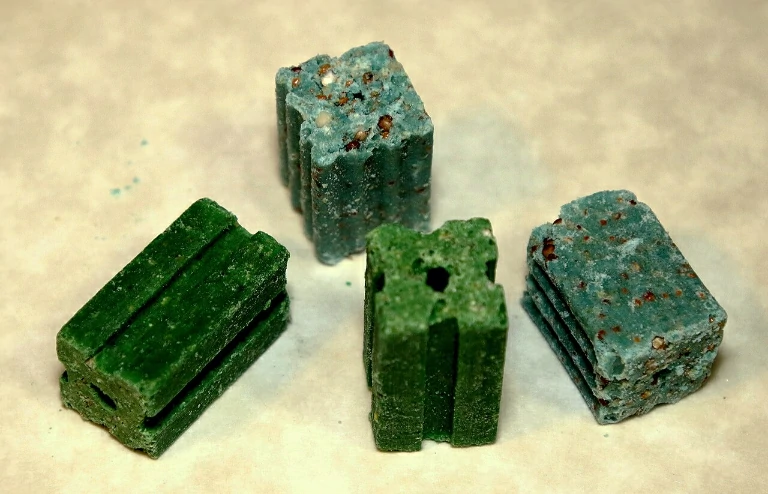
If you’ve ever bought rat poison from a hardware store, there’s a good chance brodifacoum was the active ingredient. It’s one of the most common rat poisons used across the US and Canada.
It works differently than most people assume, though. It doesn’t kill instantly, and it doesn’t work like a typical poison at all.
So how does brodifacoum rat poison actually work?
Brodifacoum works by blocking a rat’s body from using vitamin K, which the body needs to make blood clot. Over several days, the rat’s blood loses its ability to clot, and the rat dies from internal bleeding. It’s a slow, one-dose kill, not an instant one.
That single-dose part is what makes brodifacoum stand out from older rat poisons. A rat doesn’t need to keep eating the bait for it to work.
One feeding is usually enough. But the effects take time to show up, and that delay is actually a big part of the design.
Brodifacoum Is a Blood Thinner, Not a Toxin in the Traditional Sense
When people hear “poison,” they usually picture something that attacks the nervous system or shuts down organs right away. Brodifacoum doesn’t do that.
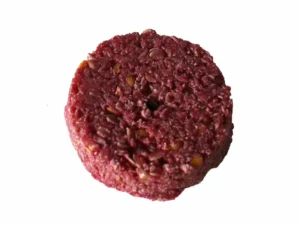
It’s actually in the same family as warfarin, a blood thinner also used as a medication in humans. Brodifacoum is sometimes even called a “superwarfarin” because it works the same basic way, just far more powerfully.
Your body, and a rat’s body, needs vitamin K to make certain clotting factors work. These are proteins in the blood that help form clots whenever you get a cut or an injury inside your body.
Brodifacoum blocks an enzyme called vitamin K epoxide reductase.
That enzyme’s job is to recycle vitamin K so the body can keep reusing it. Once that enzyme gets blocked, the body runs out of usable vitamin K fairly fast.
Without vitamin K, the clotting factors stop being made. Without those clotting factors, blood can’t clot the way it should.
Why It Takes Days to Kill a Rat, Not Hours
This is where brodifacoum works very differently from what most people expect. A rat that eats a lethal dose won’t die that day, or even the next.
It usually takes somewhere between four and seven days for a rat to die after eating brodifacoum, and sometimes longer. During that time, the rat doesn’t even act sick right away.
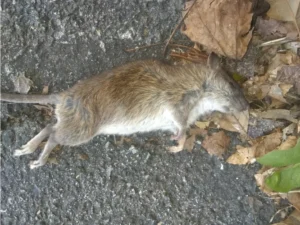
This delay is actually intentional. It’s one of the smartest parts of how this poison was designed.
Rats are naturally cautious about new food. If a rat eats something and gets sick right after, it will avoid that food from then on.
This is called bait shyness, and it’s the reason older rat poisons often failed.
Because brodifacoum takes days to cause any noticeable symptoms, the rat has no reason to connect feeling sick with the bait it ate days earlier. It won’t avoid the bait station, and other rats nearby won’t pick up on any warning signs either.
By the time symptoms show up, like weakness, pale gums, or blood in the urine, the damage is already too far along to reverse without treatment.
What Brodifacoum Actually Does Inside the Body
To understand the full picture, it helps to know exactly which parts of the clotting system brodifacoum shuts down.
Blood clotting depends on a chain reaction involving several clotting factors, labeled using Roman numerals. Vitamin K is required to activate clotting factors II, VII, IX, and X.
Brodifacoum doesn’t destroy these factors directly. Instead, it stops the body from recycling vitamin K.
Once the existing supply runs low, new clotting factors simply can’t be made. As those factors drop, blood takes longer and longer to clot.
Eventually, it can’t clot at all.
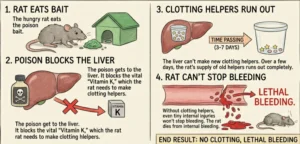
At that point, even small amounts of everyday internal bleeding start to build up instead of stopping. This kind of minor bleeding happens constantly in a healthy body and normally gets patched up right away.
This leads to bleeding into the chest cavity, the abdomen, the joints, or under the skin. None of this can be seen from the outside at first.
Because of that, animals often look completely fine until the bleeding turns severe.
Interestingly, the rat doesn’t act sick during most of this process. It keeps eating, moving, and behaving normally while its clotting factors quietly drop in the background.
This is part of what makes brodifacoum so effective as a pest control tool, even though it’s slower than people expect. The rat has no reason to change its behavior until it’s already too late to matter.
Brodifacoum Is So Much Stronger Than Older Rat Poisons
Brodifacoum belongs to a group called second-generation anticoagulants. Older rat poisons, like warfarin itself, are known as first-generation anticoagulants.
The difference between the two comes down to potency and how long the poison sticks around in the body.
First-generation anticoagulants needed a rat to eat the bait several times over multiple days for it to build up to a lethal amount. This gave rats more chances to develop bait shyness.
Some rat populations even evolved a real resistance to warfarin over time, which made the poison far less useful in certain areas.
Second-generation compounds like brodifacoum were developed specifically to get around that resistance. Research shows brodifacoum is roughly 100 times more potent than warfarin, which is why a single feeding is enough to deliver a lethal dose.
Brodifacoum also stays in the body much longer than first-generation poisons. It can remain in organs and tissue for months rather than days.
This is a big part of why brodifacoum is considered more dangerous to pets and wildlife than older anticoagulants ever were.
How Does Brodifacoum Poisoning Happen in Pets?
This is probably the most important part for a lot of pet owners, since dogs are the animals most commonly affected by accidental rat poison exposure.
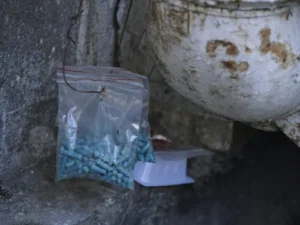
Dogs and cats can be poisoned two different ways. The first is direct ingestion, meaning your pet finds and eats the bait itself.
The second is called secondary poisoning. This happens when a pet eats a rodent that has already eaten the bait and is carrying it in its system.
Direct ingestion is far more common, especially with dogs. Many dogs will eat almost anything they find, and bait blocks are often made with food-like scents that make them tempting.
Symptoms in dogs often don’t show up right away, which matches the same delay seen in rats. This is one of the more dangerous parts of brodifacoum poisoning in pets.
According to the Merck Veterinary Manual, signs of anticoagulant rodenticide poisoning in dogs can include weakness, pale gums, coughing, labored breathing, and bleeding from the gums or nose. Blood may also show up in urine or stool.
By the time these symptoms show up, treatment is still very possible. But it needs to happen quickly once it starts.
Cats, Small Dogs, and Other Pets Aren’t All at the Same Risk
Brodifacoum doesn’t affect every animal equally. Body size and species both change how dangerous a given amount of bait really is.
Small dogs are at higher risk than large ones. It takes a much smaller dose, relative to body weight, to cause serious harm.
A ten-pound terrier that eats a single bait block is in far more danger than a seventy-pound Labrador eating the same amount.
Cats are generally less likely to eat rat poison directly, since most are more selective eaters than dogs. Still, cats face a real risk from secondary poisoning, since they’re natural hunters that may catch a rodent that’s already been poisoned.

Birds of prey and other wildlife face this same secondary risk on a larger scale. An owl or hawk that eats several poisoned rodents over a few weeks can build up a lethal dose without ever touching a bait station.
This is actually one of the main reasons wildlife groups and veterinarians have pushed back against brodifacoum use for years, since the poisoning doesn’t stop with the rat it was meant for.
Recognizing an Exposure Before Symptoms Even Start
Because the symptoms take days to show up, catching an exposure early usually comes down to what you actually saw, not what your pet looks like.
If you find chewed-up bait packaging, a knocked-open bait station, or your dog acting strange near where poison was set out, treat it as a real exposure. Don’t wait around for symptoms first.
This matters because treatment works far better before bleeding starts than after. A vet can often induce vomiting or give activated charcoal within the first few hours.
That can stop a large part of the poison from ever being absorbed in the first place.
Once symptoms show up, that window has usually closed. Treatment then shifts toward managing bleeding instead of stopping the exposure early.
If you’re ever unsure whether your pet actually ate something, call your vet or a pet poison hotline and describe what you saw. A quick phone call costs nothing, and it can catch a problem before it becomes an emergency.
Table: Brodifacoum Exposure and Treatment Timeline in Dogs
Since timing matters so much with this type of poisoning, it helps to see how the process typically plays out from exposure to recovery.
| Stage | What’s Happening | Typical Timing |
|---|---|---|
| Ingestion | Dog eats bait or a poisoned rodent | Day 0 |
| Hidden phase | Clotting factors drop, no visible symptoms yet | Days 1 to 3 |
| Symptom onset | Weakness, pale gums, bleeding, or bruising may show up | Days 3 to 7 |
| Vitamin K1 treatment | Prescribed by a vet, often given with fatty food to help absorption | Ongoing, daily |
| Recovery monitoring | Bloodwork rechecked to confirm clotting has returned to normal | Continues for several weeks |
This table is based on general patterns described by sources like the Merck Veterinary Manual and VCA Animal Hospitals. Every case is different, so a vet should always guide the exact treatment and timing for your pet.
The Antidote Is Vitamin K1, and Here’s Why That Works
Since brodifacoum poisoning comes down to blocking the body’s ability to recycle vitamin K, the fix makes sense once you understand the mechanism.
Giving a poisoned animal, or a person in rare cases, vitamin K1 gives the body a fresh, usable supply of the vitamin it needs. This bypasses the blocked recycling step entirely.
That allows clotting factors to start being produced again, which slowly restores the blood’s ability to clot properly.
The tricky part is that brodifacoum sticks around in the body for a long time, sometimes for months. Because of this, vitamin K1 treatment usually needs to continue for several weeks.
Stopping treatment too early is one of the most common mistakes pet owners run into. An animal can look fully recovered while brodifacoum is still active in its system underneath.
Veterinarians typically recheck blood clotting times after treatment ends to confirm it’s actually safe to stop for good.
In severe cases, where a lot of blood has already been lost, a blood transfusion may be needed alongside the vitamin K1.
Why Is Brodifacoum Restricted for Home Use in the US?
If you’ve noticed that rat poison sold directly to consumers doesn’t always contain brodifacoum anymore, that’s not an accident.
The Environmental Protection Agency restricted the sale of brodifacoum and a few other second-generation anticoagulants to the general public back in 2011.
These poisons are still legal and widely used today, but mainly by licensed pest control professionals rather than homeowners buying them off a shelf.
The main concerns behind this decision were accidental exposure in children, poisoning in pets, and the risk to wildlife like owls and hawks that eat poisoned rodents.
That last point, called secondary poisoning, turned out to be a bigger problem than expected. Brodifacoum stays in an animal’s body so long that a predator eating several poisoned rodents over time can build up a lethal dose without ever touching the bait.
Products sold to homeowners today more often contain bromethalin or older anticoagulants like diphacinone instead.
Brodifacoum products are still available for tougher infestations, just through licensed pest control companies rather than store shelves.
Keeping Pets Away From Brodifacoum in the First Place
Since treatment gets harder the longer poisoning goes unnoticed, preventing exposure in the first place is worth far more than reacting to it later.
If you’re using rat poison at home, always use it inside a locked, tamper-resistant bait station rather than leaving loose bait out in the open. These let rodents in but keep paws and small children out.
Keep bait stations in areas your pets genuinely can’t reach, not just areas they don’t usually go. Dogs are curious enough to find their way into spaces you might not expect.
If you’re hiring a pest control company, ask directly which active ingredient they’re using and where they’re placing it. Knowing this ahead of time means you already know what you’re dealing with if something goes wrong.
It’s also worth telling anyone who spends time in your home, like a dog sitter, that bait stations are in use. A little awareness goes a long way toward catching a problem early.
Conclusion
Brodifacoum works by cutting off a rat’s ability to use vitamin K, which stops its blood from clotting and eventually leads to fatal internal bleeding.
It’s powerful enough to work after just one feeding. The several-day delay before symptoms show up is part of what makes it so effective, since it stops rats from ever connecting the bait to how sick they feel.
That same delay is what makes brodifacoum risky for pets too, since symptoms can take days to show up even after a serious exposure.
If you suspect your dog or cat got into rat poison, don’t wait around to see if symptoms develop. Fast treatment with vitamin K1, guided by a veterinarian, is what makes recovery possible.
Because brodifacoum stays active in the body for so long, and poses a real risk to pets and wildlife, its sale to regular consumers has been restricted in the US for over a decade now.
If you’re using rat poison at home, it’s worth checking the label to see exactly which active ingredient you’re dealing with. That one detail changes how urgent things need to be if a pet ever gets into it.

Hi, my name is Ezra Mushala, i have been interested animals all my life. I am the main author and editor here at snakeinformer.com.