
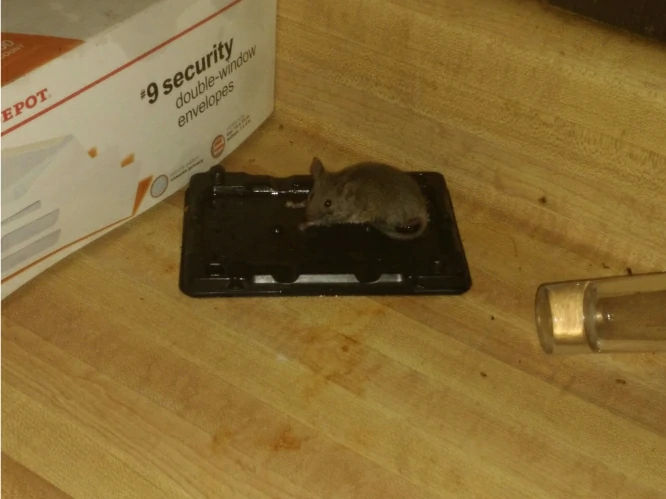
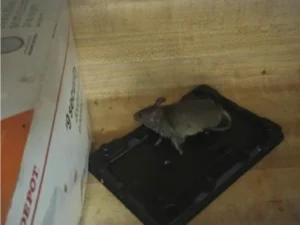
When you’re using glue traps to catch rats, things can get messy. Sometimes the trap gets moved around, or a rat drags it across your floor, leaving behind sticky residue that’s really hard to clean up. So how do you remove rat trap glue from your floor?
You can remove rat trap glue from floors using vegetable oil, mineral oil, or WD-40 to dissolve the adhesive, followed by dish soap and warm water to clean the area. The method you use depends on your floor type, with hardwood and tile requiring gentler approaches.
The glue won’t come off with regular mopping or scrubbing because it’s specifically designed to stay sticky. You need something that can break down the adhesive properties without damaging your flooring underneath.
Why Rat Trap Glue Sticks to Floors So Well
Rat trap glue is made to be incredibly sticky so it can hold a rat in place when it steps on the trap. It’s made from synthetic rubber compounds, resins, and oils that bond strongly to almost any surface.
Unlike regular glue that dries and hardens, rat trap glue stays tacky and sticky indefinitely. This is great for catching rats, but it’s terrible when it gets on your floor.
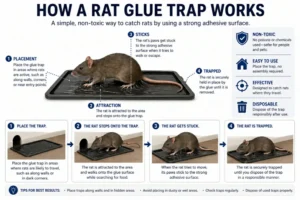
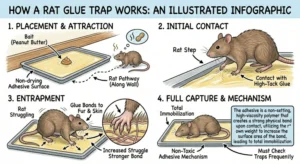
The glue works by creating a strong bond at the molecular level with whatever surface it touches. This is why you can’t just wipe it away with water or regular cleaning products.
But here’s the good news. Since the glue is oil-based, you can use other oils to break down its sticky properties and lift it off your floor without causing damage.
How to Remove Rat Trap Glue from Hardwood Floors
Hardwood floors need special care because they can be damaged by too much moisture or harsh chemicals. The best approach is using vegetable oil or mineral oil, which are gentle but effective.
Start by pouring a small amount of oil directly onto the glue spot. You don’t need to flood the area, just enough to cover the glue completely. Let it sit for about 10 to 15 minutes so the oil can work its way into the adhesive.
After the oil has had time to break down the glue, use a plastic scraper or an old credit card to gently scrape up the glue. It should come up in clumps as you work. Don’t use metal scrapers because they can scratch your hardwood.
If some glue is still stuck, add more oil and wait another 10 minutes before trying again. For really stubborn spots, you can use a soft cloth to rub the area in circular motions while the oil is still on it.
Once all the glue is removed, you need to clean up the oil residue. Mix a few drops of dish soap with warm water and use a damp (not soaking wet) cloth to wipe the area. Dish soap cuts through oil really well.
Dry the area immediately with a clean towel. Standing water can damage hardwood floors, so don’t let any moisture sit on the surface.
If your hardwood floors have a finish or seal on them, you might want to apply a bit of furniture polish or wood conditioner after cleaning to restore the shine.
The Best Method for Tile and Linoleum Floors
Tile and linoleum floors are much more durable than hardwood, so you can use stronger methods and don’t have to worry as much about damage.
WD-40 works really well on tile and linoleum. Spray it directly onto the glue and let it sit for a few minutes. The chemicals in WD-40 dissolve the glue quickly, making it easy to wipe away.
Use paper towels or an old rag to wipe up the glue. It should come off pretty easily after the WD-40 has worked on it. For thick glue spots, you might need to spray more WD-40 and repeat.
You can also use vegetable oil if you prefer a less chemical approach. The process is the same as with hardwood floors, but you can be a bit more aggressive with your scrubbing since tile won’t scratch as easily.
After removing the glue, clean the area with dish soap and warm water to get rid of any oily residue. Tile and linoleum can handle more moisture than hardwood, so you can use a wetter mop to clean.
For textured tile floors, you might need to use a scrub brush to get into the grooves where glue can hide. Just be patient and work the oil into all the crevices before trying to wipe it up.
Removing Rat Trap Glue from Carpet
Carpet is one of the trickiest surfaces to clean because the glue can soak deep into the fibers. But it’s still possible to remove it with the right approach.
Start by using ice cubes to make the glue less sticky. Put several ice cubes in a plastic bag and hold it against the glue for about 10 to 15 minutes. This won’t freeze the glue solid, but it’ll make it easier to work with.
While the glue is cold, use a butter knife or plastic scraper to gently lift as much glue as possible from the carpet fibers. Be careful not to pull or tear the carpet.
Next, apply a small amount of vegetable oil or mineral oil to the remaining glue. Work it into the carpet fibers with your fingers or an old toothbrush. The oil will start to break down the glue’s stickiness.
After a few minutes, use paper towels to blot up the oil and glue mixture. Don’t rub, just blot. Rubbing can push the glue deeper into the carpet or spread it to clean areas.
You’ll probably need to repeat this process several times to get all the glue out. Each time, add a bit more oil, work it in, and blot it up.
Once the glue is gone, you need to remove the oil from your carpet. Mix a solution of dish soap and warm water (about 1 tablespoon of soap per cup of water). Use a clean cloth to apply this solution to the oily area.
Blot with clean towels until the soap and oil are removed. You might need to rinse the area a few times with plain water to get all the soap out.
Finally, let the carpet air dry completely. You can speed this up by placing a fan near the area or by blotting with dry towels.
What About Using Goo Gone or Other Commercial Products?
Goo Gone and similar commercial adhesive removers can work on rat trap glue, but you need to be careful about what surfaces you use them on.
These products are safe for tile, linoleum, and glass. They work quickly and don’t require as much scrubbing as oil-based methods. Just apply the product, wait a few minutes, and wipe away the glue.
But Goo Gone and other solvents can damage hardwood floors, especially if the wood doesn’t have a good protective seal. The chemicals can strip the finish or cause discoloration.
They’re also not great for carpet because they can leave behind a residue that’s hard to rinse out completely. If you do use them on carpet, make sure to follow up with a thorough cleaning using soap and water.
Always test any commercial product on a small hidden area first to make sure it won’t damage or discolor your flooring. Wait a few hours to see if any adverse effects show up before treating the whole glue spot.
Can You Use Rubbing Alcohol to Remove the Glue?
Rubbing alcohol (isopropyl alcohol) can help remove rat trap glue from floors, but it’s not as effective as oil-based methods. It works best for small amounts of glue or as a final step after using oil.
Pour some rubbing alcohol onto a cloth and dab it on the glue. Let it sit for a few minutes, then try to wipe up the glue. You might need to do this several times.
Rubbing alcohol evaporates quickly, which is good because it means less moisture sitting on your floors. This makes it a decent option for hardwood floors where you want to minimize water exposure.
The downside is that rubbing alcohol doesn’t dissolve rat trap glue as well as oil does. You’ll probably need to combine it with another method for best results.
One approach is to use oil first to break down the bulk of the glue, then use rubbing alcohol to clean up any remaining residue. This can leave your floor cleaner with less oily residue to deal with.
How to Handle Large Glue Spills
If a rat has dragged a glue trap across your floor or if a trap has flipped over and spilled glue everywhere, you’ve got a bigger mess to deal with. Here’s how to tackle large glue spills.
First, don’t panic and don’t try to clean it all up at once. Working in small sections is much more effective and less frustrating.
Start by marking off the affected area so no one walks through it and spreads the glue around even more. You can use tape or towels to create a barrier.

Cover the entire glue area with vegetable oil or mineral oil. Use a lot more than you think you need because you want to completely saturate the glue. Let it sit for at least 20 to 30 minutes.
After the oil has had time to work, start cleaning from one edge of the spill and work your way across. Use plenty of paper towels or old rags that you can throw away afterward.
For really large spills, you might need to add more oil partway through the cleaning process. Don’t try to scrape up glue that’s still sticky. It’ll just smear and make things worse.
Once you’ve removed most of the glue, clean the entire area with dish soap and water. You might need to do this several times to get rid of all the oil residue.
If the glue has been on your floor for a while and has collected dirt and debris, you might need to scrub a bit harder. An old toothbrush or soft scrub brush can help with this.
Dealing with Glue in Floor Cracks and Grout Lines
Glue that gets into cracks in hardwood floors or between tiles can be really tricky to remove. The glue seeps down into these spaces where it’s hard to reach.
For floor cracks, try using a toothpick or wooden skewer dipped in oil to work the oil down into the crack. Let it sit for 15 to 20 minutes, then use the toothpick to scrape out the softened glue.
You can also try using a syringe (without the needle) to squirt oil into tight cracks. This gets the oil exactly where you need it without making a mess.
For grout lines between tiles, use an old toothbrush dipped in oil to scrub the glue out. The bristles can get into the textured surface of grout where glue likes to hide.
If the glue is really stuck in grout, you might need to use a stronger solvent like WD-40 or Goo Gone. Just be careful with colored grout because some solvents can cause discoloration.
After you’ve removed the glue, make sure to clean the cracks and grout thoroughly. Any oil left behind can attract dirt and make the area look dingy over time.
What If the Glue Has Stained Your Floor?
Sometimes rat trap glue can leave behind a stain even after you’ve removed the adhesive itself. This is more common on porous surfaces like unsealed wood or natural stone.
For hardwood floors, try using a wood cleaner or a paste made from baking soda and water. Apply the paste to the stain, let it sit for a few minutes, then wipe it away with a damp cloth.

If the stain is in the wood’s finish rather than the wood itself, you might need to use a furniture polish or wood restorer. These products can help blend the stained area with the rest of the floor.
For tile or stone floors, try using a paste of baking soda and hydrogen peroxide. Apply it to the stain, let it sit for an hour, then scrub gently and rinse. This combination can lift stains from porous materials.
In some cases, the stain might be permanent, especially if the glue has been on the floor for a long time. You might need to have that section of flooring professionally refinished or, in extreme cases, replaced.
How to Prevent Glue from Getting on Your Floor
The best way to deal with rat trap glue on your floor is to prevent it from getting there in the first place. Here are some tips to help you avoid the mess.
Place glue traps inside covered bait stations rather than leaving them open on the floor. These stations contain any mess if a rat moves the trap around.
Put glue traps on pieces of cardboard that are larger than the trap itself. This gives you a buffer zone, so if the trap moves, the glue stays on the cardboard instead of getting on your floor.
Use tape to secure glue traps to the floor in high-traffic rat areas. This prevents rats from dragging the traps across your floor. Just make sure the tape won’t damage your flooring when you remove it.
Check your traps daily. The sooner you remove a trap after it catches a rat, the less chance there is for the rat to struggle and move the trap around.
Consider using snap traps or live traps instead of glue traps if you’re worried about making a mess. These alternatives are just as effective for catching rats without the sticky cleanup.
Should You Call a Professional Cleaner?
For most rat trap glue spills, you can handle the cleanup yourself with the methods described here. But there are some situations where calling a professional cleaner might be worth it.
If you have a very large glue spill that covers a significant area of your floor, professional cleaners have industrial-strength products and equipment that can make the job much faster.
For expensive or delicate flooring like marble, bamboo, or antique hardwood, professionals know exactly what products to use without causing damage.
If you’ve tried to remove the glue yourself and accidentally damaged your floor in the process, a professional might be able to repair the damage or minimize its appearance.
Some professional cleaning services offer guarantees, so if they can’t remove the glue or if they damage your floor, they’ll fix it at no extra cost.
But honestly, for most situations, you can save the money and do it yourself. Just take your time, use the right products for your floor type, and be patient with the process.
Conclusion
Removing rat trap glue from floors is definitely doable with the right approach and a bit of patience. Oil-based methods work best because they break down the glue’s sticky properties without damaging most floor types.
The key is to match your cleaning method to your floor type. Hardwood needs gentle treatment with oil and minimal moisture, while tile and linoleum can handle stronger solvents and more aggressive scrubbing.
Always clean up oil residue thoroughly after removing the glue, and take steps to prevent glue spills in the future by using covered stations or securing your traps properly. With these tips, you can keep your floors clean and glue-free while dealing with your rat problem.

Hi, my name is Ezra Mushala, i have been interested animals all my life. I am the main author and editor here at snakeinformer.com.