
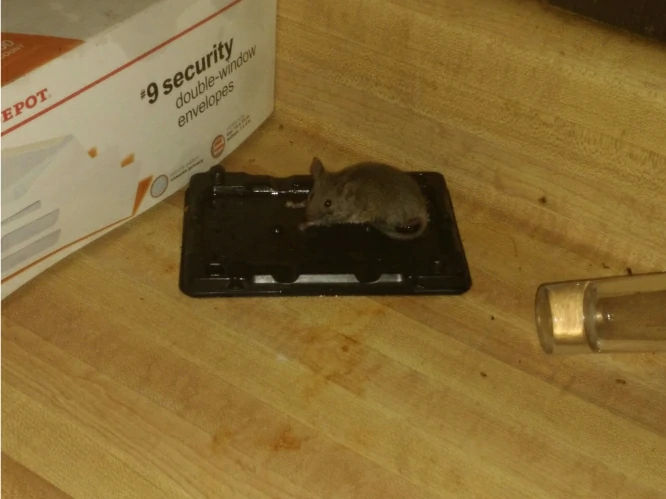
Rat trap glue is incredibly sticky stuff. That’s the whole point. It’s designed to hold rats in place so they can’t escape. But this creates a problem when the glue gets somewhere it shouldn’t be, like on your cat’s fur, your dog’s paws, or your own hands.
Once that glue sticks to something, it feels impossible to remove. So what actually dissolves rat trap glue?
Cooking oil, vegetable oil, mineral oil, peanut butter, and petroleum jelly are the most effective and safe substances for dissolving rat trap glue. These oils break down the adhesive without using harsh chemicals. For stubborn glue, you might also use rubbing alcohol or adhesive remover products, but oils work better and are safer for pets and skin.
The key is understanding that rat trap glue is oil-based, which means oil-based solvents work much better than water or soap. Trying to wash the glue off with just water won’t work at all, and can actually make it spread around and stick to more surfaces.
Why Regular Soap and Water Don’t Work
Rat trap glue is specifically formulated to resist water. If water could wash it away, the glue traps would stop working as soon as they got damp from humidity or a rat’s wet feet. The adhesive has to stay sticky even in moist conditions.
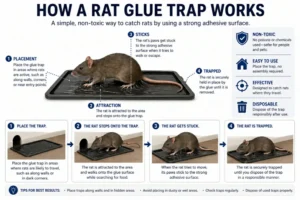
This means when you try to wash glue off with soap and water, you’re basically wasting your time. The water just beads up on the surface of the glue without breaking it down. The soap might help a tiny bit, but not much.
Even worse, trying to wash the glue with water can actually spread it around. Your hands get wet and slippery, and as you rub them together trying to remove the glue, it just moves from one spot to another without actually coming off.
This is why people who try to wash rat trap glue off their hands end up frustrated, with sticky glue spread all over their palms and fingers instead of just on one spot.
How Cooking Oil Breaks Down the Glue
Cooking oils like vegetable oil, canola oil, olive oil, or corn oil are excellent at breaking down rat trap glue. The oil molecules essentially surround and dissolve the adhesive, making it lose its sticky properties.
To use cooking oil, pour a generous amount directly onto the glue. Don’t be stingy with it. You want the oil to completely cover all the sticky areas. Let it sit for a minute or two to give it time to penetrate the glue.
Then start gently rubbing the oily area. You should feel the glue starting to break down and become less sticky. It might take several minutes of rubbing, but the glue will gradually dissolve and roll off in little balls or clumps.
Once the glue is mostly removed, you can then wash with regular soap and water to get rid of the oil residue. The soap will work much better on the oil than it ever would on the glue directly.
This method works on skin, pet fur, and even fabric, though you might need to wash fabric items several times to get all the oil out afterward.
Peanut Butter Works Surprisingly Well
Peanut butter contains a lot of oil, plus it has a thick texture that helps it stick to the glue long enough to break it down. It sounds weird, but peanut butter is actually one of the best things you can use on rat trap glue.
Just scoop out a good amount of peanut butter and spread it over the glue. Work it into the sticky area with your fingers. The peanut butter will start to mix with the glue, and you can slowly peel both away together.
This works especially well on pet fur. The thick texture of peanut butter makes it easier to control than liquid oil, so it doesn’t drip everywhere while you’re working on getting the glue out.
After you’ve removed most of the glue with peanut butter, you’ll still need to wash the area to get rid of the peanut butter residue. But that’s easy compared to trying to remove the original glue.
Just make sure you’re using creamy peanut butter, not the chunky kind. The chunks don’t help and just make the process messier.
Mineral Oil and Baby Oil Are Gentler Options
If you’re dealing with glue on sensitive skin or on a pet that might lick the area, mineral oil or baby oil are safer choices than cooking oil. They work the same way by breaking down the adhesive, but they’re specifically made for use on skin.
Mineral oil is available at pharmacies and is very cheap. Baby oil is just mineral oil with added fragrance. Either one works fine for dissolving rat trap glue.
Apply it generously to the affected area, let it sit for a few minutes, and then gently work the glue loose with your fingers. The process is the same as with cooking oil, but these oils are less likely to irritate skin.
For pets, mineral oil is great because even if they lick a small amount, it won’t hurt them. It might give them mild diarrhea if they lick a lot, but it’s not toxic.
Petroleum Jelly Works for Stubborn Glue
Petroleum jelly (like Vaseline) is another oil-based product that works on rat trap glue. It’s thicker than liquid oils, which can be an advantage when you’re dealing with glue on vertical surfaces or on squirmy pets.
Smear a thick layer of petroleum jelly over the glue and let it sit for 5 to 10 minutes. The longer you let it sit, the better it will work. Then start working the petroleum jelly into the glue with your fingers.

The glue should start to break down and mix with the petroleum jelly. You can then wipe both away with paper towels or a cloth. It might take several applications if you’re dealing with a lot of glue or if it’s been stuck on for a while.
After removing the glue, you’ll need to wash the area with soap and water to get rid of the petroleum jelly. It’s greasy and won’t rinse away with just water.
Rubbing Alcohol for Small Amounts of Glue
Rubbing alcohol (isopropyl alcohol) can dissolve rat trap glue, but it’s not as effective as oils and it can be harsh on skin. It’s best saved for small amounts of glue on non-sensitive surfaces.
If you have just a little bit of glue on your hands or on a hard surface, you can soak a cotton ball in rubbing alcohol and dab at the glue. It should start to break down after a minute or so.
Don’t use rubbing alcohol on pets if you can avoid it. It stings if they have any scratches or irritation, and it’s not safe if they lick it. Stick with oils for pets.
For humans, rubbing alcohol works okay but can dry out your skin. If you use it, make sure to wash thoroughly afterward and apply lotion to prevent your skin from getting too dry.
Commercial Adhesive Removers
There are products specifically made to remove sticky adhesives. Brands like Goo Gone, Un-Du, or similar products work on rat trap glue. These are usually citrus-based solvents that break down adhesives.
Follow the directions on the product. Usually you apply the remover to the glue, let it sit for a few minutes, and then wipe it away. These products often work faster than home remedies.
However, commercial adhesive removers can contain chemicals that aren’t safe for pets or for use on skin. Always read the label carefully. Some are only meant for hard surfaces like floors or countertops.
If you’re removing glue from a pet, stick with the oil-based methods. They’re safer even if they take a bit longer to work.
Getting Glue Out of Pet Fur
If your cat or dog stepped on a glue trap, you need to be extra careful about how you remove the glue. Pulling or cutting can hurt your pet or leave them with bald patches.
Start by isolating the glued area. If possible, keep your pet calm and still. You might need a second person to help hold them gently.
Apply a generous amount of vegetable oil, mineral oil, or peanut butter to the glue. Really saturate the area. Let it sit for at least 5 minutes if your pet will stay still that long.
Then very gently start working the glue out of the fur. Use your fingers to slowly separate the stuck hairs. Don’t pull hard. If the glue isn’t coming loose easily, add more oil and wait longer.
This process can take a while, especially if a lot of fur is stuck. Be patient. Rushing will just hurt your pet and make them afraid of you.
Once the glue is out, you’ll need to bathe your pet to remove all the oil. Use pet shampoo and warm water. It might take several washes to get all the oil out.
Removing Glue From Skin
If you got rat trap glue on your hands or other body parts, the process is simpler than dealing with pet fur. Pour cooking oil or mineral oil over the glue and let it sit for a minute.
Start rubbing the oiled area gently. The glue should begin to roll up into little balls as it dissolves. Keep adding more oil as needed and keep rubbing until all the glue is gone.
Don’t try to peel the glue off before using oil. Peeling can tear your skin and really hurt. It might even pull off the top layer of skin in sensitive areas.
After the glue is removed, wash thoroughly with soap and water. You might need to wash several times to get rid of all the oil. Your skin might feel a bit raw or sensitive afterward, so apply lotion or aloe vera gel if needed.
What About Glue on Floors and Surfaces
If you spilled rat trap glue on your floor, countertop, or other surface, the same oil-based approach works. Pour cooking oil over the glue and let it sit for several minutes.
Then use paper towels or rags to wipe up the dissolved glue and oil. You might need to repeat this a few times if there’s a lot of glue.
After the glue is gone, clean the surface with a degreaser or strong dish soap to remove the oil residue. Regular floor cleaner won’t cut through the oil very well, so you need something stronger.
For carpets or upholstery, you can use the same method but be careful about using too much oil. You don’t want to saturate your carpet with oil because it’s hard to clean out completely. Use just enough to dissolve the glue, then blot it up immediately with clean cloths.
Things That Don’t Work Well
Acetone (nail polish remover) might seem like it should work on glue, but it’s not very effective on rat trap glue specifically. Rat trap glue is formulated differently from other adhesives, and acetone doesn’t break it down well.
WD-40 is sometimes suggested for removing adhesive, and it does work to some degree because it’s oil-based. But it’s designed as a lubricant, not an adhesive remover, so it’s not as effective as actual oils or adhesive removers. Plus it has a strong smell that’s unpleasant.
Paint thinner or turpentine will remove some types of adhesive, but they’re way too harsh for use on skin or pets. They can cause chemical burns and are toxic if absorbed through skin. Don’t use these on living creatures.
Hot water makes some adhesives softer, but not rat trap glue. The glue is designed to stay sticky even in warm conditions, so hot water won’t help much.
Preventing Glue Mishaps in the First Place
The best solution is to never get glue on yourself or your pets to begin with. If you’re using glue traps, keep them in areas where your pets can’t go. Close doors, use baby gates, or put the traps inside boxes with small rat-sized openings.
When handling glue traps, wear disposable gloves. Cheap latex or nitrile gloves from the drugstore work fine. This protects your hands from the glue and also from any germs or bacteria that might be on the trap.
If you have glue traps set out and you have pets, check the traps frequently. The faster you find a pet that’s gotten stuck, the easier it is to get them free before they panic and get glue all over themselves.
Consider using different types of traps if you have curious pets. Snap traps or electronic traps don’t have the glue problem, though they come with their own safety concerns.
How Long Does It Take to Remove Glue?
The time it takes depends on how much glue you’re dealing with and what it’s stuck to. A small amount of glue on your hand might come off in just a few minutes with oil.
A lot of glue stuck in thick pet fur could take 30 minutes to an hour or more to remove completely. You need to work slowly and carefully to avoid hurting your pet.

Don’t expect instant results. The oil needs time to penetrate and break down the adhesive. If you’re rushing the process, you’ll just end up frustrated and might hurt yourself or your pet.
Be prepared to use quite a bit of oil. Don’t just put on a tiny amount and expect it to work. You need to really saturate the glue for the oil to be effective.
When to Seek Professional Help
If your pet has a lot of glue stuck in their fur, especially in sensitive areas like around their eyes, ears, or genitals, take them to a veterinarian or professional groomer. They have experience with this kind of problem and can handle it safely.
Trying to remove glue from sensitive areas yourself can injure your pet, especially if they’re struggling or you accidentally pull too hard.
If glue gets in your pet’s eyes, don’t try to remove it yourself. This is a veterinary emergency. The same goes if your pet has swallowed any glue. Call your vet immediately.
For glue on surfaces that you can’t get clean with oil, you might need to call a professional cleaning service. Some materials might be permanently damaged by rat trap glue, especially porous materials like unsealed wood.
Disposing of Glue and Oil Properly
After you’ve removed rat trap glue using oil, you’ll have oily rags or paper towels covered in dissolved glue. Don’t just throw these in the trash or put them down the drain.

Oils can be a fire hazard if they’re on cloth materials and crumpled up. Lay oily rags flat to dry before disposing of them, or seal them in a metal container with water until you can properly dispose of them.
Never pour oil down your drain. It can clog pipes and cause plumbing problems. If you have a lot of oil left over, put it in a sealed container and throw it in the trash, or check if your local waste disposal facility accepts used cooking oil.
If you used commercial adhesive removers, follow the disposal instructions on the product label. Some of these contain chemicals that shouldn’t go in regular trash.
Conclusion
Rat trap glue is tough to remove, but it’s not impossible. Oil-based products like cooking oil, mineral oil, peanut butter, and petroleum jelly are your best options. They break down the adhesive safely without harsh chemicals.
Avoid trying to remove the glue with just soap and water. This doesn’t work and can actually make the problem worse by spreading the glue around. Also avoid harsh chemical solvents on skin or pets.
Be patient when removing glue, especially from pet fur. Rushing the process can cause injury. Use plenty of oil, let it sit and penetrate the glue, and work slowly and gently. Your pet (or your hands) will thank you for taking the time to do it right.

Hi, my name is Ezra Mushala, i have been interested animals all my life. I am the main author and editor here at snakeinformer.com.