
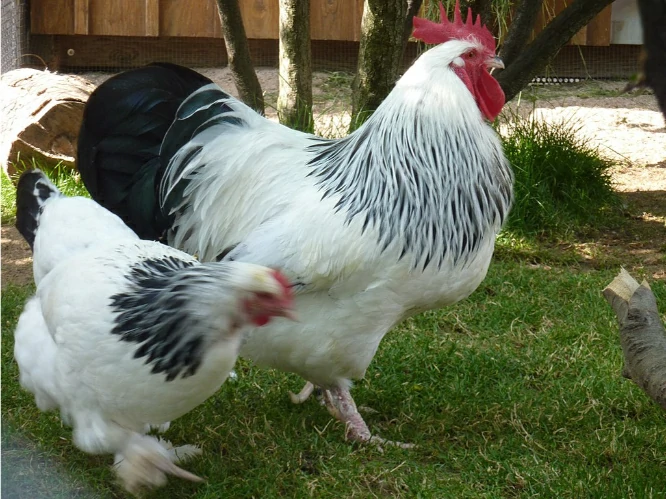
If you raise chickens and you’re dealing with rats around your coop, you’re in a tough spot. Rats are attracted to chicken feed, eggs, and the shelter that coops provide, but using poison to control them puts your chickens at serious risk.
You might be looking for a rat poison that’ll kill the rats without harming your flock. Unfortunately, finding something that works on rodents but won’t hurt chickens is nearly impossible. So what rat poison is safe for chickens?
There is no rat poison that is safe for chickens. All rodenticides contain toxic ingredients that can harm or kill chickens if eaten directly or through secondary poisoning from eating poisoned insects or rodents. Chickens are especially vulnerable because they peck at anything that looks like food, including poison pellets and grains. The only chicken-safe rodent control methods are non-poison alternatives like traps, better feed storage, and coop design that prevents rat access.
Chickens are actually at higher risk from rat poison than many other animals because of their feeding behavior and because rats and chickens often share the same spaces.
Why Rat Poison Is Especially Dangerous for Chickens
| Poison Type | Why It’s Dangerous for Chickens | Risk Level | How Chickens Get Exposed | Symptoms in Chickens | Time to Symptoms |
|---|---|---|---|---|---|
| First-generation anticoagulants (Warfarin, Chlorophacinone) | Stops blood clotting; chickens peck at grain-based baits | High | Direct ingestion, eating poisoned insects | Weakness, pale comb/wattles, internal bleeding, blood in droppings | 2-5 days |
| Second-generation anticoagulants (Brodifacoum, Bromadiolone) | Extremely toxic, tiny amounts lethal, lasts weeks in body | Very High | Direct ingestion, secondary poisoning | Same as above but more severe and faster | 1-7 days |
| Bromethalin | Causes brain swelling, no antidote, extremely toxic | Extremely High | Direct ingestion of pellets or grain baits | Tremors, loss of coordination, paralysis, seizures, death | Hours to days |
| Cholecalciferol (Vitamin D3) | Causes kidney failure; chickens sensitive to vitamin D | Very High | Direct ingestion | Increased thirst, weakness, decreased egg production, kidney failure | 12-48 hours |
| Zinc Phosphide | Creates toxic gas in digestive system | High | Direct ingestion of grain baits | Vomiting (in chickens this looks like head shaking and drooling), seizures, difficulty breathing | 30 minutes to 4 hours |
| Grain or seed-based baits | Looks exactly like chicken feed | Extremely High | Chickens can’t tell difference from their regular food | Depends on poison type | Varies by poison |
This table shows why every type of rat poison is dangerous for chickens. Their natural behavior makes them especially vulnerable.
Why Chickens Are More Vulnerable Than Other Pets
Chickens face unique dangers from rat poison that make them even more at-risk than dogs or cats in some ways.
First, chickens will peck at anything that looks remotely like food. They’re not picky eaters. If rat poison is formulated to look like grain or seeds (which many are), chickens will eat it thinking it’s food.
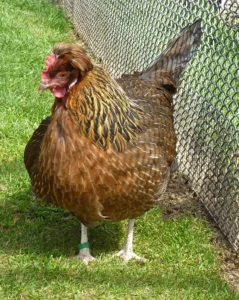
Second, many rat poisons are specifically designed to look like grains, seeds, or pellets to attract rodents. These are exactly the kinds of things chickens naturally eat. To a chicken, rat poison pellets look no different from their regular feed.
Third, chickens and rats often occupy the same spaces. Rats come to chicken coops for the feed, so if you put poison near the coop, your chickens have easy access to it too.
Fourth, chickens scratch and peck at the ground constantly. If poison pellets or grains fall on the ground around the coop, your chickens will find them.
Fifth, chickens are curious and will investigate anything new in their environment. If you put out poison blocks or bait stations near the coop, your chickens will peck at them.
Sixth, chickens have relatively small body sizes compared to larger livestock. This means even small amounts of poison can be lethal to them.
Why Grain-Based Rat Poison Dangerous Around Chickens
Many rat poisons are formulated as grain or seed baits because rats are attracted to these. This creates a huge problem for chicken owners.
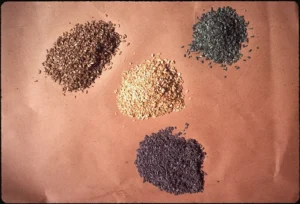
Grain-based rat poison looks identical to chicken feed. It might be pelleted, ground, or in whole grain form. Your chickens can’t tell the difference between poison and their regular food.
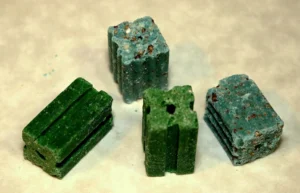
If you scatter grain-based poison around the coop area or in places where rats have been seen, your chickens will eat it. They forage constantly and will consume anything that looks edible.
Even if you put grain poison in a bait station, rats might drag pieces out to eat elsewhere or to take back to their nests. These dropped pieces become available to your chickens.
Some chicken owners make the mistake of mixing rat poison with chicken feed, thinking the chickens won’t eat it or that it’ll only affect the rats. This is extremely dangerous and will almost certainly poison your chickens.
The visual similarity between grain-based rat poison and chicken feed means there’s no safe way to use this type of poison anywhere near your flock.
Why Pellet Baits Look Like Chicken Feed
Pelleted rat poisons are another major danger for chickens because they look exactly like pelleted chicken feed.
Many commercial chicken feeds come in pellet form. Rat poison pellets are often the same size, shape, and color as feed pellets. Your chickens literally cannot tell them apart.
If you use pelleted rat poison anywhere your chickens can access, they will eat it. There’s no question about this. To them, it’s just more feed.
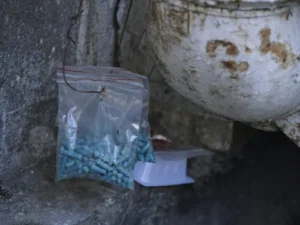
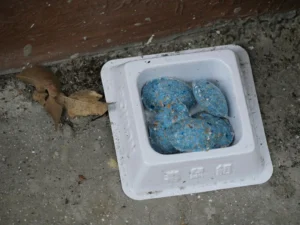
Some pelleted poisons are dyed bright colors (blue, green, pink) to warn people they’re poison. But chickens don’t understand color warnings. A bright blue pellet is just as interesting and edible to them as a brown one.
Chickens peck at pellets on the ground, in feeders, or anywhere else they find them. If poison pellets get mixed in with their feed somehow, or if pellets fall on the ground, your chickens will consume them.
The pellet format is designed to be easy for rodents to carry and eat. Unfortunately, it’s equally easy for chickens to peck up and swallow.
Block Baits Aren’t Safer for Chickens
You might think using block-style rat poison instead of grain or pellets would be safer because it doesn’t look like chicken feed. This isn’t true.
Chickens are incredibly persistent peckers. They’ll peck at hard objects to break them down. A block of rat poison is just another thing to peck at.
As chickens peck at poison blocks, small pieces break off. These pieces fall to the ground where chickens continue pecking at them and eventually eat them.
Block baits are often formulated with food attractants like peanut butter, grains, or other ingredients that smell good to rodents. These same smells can attract chickens.
If you place block baits in or near the coop, chickens will investigate them. Their natural curiosity and pecking behavior will lead them to consume pieces of the poison.
Some chickens are more aggressive peckers than others. Certain breeds or individual birds will peck at blocks more persistently than others, but you can’t predict which of your chickens will do this.
The Secondary Poisoning Danger for Chickens
Chickens can be poisoned even if they never eat rat poison directly, through a process called secondary poisoning.
Chickens eat insects as a natural part of their diet. If insects (beetles, crickets, etc.) eat rat poison or scavenge on dead poisoned rodents, they can carry poison in their bodies. When chickens eat these insects, they get poisoned.
Chickens will also peck at and eat small dead animals they find. If they find a dead mouse or rat that died from poison, and they peck at it or eat parts of it, they can ingest the poison.
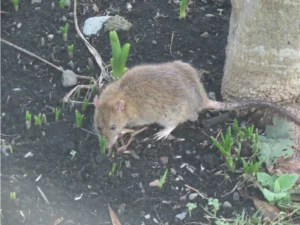
Second-generation anticoagulant poisons are especially dangerous for secondary poisoning because they stay in the rodent’s or insect’s body at high concentrations even after death.
In a coop environment where chickens are actively foraging for protein sources (bugs and small animals), the risk of secondary poisoning is really high if you use rat poison anywhere on your property.
You can’t control what insects your chickens eat or what small dead animals they might find while free-ranging. If poison is in the environment, your chickens will likely be exposed through their natural feeding behavior.
Bait Stations Don’t Protect Chickens
Bait stations are enclosures designed to let rats access poison while keeping other animals out. They don’t work well for protecting chickens.
Many chickens can fit through the openings designed for rats, especially younger or smaller birds. Bantam chickens are particularly small and can easily access standard rat bait stations.
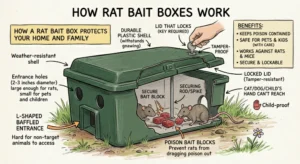
Even if adult chickens can’t fit inside the station, rats will drag poison out of the station to eat elsewhere or to take to their nests. This leaves poison pieces where chickens can find them.
Chickens are persistent and curious. They’ll peck at bait stations, scratch around them, and try to access whatever’s inside. This increases the chance that poison will spill out or that the station will break open.
Bait stations in coop areas or runs get scratched over, pecked at, and generally disturbed by chickens. This can damage the station and expose the poison.
And bait stations do absolutely nothing to prevent secondary poisoning, which is a major risk for chickens who forage for insects and small animals.
The Problem With Using Poison in Coops and Runs
Many chicken owners think they can use rat poison in or very near the coop to target the rats that come for the feed. This is extremely dangerous.
Rats are attracted to chicken coops because of the feed, water, eggs, and shelter. They often nest in or under coops. This means the area around your coop is exactly where rats will be, but it’s also where your chickens live.
If you put poison in the coop, your chickens will find it. They spend hours in the coop every day, roosting, laying eggs, and seeking shelter. Anything in that space is accessible to them.
Poison placed in the run (the fenced outdoor area where chickens spend their day) is even more dangerous. Chickens scratch and peck constantly in the run. They’ll find and eat any poison placed there within minutes.
Even poison placed under the coop or in areas you think chickens can’t reach often becomes accessible when chickens dig, squeeze into spaces, or when poison pellets roll or get carried to accessible areas.
The overlap between where rats hang out and where chickens live makes it nearly impossible to target one without affecting the other when you use poison.
Why “Natural” or “Organic” Poisons Aren’t Chicken-Safe
You might hope that natural or organic rat poisons would be safer for your chickens. They’re not.
Many natural rat poisons use salt or mineral-based ingredients in toxic doses. Chickens who eat these can develop salt poisoning, which causes neurological problems, kidney damage, and death.
Some use plant-based toxins or essential oils. Many plants that are toxic to rats are also toxic to chickens. Chickens will peck at and eat plant materials, so plant-based poisons are easily accessible to them.
Natural poisons that work by dehydrating rodents can have the same effect on chickens. Chickens need consistent access to water, and anything that causes severe dehydration can kill them.
Some organic poisons use corn gluten or other grain-based ingredients. Chickens will eat these readily, thinking they’re food.
The term “natural” or “organic” doesn’t mean safe for chickens. Natural toxins can be just as deadly as synthetic chemicals.
How To Keep Your Chicken Feed Safe Without Rat Poison
One reason chicken owners struggle with rats is feed storage. Improving your feed storage can reduce or eliminate your rat problem without using any poison.
Store chicken feed in metal containers with tight-fitting lids. Rats can chew through plastic bins and bags, but they can’t get through metal. Metal trash cans with locking lids work great.
Don’t leave feed out overnight. Put out only what your chickens will eat during the day, and remove feeders at night. Rats are most active at night, and accessible feed attracts them.
Clean up spilled feed immediately. Chickens are messy eaters and feed gets scattered. Sweep up spills daily so there’s nothing to attract rats.
Consider using treadle feeders that chickens can open with their weight but rats can’t. These keep feed protected when chickens aren’t eating.
Elevate feeders off the ground. This makes it harder for rats to access feed and reduces spillage that falls where rats can get it.
Store feed in a separate building away from the coop if possible. This gives you a place where you can use more aggressive rat control without worrying about your chickens.
Safe Alternatives to Rat Poison Around Chickens
If you can’t use poison safely around chickens, what can you do about rats? There are several effective options.
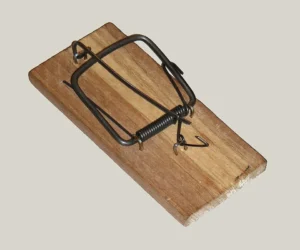
Snap traps work well for rats and are safe for chickens if placed correctly. Put them inside secure boxes or enclosures that chickens can’t access, or place them in areas where chickens never go.
Electronic rat traps deliver a high-voltage shock that kills rats instantly. The openings are sized for rats, and chickens are too large to fit inside, making these very chicken-safe.
Live traps catch rats without killing them. These are completely safe for chickens. You can place them anywhere and just check and empty them daily.
Make your coop and run rat-proof by sealing all holes and gaps. Rats can squeeze through holes the size of a quarter. Use hardware cloth (not chicken wire, which rats can chew through) to seal gaps.
Raise your coop off the ground on posts or blocks. This eliminates the dark, enclosed space under the coop where rats like to nest.
Use hardware cloth with 1/2 inch or smaller openings for the floor of your run. Bury it 12 inches deep to prevent rats from digging under. This keeps rats out of the run entirely.
Get a good rat-hunting dog or cat. Some terriers and other dogs are excellent ratters and will control your rat population naturally. Barn cats do the same job. Just make sure your dog or cat won’t harm your chickens.
What to Do If Your Chickens Eat Rat Poison
If you know or suspect your chickens ate rat poison, you need to act fast. Here’s what to do.
Separate any affected chickens from the flock immediately. This prevents them from being pecked by other birds (sick chickens often get bullied) and makes it easier to monitor them.
Call a veterinarian who treats chickens. Not all vets see poultry, so you might need to find a farm vet or avian specialist. Tell them you think your chickens ate rat poison.
If you know what type of poison it was, find the package. The active ingredient is critical information the vet needs. Take a photo of the label if you can’t bring the package.
Watch for symptoms like weakness, pale combs and wattles, difficulty breathing, blood in droppings, loss of coordination, or seizures. These indicate serious poisoning.
Don’t try to treat your chickens yourself without vet guidance. Some treatments that work for other animals don’t work for chickens, and you could make things worse.
Be prepared for the possibility that poisoned chickens might not survive. Chicken-size birds are difficult to treat for poisoning because they’re small and their metabolisms are fast. The poison works quickly in their systems.
Are Eggs Safe After Chickens Eat Rat Poison?
If your chickens might have been exposed to rat poison, you’re probably wondering if their eggs are safe to eat.
If chickens eat rat poison, the toxins can pass into their eggs. This means eggs from poisoned chickens could be toxic to people who eat them.
The safest approach is to not eat eggs from any chicken who might have been exposed to rat poison for at least 2-3 weeks after the exposure, or longer depending on what type of poison it was.
For anticoagulant poisons, toxins can persist in a chicken’s system for weeks. Even if the chicken survives, their eggs might contain poison residues during this time.
There’s no easy way to test eggs at home to see if they’re contaminated with rat poison. The only safe approach is to discard eggs from any chicken with potential exposure.
If you have a flock and only some chickens were exposed, you might not know which eggs came from which birds. In this case, you might need to discard all eggs from your entire flock until you’re certain the poison is out of their systems.
This is yet another reason why using rat poison around chickens is such a bad idea. It doesn’t just risk your chickens’ lives, it also risks your food safety.
Conclusion
There is no rat poison that’s safe to use around chickens. All rodenticides pose serious risks to your flock through direct ingestion or secondary poisoning. Chickens are especially vulnerable because they peck at anything resembling food, including grain-based poisons and pellets.
The only safe way to control rats around your chicken coop is to use non-poison methods like traps, better feed storage, and coop design that keeps rats out. Protecting your feed and sealing your coop prevents rats from being attracted in the first place.
If you’re currently using rat poison near your chickens, remove it immediately and switch to safer alternatives. Your flock’s health and your egg safety depend on keeping poison out of their environment.
Sources:
Cholecalciferol (Vitamin D3) Poisoning in Animals:https://www.msdvetmanual.com/toxicology/rodenticide-poisoning/cholecalciferol-vitamin-d3-poisoning-in-animals
Cholecalciferol (Vitamin D3) Rodenticide Poisoning: https://vcahospitals.com/know-your-pet/cholecalciferol-vitamin-d3-rodenticide-poisoning
Bromethalin Poisoning in Animals:https://www.msdvetmanual.com/toxicology/rodenticide-poisoning/bromethalin-poisoning-in-animals
Anticoagulant Rodenticide Poisoning in Animals: https://www.msdvetmanual.com/toxicology/rodenticide-poisoning/anticoagulant-rodenticide-poisoning-in-animals
Phosphide (Zinc, Magnesium, Aluminum) Poisoning in Animals:
Cholecalciferol (Vitamin D3) Poisoning in Animals:https://www.msdvetmanual.com/toxicology/rodenticide-poisoning/cholecalciferol-vitamin-d3-poisoning-in-animals
Cholecalciferol (Vitamin D3) Rodenticide Poisoning: https://vcahospitals.com/know-your-pet/cholecalciferol-vitamin-d3-rodenticide-poisoning
Bromethalin Poisoning in Animals:https://www.msdvetmanual.com/toxicology/rodenticide-poisoning/bromethalin-poisoning-in-animals
Anticoagulant Rodenticide Poisoning in Animals: https://www.msdvetmanual.com/toxicology/rodenticide-poisoning/anticoagulant-rodenticide-poisoning-in-animals
Phosphide (Zinc, Magnesium, Aluminum) Poisoning in Animals: https://www.msdvetmanual.com/toxicology/rodenticide-poisoning/phosphide-zinc-magnesium-aluminum-poisoning-in-animals

Hi, my name is Ezra Mushala, i have been interested animals all my life. I am the main author and editor here at snakeinformer.com.