
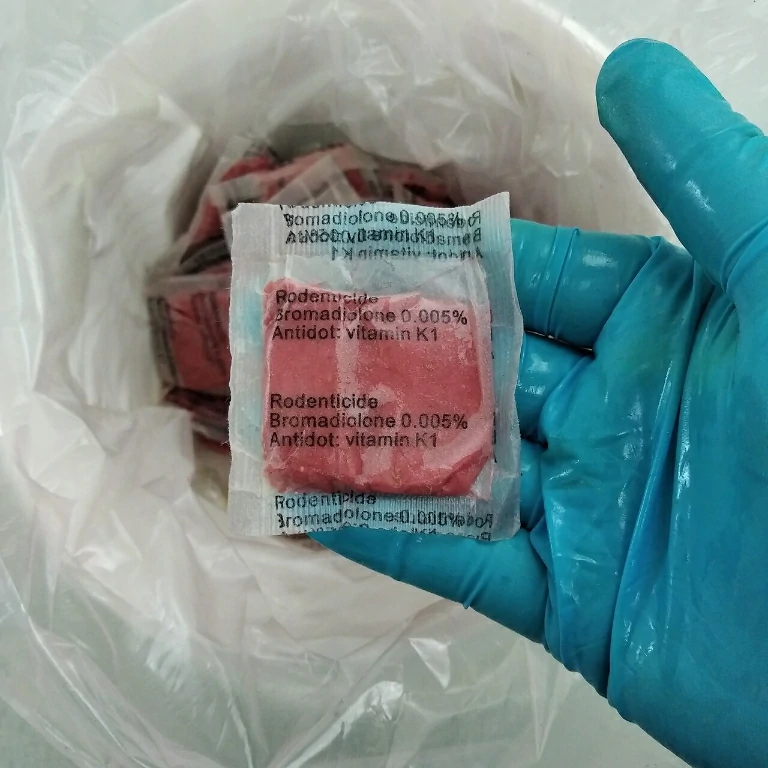
Handling rat poison is sometimes necessary when you’re dealing with a rodent problem, but these products contain toxic chemicals that can harm you if they get into your body.
Whether you accidentally touched rat poison or you’ve been setting up bait stations, you need to clean your hands properly to avoid accidental poisoning. How do you wash rat poison off your hands safely and effectively?
To wash rat poison off your hands, immediately rinse your hands under running water without touching your face, then wash thoroughly with soap and warm water for at least 20 seconds, scrubbing all surfaces including under your nails. Rinse completely and dry with a clean towel, then wash your hands a second time to make sure all poison residue is gone.
The key to safely removing rat poison from your hands is acting quickly and washing thoroughly.
Rat poison can enter your body through your mouth, nose, eyes, or through cuts in your skin, so you need to remove it before you accidentally transfer it to these areas.
Why You Need to Take Rat Poison on Your Hands Seriously
Rat poisons are designed to kill mammals by disrupting critical body functions. The same chemicals that kill rats can harm humans, especially if they’re ingested or absorbed in significant amounts.
Most modern rat poisons use anticoagulants that prevent blood from clotting properly. If you get these chemicals in your body, you could develop internal bleeding. Children and people on blood-thinning medications are at even higher risk.
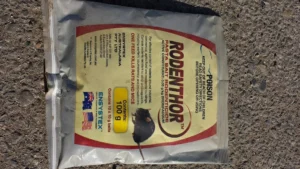
Some rat poisons use bromethalin, which attacks the nervous system and brain. Even small amounts can cause serious neurological problems if ingested. This type of poison is especially dangerous because there’s no antidote.
You might think a little rat poison on your hands isn’t a big deal, but it only takes a small amount to cause problems. Touching your mouth, rubbing your eyes, or eating food with contaminated hands can transfer enough poison to make you sick.
People who regularly handle rat poison without proper precautions can absorb small amounts over time. This chronic exposure can build up in your body and cause health problems even if you never get a single large dose.
What Happens if You Don’t Wash Rat Poison Off Properly?
If you don’t wash rat poison off your hands thoroughly, you’re at risk of accidental poisoning. The most common way this happens is when you touch your face, eat food, or smoke a cigarette with contaminated hands.
Rat poison on your hands can transfer to everything you touch. Door handles, phones, food, drinks, and even other people can become contaminated. If you have kids, they could get poisoned from touching objects you’ve handled.
The poison can enter through cuts or cracks in your skin. If you have dry, cracked hands or any open wounds, the chemicals can absorb directly into your bloodstream. This is especially risky with bromethalin-based poisons.
You might not notice symptoms right away. Anticoagulant poisons can take days to show effects, which means you won’t realize you’ve been poisoned until you start experiencing symptoms like unusual bruising, bleeding gums, or blood in your urine.
Some people develop skin irritation or allergic reactions from rat poison contact. Your hands might become red, itchy, or develop a rash. While this isn’t as dangerous as internal poisoning, it’s still unpleasant and can lead to skin infections if you scratch.
The Right Way to Wash Your Hands After Touching Rat Poison: Step By Step
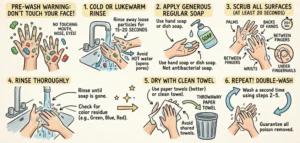
The first and most important rule is don’t touch your face, mouth, nose, or eyes before washing.
Rat poison on your hands is much less dangerous than rat poison in your body.
1. Start by rinsing your hands under running water immediately.
Don’t wait until you’re done with your task. The longer the poison stays on your skin, the more likely it is to transfer to other surfaces or absorb through your skin.
Use cold or lukewarm water for the initial rinse. Hot water can open your pores and potentially increase absorption of the chemicals. Just let the water run over your hands for 15 to 20 seconds to wash away loose particles.
2. Apply a generous amount of regular soap to your hands.
You don’t need antibacterial soap or special cleaners. Regular hand soap or dish soap works perfectly fine for removing rat poison.
Scrub every surface of your hands for at least 20 seconds. This means your palms, the backs of your hands, between your fingers, around your thumbs, your wrists, and especially under your fingernails.
Rat poison particles can hide under your nails and transfer to your mouth later.
3. Rinse thoroughly under running water until all the soap is completely gone.
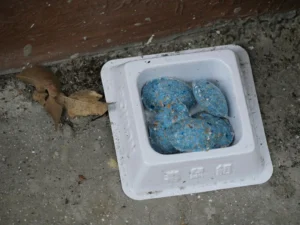
Make sure you don’t see any colored residue from the bait (many rat poisons are dyed green, blue, or red). If you still see color, keep washing.
Dry your hands with a clean towel or paper towel. Don’t use a towel that other people in your house use, because you might transfer poison residue to the towel. Paper towels are actually better because you can throw them away after one use.
4. Wash your hands a second time using the same process.
This double-wash makes sure you’ve removed all traces of the poison. It might seem excessive, but it’s worth the extra 30 seconds to guarantee safety.
Should You Use Special Soap or Cleaners?
Regular hand soap or dish soap is perfectly effective for removing rat poison from your hands. You don’t need to buy special industrial cleaners or harsh chemicals.
Some people think they need to use bleach or other disinfectants to neutralize the poison, but this is actually dangerous. Mixing chemicals can create toxic fumes or skin burns. Stick with regular soap and water.
Dish soap can actually work better than hand soap for removing oily or waxy rat bait residue. Many rat poisons use oil or wax to hold the bait together, and dish soap is designed to cut through grease.
Antibacterial soap doesn’t provide any extra benefit for removing poison. The antibacterial ingredients kill bacteria, but they don’t neutralize or remove toxic chemicals any better than regular soap.
Avoid using pumice soap or scrubs with abrasive particles. These products can create tiny cuts in your skin that make it easier for poison to absorb into your bloodstream. Gentle soap and thorough scrubbing is safer.
If you handle rat poison regularly, consider keeping a bottle of dish soap near where you store your poison. This makes it easy to wash your hands immediately after handling the product, before you touch anything else.
How to Clean Under Your Fingernails After Handling Rat Poison
The area under your fingernails is where rat poison residue likes to hide, and it’s also one of the easiest ways to transfer poison to your mouth. You need to pay special attention to this area when washing.
Use a nail brush if you have one available. These small brushes are designed to scrub under and around your nails. Scrub under each nail individually while your hands are soapy.
If you don’t have a nail brush, use the fingernails of your opposite hand to scrub under each nail. This isn’t as effective as a brush, but it’s better than nothing. Make sure to clean both hands this way.
If you have long nails, consider trimming them before handling rat poison. Long nails create more space for poison particles to get trapped, and they’re harder to clean thoroughly.
After washing your hands twice, check under your nails in good light. If you see any colored residue or particles, wash your hands again and focus on scrubbing under your nails.
Don’t bite your nails or put your fingers in your mouth for at least several hours after handling rat poison, even if you’ve washed thoroughly. This gives any remaining traces time to wear off through normal contact with other surfaces.
What to Do if You Have Cuts or Cracked Skin on Your Hands
If you have cuts, scrapes, or severely cracked skin on your hands, you should avoid handling rat poison if at all possible. These openings in your skin create a direct pathway for poison to enter your bloodstream.
If you must handle poison with damaged skin, wear disposable gloves. Nitrile gloves work best because they’re resistant to chemicals and fit snugly so they won’t slip off while you’re working.
After handling rat poison with cuts on your hands (even if you wore gloves), wash your hands extra carefully. Pay special attention to the areas around any cuts or cracks to make sure no poison gets into these openings.
Don’t use alcohol-based hand sanitizer on broken skin after handling rat poison. The alcohol will burn your cuts and could actually help chemicals absorb into your bloodstream. Soap and water is safer.
If you notice any unusual symptoms around a cut after handling rat poison (increased pain, swelling, discoloration), wash the area again and monitor it closely. If symptoms get worse, contact a doctor.
Consider treating your hands with moisturizer regularly to prevent cracks and dryness, especially if you handle rat poison often. Healthy, intact skin is your best protection against absorption.
Can Hand Sanitizer Remove Rat Poison From Your Hands?
Hand sanitizer is not an effective substitute for washing rat poison off your hands. While it kills germs, it doesn’t remove toxic chemicals or particles from your skin.
Alcohol-based hand sanitizer might actually spread rat poison residue around on your hands rather than removing it. The alcohol can dissolve some poison compounds and help them absorb into your skin more easily.
Hand sanitizer also doesn’t rinse away physical particles of rat bait. If you have colored powder or crumbs on your hands from the poison, hand sanitizer will just turn it into a paste that’s harder to remove.
Never use hand sanitizer as your primary cleaning method after handling rat poison. Always wash with soap and running water first. You can use hand sanitizer afterward as an extra precaution if you want, but it’s not necessary.
If you’re somewhere without access to soap and water, use hand sanitizer as a temporary measure, but wash your hands properly with soap as soon as you can. Don’t eat, drink, or touch your face until you’ve washed with soap and water.
The bottom line is that hand sanitizer is for killing germs, not for removing toxic chemicals. They’re completely different purposes that require different cleaning methods.
What About Washing Rat Poison Off Other Parts of Your Body?
If rat poison gets on your arms, legs, or other body parts, the washing process is similar to washing your hands. Rinse the area immediately under running water, then wash with soap.
If rat poison gets in your hair, rinse it out immediately under running water. Then shampoo your hair at least twice to make sure all the poison is removed. Don’t let contaminated hair touch your face while washing.
If poison gets on your clothes, take them off carefully without letting them touch your face or mouth. Wash contaminated clothes separately from other laundry using hot water and detergent. Don’t wear them again until they’ve been washed.
For rat poison on your face (but not in your eyes), rinse your face under running water immediately. Be very careful not to let the water run into your eyes, nose, or mouth. Then wash gently with soap, rinse thoroughly, and wash again.
If rat poison gets in your eyes, flush them with clean water for at least 15 minutes. Hold your eyelids open and let the water run over your eyes. Don’t rub your eyes. Seek medical attention immediately after flushing.
If you swallow rat poison or think you might have, don’t try to make yourself vomit. Call Poison Control immediately at 1-800-222-1222 or go to the emergency room. Bring the poison container with you so doctors know exactly what you ingested.
How Long Does Rat Poison Stay on Your Hands?
If you don’t wash rat poison off your hands, it can stay there for hours or even days, depending on what else you touch and how much you sweat. The poison won’t just evaporate or disappear on its own.
Some rat poison formulations use oils or waxes that stick to your skin really well. These can be particularly stubborn and might survive casual hand-washing if you don’t scrub thoroughly.
Even after washing once, trace amounts of poison might remain on your hands. This is why washing twice is important. The second wash removes what the first wash loosened but didn’t completely remove.
Rat poison can transfer from your hands to everything you touch, and then back to your hands later when you touch those objects again. If you handle poison and then touch a doorknob without washing, you might re-contaminate your hands next time you use that door.
Your body’s natural processes (sweating, skin cell turnover) will eventually remove traces of rat poison from your skin, but this takes days. You definitely shouldn’t rely on this as your cleaning method.
The safest approach is to assume rat poison stays on your hands until you’ve washed them thoroughly at least twice. Don’t take chances with toxic chemicals.
Should You Wear Gloves When Handling Rat Poison?
Wearing gloves is the best way to prevent rat poison from getting on your hands in the first place. Disposable nitrile or latex gloves create a barrier between your skin and the toxic chemicals.
If you’re setting up multiple bait stations or handling large amounts of poison, gloves are definitely worth using. They’re cheap, available at any pharmacy or hardware store, and much easier than worrying about contamination.
Even when wearing gloves, you still need to be careful. Don’t touch your face, phone, or other objects while wearing contaminated gloves. Take them off carefully by turning them inside out as you remove them.
After removing gloves that have touched rat poison, wash your hands anyway. Gloves can have tiny holes or tears you don’t notice, and poison can contaminate the outside of the glove and transfer to your hands during removal.
If you’re just putting out one or two bait stations and being very careful, you can skip gloves as long as you wash your hands thoroughly afterward. But gloves add an extra layer of safety that’s worth considering.
Reusable rubber or latex gloves can work, but you need to wash them thoroughly after each use and inspect them for holes. Disposable gloves are safer because you throw them away after one use, eliminating the risk of re-contamination.
Common Mistakes People Make When Washing Off Rat Poison
The biggest mistake is not washing hands immediately after handling poison. People finish setting up bait stations and then touch their phone, car keys, or steering wheel before washing. This spreads the poison around and increases risk.
Washing for only a few seconds is another major error. You need at least 20 seconds of scrubbing to effectively remove poison residue. Most people wash for maybe 5 seconds and think they’re done.
Not washing under fingernails is extremely common and extremely dangerous. People scrub their palms and fingers but forget about their nails, which is exactly where poison particles hide.
Using hand sanitizer instead of soap and water is a mistake that could actually make things worse by helping chemicals absorb into your skin. Always use running water and soap.
Drying hands on a shared towel spreads the poison to the towel, which then contaminates the hands of everyone else who uses it. Use paper towels or a dedicated towel that you wash immediately after.
Not washing hands a second time is probably the most common shortcut people take. They figure one wash is good enough, but that second wash is what really guarantees all the poison is gone.
Touching your face, eating, or smoking right after a single quick rinse is incredibly risky. People underestimate how easily poison transfers from hands to mouth.
What to Keep Near Your Rat Poison Storage Area
Keep a bottle of liquid soap (dish soap works great) right next to where you store your rat poison. This makes it easy to wash your hands immediately after handling the product.
Paper towels are better than regular towels for drying your hands after handling poison. Keep a roll near your poison storage so you can throw away the contaminated towel instead of spreading poison to your bathroom towel.
Disposable gloves stored with your rat poison make it easy to grab a pair before handling the product. Buy a box of nitrile gloves and keep them in the same cabinet or shed.
A nail brush is a small investment that makes a big difference in cleaning under your fingernails. Keep one near your poison supplies and use it every time you wash after handling poison.
Keep the poison control number (1-800-222-1222) written down or programmed into your phone. If you or someone else accidentally ingests poison, you won’t waste time looking up the number.
Consider keeping a spare set of clothes in your garage or shed if you’re doing major rodent control work. This lets you change into clean clothes if you get poison on what you’re wearing.
Conclusion
Washing rat poison off your hands properly is a critical safety step that protects you from accidental poisoning.
The process is simple but needs to be done thoroughly: rinse immediately, wash twice with soap and water for at least 20 seconds each time, scrub under your fingernails, and dry with a disposable or dedicated towel.
Never skip hand washing after handling rat poison, and never touch your face, eat, drink, or smoke before washing. The few minutes it takes to wash properly could prevent serious health problems from chemical exposure.
Using gloves when handling rat poison adds an extra layer of protection, but you still need to wash your hands after removing the gloves. Keep soap, paper towels, and gloves near your poison storage to make proper hand washing convenient and automatic.
Sources:
Anticoagulant Rodenticide Scientific Review Final Report (PDF). Acessed at: https://www.mass.gov/files/documents/2025/11/05/Anticoagulant-Rodenticides-Scientific-Review-Final-Report.pdf
Rodenticides (PDF). Accessed at: https://www.epa.gov/sites/default/files/documents/rmpp_6thed_ch18_rodenticides.pdf
Rat Poison Effects in Humans: https://www.icliniq.com/articles/substance-abuse/rat-poison-effects-in-humans

Hi, my name is Ezra Mushala, i have been interested animals all my life. I am the main author and editor here at snakeinformer.com.