

Rat poison is effective, but it’s not the only way to deal with a rat problem. Many people want to avoid poison because of safety concerns around children and pets, environmental worries about poisoning wildlife, or the problem of rats dying in inaccessible places and creating terrible smells. How can you get rid of rats without using poison?
You can get rid of rats without poison by using snap traps or electronic traps to kill rats quickly, sealing all entry points to prevent more rats from getting in, removing food and water sources that attract them, and keeping your property clean and clutter-free. Combining multiple methods works better than relying on any single approach, and most rat problems can be solved within 2 to 4 weeks using poison-free methods.
Getting rid of rats without poison requires more effort and strategy than just setting out bait stations, but the results are often better and safer.
You’ll need to be systematic, patient, and willing to tackle the problem from multiple angles.
Why People Choose Not to Use Rat Poison
Understanding why you want to avoid poison helps you stay motivated when poison-free methods require extra work.
Pet safety is the biggest concern for most people. Dogs and cats can eat poisoned rats and get secondary poisoning, which can be fatal. Even if bait is secured in stations, there’s always risk that pets will find and eat a dying rat.
Children can accidentally access rat poison despite your best efforts to keep it away from them. Curious kids get into locked cabinets, find hidden bait stations, and put colorful poison pellets in their mouths.
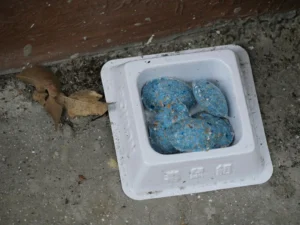
Rats that eat poison often die inside walls, attics, or crawl spaces where you can’t reach them. The smell of decomposition can last for weeks and be absolutely unbearable.
Environmental concerns drive many people away from rat poison. Poisoned rats get eaten by hawks, owls, foxes, and other predators, killing these valuable animals through secondary poisoning.
Some people have ethical objections to poison because anticoagulants cause a slow, painful death over several days. They prefer methods that kill rats instantly or remove them without killing them.
Resistance to poison is becoming more common in some rat populations. Genetic changes make certain rats able to survive doses of poison that would kill normal rats, making poison-free methods more reliable.
Snap Traps: The Most Effective Poison-Free Method
Traditional snap traps are still one of the most effective ways to kill rats without using poison. Modern snap traps are much better than the old wooden ones your grandparents used.
Snap traps kill rats instantly when triggered correctly. The spring-loaded bar hits the rat’s head or neck, causing immediate death. There’s no suffering and no chance for the rat to escape and die elsewhere.
The best snap traps for rats are larger and more powerful than mouse traps. Brands like Victor, Tomcat, and Snap-E are specifically designed for rats. Don’t try to catch rats with mouse traps because they’re not strong enough.
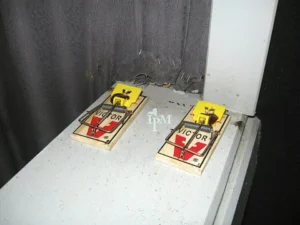
Place snap traps along walls where rats travel. Rats don’t like crossing open spaces, so they run along edges and corners. Position the trigger end of the trap against the wall so rats encounter it as they travel.
Use the right bait for snap traps. Contrary to popular belief, cheese isn’t the best bait. Peanut butter, chocolate, bacon, dried fruit, or nuts work better because rats can’t steal them as easily without triggering the trap.
Set out multiple traps at once. If you have a serious rat problem, 6 to 12 traps isn’t too many. Rats are cautious, and not every rat will take the first bait it encounters.
Check traps daily and remove dead rats immediately. Leaving dead rats in traps teaches other rats to avoid that area. Dispose of dead rats in sealed plastic bags in your outdoor garbage.
Reset traps immediately after catching a rat. You might catch multiple rats in the same location because they’re following the same travel routes.
Electronic Rat Traps for Clean, Hands-Off Kills
Electronic traps deliver a high-voltage shock that kills rats instantly and humanely. These traps cost more than snap traps but offer significant advantages.
Electronic traps contain the rat’s body inside a chamber, so you don’t have to see or touch the dead rat. You simply open the trap over a garbage bag and dump the rat out.
The kill is extremely reliable. When a rat enters the chamber and touches the metal plates, it receives a shock that kills it in less than a second. There’s no chance of injury without death like sometimes happens with snap traps.
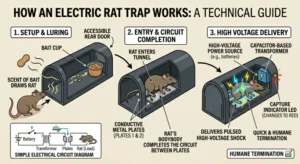
Electronic traps can kill multiple rats before needing attention. Some models alert you when they’ve caught a rat (using lights or smartphone notifications), so you know when to empty them.
Battery life is excellent on most electronic traps. A set of batteries can deliver 30 to 50 kills before needing replacement.
These traps work well in sensitive locations like kitchens or food storage areas because they’re enclosed and sanitary. You’re not dealing with exposed dead rats or blood.
The main downsides are cost ($40 to $100 per trap) and the fact that you can usually only set them in one location at a time. You’ll need multiple units to cover a large area effectively.
Popular brands include Victor (M2524 model), Rat Zapper, and Vensmile. Read reviews before buying because quality varies significantly between brands.
Live Catch Traps: Relocating Rats Instead of Killing Them
Live catch traps capture rats without killing them, allowing you to release them elsewhere. This approach has limitations but works for people who don’t want to kill rats.
Live traps use a one-way door or spring-loaded mechanism that closes when the rat enters to take bait. The rat is trapped inside unharmed.
Check live traps multiple times daily because rats trapped for too long will suffer from stress, thirst, and temperature extremes. You can’t just set a live trap and ignore it.
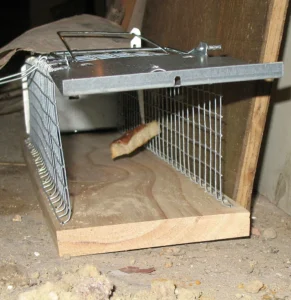
Relocation is controversial and often ineffective. Rats released in unfamiliar territory usually die within a few days because they don’t know where to find food, water, and shelter. You’re essentially giving them a slow death instead of a quick one.
Relocated rats might return to your property if you release them nearby. Studies show rats can navigate back from over a mile away.
In many states, relocating rats is actually illegal. It spreads diseases to new areas and often just makes the rats someone else’s problem.
If you insist on using live traps, release rats at least 3 to 5 miles away in suitable habitat (wooded areas, not urban neighborhoods). Even then, recognize that most relocated rats won’t survive.
Live traps work better as part of a catch-and-euthanize program. Some people prefer capturing rats alive and then euthanizing them humanely (usually by CO2 or quick physical methods) rather than using kill traps.
Sealing Entry Points: Stop Rats From Getting In
Exclusion (preventing rats from entering your home or building) is absolutely critical for long-term rat control. You can trap rats forever, but if new ones keep getting in, you’ll never solve the problem.
Rats can squeeze through holes as small as a quarter (about half an inch). If you can fit your thumb through a gap, a rat can probably get through too.
Walk around your entire property looking for gaps, holes, and openings. Pay special attention to where utilities enter your home (pipes, wires, vents), around doors and windows, where the foundation meets the walls, and around roof edges.
Common entry points include gaps under doors, broken vent screens, holes where pipes enter walls, cracks in foundations, gaps in siding, open chimney tops, and roof vents without proper covers.
Use the right materials to seal openings. Steel wool temporarily blocks holes but rats will eventually chew through it. Better options include:
- Sheet metal or hardware cloth (1/4 inch mesh) for larger openings
- Copper mesh (like Xcluder) which rats can’t chew through
- Cement or mortar for foundation cracks
- Expanding foam (with metal mesh pushed into it) for irregular gaps
- Door sweeps and weather stripping for gaps under doors
Don’t use wood, plastic, rubber, or regular caulk alone. Rats can chew through all of these easily.
Install caps on chimneys and make sure all vents have proper screens. Dryer vents, bathroom vents, and attic vents are common entry points.
Check for tree branches touching your roof. Rats are excellent climbers and will use overhanging branches as highways to reach your roof and find entry points near the roofline.
Seal gaps around pipes where they enter your home. Use metal flashing or hardware cloth secured with screws, then fill remaining gaps with cement or expandable foam.
Eliminating Food Sources That Attract Rats
Rats come to your property because food is available. Remove their food and you remove a major reason for them to stay.
Store all food in sealed containers including pet food, bird seed, livestock feed, and pantry items. Glass, metal, or thick plastic containers work best. Cardboard boxes and thin plastic bags don’t stop rats.
Clean up spills and crumbs immediately. Don’t leave dirty dishes in the sink overnight. Wipe down counters and sweep floors regularly.

Pet food is a major attractant. Don’t leave pet food bowls out overnight. Feed pets only what they’ll eat in one sitting and pick up the bowl when they’re done.
Bird feeders attract rats because seed falls to the ground. If you have a rat problem, stop using bird feeders until the rats are gone. If you must feed birds, use feeders with catch trays and clean up spilled seed daily.
Secure your garbage in tightly sealed bins. Rats can chew through plastic garbage bags, so food waste needs to be in containers with secure lids. Keep garbage bins away from your house.
Don’t put meat, dairy, or oily foods in compost bins. These items attract rats much more than vegetable scraps. If you compost, use a sealed bin and bury food waste under other materials.
Clean up fallen fruit from fruit trees immediately. Rotting fruit on the ground is a feast for rats.
Store firewood away from your house and elevate it off the ground. Rats nest in woodpiles that are close to buildings.
Removing Water Sources
Rats need water daily, sometimes even more urgently than food. Eliminating water sources makes your property much less attractive.
Fix leaky faucets, pipes, and hoses. Even small drips provide enough water for rats to survive.
Don’t leave pet water bowls out overnight. Bring them inside or empty them.
Eliminate standing water around your property. This includes water in plant saucers, buckets, old tires, clogged gutters, and low spots in your yard.
Make sure sprinklers don’t create puddles. Adjust your watering schedule or sprinkler heads to minimize standing water.
Fix drainage problems around your home. Areas where water pools after rain are perfect drinking spots for rats.
Cover or screen water features like ponds, fountains, and birdbaths. If you can’t cover them, empty and refill them daily to prevent rats from relying on them.
Check for condensation around air conditioning units, water heaters, and refrigerators. These can create small water sources that rats will use.
Keeping Your Property Clean and Clutter-Free
Clutter provides hiding places and nesting sites for rats. A clean, organized property is much less attractive to rodents.
Remove piles of junk, old furniture, appliances, and building materials from around your property. Every pile is a potential rat hotel.
Keep garages, sheds, and storage areas organized. Store items in sealed plastic bins on shelves rather than in cardboard boxes on the floor.

Trim vegetation away from your house. Bushes, shrubs, and ivy growing against your walls give rats cover to move around unseen. Maintain a 1 to 2 foot clear zone around your foundation.
Remove ground cover like ivy or thick mulch from areas right next to your house. Rats nest in these materials and use them for concealment.
Keep your lawn mowed and remove weeds regularly. Tall grass and weeds provide cover for rats traveling across open areas.
Store lumber, pipes, and other building materials on racks off the ground. Don’t stack them directly on the soil.
Clean up dog feces from your yard regularly. Rats will eat feces if other food is scarce, and dog waste can attract them.
Natural Deterrents and Repellents
Various natural substances supposedly repel rats, but their effectiveness is questionable. These methods might help as part of a larger strategy but won’t solve a rat problem alone.
Peppermint oil is commonly recommended as a rat repellent. Some people report success soaking cotton balls in peppermint oil and placing them where rats travel. The strong smell might temporarily discourage rats, but the effect wears off quickly as the scent fades.
Ammonia supposedly repels rats because it smells like predator urine. Placing bowls of ammonia in areas where rats travel might deter them temporarily, but it’s unpleasant for humans too and evaporates quickly.
Mothballs (naphthalene) are sometimes used to repel rats, but they’re toxic to humans and pets and not particularly effective against rats. Don’t use mothballs anywhere except in sealed storage containers for clothes.
Ultrasonic repellent devices claim to drive rats away with high-frequency sounds. Most studies show these don’t work. Rats might avoid them briefly but quickly habituate to the sound.
Predator urine (from foxes, coyotes, or cats) is sold as a rat deterrent. The theory is that rats smell the predator and flee. In practice, rats in urban and suburban areas have learned that the presence of predator scent doesn’t necessarily mean a predator is nearby.
Used cat litter (containing cat scent and urine) might discourage rats from nesting in certain areas. Place it in containers near suspected entry points. This is more effective than buying commercial predator urine.
Essential oil blends with peppermint, eucalyptus, and citronella supposedly repel rats. These might work briefly but require constant reapplication and won’t drive out an established infestation.
None of these natural repellents will solve a rat problem on their own. Use them as supplements to trapping and exclusion, not as substitutes.
Getting a Cat (Does it Really Help?)
Cats are natural predators of mice and rats, but whether they help with your rat problem depends on several factors.
Some cats are excellent hunters and will actively kill rats. Cats that grew up outdoors or were barn cats often have strong hunting instincts and will pursue rats aggressively.
Many modern indoor cats have little interest in hunting. A cat that’s always been fed cat food and never had to hunt might ignore rats completely or be afraid of them.

Cats are more effective against mice than rats. Adult rats can be as large or larger than cats, and some rats will fight back. A cat might kill small juvenile rats but leave adult rats alone.
The mere presence of a cat (even one that doesn’t hunt) can deter rats to some degree. Rats smell the cat and might choose to nest elsewhere. This works better for preventing rats than for removing an established infestation.
Outdoor cats that roam your property will kill some rats and help keep populations down, but they also face risks from rat bites, diseases rats carry, and eating poisoned rats if neighbors are using rat poison.
If you already have a cat, see if it shows interest in hunting. If you don’t have a cat, don’t get one solely for rat control because there’s no guarantee it will hunt.
Working cat programs exist in many cities where feral cats are placed in businesses, warehouses, and farms for rodent control. These semi-wild cats often have better hunting instincts than pet cats.
Professional Pest Control Without Poison
If your rat problem is severe or you can’t handle it yourself, professional pest control companies can help using poison-free methods.
Professional exterminators have access to commercial-grade traps and equipment that aren’t available to consumers. They know where rats hide, how they travel, and where to place traps for maximum effectiveness.
Many pest control companies now offer “green” or “organic” pest control services that don’t use poison. Ask specifically about poison-free options when calling for quotes.
Professionals can identify and seal entry points that you might miss. They have the tools and materials to exclude rats permanently, which is the key to long-term control.
Expect to pay $200 to $600 for initial rat control service without poison, depending on the severity of your infestation and the size of your property. Follow-up visits might be needed and typically cost $100 to $200 each.
Make sure any company you hire is licensed and insured. Ask about their specific methods and make it clear you don’t want poison used. Get everything in writing.
Some companies offer monitoring programs where they place traps and check them regularly for a monthly fee. This can be worthwhile for commercial properties or ongoing problems.
How Long Does it Take to Get Rid of Rats Without Poison?
The timeline for solving a rat problem without poison depends on how severe the infestation is and how thoroughly you implement control measures.
Small infestations (1 to 5 rats) can often be eliminated in 1 to 2 weeks with aggressive trapping and good exclusion work.
Medium infestations (6 to 15 rats) typically take 2 to 4 weeks to resolve. You’ll catch rats steadily during the first 2 weeks, then numbers taper off.

Large infestations (15+ rats) might take 4 to 8 weeks or longer. These situations usually require professional help because they indicate major attractants or entry points that need to be addressed.
You’ll know you’re making progress when you catch fewer rats each day and see decreased signs of activity (fewer droppings, less noise, less damage).
Don’t stop too soon. After you haven’t caught a rat for 7 days, leave traps out for another 2 weeks to make sure you’ve eliminated all rats.
Prevention is ongoing. Even after you’ve eliminated your current rats, keep up exclusion efforts, sanitation, and food storage practices to prevent new rats from moving in.
Conclusion
Getting rid of rats without poison is completely possible using a combination of trapping, exclusion, and sanitation. Snap traps and electronic traps kill rats quickly and humanely without the risks poison poses to pets, children, and wildlife.
The key to success is combining multiple approaches: actively trapping rats while sealing entry points, removing food and water sources, and keeping your property clean and clutter-free.
Most rat problems can be resolved in 2 to 4 weeks using poison-free methods if you’re thorough and persistent.
While poison-free control requires more effort than just setting out bait stations, the results are often better and longer-lasting. You’ll know exactly how many rats you’ve caught, won’t deal with decomposing rats in walls, and won’t risk harming non-target animals.

Hi, my name is Ezra Mushala, i have been interested animals all my life. I am the main author and editor here at snakeinformer.com.